Ruins hit differently when they are not ancient temples or medieval fortresses, but places where schools, cinemas, shops, and family routines existed not that long ago. These locations feel cinematic because they preserve ordinary life in a frozen state, with streets, facades, and rooms still readable even after people disappeared. For a slideshow, they are visual gold, but they also demand accuracy and respect because each site carries a real human story.
This list focuses on five famous examples where beauty, ambition, or prosperity gave way to silence through disaster, resource collapse, or geological instability. Some are protected heritage spaces, some are tightly controlled, and one remains linked to an ongoing nuclear legacy. That contrast is exactly what makes them so compelling to read about and photograph from afar.
1. Pripyat, Ukraine
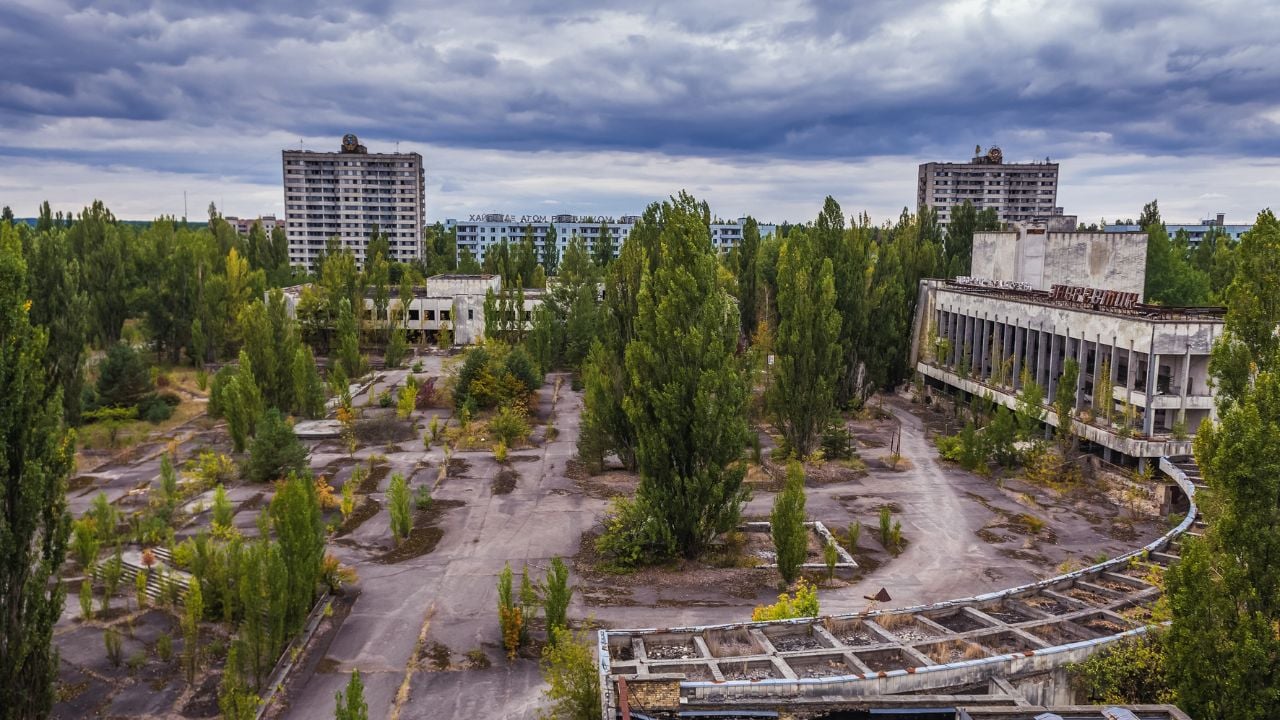
Pripyat became one of the world’s most recognizable abandoned places after the 1986 Chernobyl disaster near the power station outside the settlement. The IAEA’s Chernobyl FAQ notes that the entire town of Pripyat, with a population of 49,360, was completely evacuated 36 hours after the accident. That combination of modern urban planning and sudden emptiness is why the site still feels so unnerving in photographs.
What makes Pripyat visually unforgettable is not only decay but also scale. Apartment blocks, public squares, and leisure spaces remain as a frame for a life that stopped almost overnight, which is why imagery from the city became a global symbol of nuclear-era catastrophe. Any travel coverage should treat it first as a disaster landscape and a place of displacement, not as a thrill stop.
2. Plymouth, Montserrat
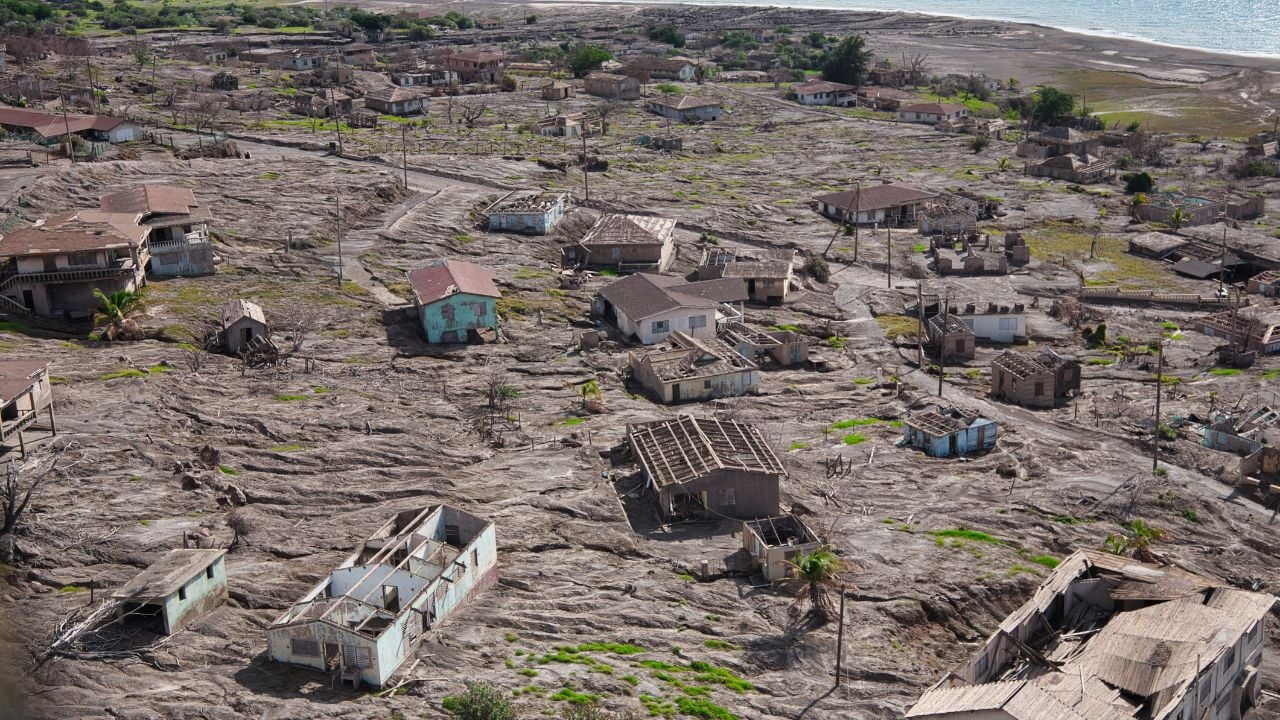
Plymouth on Montserrat carries a different kind of shock because volcanic activity erased a functioning Caribbean capital within living memory. NASA Earth Observatory notes that Soufrière Hills resumed activity in 1995 and that, in 1997, the volcano destroyed Montserrat’s capital city of Plymouth. The result is a coastal urban area now associated with ash burial, abandoned buildings, and one of the most haunting skylines in the region.
The eerie part is not only what happened but also how the island still manages risk around the southern zone. The Montserrat Volcano Observatory’s current hazard guidance states there is no public access to Zone V, including Plymouth, under its referenced conditions. For slideshow storytelling, that restriction adds gravity because the place is not a staged ruin but a real hazard landscape.
3. Kolmanskop, Namibia
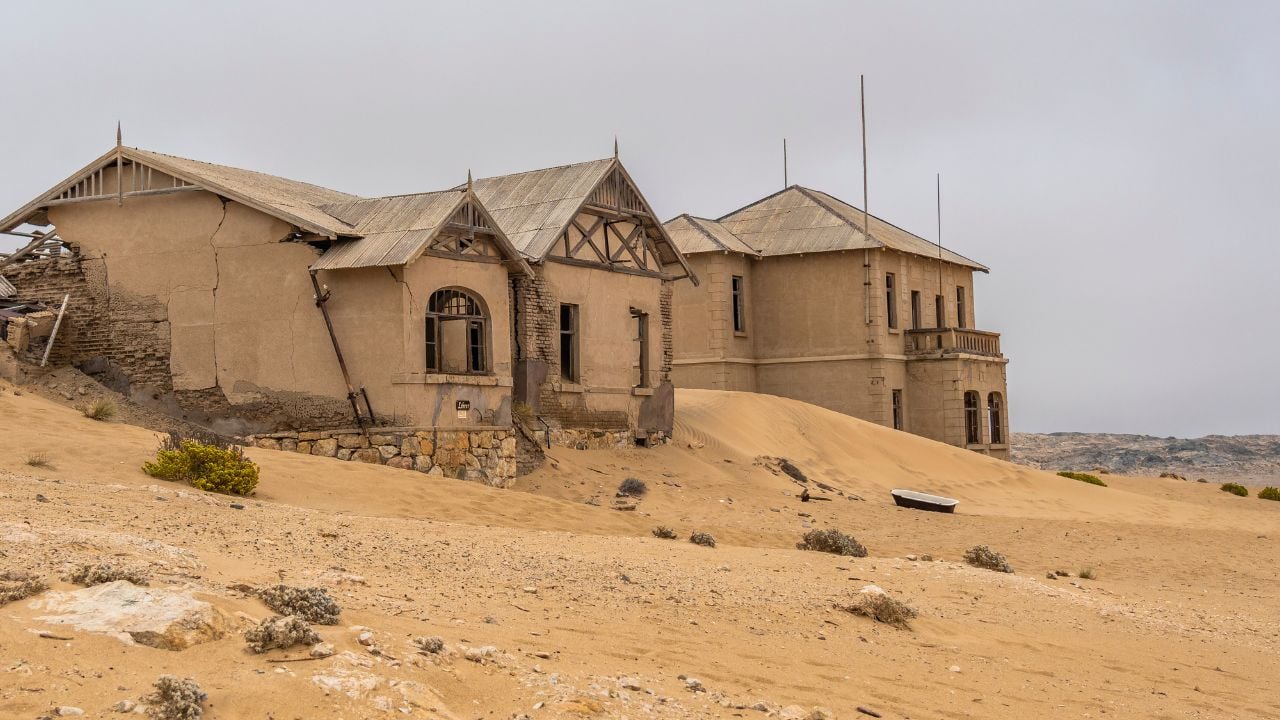
Kolmanskop looks like a surreal art set, yet its origin was a pure diamond rush. The official Kolmanskuppe Ghost Town Tours site says the first diamond was found in 1908, triggering a boom that built grand structures in the desert. Today, that same site describes the Namib Desert steadily engulfing the buildings, which is exactly the image people remember.
The deeper story is a classic boom-and-bust. Atlas Obscura notes that the town was completely abandoned by 1956, after richer finds and shifting activity pulled people elsewhere. The arid climate preserves details, while dunes push through doors and windows. Few places show elegance and erosion in the same frame this dramatically.
4. Craco, Italy
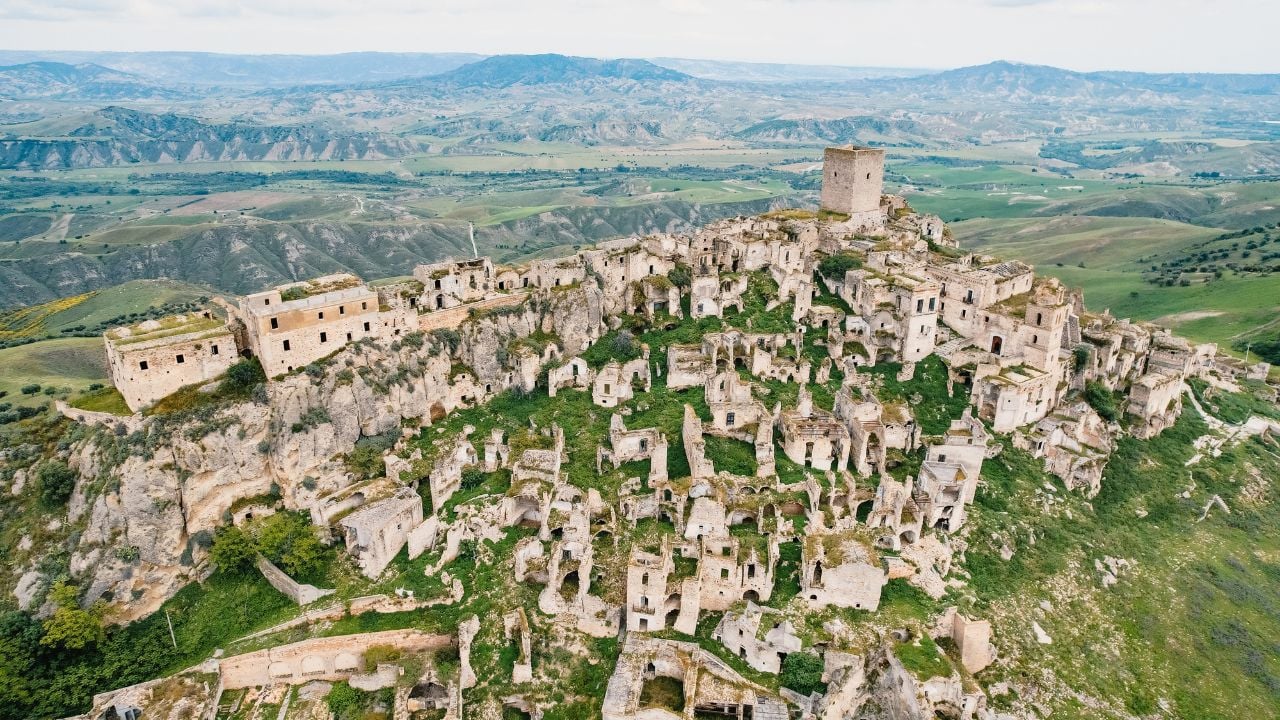
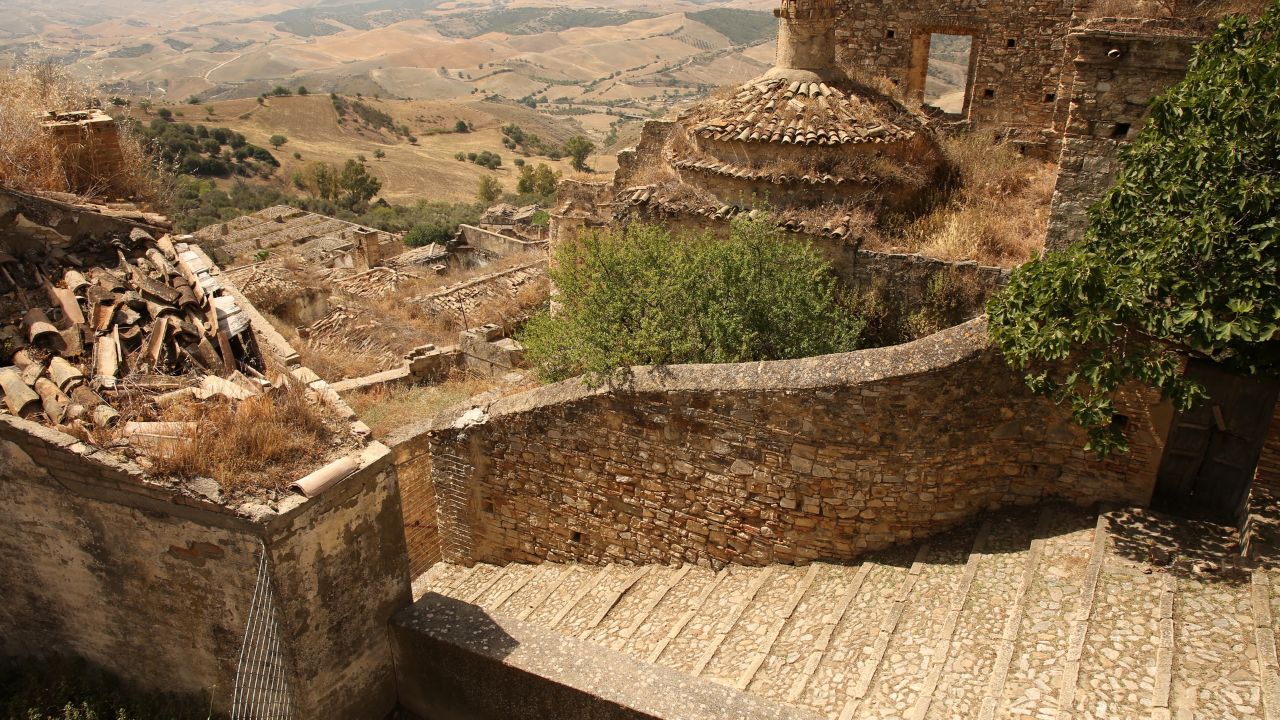
Craco delivers pure hilltop drama before a reader even learns the backstory. The historic center rises from a rocky ridge in Basilicata, and the World Monuments Fund highlights the site’s long history, including a Norman tower dating to around 1000 AD. That profile alone makes it one of Europe’s most striking deserted settlements.
Britannica summarizes the chain of events clearly: many residents left during the 1960s after damaging landslides, and the rest departed after the Irpinia earthquake of 1980. The site later became a tourism draw and a filming location. In slideshow format, Craco works beautifully because every angle looks like a historical epic with the sound turned off.
5. Bodie, California, United States
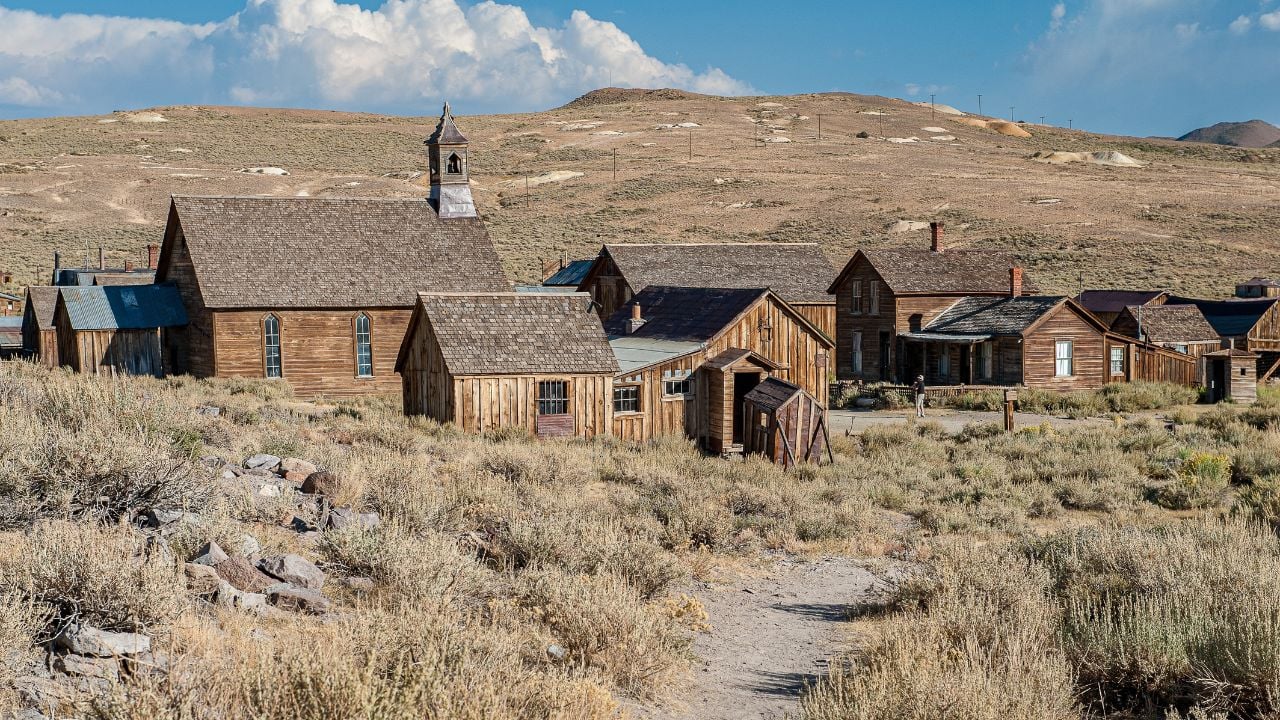
Bodie has a Wild West look that feels almost too perfect to be real, which is part of its power. California State Parks describes Bodie as a historic ghost town preserved in a state of “arrested decay,” a phrase that fits the place better than any spooky cliché. The official park page also notes that only a small part survives and that interiors remain stocked much as they were left.
Unlike many ruined settlements that are difficult to interpret, Bodie is curated enough to be readable while still feeling raw. California State Parks notes the town has been protected as a State Historic Park since 1962, which is why the streets still feel like a paused scene rather than a cleared-off set. For younger readers, it lands somewhere between history class and a game map, except the dust, silence, and stories are real.