

What began as a routine work assignment turned into a frightening ordeal for a telecommunications professional who never expected his job would lead him straight into immigration custody.
The story unfolds amid the aggressive deportation push under the administration of Donald Trump. Immigration lawyers say the current enforcement climate has dramatically changed how immigrants are being detained and how difficult it has become to challenge those detentions.
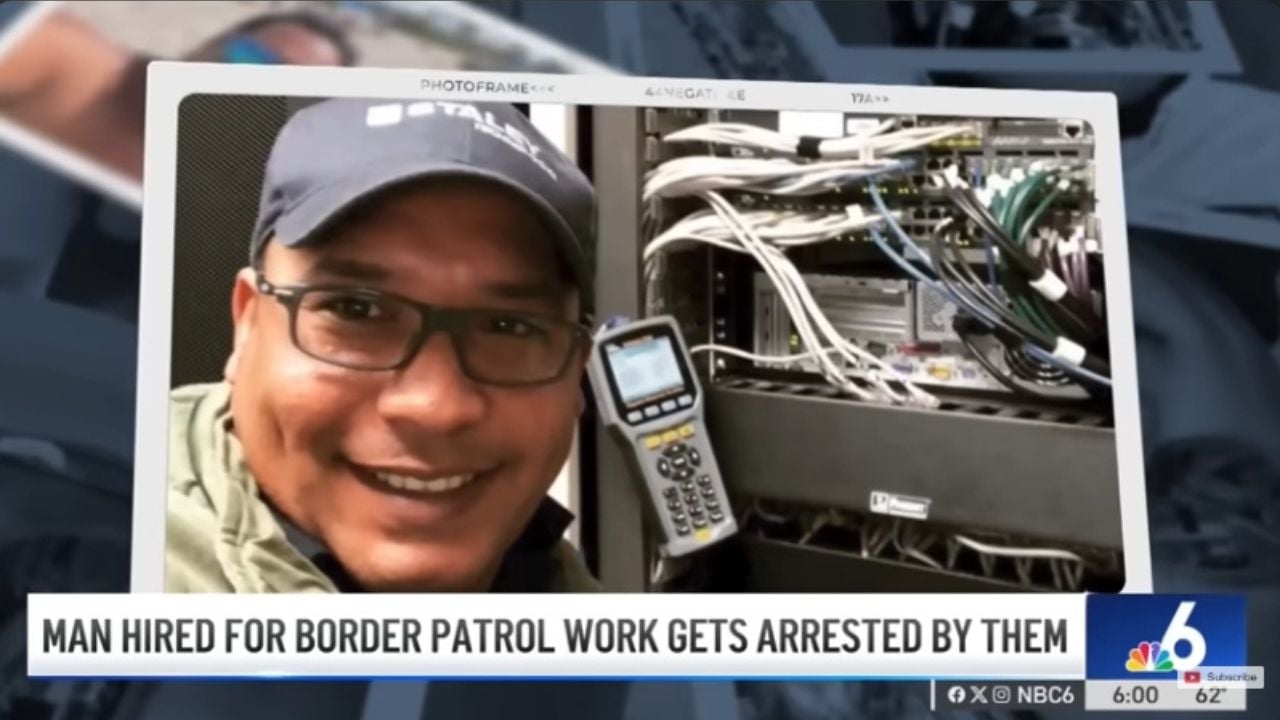
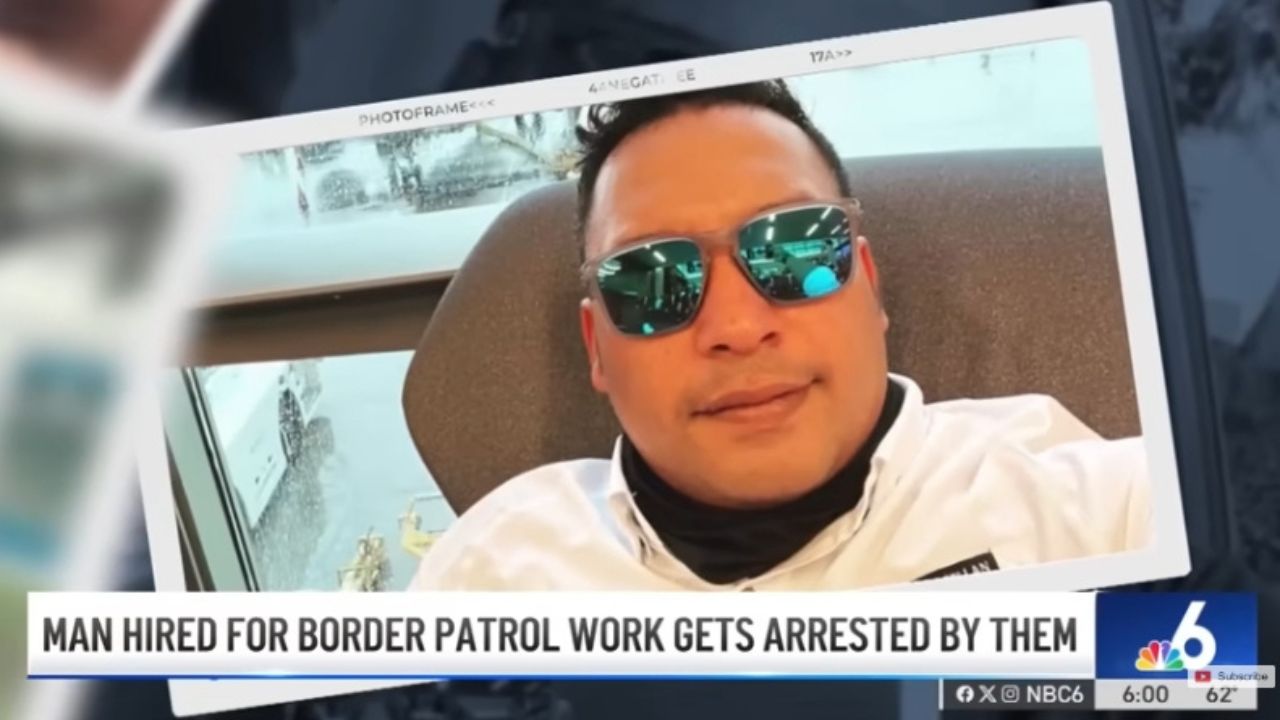
At the center of the story is Angel Camacho, a Venezuelan asylum seeker who had built a stable life in the United States. Camacho held Temporary Protected Status and was married to a U.S. citizen. He had legal work authorization, a Social Security number, and a driver’s license.
He paid his taxes every year and worked professionally in telecommunications, a field where his expertise was in high demand.
Camacho even held a master’s degree in telecommunications and had spent his entire career in the industry. For him, the United States represented opportunity and stability. That stability vanished during what he believed would be a simple site visit for a client.
An Unexpected Arrest
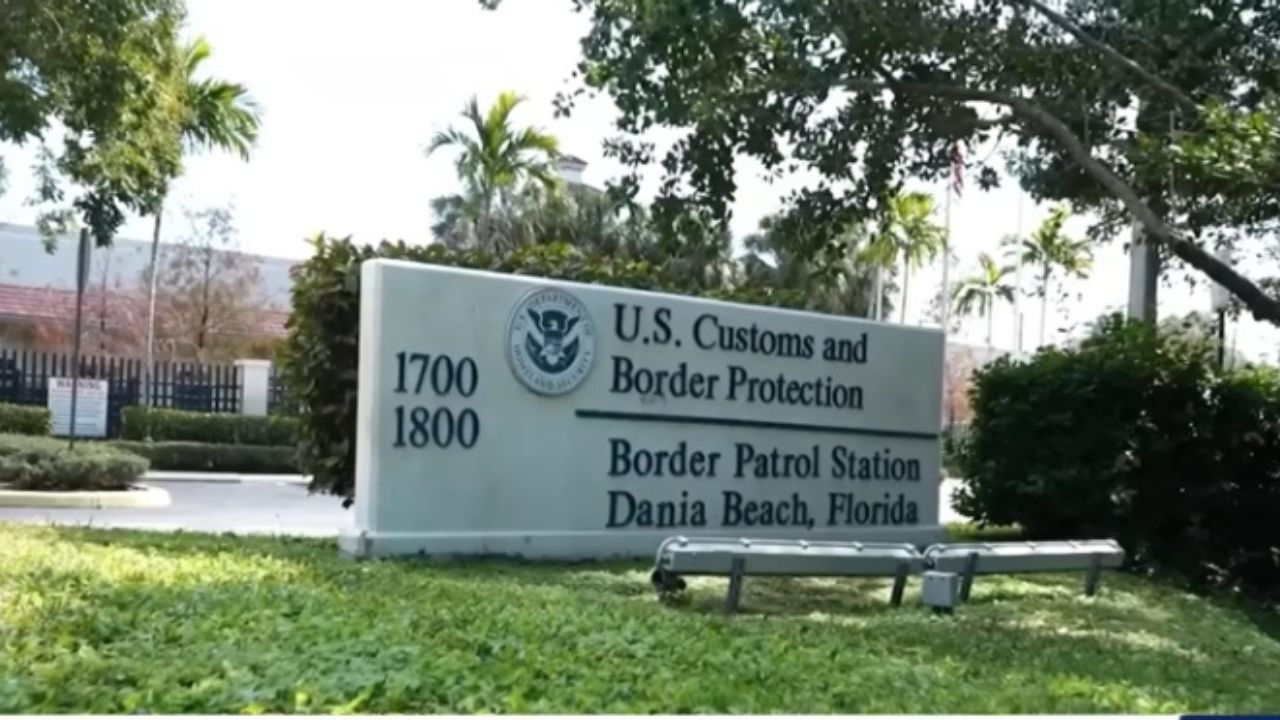
In Dania Beach, Florida, Camacho arrived at a Border Patrol station to conduct a site survey. His company had been hired to address a technical issue at the facility. From his perspective, it was just another day on the job.
But the moment he walked into the building, everything changed.
According to Camacho, agents greeted him normally at first.
They said good morning and confirmed they were expecting him. Moments later, the situation took a sudden and shocking turn. Instead of beginning the scheduled work, agents informed him that he was being detained.

Camacho initially thought it was a joke.
He had come to fix a technical problem, not deal with immigration authorities. Yet within moments he was placed in handcuffs and taken into custody by immigration officials.
The arrest led to a month-long stay in a detention facility located in the Florida Everglades. Detainees often refer to the location as “Alligator Alcatraz,” a nickname that reflects both its remote setting and the harsh experience described by many who have passed through it.
A New Reality in Immigration Enforcement
For Camacho, the experience was deeply traumatic.
He says the detention center is a place no one should experience, especially people who have never committed a crime. Despite having legal status and no criminal record, he found himself behind bars while his case unfolded.
Immigration attorneys say stories like Camacho’s are becoming more common.
Lawyers Liliana Gomez and Eliana Quiles represent multiple detainees who are being held without criminal histories. They say a significant shift in how immigration law is interpreted has made it much harder for detainees to obtain bond hearings.
For decades, many immigrants in detention could request a bond hearing before an immigration judge. That process allowed them to argue for release while their cases continued. Recently, attorneys say that opportunity is being denied more frequently.
As a result, lawyers are increasingly filing what are known as habeas corpus petitions. The term comes from Latin and essentially means “produce the body.” It is a legal request asking a court to examine whether a person is being lawfully detained.
Federal court records show a dramatic surge in these filings.
A Surge in Legal Challenges and Family Pain
In the Southern and Middle Districts of Florida, attorneys typically filed about five habeas petitions per month last year. Starting in November, that number skyrocketed. Nearly 400 petitions were filed in a single month as lawyers rushed to challenge detentions.
Even that strategy is becoming more difficult.
A recent ruling from a federal appeals court in New Orleans determined that some immigrants arrested inside the United States may be detained without bond hearings while their cases proceed. Previously, that type of detention was largely associated with migrants stopped at the border.
The legal shift has left many families in distress.
One woman whose husband was recently detained asked reporters not to reveal her identity. She explained that the hardest part of the ordeal has been watching their children struggle emotionally.
The couple has two American-born children. According to her, the separation has been devastating. Parents try to remain strong, but seeing their children depressed makes the situation even more painful.
After 30 days in detention, Camacho finally received a bond hearing.
Because he originally entered the United States with a visa in 2016, a judge allowed him to post a $5,000 bond. He was released but must wear an ankle monitor while his case continues.
An Easy Target
Despite the experience, Camacho insists he has always tried to do everything the right way.
He says he has followed the law since arriving in the country and does not consider himself a threat to anyone.
When asked why he believes he was targeted, his answer was simple.
Because he was easy to catch.
He had not been hiding or committing any crime. He simply showed up to work.
Editorial Note: Video playback may be limited or restricted on certain platforms. If you are unable to watch the video here, please visit our main website and search the article’s title, where full playback will be available.