Budget advice in the U.S. usually pushes people toward grocery runs and home kitchens, but that logic does not travel perfectly. In several countries, everyday meals from neighborhood stalls, canteens, and small diners can cost less than buying ingredients, especially for solo households or people cooking in tiny apartments. Numbeo’s current country rankings for an inexpensive restaurant meal, along with the gap between its Restaurant Price Index and Groceries Index in several destinations, support the broader idea that eating out can sometimes beat cooking at home in day-to-day budgeting.
One important accuracy note before anyone books a one-way ticket for noodles and tacos: Numbeo’s Groceries Index and Restaurant Price indexes are category comparisons against New York City, so they show direction and relative pressure, not a universal rule that every plate beats every home-cooked dish. The effect is strongest for local food bought in high-turnover spots and much weaker for imported products, tourist strips, or full-service dining.
1. Vietnam
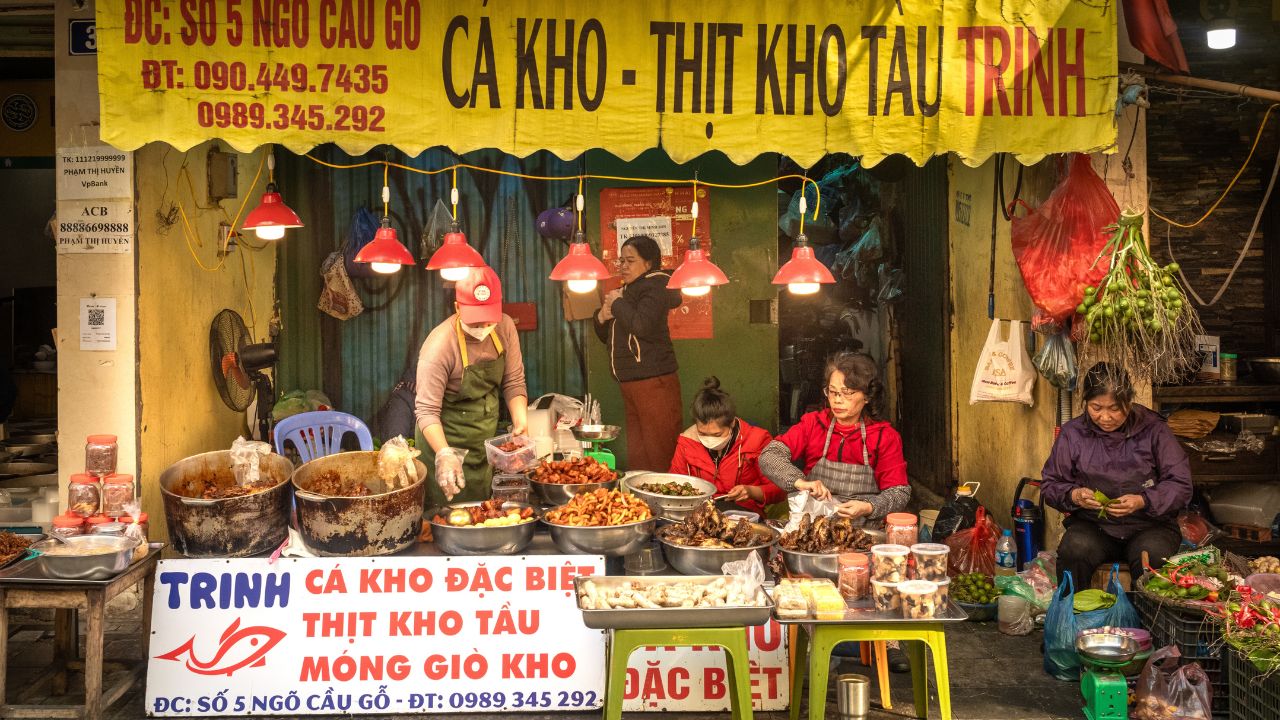
Vietnam sits near the bottom of Numbeo’s current ranking for an inexpensive restaurant meal, with a country average of about $1.92. On the country index table, Vietnam also shows a lower Restaurant Price Index than the Groceries Index, which helps explain why the outside-meal math can work for many residents and long-stay visitors.
Walk around cities with strong street-food culture, and the economic logic becomes easy to see. A vendor making one or two dishes all day can buy in bulk, move volume fast, and waste very little. Someone living alone and buying small amounts at retail often cannot match that efficiency from a small apartment kitchen.
2. Thailand
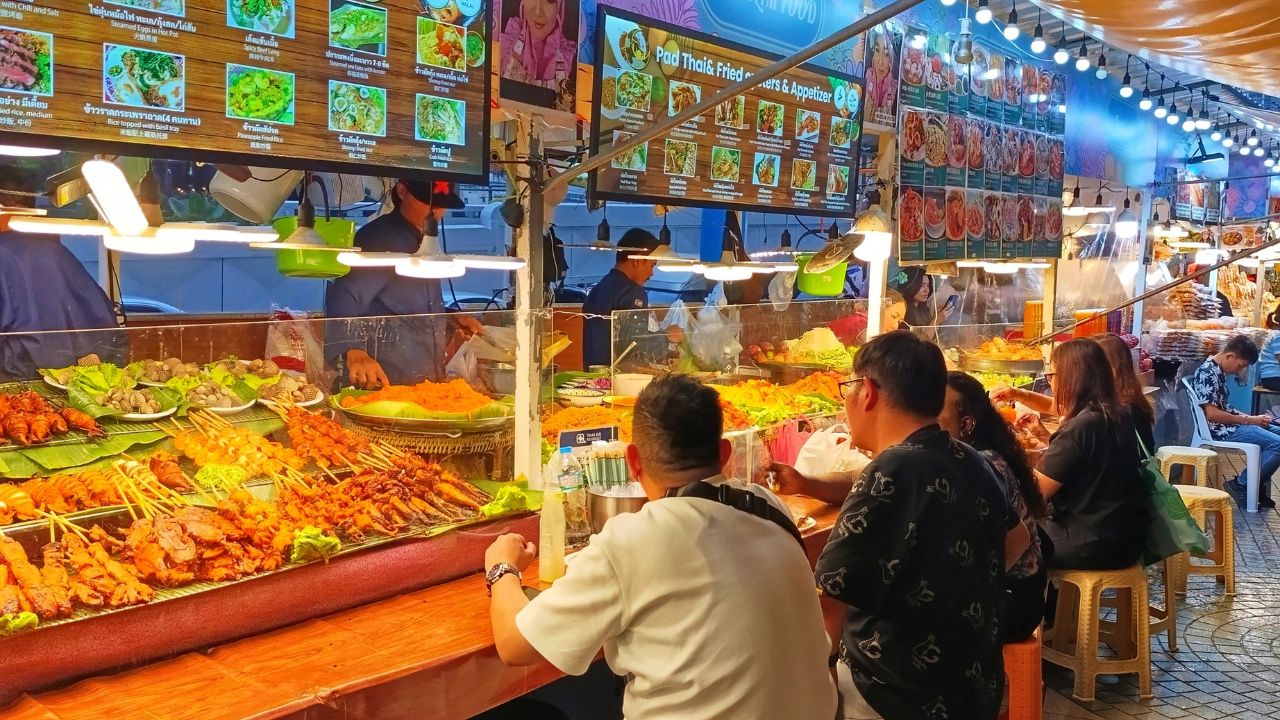
Thailand is another standout in the same pricing dynamic, with Numbeo listing an inexpensive restaurant meal around $3.22. The country’s current Numbeo index figures also show restaurant prices well below groceries on a relative basis, which lines up with the long-known strength of local street dining.
In practical terms, the bargain usually lives in local staples, not international chains. Travelers who stick to market areas and community food courts often find fast, filling meals at prices that would not cover a comparable ingredient basket plus energy use back home. Tourist hot zones can flip that equation quickly, so location within the country matters a lot.
3. Indonesia
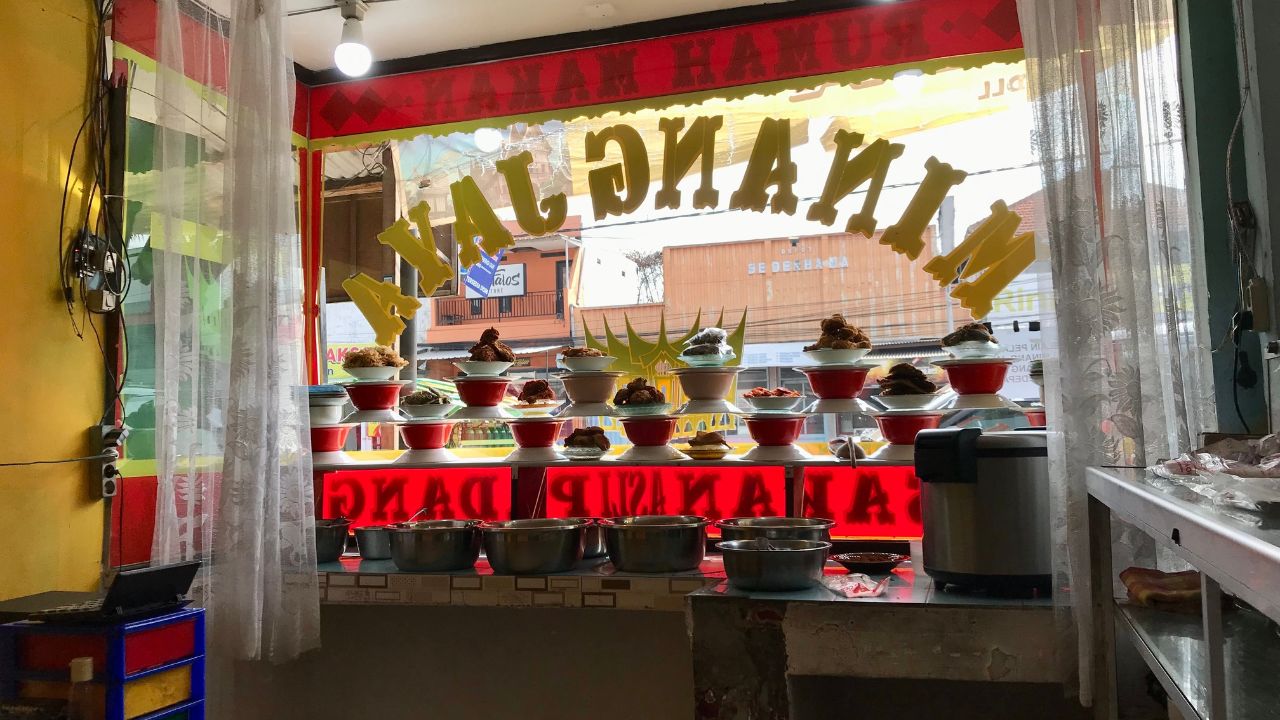
Indonesia ranks even lower on Numbeo’s inexpensive meal table, at about $1.79, making it one of the cheapest entries in this category. Its country-level data also shows a much lower Restaurant Price Index than the Groceries Index, which supports the idea that prepared food can be the budget play in many settings.
Small vendors help make the math work. When they operate from homes or low-rent storefronts and serve a narrow menu, they can keep per-plate costs extremely lean through bulk purchasing, family labor, and steady neighborhood demand. For newcomers, the best savings usually come from eating local dishes regularly instead of trying to recreate imported recipes from supermarket shelves.
4. India
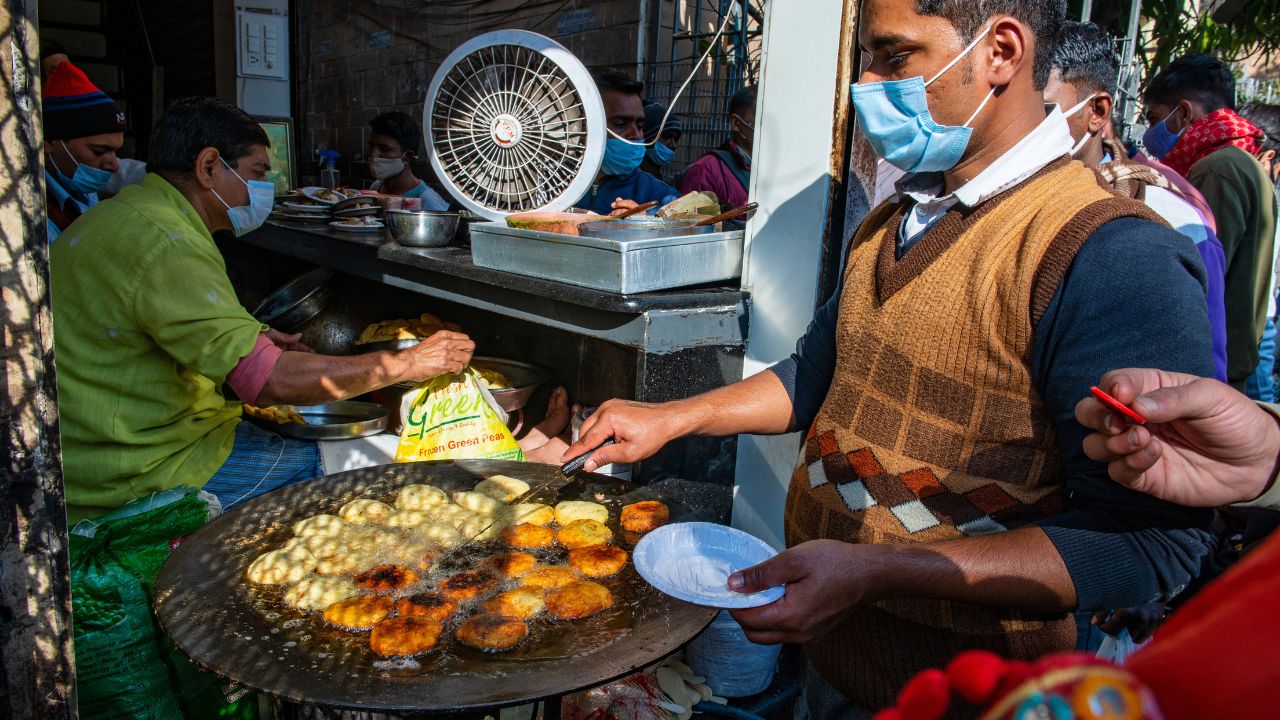
India appears near the bottom of Numbeo’s inexpensive restaurant meal ranking as well, at roughly $2.20. Numbeo’s country index table also shows restaurant prices below grocery levels on its NYC-based index framework, which reinforces why canteens and stall meals can be a real money saver.
Scale does a lot of work here. Vendors often buy wholesale and repeat the same dishes throughout the day, which lowers waste and keeps prep efficient. Household costs can rise faster when someone cooks in small batches, buys retail quantities, or relies on pricier urban shops.
5. Philippines
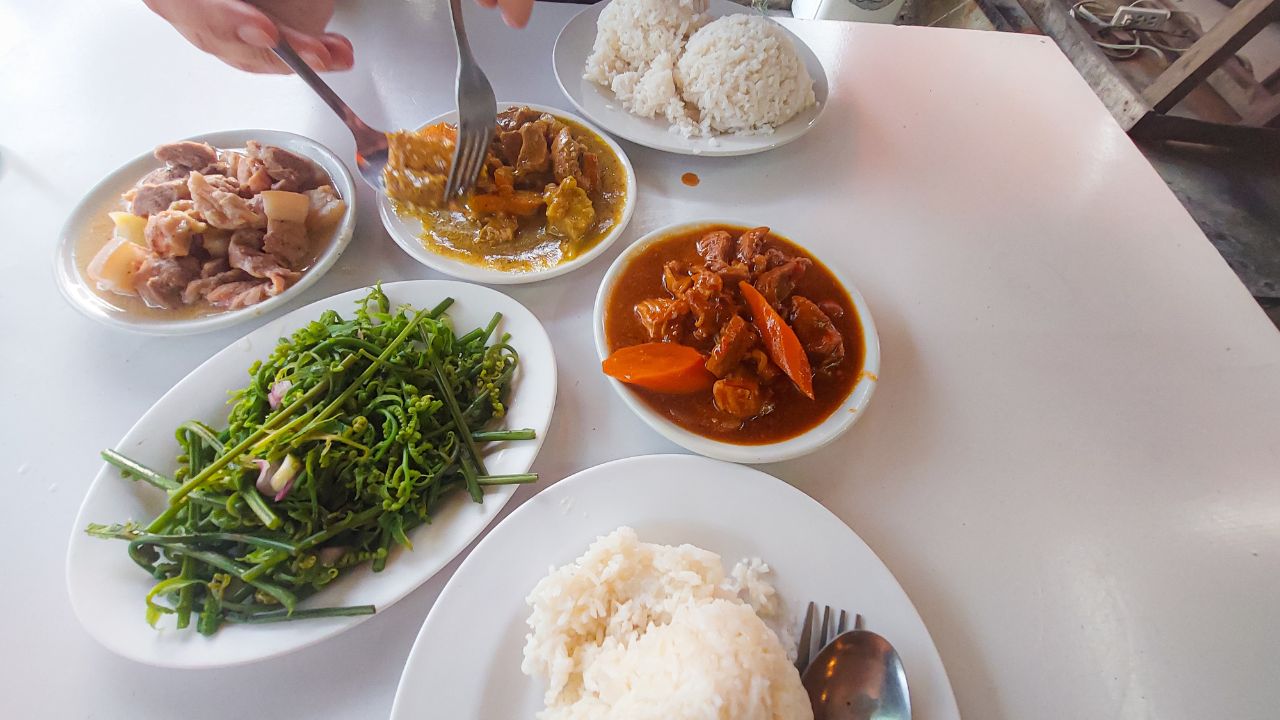
The Philippines also fits the pattern, with Numbeo listing an inexpensive restaurant meal at about $4.17. On the country index table, restaurant prices sit below groceries, which helps explain why small eateries can feel surprisingly economical for daily meals.
For a person living alone, cafeteria-style service changes the equation in a big way. You pay for one portion without buying cooking oil, spices, fuel, and extra ingredients that may sit unused. Families may still do better with home cooking in some cases, but singles often notice the outside option wins.
6. Colombia
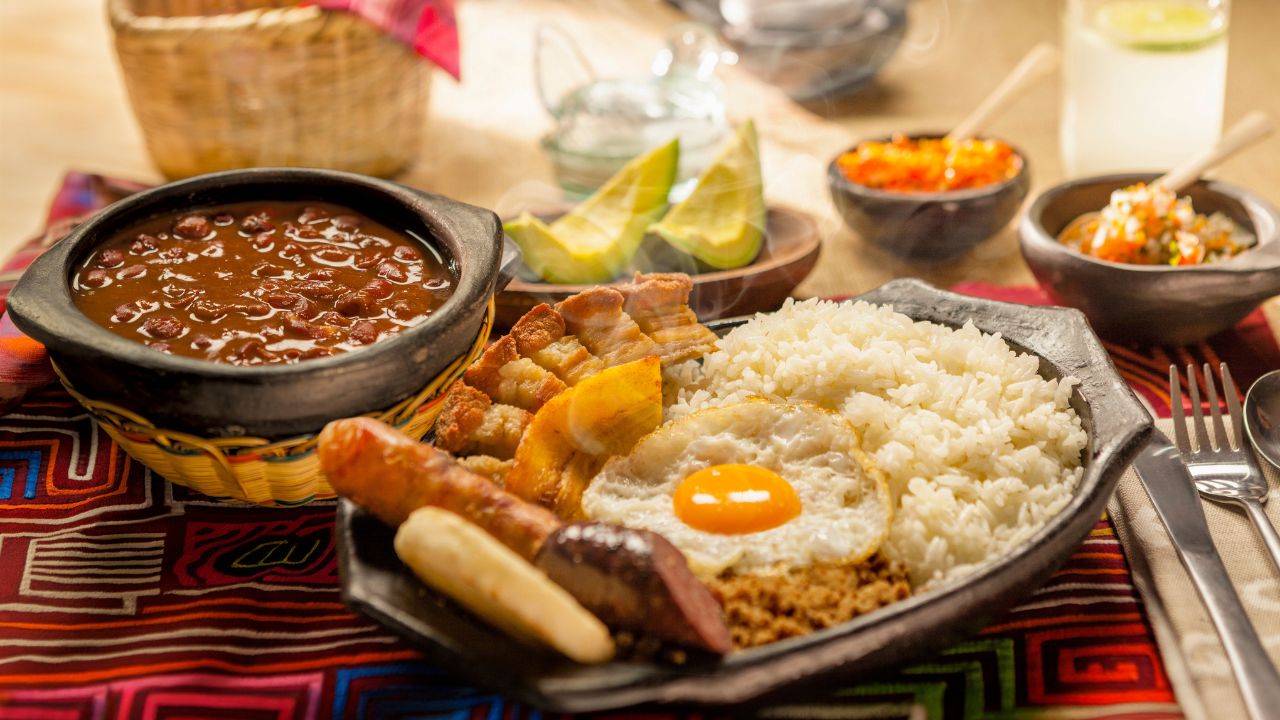
Colombia lands at around $5.42 on Numbeo’s inexpensive meal ranking, which remains low by U.S. standards. Numbeo’s country data also shows a lower Restaurant Price Index than the Groceries Index, and a fixed-price lunch culture in many cities helps explain why the outside-meal option can stay so competitive.
Set-menu lunch spots change the economics because they cook one menu for many diners instead of a wide list for scattered orders. High turnover and predictable prep help keep the bill modest. Expats who learn where office workers eat usually get a much better deal than those defaulting to tourist-facing restaurants.
7. Mexico
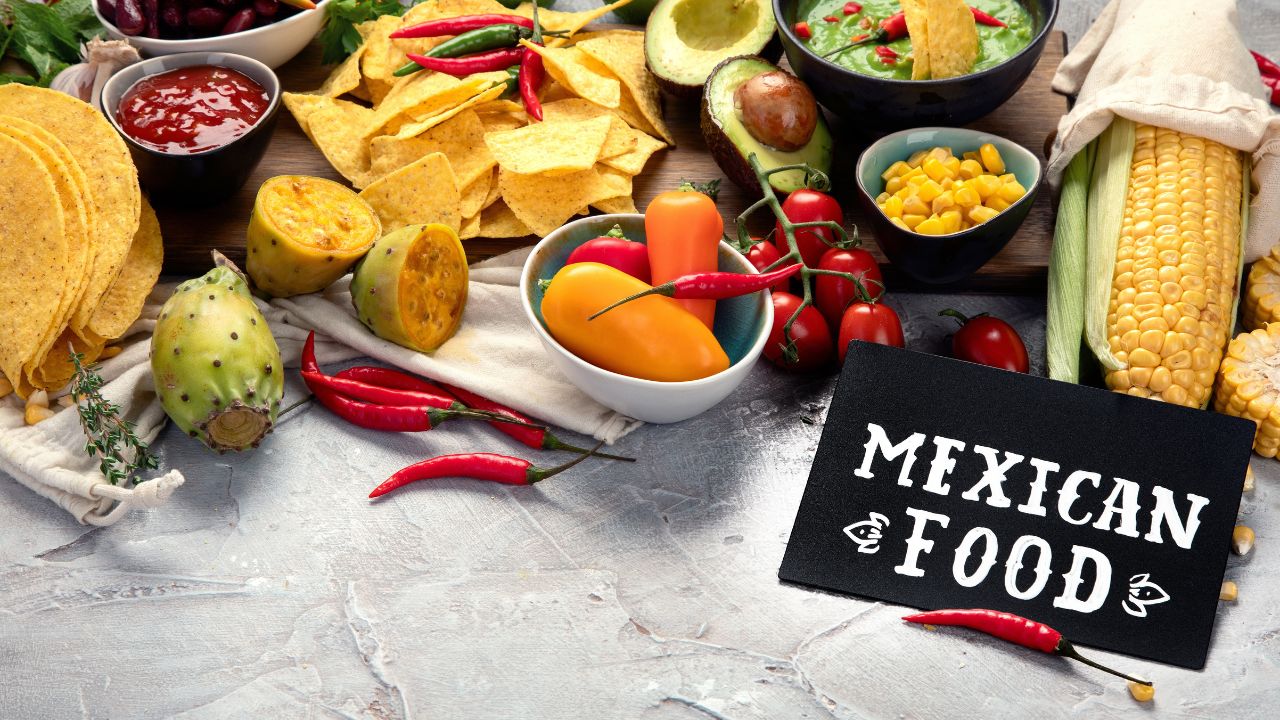
Mexico is higher than most Asian entries on the inexpensive meal ranking, but Numbeo still lists a relatively modest country average of about $11.65. Its country index figures show restaurant prices slightly below groceries on the same relative scale, which helps explain why lunch specials and local stalls can sometimes beat supermarket routines on total cost.
The catch is simple and important for accuracy: beach zones, resort districts, and trendy neighborhoods can erase the price advantage fast, while residential areas often preserve it. Mexico fits this list because the cost relationship clearly exists in many places, not because every restaurant meal beats home cooking every time.
8. Singapore
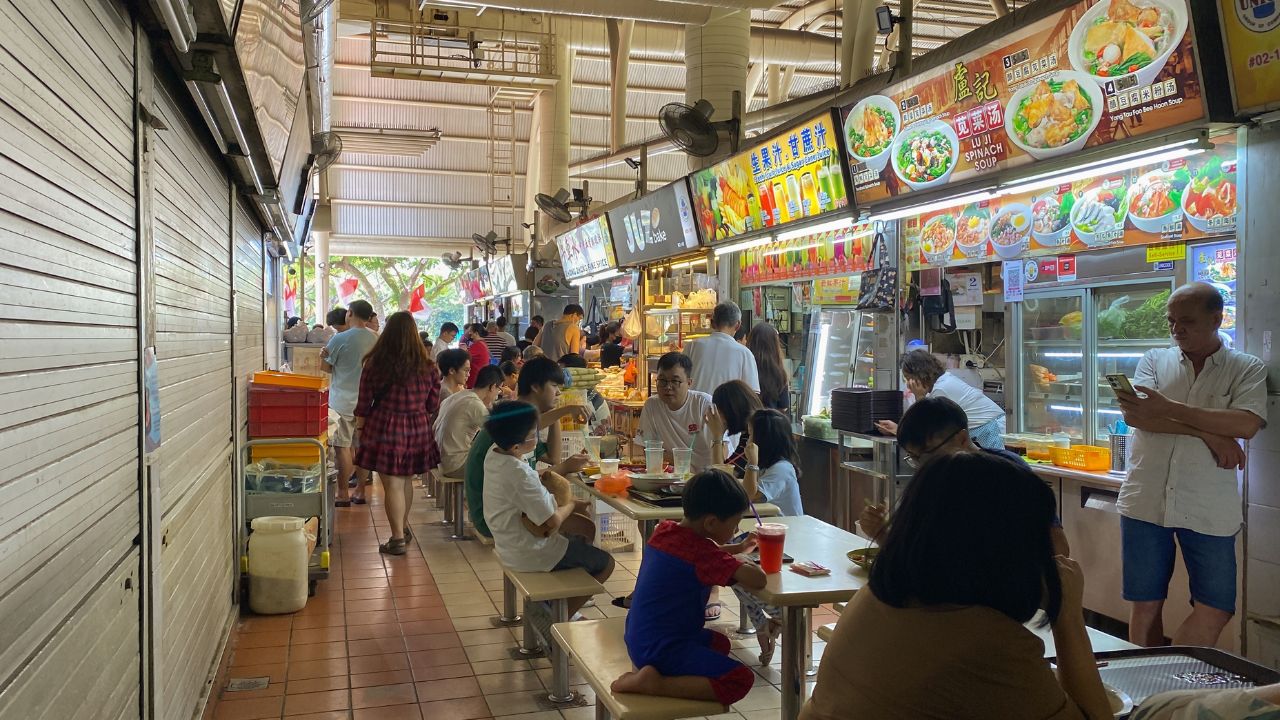
Singapore is the fascinating outlier on this list because it is a wealthy country where the cost relationship can still appear. Numbeo’s current country rankings list an inexpensive restaurant meal at about $9.50, and its country index table shows restaurant pricing that can compare surprisingly well against groceries on a relative basis.
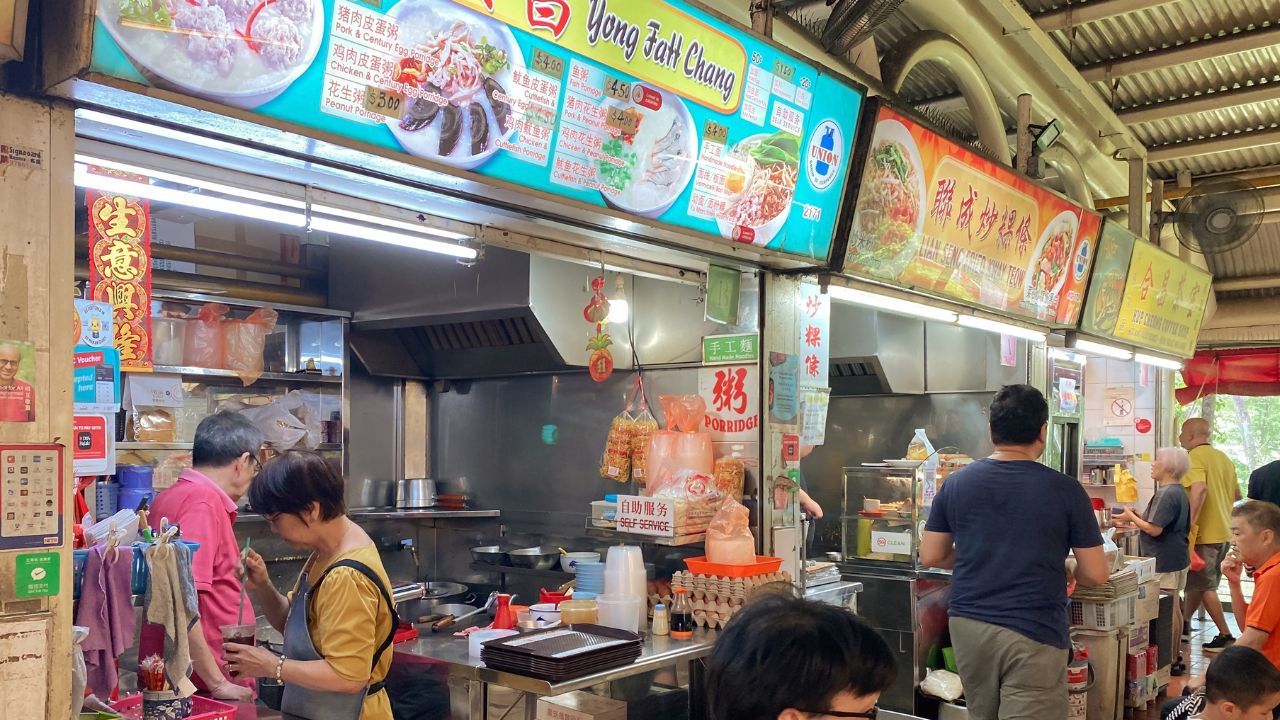
Hawker culture is a major reason this works in daily life. High-volume stalls focused on a narrow set of dishes can keep prices steadier than many sit-down restaurants while giving residents a “default” option that still feels like normal local eating rather than a special occasion.