
Remote work has moved far beyond a niche lifestyle. MBO Partners reported that 18.1 million U.S. workers described themselves as digital nomads in its 2024 trends research, which helps explain why certain international bases now appear again and again in relocation planning.
This list focuses on places where three things line up: manageable day-to-day spending, a practical long-stay path, and infrastructure that makes laptop life feel predictable instead of chaotic. For costs, I am using Numbeo as a snapshot tool, which is useful but crowdsourced, so treat figures as directional rather than fixed quotes.
1. Thailand

Thailand keeps attracting remote workers because the legal route is now clearly documented through the Destination Thailand Visa (DTV). Embassy guidance describes the DTV as a multiple-entry option valid for five years, with a 180-day stay per entry and the ability to extend for another 180 days. Practical explainers have followed too, including this DTV overview, but the embassy wording is the one to prioritize for exact terms.
On the budget side, the country still offers strong lifestyle value compared with many Western hubs, and Bangkok’s Numbeo snapshot typically lands well below major U.S. city cost levels. DTV checklists also show the kind of proof authorities expect, including financial documentation and supporting records for “workcation” applicants, which signals that the framework is formal and structured rather than informal guesswork.
2. Indonesia

Indonesia belongs in this conversation because Bali remains a magnet, and the immigration route is now easier to discuss with official language on the table. Indonesia’s official eVisa portal includes a Remote Worker Visa option designed for people working remotely for overseas companies, with the application system hosted at evisa.imigrasi.go.id.
That combination matters because many people want scenery and social energy without burning through a big-city North American budget every month. Numbeo’s Denpasar snapshot (often used as a Bali proxy) helps show why island bases and nearby hubs keep pulling in location-flexible professionals.
3. Malaysia
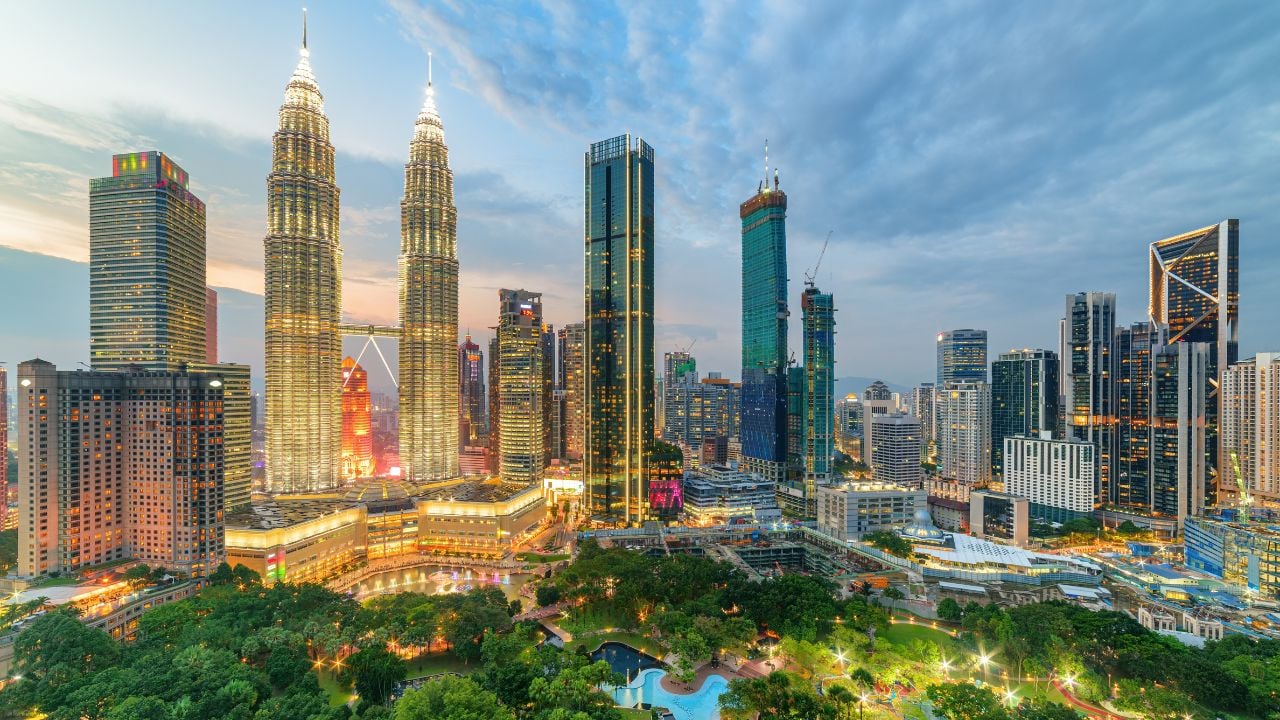
Malaysia has become a stronger contender because its DE Rantau Nomad Pass is built specifically for mobile professionals rather than being stitched together from tourist rules. The official DE Rantau materials outline durations, renewal options, and the kinds of documents expected, which is exactly the kind of predictability long-stay planners look for.
The program also spells out requirements in plain terms, including income thresholds that differ by applicant type. Pair that with Kuala Lumpur’s cost snapshot, and bases such as Kuala Lumpur and Penang become easier to justify for people who need both comfort and a controlled monthly burn rate.
4. Georgia

Georgia keeps showing up in nomad planning because the entry rule is unusually generous for several nationalities, including Americans. The official consular guidance is simple: U.S. citizens can enter visa-free and stay for up to one full year, which removes a lot of paperwork friction at the start.
Tbilisi then does the rest of the work with price-to-experience value. Numbeo’s Tbilisi snapshot lands well below many U.S. city cost levels, which helps explain why freelancers and founders keep choosing it as a Caucasus base for medium-length stays.
5. Türkiye

Türkiye has become more visible in remote-worker circles because it now has a dedicated pathway instead of vague hearsay. GoTürkiye’s official digital nomad platform outlines a certificate-first process and lists clear requirements for eligibility and documentation: Digital Nomads Türkiye.
Istanbul draws attention because it offers global-city scale, strong flight connections, and a huge range of neighborhoods, while Numbeo’s Istanbul snapshot still tends to land below many U.S. benchmarks. That mix of big-city energy and lower comparative spending is a classic pattern for people who want networking, culture, and workable budgets in the same place.
6. Brazil

Brazil is increasingly part of the conversation because it has a formal remote-work option described through Brazil’s consular/visa framework. A practical starting point for the official system is Brazil’s consular visas portal: Ministry of Foreign Affairs (Visas). The key planning takeaway is that applicants should expect to show proof of remote work plus income or savings documentation and to follow the instructions used by the specific consulate processing the application.
Cost can push the case over the line, especially for people earning in dollars or euros and choosing neighborhoods carefully. Numbeo’s Rio de Janeiro snapshot illustrates why more long-stay planners are taking a serious look at Brazil as a base rather than only a short vacation stop.
Before publication, keep one editor note in place for accuracy: entry approval, permitted activities, and renewal decisions are ultimately governed by immigration authorities, and rules can shift fast. Rechecking official pages right before posting and again before travel is the least glamorous step in the process, but it is the one that saves the most headaches.