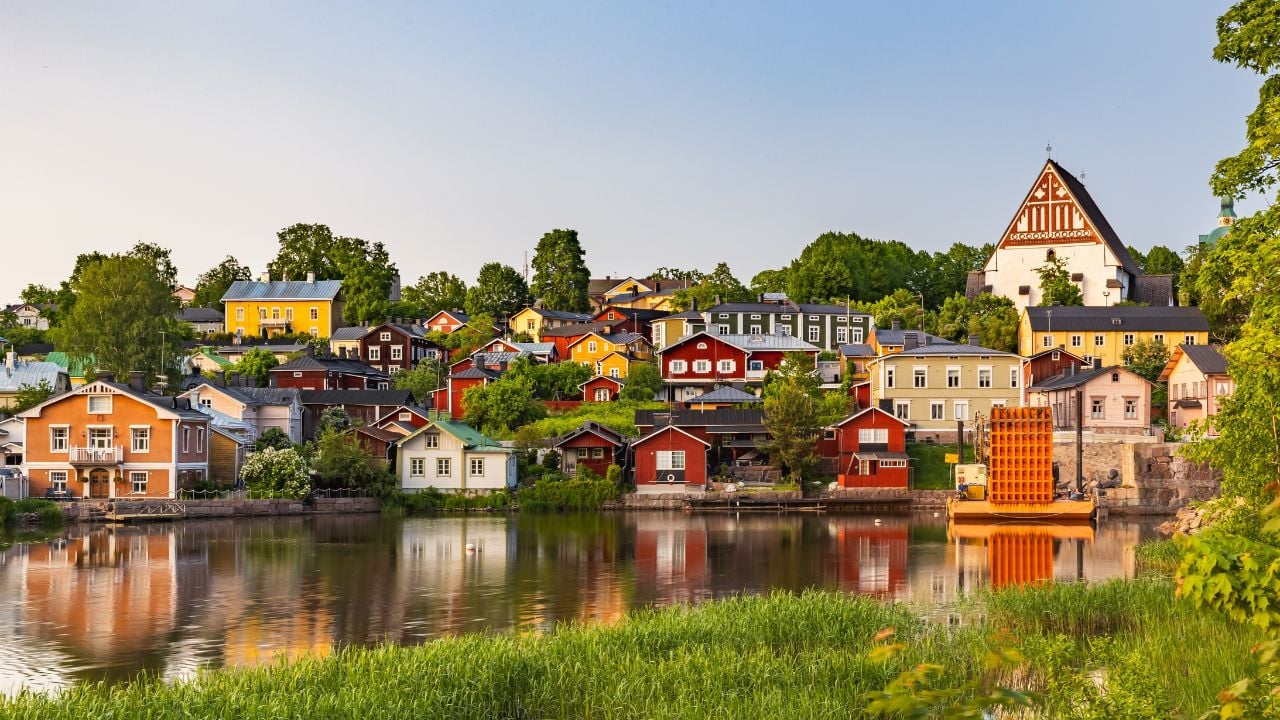
Moving somewhere with affordable medical care can change the math of everyday life faster than people expect. A lower clinic bill does not automatically make a place easy to live in, but it can remove one of the biggest stress points, especially for families, freelancers, and retirees. The important catch is that “nearly free” usually means public care is heavily subsidized for legal residents, not that every service costs zero. WHO defines universal health coverage around access without financial hardship, and that is the lens that matters here.
Another reality check before we pack the imaginary suitcase: public systems still come with tradeoffs. Co-pays, prescription charges, dental gaps, waiting lists, and regional differences can all shape your experience, even in strong systems. Europe also faces workforce shortages, which affect speed and access in many places, so smart expectations beat romantic assumptions every time.
1. United Kingdom
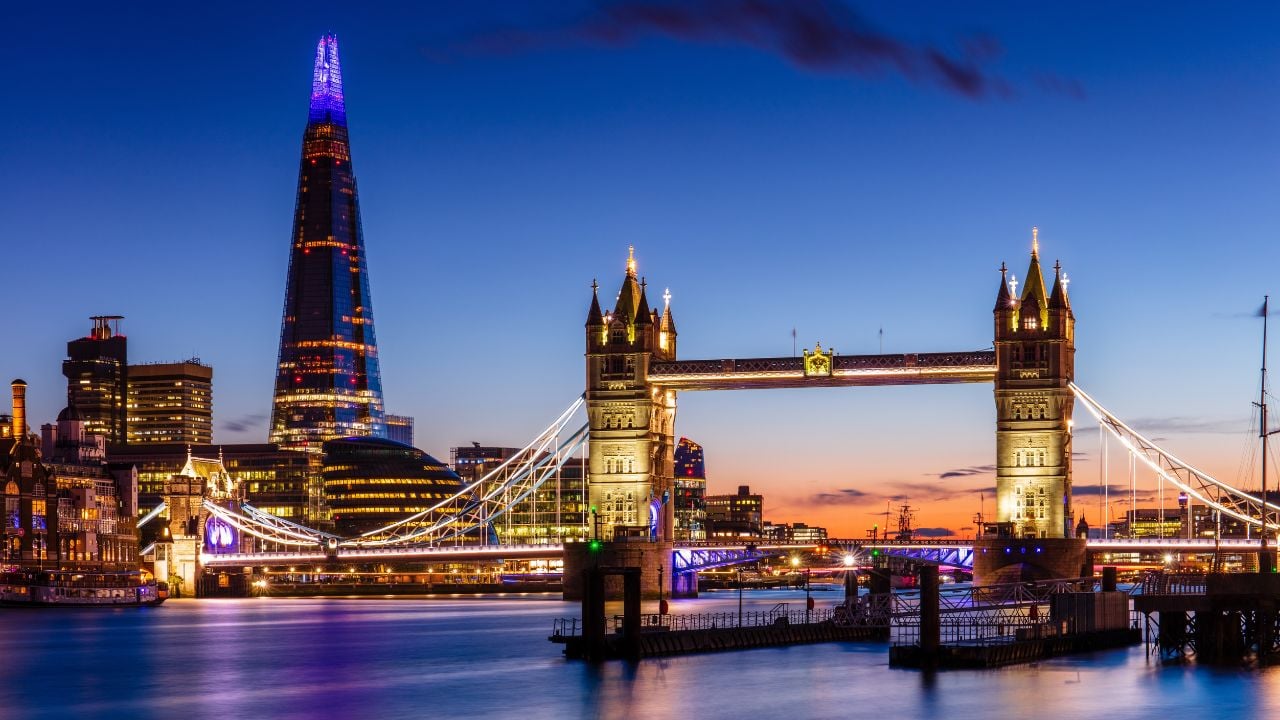
The U.K. makes this list because the core promise is still unusually strong: NHS services are free of charge except in limited circumstances set by Parliament. That principle gives residents a level of predictability many Americans find startling the first time they use it. You are not standing at the reception desk trying to decode deductible logic while feeling sick, which is a genuinely beautiful design choice.
Daily life varies widely between London, Manchester, Edinburgh, Cardiff, and smaller towns, but one shared feature is how normal it feels to have a GP as your first stop for most problems. Many newcomers supplement the public route with private appointments for faster specialist access when timing matters. The key practical note is to learn local registration steps early, because smooth access depends on being properly in the system before you need it.
2. Denmark

Denmark’s public model is funded mainly through general taxes, and most core services sit on a “covered by the system” baseline once you are legally resident and registered. Official guidance on Denmark’s state healthcare is blunt about the headline point: most public care is free at the point of use for residents, with the health card functioning as the practical key that unlocks access.
Life there often feels designed to reduce friction. Commuting by bike, reliable public services, and compact urban planning cut daily stress, which quietly improves well-being long before anyone talks about medicine. Expect a practical culture, strong digital systems, and less daily drama than many people are used to. That said, some services, such as adult dental care or certain therapies, can still involve costs, so “free” is best read as “broadly covered public care.”
3. Norway

Norway is a great example of a system that is not fully free at every visit, yet still protects people from spiraling bills. Helsenorge explains that you receive an exemption card (“frikort”) once you have paid over a certain amount in approved user fees, meaning you stop paying those fees for the rest of the calendar year. For 2026, the annual limit for approved user fees is NOK 3,278, a figure also confirmed in Helfo’s 2026 update.
Outside the clinic, Norway can feel expensive in nearly every other category, especially food, dining out, and alcohol. The tradeoff is that many people accept higher everyday prices in exchange for strong public services, safety, and extraordinary access to nature. Paperwork still matters, so newcomers should sort residency and registration early instead of waiting until the first urgent visit.
4. Sweden
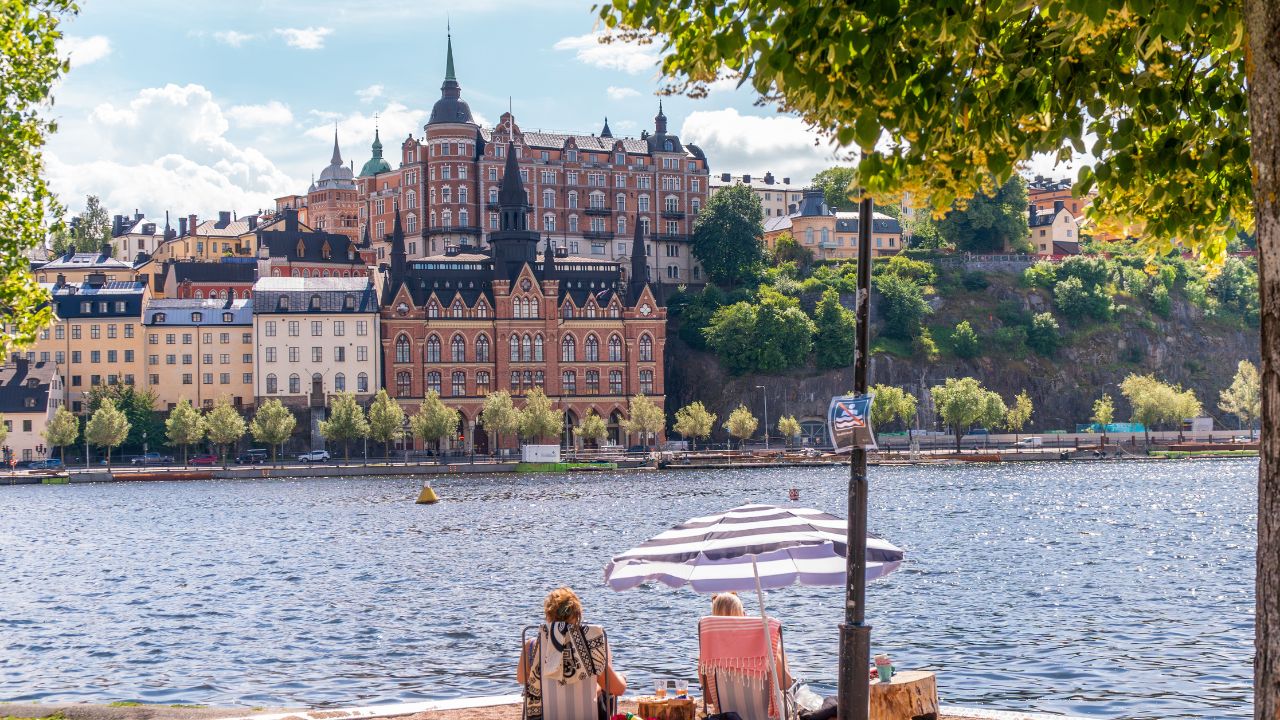
Sweden’s system is another one that works through modest patient fees plus strong caps, rather than unlimited free visits. 1177 is a practical gem, a national guidance portal that helps people figure out where to seek care and how the system works. That kind of navigation support sounds small until you need help at night with a fever and no clue which door to use.
For the money side, Sweden’s regions set patient fees, but the country uses “high-cost protection” ceilings so recurring healthcare needs don’t become a financial ambush. SKR’s patient-fee overview lays out how caps work and also notes typical inpatient charges such as per-day hospital fees. In plain English, you may pay something, but the system is designed to stop repeat care from turning into the kind of open-ended billing spiral Americans fear.
5. Finland

Finland deserves a spot because public care is generally far cheaper than private options, and official newcomer guidance makes that distinction clear. A Finnish government “Welcome to Finland” guide notes that private health services are considerably more expensive than using the public system, which is exactly why most residents lean public first.
Another useful protection is the annual ceiling on client fees in public healthcare. Public providers explain that the 2026 healthcare client fee ceiling (maksukatto) is 815 euros, after which many public healthcare services become free for the rest of the calendar year (with some exceptions such as reduced fees for short-term institutional care). Day to day, Finnish life often feels calm, clean, and highly functional, with a rhythm that rewards planning. Winter darkness is real, saunas are basically civic infrastructure, and both facts should be taken seriously.
6. Spain

Spain combines a strong public system with a lifestyle many people already dream about before they even check the visa rules. The OECD/European Observatory Spain country health profile describes a national system with virtually universal coverage that is financed mainly through taxes, which helps explain why residents can access care without the constant fear of giant invoices.
Daily life, of course, is where Spain wins hearts. Long lunches, walkable plazas, late social hours, and strong neighborhood culture can make ordinary routines feel richer than the brochure version of “Mediterranean living.” The public system is decentralized, so timing and service experience can vary by region, and prescription co-payments still apply for many people. A smart move is to learn the local health center process in your specific city instead of assuming Madrid and Málaga work the same way.
7. Iceland
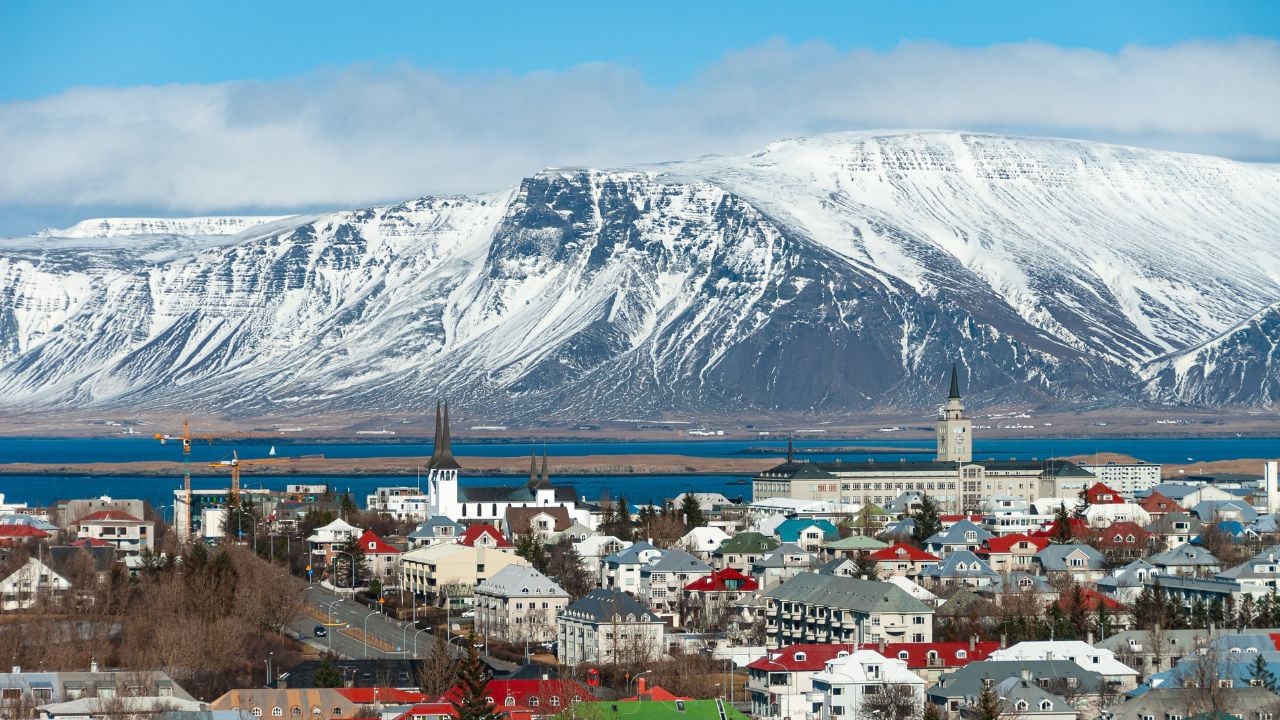
Iceland looks tiny on the map and huge on a medical bill spreadsheet once you understand the subsidy structure. Official Work in Iceland guidance says healthcare is subsidized, residents are automatically covered by Icelandic Health Insurance after six months of legal residence, and the system includes monthly maximum amounts for what people pay. That cap-based design is exactly why it belongs in a “nearly free” conversation rather than a “cash only and good luck” one.
Life there can feel cinematic, sometimes in a peaceful way and sometimes in a “the wind is trying to take my car door” way. Reykjavík offers most services, while smaller communities bring quiet, space, and a different pace, so location choice matters a lot. The same official guidance also notes special rules for non-European newcomers during the first six months, plus exceptions and details for pregnancy care and dental coverage. Translation: Excellent system, but read the fine print before you treat Iceland like a postcard with pharmacies.