Europe is full of famous places that dominate bucket lists, but many of its most unforgettable corners still sit far from the usual American travel circuit. While big cities absorb most of the attention, small villages tucked into cliffs, valleys, and mountain roads keep delivering the kind of beauty people imagine when they dream about Europe. These are places where the air feels quieter, the light lingers longer, and the scenery keeps pulling you off schedule. You arrive for a quick stop and end up staying for the atmosphere.
What makes these places special is not only the view, but the pace. Life moves differently in villages built around footpaths, fields, harbors, and church squares rather than traffic and timetables. Travelers who slow down usually get the best version of each destination, especially early in the morning or after day-trippers leave. That is when the setting stops looking like a postcard and starts feeling real. If your idea of a great trip includes texture, mood, and memorable walks rather than nonstop checklists, these villages can completely reshape your itinerary.
1. Albarracín, Spain: The Rose-Stone Ridge Town That Looks Painted by Hand
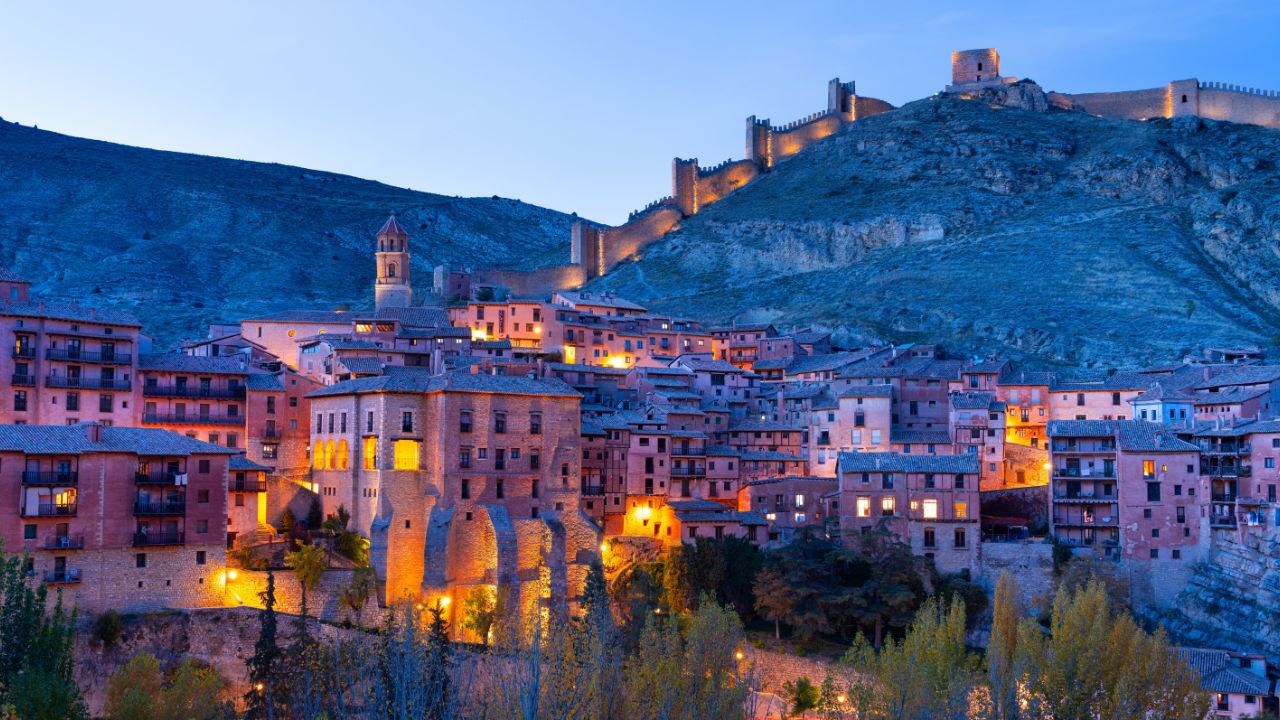
Albarracín has the kind of silhouette that makes you pull over before you even reach the center. Terracotta roofs, fortified walls, and steep lanes cling to a ridge above a river bend, creating a view that looks almost theatrical from a distance. The warm-toned stone catches morning and late-afternoon light beautifully, and nearly every angle feels camera-ready without looking staged. It is one of those rare places that feels dramatic from afar and even better once you step into it.
Once inside, the best move is simple: wander without trying to optimize every minute. The appeal lives in small turns, stairways, old wooden balconies, and sudden openings toward the valley. A quick visit can still be rewarding, but an overnight stay gives you the quieter version, when the streets breathe and the village feels less like a sight and more like a lived-in world. Albarracín rewards curiosity more than checklists, and it is one of those places where getting a little lost is usually the right plan.
2. Piódão, Portugal: A Mountainside Village That Seems to Rise Out of the Rock
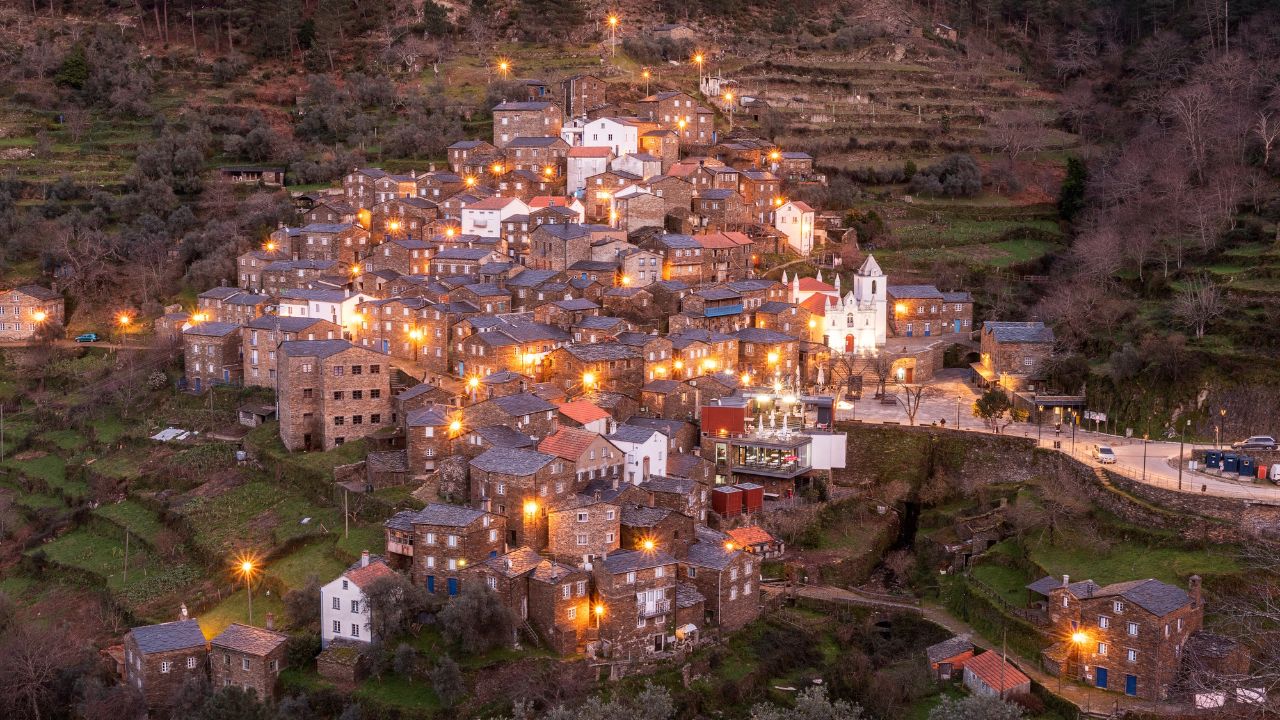
Piódão sits deep in the highlands of central Portugal, and its setting does a lot of the work before you even arrive. Schist houses climb the slope in tight layers, making the whole settlement look as if it grew out of the mountain itself. Blue-painted doors and window frames cut through the dark stone in a way that feels both practical and striking. Seen from a distance, the village can look almost unreal, especially when the light softens and the hillside begins to glow.
The road in is part of the experience, so timing matters. Arriving in daylight is the smart move, because the mountain curves are beautiful but demanding after dark, especially if you are not used to narrow roads. Once you settle in, the atmosphere is calm, remote, and deeply scenic, with a completely different mood from Portugal’s coastal favorites. Piódão is ideal for travelers who enjoy a detour that feels earned, and for people who do not need a packed attractions list to feel like they found something special.
3. Civita di Bagnoregio, Italy: The Cliff Village That Turns the Arrival Into Theater
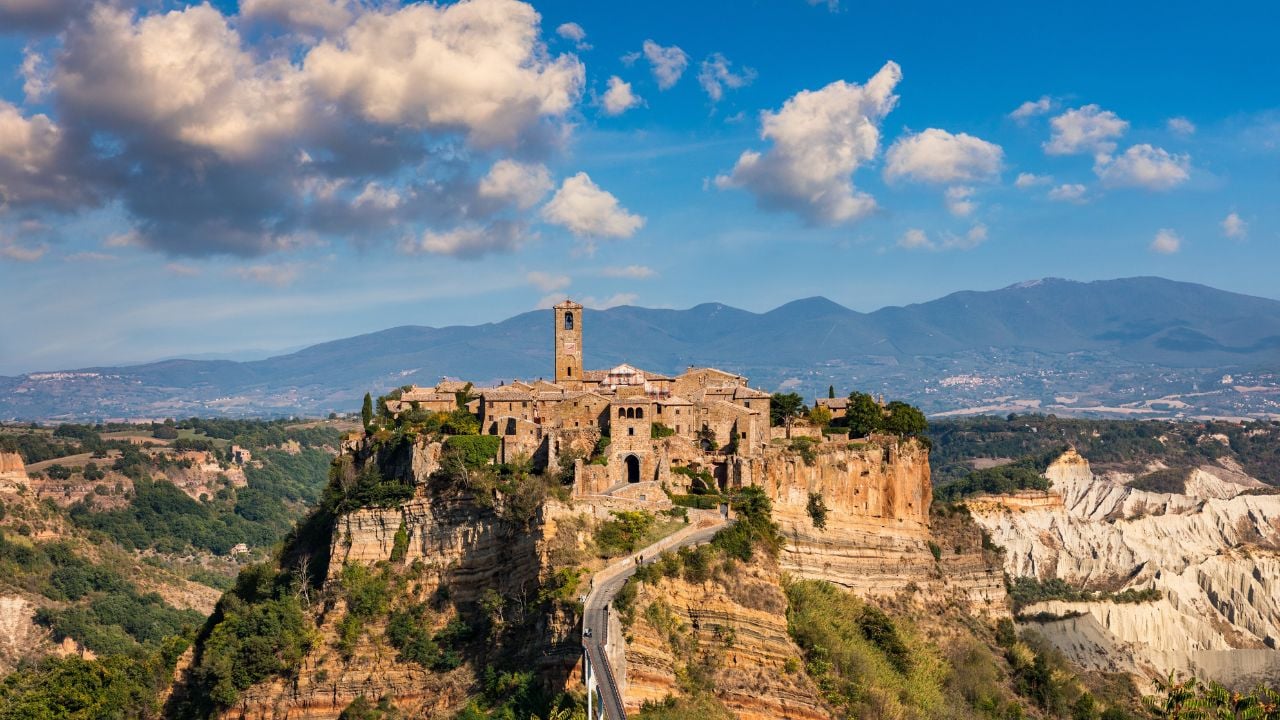
Civita di Bagnoregio does not wait until the first lane to impress you. The approach creates suspense on its own, with the village perched high on fragile terrain and reached by a long pedestrian bridge that makes every step feel cinematic. Wind, stone, and open sky do much of the storytelling before you even enter the gate. The setting feels exposed, dramatic, and unforgettable in a way that photographs only partly explain.
This is a place to absorb slowly, not rush through for one hero shot. The real pleasure comes from lingering at viewpoints, drifting into side alleys, and watching the surrounding landscape shift as the light changes. Comfortable shoes matter, but patience matters more, because Civita reveals itself in layers. It can be seen quickly, yes, but it only begins to feel memorable when you stop treating the bridge as the main event and give the village time to settle around you.
4. Rastoke, Croatia: Where Waterfalls Run Straight Through the Village
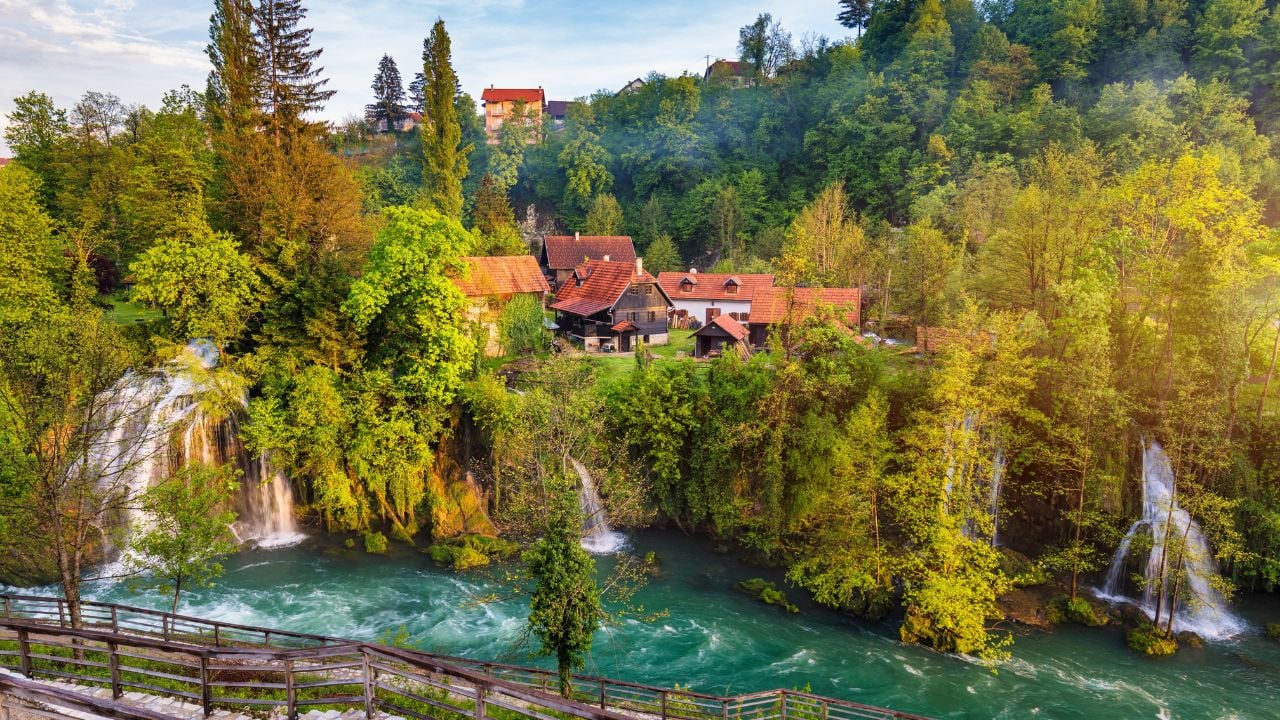
Rastoke changes the visual rhythm of this list in the best possible way. Instead of hilltop drama, you get flowing water, old mills, wooden bridges, and houses woven into a network of cascades and channels. The place feels alive from the first minute because sound is part of the scenery. You do not just see it, you hear it constantly in the background, which gives the village a different kind of presence than quieter stone settlements.
Many travelers treat Rastoke as a short stop on the way to bigger names, and that is a missed opportunity. A slower walk lets the village unfold through textures, mist, movement, and little details tucked beside the streams. Early hours are especially rewarding, when the paths are calmer and the place feels more intimate. Rastoke works best when you treat it as a destination with its own mood, not as a quick photo break before the main stop.
5. Hollókő, Hungary: The Storybook Street That Still Feels Like a Real Community
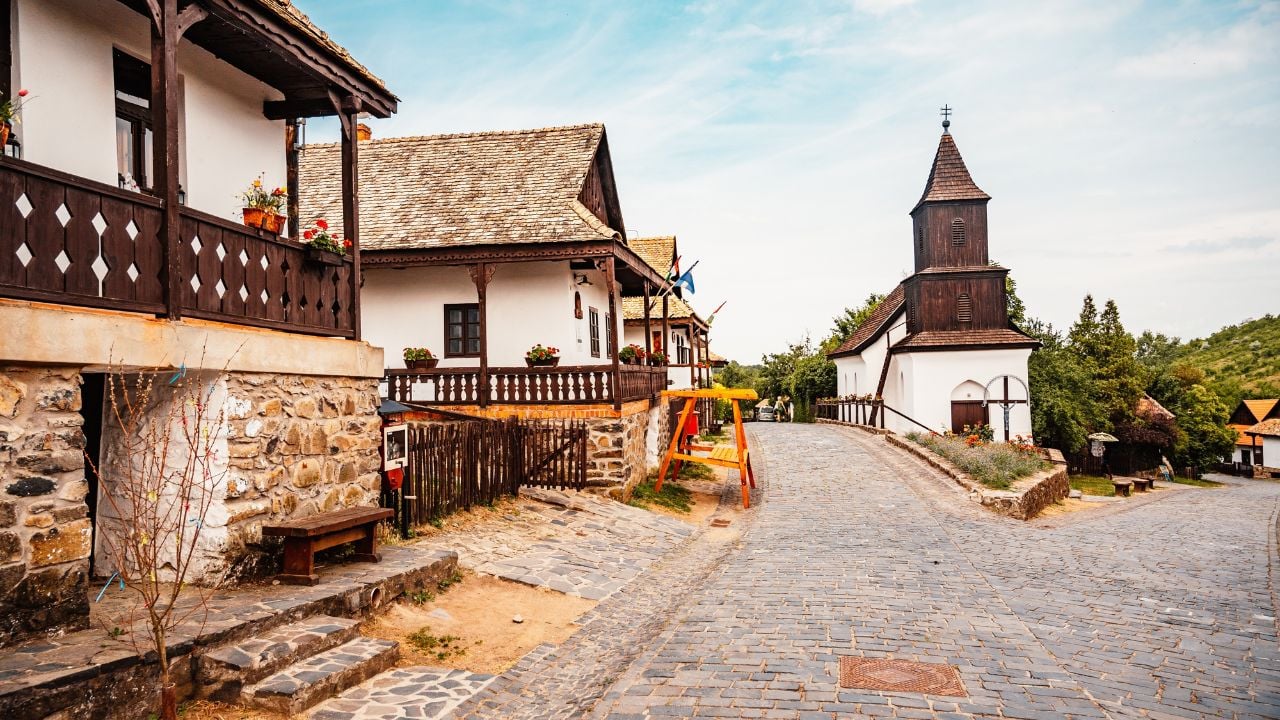
Hollókő has the charm people hope for when they search for an old European village, but it does not feel like a set. Traditional homes, quiet lanes, and a strong sense of continuity give it warmth that goes beyond surface beauty. As a UNESCO World Heritage site, it looks preserved, yet it is still inhabited, and that balance is exactly what makes it memorable. The appeal is not only architectural, but also the way the whole place holds together as a lived environment.
The most satisfying visit happens when you stop trying to cover it and simply settle into the pace. Walk slowly, pay attention to textures, and let the surrounding landscape become part of the experience instead of focusing only on the central street. A day trip is possible, but extra time adds depth and makes the village feel less like a curiosity and more like a place with its own rhythm. Hollókő tends to leave a stronger impression on travelers who show up with patience.
6. Čičmany, Slovakia: The Painted Wooden Village With a Personality All Its Own
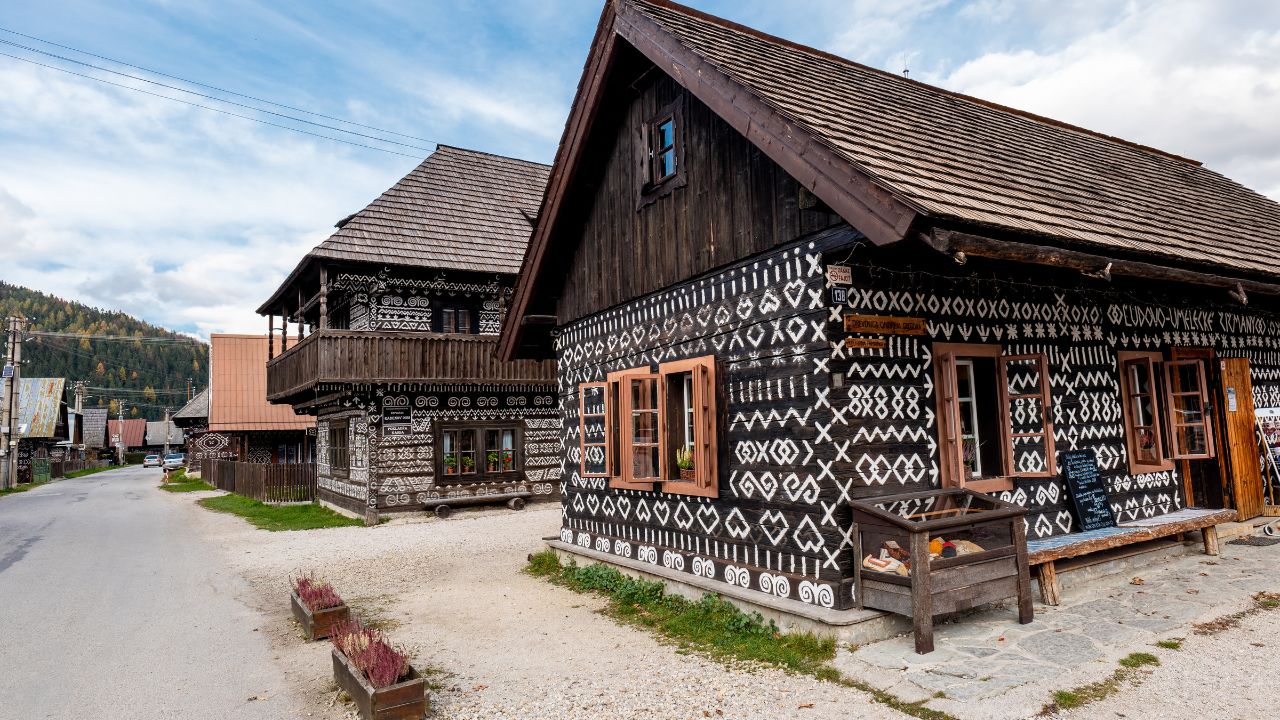
Čičmany makes an immediate first impression because the houses are unlike almost anything else in the region. White geometric patterns spread across dark wooden façades, turning simple homes into folk art you can walk past. The contrast is bold and distinctive, yet the village still feels grounded rather than theatrical. It is compact, easy to explore on foot, and full of visual personality from the first few minutes.
That small scale is part of the appeal, because it invites slower looking. You do not need a long checklist here, only enough time to walk, look closely, and notice craftsmanship in the details. Čičmany works especially well as part of a broader road trip through Slovakia, when you want a stop that feels genuinely different from castles, cities, and mountain viewpoints. It is the kind of place that proves a village can be memorable without being huge or crowded.
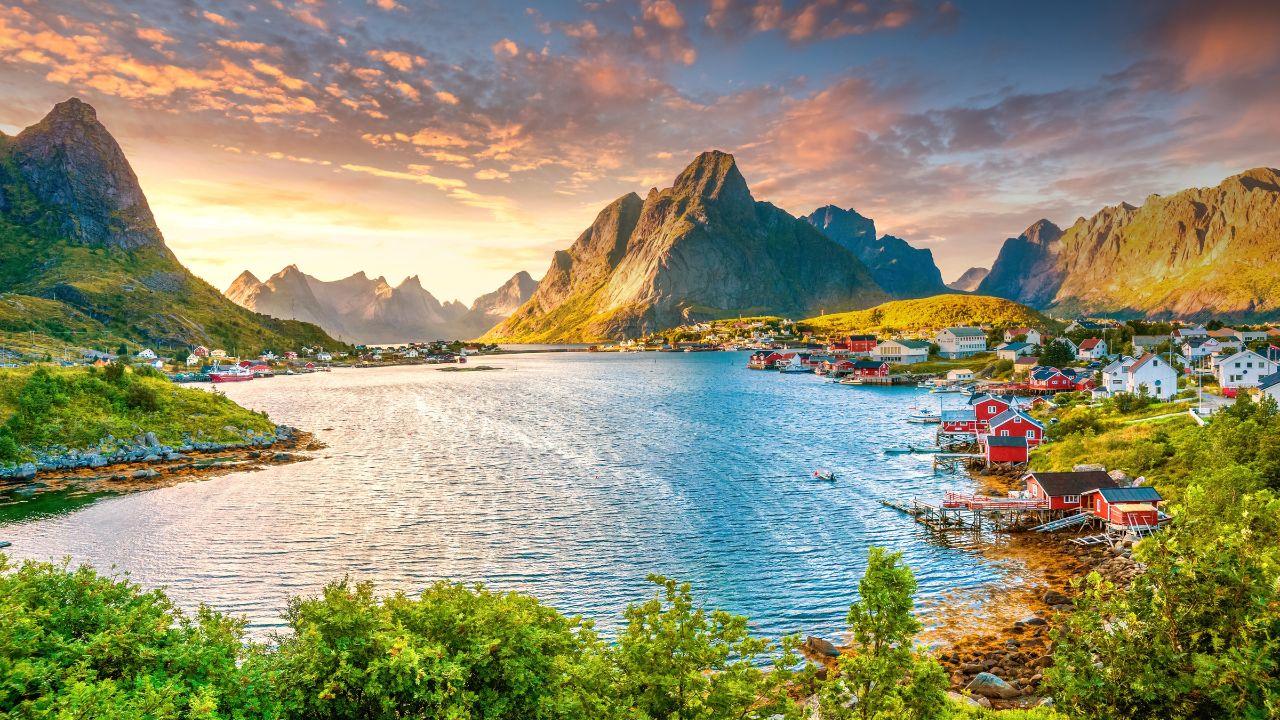
7. Reine, Norway: The Lofoten Village That Looks Impossible in Real Life

Reine delivers pure northern drama from every direction. Jagged peaks rise straight from the water, red cabins punctuate the shoreline, and narrow roads curve across islands linked by bridges. The whole setting looks cinematic, especially as the light shifts hour by hour and weather rolls through quickly. Even seasoned travelers tend to stop and stare here, because the scale and contrast feel almost too precise to be accidental.
For all that visual impact, Reine is still a working community, and visiting well matters. Small places feel pressure quickly when crowds arrive, so simple habits like proper parking, quiet behavior, and patience on narrow roads make a real difference. The best experience comes from combining awe with respect and giving the place room to function normally. Reine offers a huge payoff, but it asks for good manners in return, which is a fair trade in a village this striking.
8. Theth, Albania: A Wild Alpine Escape That Feels Far From Everything
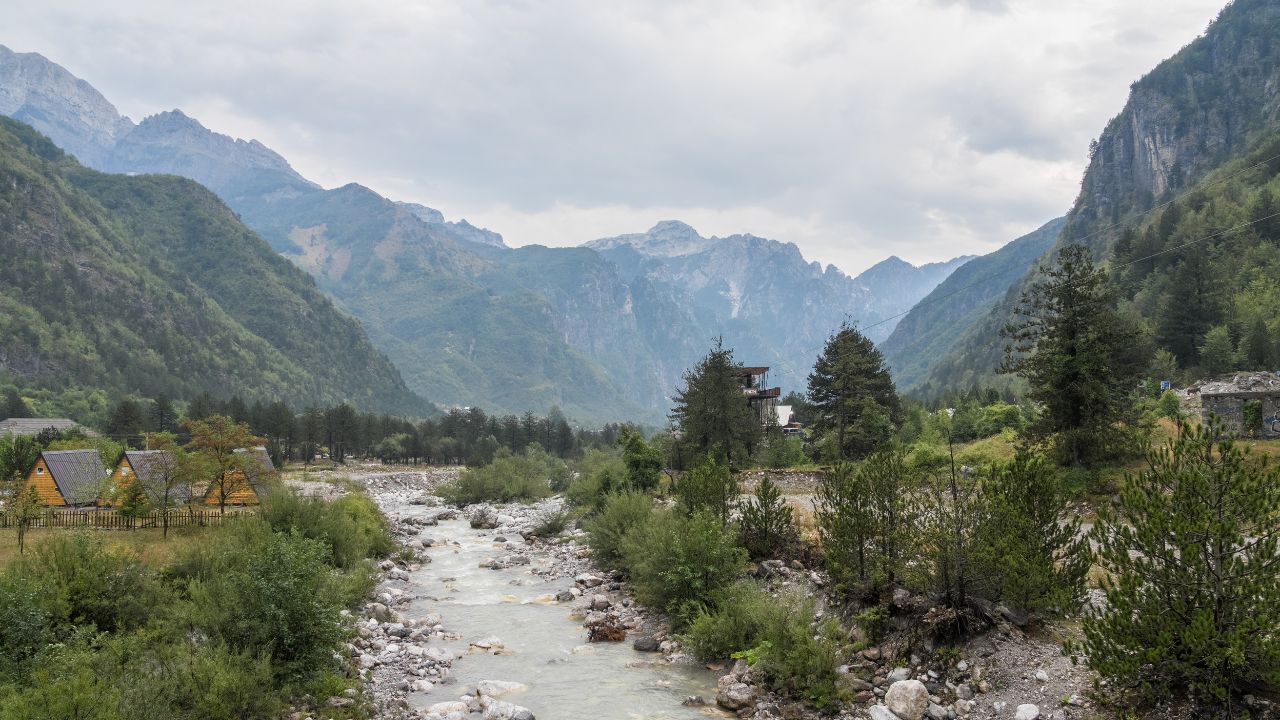
Theth has a raw, open beauty that lands differently after cities and coastlines. Set in the Albanian Alps, it brings together steep peaks, broad skies, and a village atmosphere shaped by isolation and mountain life. The scenery feels powerful rather than polished, and that is exactly why it stays with people. This is not the kind of place that tries to charm you immediately with neat façades and café corners. It wins you over with scale, air, and the feeling of being somewhere genuinely remote.
It also rewards flexibility more than strict scheduling. Weather, road conditions, and hiking plans can shift the pace of your stay, so traveling well here means leaving room for change. Give Theth a little breathing room and it returns the favor with a deeper experience, whether that means a slower walk, an extra night, or an unplanned quiet morning in the valley. Some places impress you on cue. Theth tends to reset your sense of distance and time.
9. Viscri, Romania: The Quiet Transylvanian Village That Wins You Over Slowly
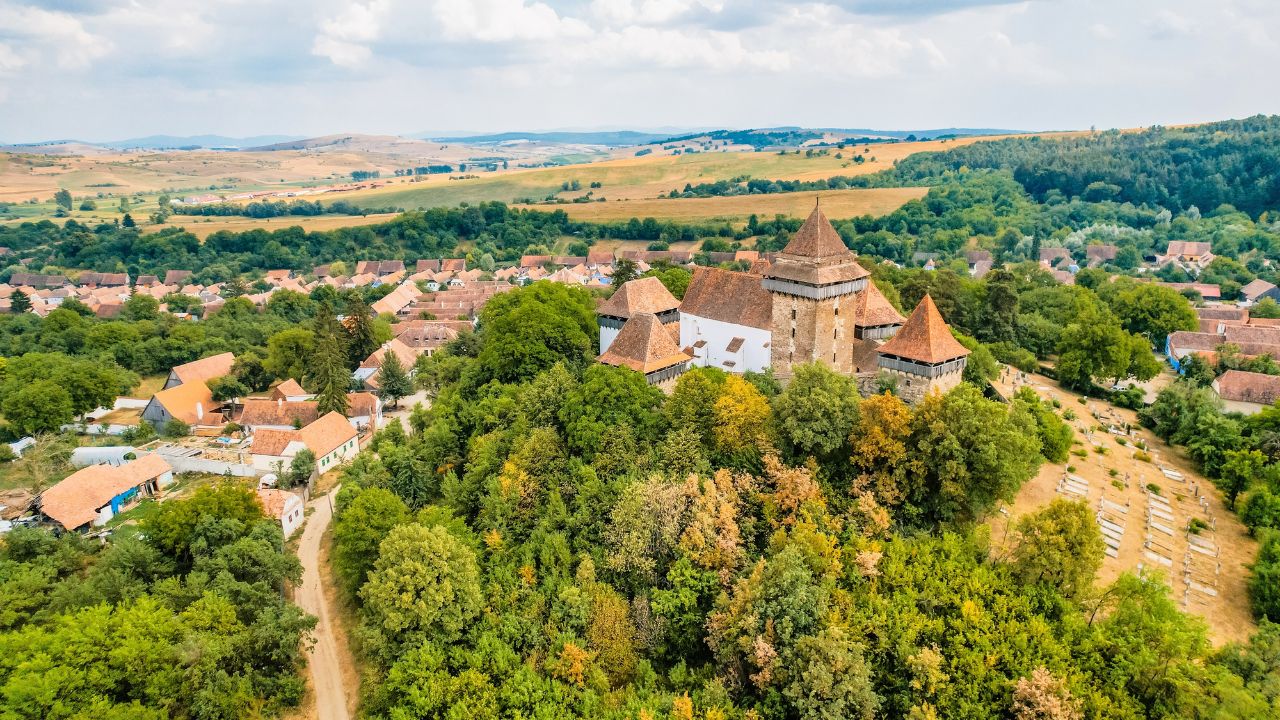
Viscri does not rely on instant spectacle, and that restraint is part of its charm. Broad lanes, old houses, pastoral surroundings, and a fortified church landscape recognized by UNESCO create a setting that feels steady, layered, and deeply rooted. The beauty builds gradually as you move through it, which makes the experience more lasting than places that deliver everything in the first two minutes. By the end, the atmosphere is usually what people remember most.
The best approach here is a calm one. Walk slowly, keep your voice low, and let the village reveal itself without forcing a perfect photo hunt. Viscri rewards attention and patience more than speed, especially if you spend time noticing the details that make rural places feel alive rather than curated. It is subtle, and subtle places often become the ones you think about longest after the trip is over.
Final Note for Travelers
The real secret to enjoying villages like these is not only finding them, but knowing how to move through them. Start early, stay longer when possible, and leave room for detours and weather shifts. Small places give back the most when visitors arrive with curiosity, patience, and a little humility.
Europe still has corners that can feel like discoveries. These villages offer more than a photo, they offer mood, rhythm, and the kind of atmosphere that can reshape a trip.