

Ontario Premier Doug Ford has sparked a firestorm of debate with his blunt remarks to students about post-secondary education choices following sweeping cuts to the Ontario Student Assistance Program (OSAP).
Speaking at Queen’s Park, Ford told students they should focus on courses that lead to in-demand jobs, such as healthcare, trades, or STEM fields, and to avoid what he called “basket-weaving courses.”
For students eyeing careers in the automotive sector—whether in mechanical engineering, robotics, or advanced manufacturing—the changes to OSAP carry particular weight.
These programs often require significant investment in specialized training and technology, meaning the sharp reduction in grant support could make it harder for aspiring automotive professionals to afford the education needed to enter the industry.

The comments come on the heels of a major overhaul of OSAP announced by Ontario’s Minister of Colleges and Universities, Nolan Quinn. Starting this fall, the maximum amount of OSAP funding available as non-repayable grants will drop from 85 percent to 25 percent.
For many students who relied heavily on grant money to cover tuition and living costs, this reduction could dramatically increase their debt burden.
Ford Defends Cuts; Students Call Remarks ‘Shocking’ and Out of Touch
Ford defended the cuts by emphasizing taxpayers’ expectations. He said students must choose educational paths that align with sectors facing labor shortages and high demand. He cited trades, healthcare, and STEM-related programs as areas where graduates are likely to find stable employment.
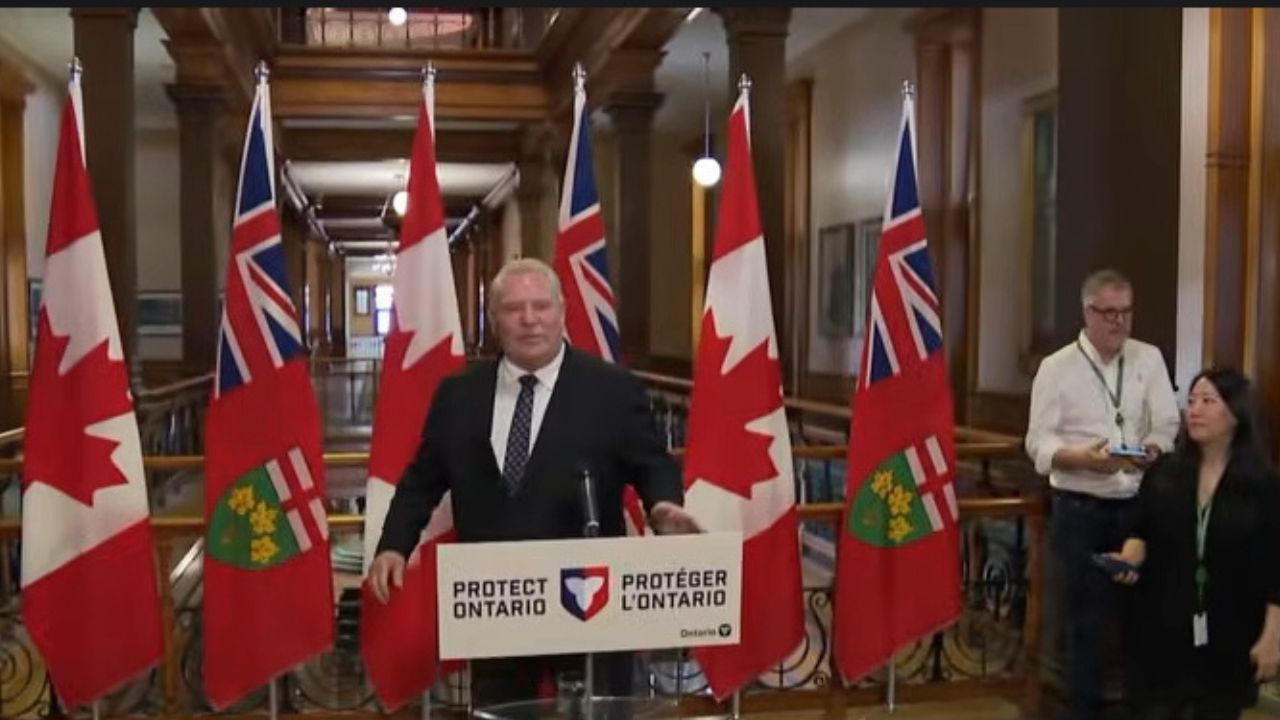
Ford also referenced anecdotal cases in which students allegedly misused their OSAP funds, purchasing luxury items rather than investing in their education.
While Ford’s intentions may have been framed as a call for pragmatism, many students and observers see his comments as dismissive. Omar Nusir, a second-year medical sciences student at Western University, described Ford’s advice as “shocking.”
Nusir points out that fields identified as high demand often carry the highest tuition costs. For students from low-income backgrounds, following Ford’s guidance could push them into deeper debt.
“I come from the Middle East. My family has a modest income,” Nusir explained. “OSAP grants were a significant part of how I could attend university. With the cuts, pursuing medical school may become financially impossible.”
Nusir also highlighted the broader impact on students’ personal commitments. With more money required for tuition, many may be forced to scale back on community volunteering or part-time jobs that contribute to their career development.
The Automotive Angle: High-Tech Careers at Risk
For students hoping to enter the automotive sector, the recent OSAP changes and the Premier’s comments introduce a complicated reality.
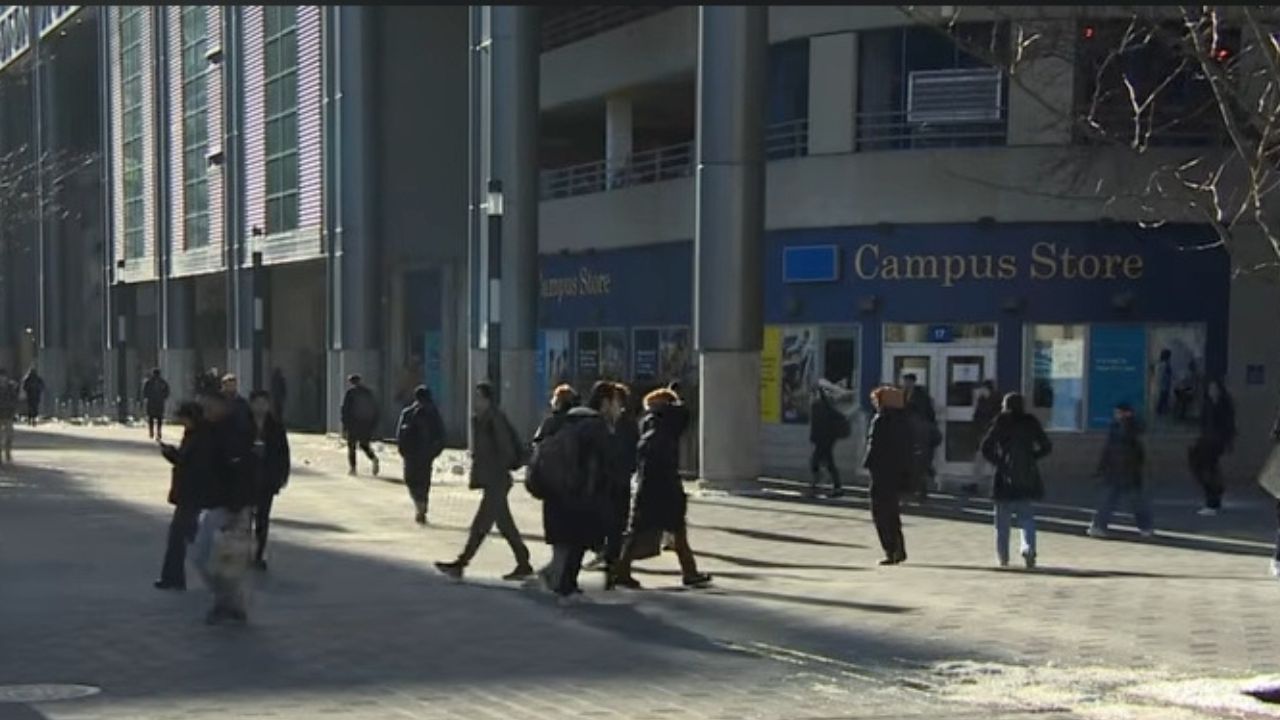
Ford expects students to pursue fields linked to high demand jobs, but the reduction in OSAP grants could make many of those exact career paths harder to access.
Automotive careers increasingly require specialized education. Fields such as mechanical engineering, electrical engineering, software engineering, robotics, and data science are central to the modern auto industry.
The transition to electric vehicles, autonomous driving technology, and connected mobility means the industry now demands graduates with advanced technical skills rather than only traditional mechanical knowledge.
Consequently, programs tied to those skills are often among the most expensive degrees offered at Canadian universities. Engineering programs frequently involve higher tuition, specialized lab fees, and demanding course schedules that limit students’ ability to work part time.
When OSAP grants fall from a potential 85 percent of aid to just 25 percent, the financial burden shifts dramatically toward loans.
A Talent Pipeline at Risk? The Impact on Ontario’s Auto Industry

That shift may discourage some lower income students from pursuing automotive engineering or related technical degrees. Instead of focusing on innovation roles in vehicle design, battery technology, or automotive software, some students may feel pressured to choose shorter or less costly programs.
This could unintentionally reduce the pipeline of talent entering industries that governments themselves often describe as critical to future economic growth.
There is also a geographic dimension. Ontario remains the center of Canada’s auto manufacturing industry, home to plants operated by marques like Ford Motor Company, General Motors, and Stellantis. These manufacturers increasingly rely on engineers, software specialists, and advanced manufacturing experts.
If financial aid shrinks while technical programs remain costly, the result could be fewer students entering the highly skilled roles needed to support the industry’s next phase. In that sense, the OSAP revision may collide with the same future-focused workforce goals that Ford says students should pursue.
Targeted Grants Exist, But Critics Say They’re Not Enough
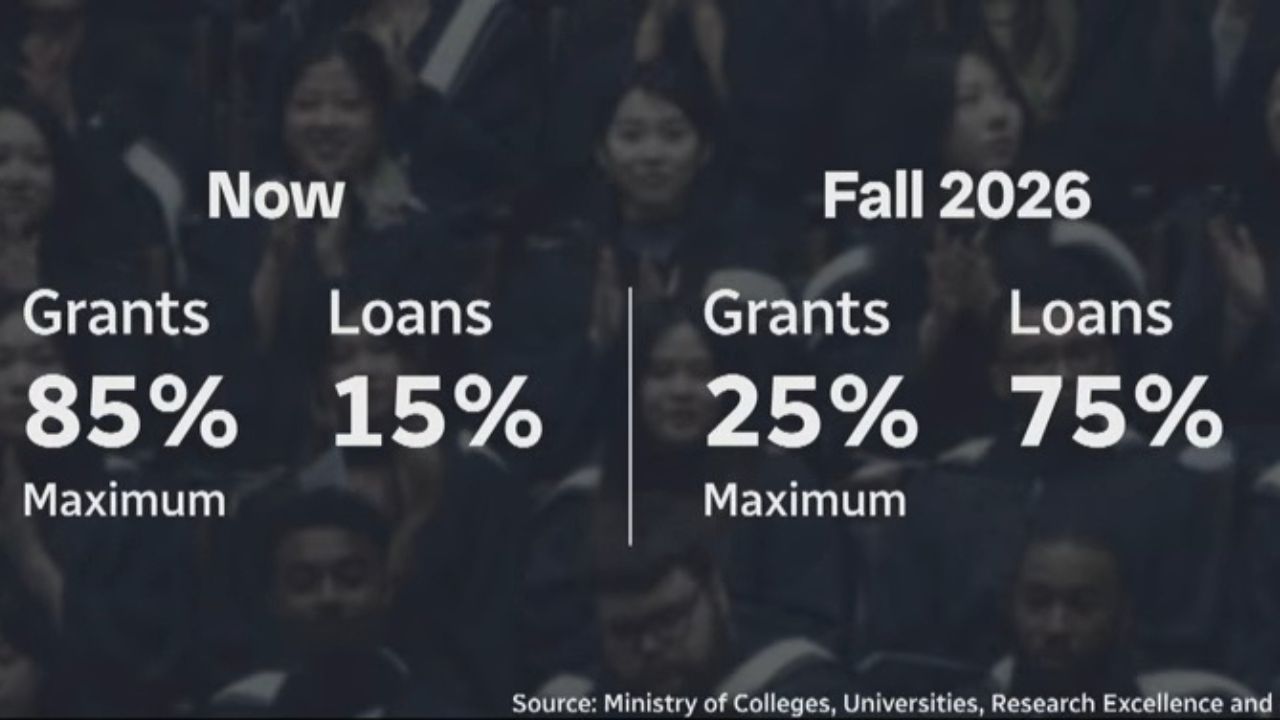
It may be argued that while the government is providing billions in new funding to colleges and universities and lifting a long-standing tuition freeze, the cuts to grant funding undermine the affordability of post-secondary education.
The new funding model shifts a larger share of the cost burden onto students, leaving them more reliant on loans and long-term repayment.
The Ford government has attempted to mitigate some of these concerns with targeted programs, such as the Learn and Stay grant introduced in 2023. This initiative offers additional funding to students in priority programs, including nursing and medical training, but eligibility is markedly conditional.
For instance, medical school students must agree to work in family medicine after graduation and take on a full roster of patients to receive assistance.
Despite these targeted programs, the debate over OSAP funding demand answers to questions about the balance between student choice and labor market priorities. Should students feel pressured to pursue fields deemed economically valuable at the expense of personal interest or talent?
And how can policymakers ensure that students from diverse socioeconomic backgrounds are not left behind in the transition to a new funding model?
A Generational Divide Over the Purpose of Education
The conversation ignited by Ford’s comments also underscores a generational tension in perceptions of education and career paths. Where older generations may prioritize financial practicality, many students view higher education as a space for exploration, personal growth, and the pursuit of passion.
In that light, the reduction in grant support is not just a financial issue; it challenges the very notion of who can afford to pursue their chosen career paths.
As students across Ontario grapple with the immediate impact of OSAP cuts, the government’s approach remains controversial. While some support Ford’s push for alignment with labor market demands, others see a widening gap between government policy and the lived realities of students navigating tuition, debt, and career aspirations.
Editorial Note: Video playback may be limited or restricted on certain platforms. If you are unable to watch the video here, please visit our main website and search the article’s title, where full playback will be available.