
More than a decade after it detonated a crisis that reshaped the automotive industry, the Dieselgate scandal involving Volkswagen AG has taken on a new twist on the European legal stage.
French prosecutors have now formally ordered the company to face a criminal trial in Paris over allegations tied to emissions‑cheating software installed in millions of diesel vehicles around the world.
People in America who remember the scandal breaking in 2015 when regulators in the United States exposed the emissions fraud, this development shows that Dieselgate’s legal aftershocks are still unfolding.
Apparently, a seemingly closed chapter for Volkswagen is now reopening in ways that could again impact the company’s finances, reputation, and global legal exposure.
French Prosecutors’ Gripes
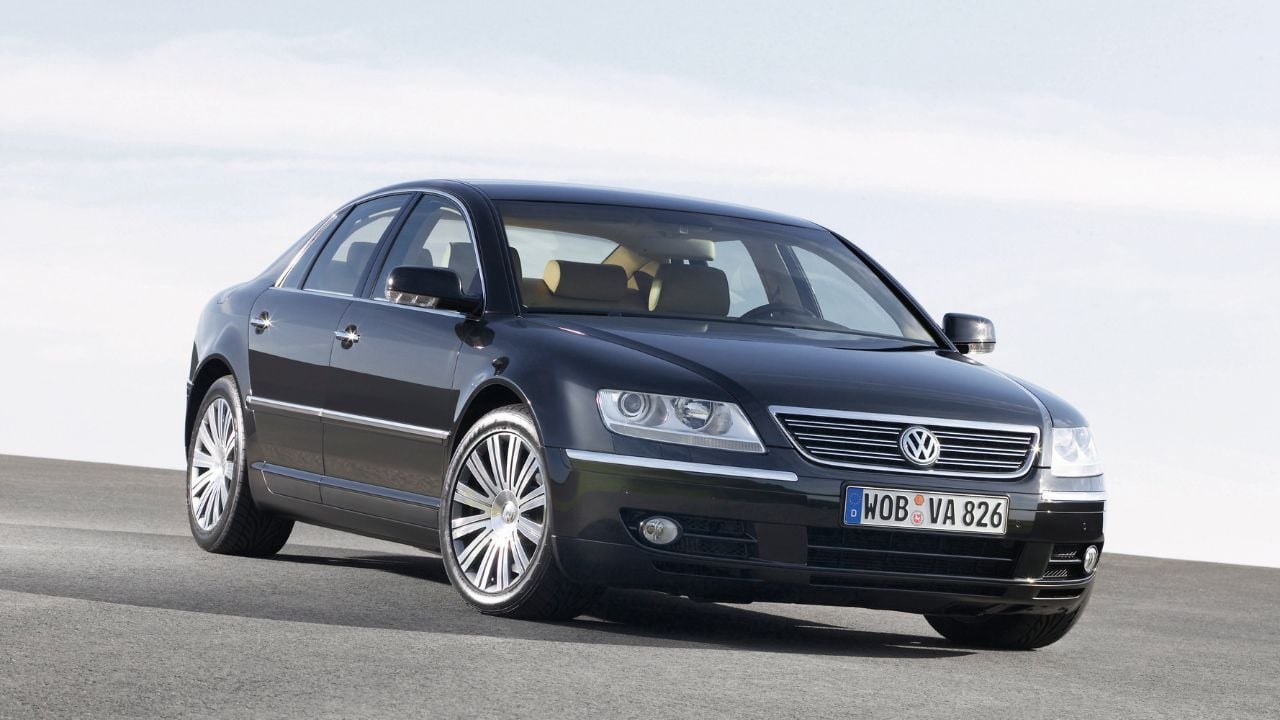
The case in France centers on charges that Volkswagen engaged in deception and the sale of goods that posed a danger to human and animal health by installing software that manipulated emissions figures during official testing.
That software allowed diesel engines to emit nitrogen oxides (NOx) at levels far above legal limits when driven in real world conditions while still passing laboratory emissions tests. French authorities allege this constituted fraud and harmful conduct under their criminal code.
Judges in Paris have now referred the matter to the tribunal correctionnel, the French criminal court, on grounds of “tromperie.” The next major procedural step is a hearing to set a trial date, currently scheduled for December 18, 2026, with formal criminal proceedings unlikely to begin before 2027.
In addition to Volkswagen, Paris prosecutors have also sought similar criminal cases against other automakers including Peugeot‑Citroën, Renault, and Fiat Chrysler in connection with similar emissions‑related issues in France.
It’s Been a Decade After Dieselgate
Dieselgate first exploded in late 2015 when regulatory authorities in the United States discovered that VW had equipped roughly 11 million diesel vehicles worldwide with what came to be known as defeat devices.
Those devices automatically altered engine performance during emissions tests, reducing NOx output on paper but allowing heavily polluting performance under regular driving.
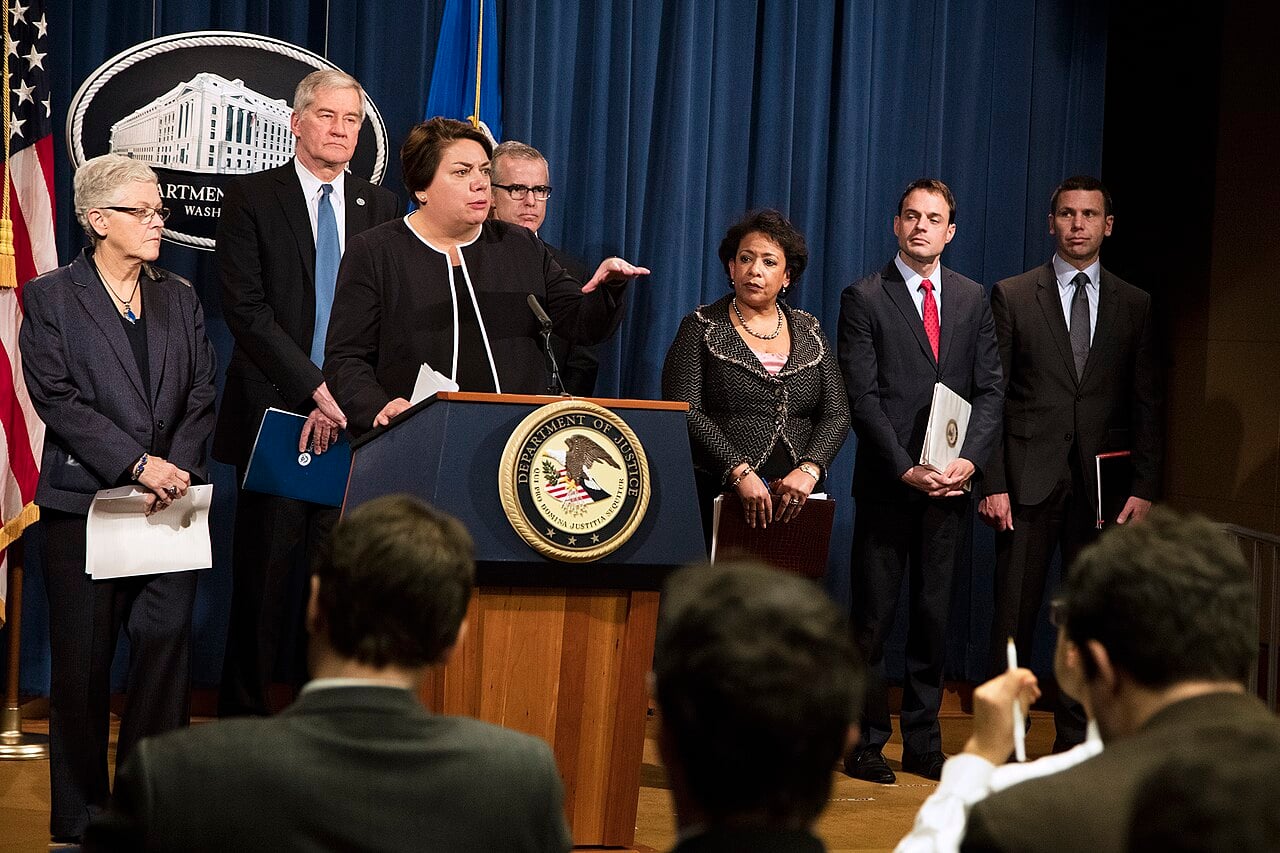
The scandal triggered an immense wave of legal, financial, and regulatory repercussions globally. In the US alone, Volkswagen agreed to pay billions in fines, consumer settlements, and environmental mitigation programs after pleading guilty to criminal charges.
In Europe, regulators and courts pursued civil and consumer claims, but criminal prosecution at a national level had been limited — until now.
Volkswagen contends that legal actions in France are inadmissible on grounds that the group has already been sanctioned for the same facts in other jurisdictions, including Germany and the United States. Company statements argue that French consumers suffered no compensable loss from the sales of diesel vehicles subject to the emissions issues.
French prosecutors disagree, insisting the French case is complementary rather than duplicative, and that the alleged deception affected hundreds of thousands of owners and contributed to environmental harm.
The Aftermath
The fallout from Dieselgate reshaped diesel’s reputation worldwide. In the United States, diesel passenger vehicles were already a niche, but the scandal hastened their decline. The fuel’s share of light‑vehicle sales dropped sharply, and manufacturers pivoted toward electrification and other powertrain technologies in response.
Meanwhile in Europe, where diesel vehicles once dominated passenger car sales, regulators tightened emissions testing with real‑world driving emissions standards and introduced stricter approvals regimes. Efforts to curb urban air pollution accelerated, in part driven by the public health concerns raised by the scandal.
The French case could be seen by legal circles as a notable shift in how authorities pursue corporate environmental wrongdoing. Criminal prosecution against a major automaker for emissions deception sends a signal that regulatory and justice systems may be less willing to settle such matters through fines alone.
Now What?
Thanks to the French, the most newsworthy milestone in the Dieselgate saga may still be ahead. The December 2026 hearing in Paris will set the stage for a potential 2027 trial that could compel Volkswagen to face criminal liability in a major Western European market.
Depending on the outcome, the case might lead to penalties, settlements with thousands of civil claimants, or even changes in how emissions compliance is policed across the industry.
For US audiences, the story demonstrates just how the global automotive ecosystem is interconnected. Regulatory failures and corporate misconduct in one region can resonate far beyond national borders and continue to shape policy, consumer trust, and legal accountability years later.
Sources: Médias24, Boursorama