
Most people picture Manhattan penthouses or Silicon Valley stock options when they hear “wealthiest.” That image makes sense, because New York and California hold enormous pools of money, talent, and global brands. Yet “wealthiest state” depends on the yardstick you pick, and the numbers can flip the storyline fast.
Use a practical metric like median household income, and the winner is neither coastal giant. In the newest state-by-state snapshot from the U.S. Census Bureau’s 2024 American Community Survey, one smaller state sits at the top of the heap.
1. The Surprise Winner: Massachusetts

In the Census Bureau’s 2024 ACS, Massachusetts posted the highest median household income among states at $104,828. New Jersey ($104,294) and Maryland ($102,905) sit in the same top cluster, and the Census Bureau notes those three are not statistically different from one another.
Washington, D.C., comes in even higher at $109,707, but it is not a state, so it does not take the “state” crown. The headline takeaway stays simple: when you measure the typical household rather than the flashiest ZIP code, the Bay State edges out the usual suspects. That is the kind of stat that makes people look twice at the map.
2. The Yardstick That Changes Everything

New York and California dominate plenty of rankings, especially those tied to sheer economic size. The Bureau of Economic Analysis consistently shows both states at or near the top for total state GDP. But a giant economy can coexist with a lower statewide median because “total output” and “typical household income” measure different things.
Per capita personal income tells a similar story. According to the BEA’s state personal income tables, Massachusetts ranks near the top nationally on a per-person basis, while New York and California post strong but slightly lower figures. When you zoom out from celebrity wealth and focus on averages across millions of residents, the hierarchy shifts.
3. Where the Money Comes From

High earnings in Massachusetts are not built on one industry trick. The state’s official economic profiles from Massachusetts’ Executive Office of Housing and Economic Development highlight a mix that includes life sciences, biotech, medical devices, finance, higher education, information technology, and advanced manufacturing.
That diversity matters. When one sector cools, another often keeps hiring, which helps steady household income across cycles. The Boston–Cambridge corridor in particular draws global capital and research partnerships, creating a steady pipeline of technical and professional roles. Even outside the urban core, satellite regions benefit from the same network effect of labs, hospitals, and spin-offs.
4. The Talent Flywheel

Education is the quiet engine humming under the hood. Census data show Massachusetts consistently ranks near the top for educational attainment, and FRED’s ACS-linked series tracks the share of adults with a bachelor’s degree or higher, reflecting that strength in official survey data.
Research funding adds another layer. Institutions like Harvard University and MIT anchor a dense research ecosystem that attracts federal grants, private investment, and global talent. The effect works like a flywheel: talent draws capital, capital funds startups and labs, and competition for skilled workers pushes wages higher. None of this makes housing cheap, but it does help explain the state’s consistent prosperity.
5. The Catch: High Earnings Do Not Mean Low Prices
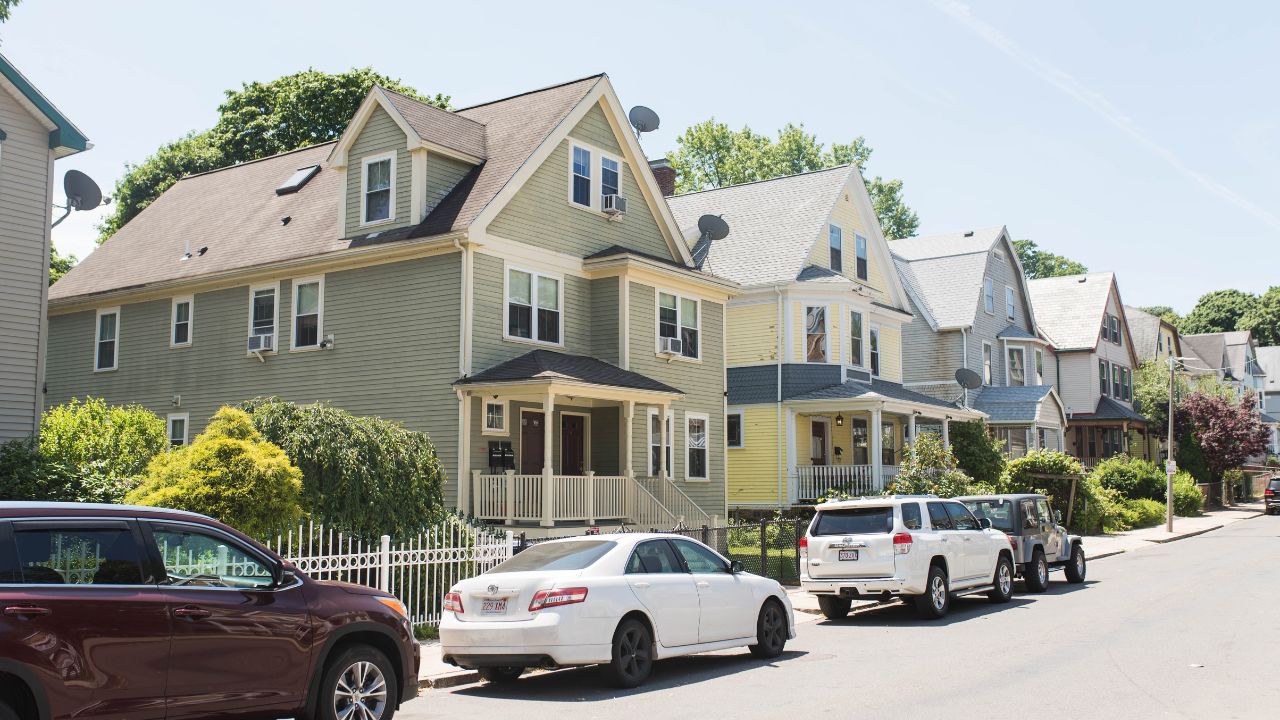
Here is where the plot thickens. High-income rankings do not automatically translate into easy day-to-day living, especially around Greater Boston. Data from the Zillow Home Value Index regularly show Boston-area home prices well above the national median, reflecting sustained demand in a tight housing market.
That tension is why “wealthiest” can feel misleading on the ground. Visitors see polished neighborhoods and packed museum calendars, then feel the sticker shock at hotels and parking. The state can top income charts while still feeling expensive in the exact neighborhoods travelers explore.
6. What Travelers Notice on the Ground

Wealth shows up in small, tangible ways. Public spaces tend to be well maintained, historic districts receive careful preservation, and the museum and performing arts scene punches above the state’s size. Institutions like the Museum of Fine Arts, Boston, and the Boston Symphony Orchestra anchor a cultural calendar that feels dense for a state of its population.
Food culture mirrors the local economy. Seafood shacks share blocks with serious bakeries and high-end tasting menus fueled by a steady professional lunch crowd. Drive an hour, and the mood flips: coastal towns, forested trails, and postcard villages feel calmer and less hurried. The contrast is part of the appeal—urban intensity paired with easy escapes.