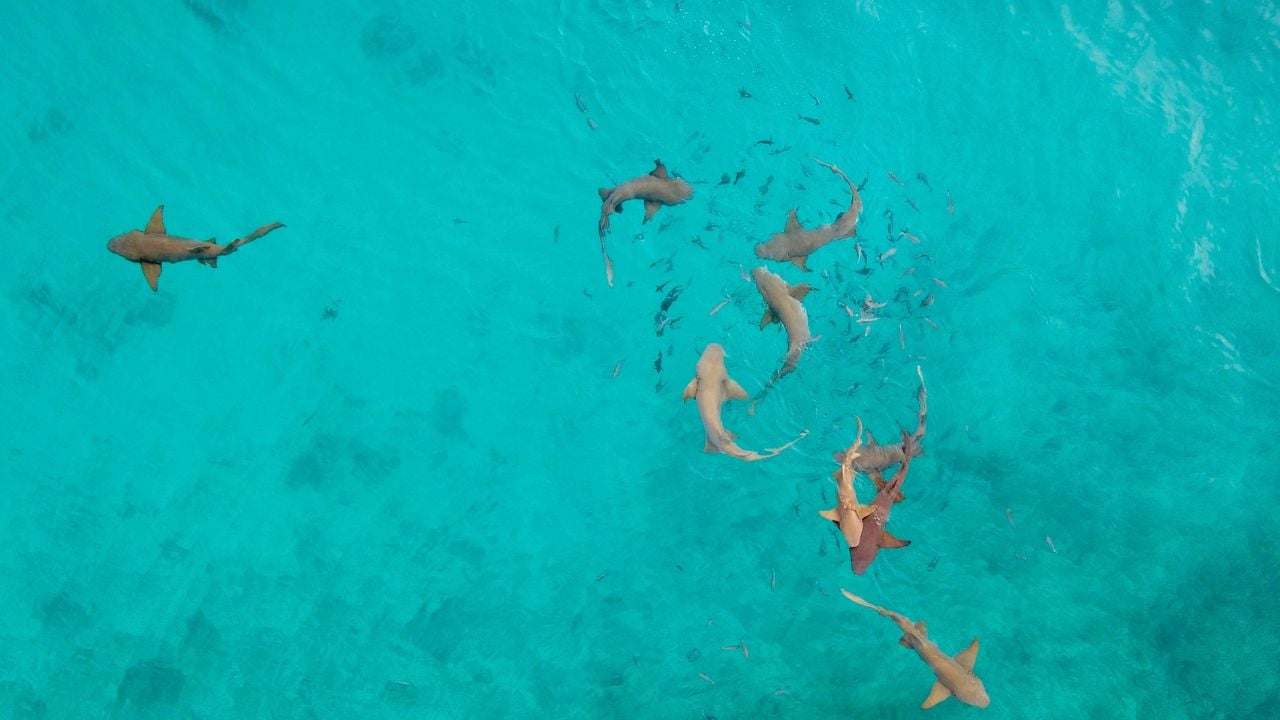
Shark stories travel faster than sharks. What matters for trip planning is the boring, measurable stuff: where confirmed incidents cluster, which water activities show up most often, and how to reduce risk without turning your beach day into a paranoia documentary. The most widely cited global dataset for this is the International Shark Attack File (ISAF) at the Florida Museum of Natural History.
ISAF’s latest annual summary, published February 18th, 2026, recorded 65 confirmed unprovoked shark bites worldwide in 2025, with country-by-country totals and a reminder that overall risk remains extremely low. The “map” below is a traveler’s version of that data: some of the countries and territories that show up in the report, what typically brings people into the same space as sharks, and the simple habits that keep the odds boring.
1. United States
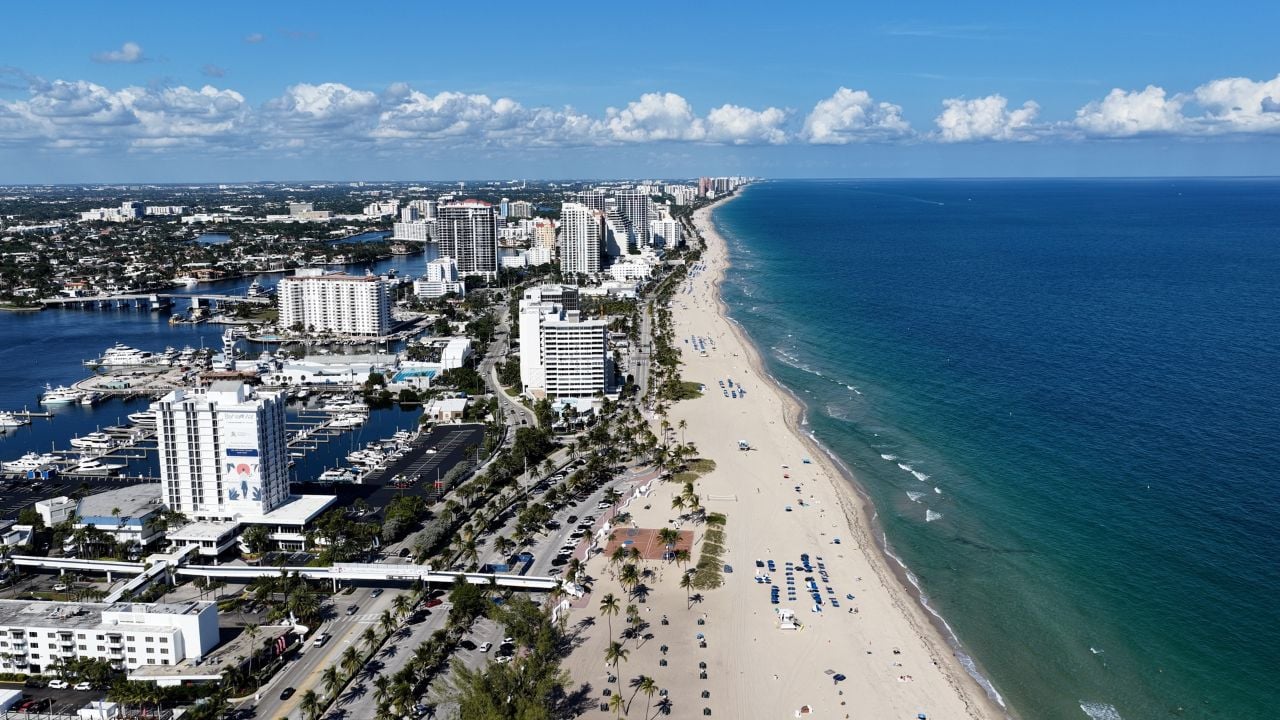
The U.S. led the world in 2025 with 25 confirmed unprovoked bites. Within the U.S., Florida accounted for 11 cases, and ISAF notes that Volusia County alone had six. That hotspot reputation comes from a mix of warm-water beaches, heavy swimmer traffic, and surf-zone conditions where quick, mistaken-identity bites are more likely.
Beach strategy here is mostly about timing and attention. Swim near lifeguards, stay close to shore, avoid dawn and dusk, and do not linger around baitfish schools or active fishing. Skip shiny jewelry and cut down on frantic splashing, since those cues can resemble struggling prey in turbulent water.
2. Australia
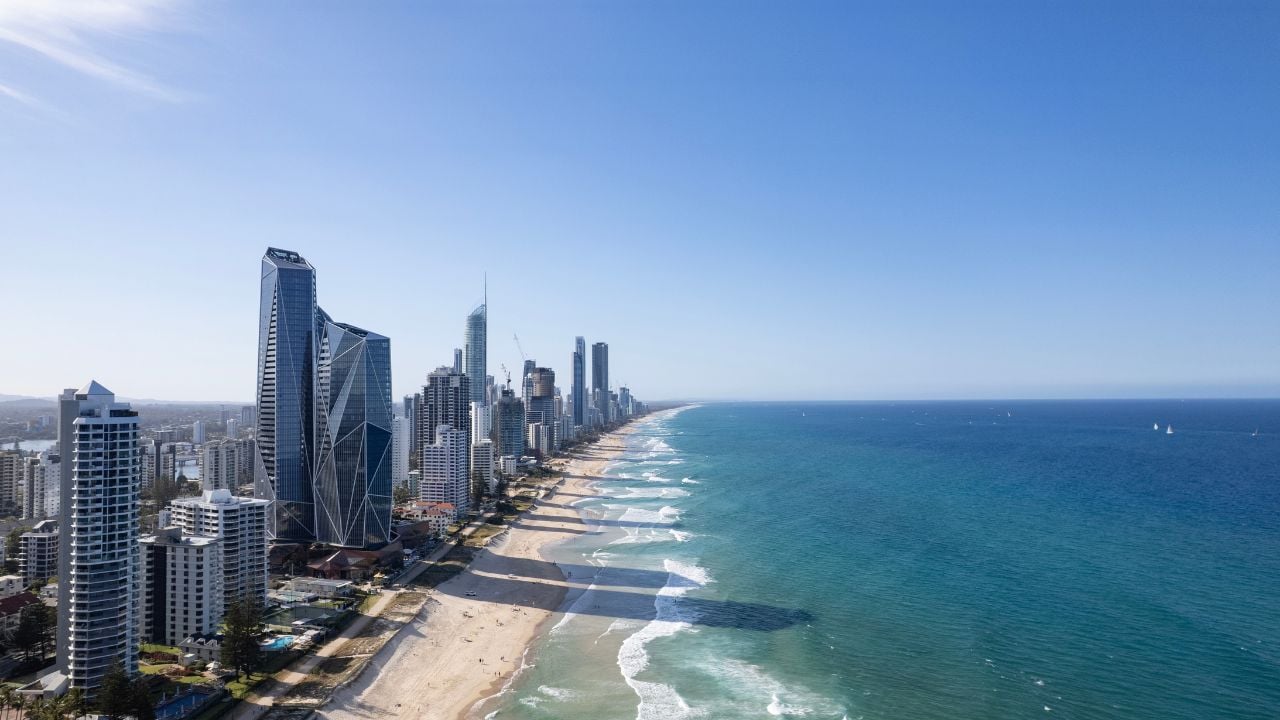
Australia followed with 21 unprovoked bites and five fatalities in 2025, the highest fatal count in the report. ISAF’s breakdown points to bites across multiple states, including Western Australia, South Australia, Queensland, New South Wales, and Victoria. In practical terms, that means risk is not “one beach”; it is a huge coastline plus lots of surfers spending long hours in the surf zone.
The easiest safety upgrade is behavioral, not heroic. Keep to patrolled beaches, take local warnings seriously, and avoid low-light sessions when visibility drops and feeding behavior rises. If conditions look murky or baitfish are popping near shore, treat that like a weather warning and go do something on land for a while.
3. Bahamas
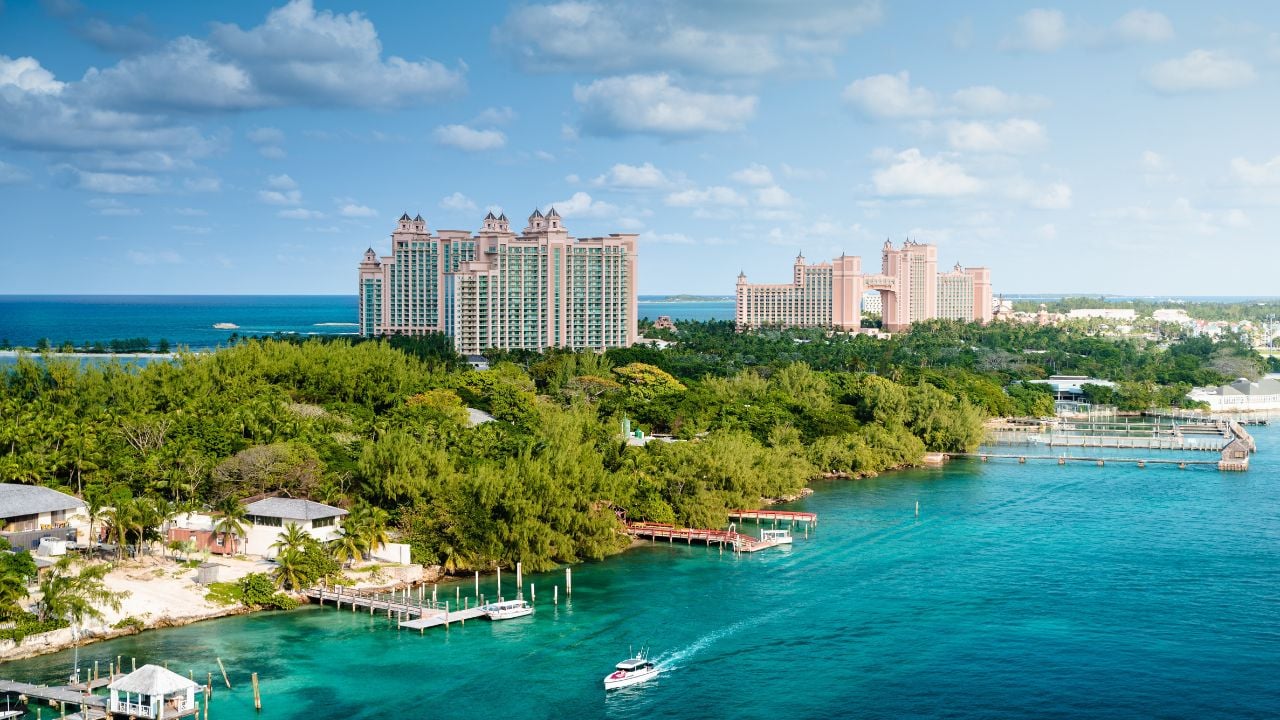
The Bahamas recorded five unprovoked bites in 2025, none fatal. This is a country where visitors spend a lot of time in exactly the environments sharks use too: reef edges, drop-offs, and clear shallows that feel deceptively gentle. The vacation trap is getting too comfortable and drifting into deeper water while snorkeling or swimming far from shore.
Stay in groups, keep a relaxed scan of your surroundings, and give fishing activity a wide berth, including piers and areas where people are cleaning catch. If a shark shows up, the goal is a calm exit, not a splashing retreat. Controlled movement and a steady retreat toward shore beat panic every time.
4. New Zealand
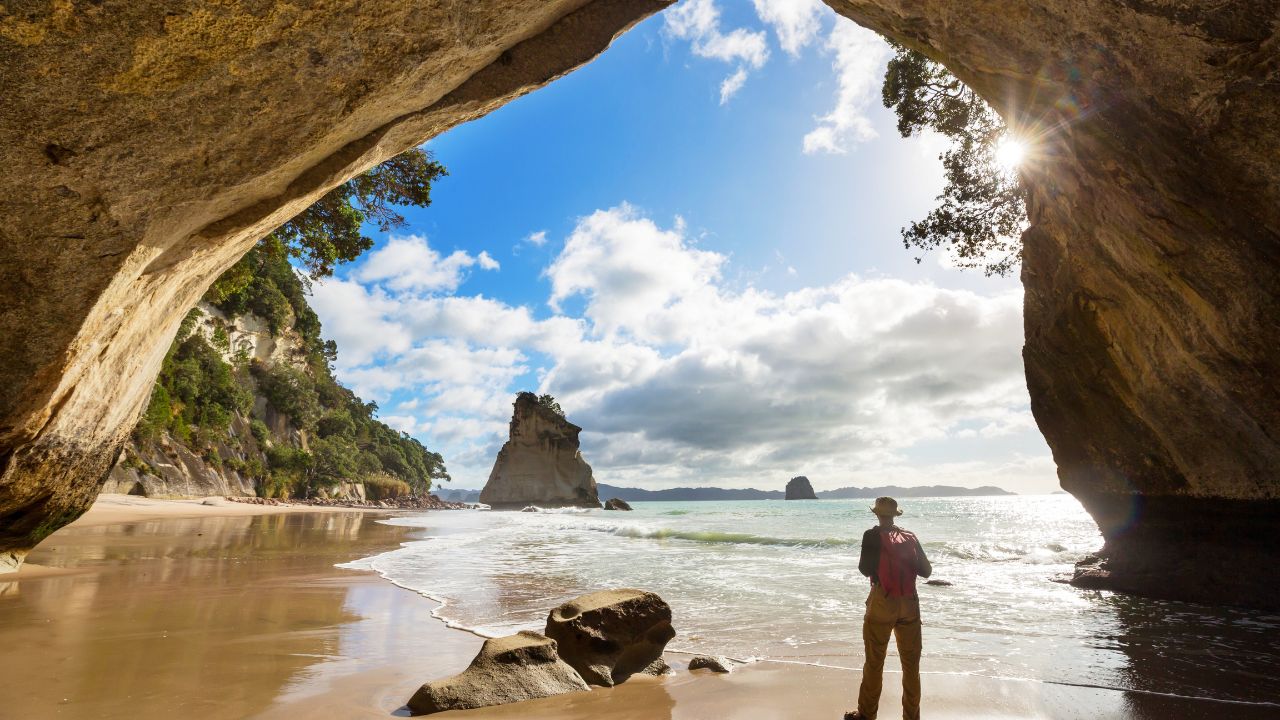
New Zealand logged three unprovoked bites in 2025, none fatal. The country’s ocean culture is big on surf beaches and rugged coastlines, which can include steeper drop-offs and variable visibility. That mix can produce rare encounters that feel shocking, mainly because the scenery looks so peaceful.
Treat remote beaches like backcountry trails: beautiful, but not staffed. Swim with a partner, stay closer to shore, and avoid low-light hours. When locals post advisories or close a stretch after sightings, do not debate it; just pick a different spot.
5. South Africa

South Africa reported one unprovoked bite in 2025, and it was fatal. The country’s coastline includes well-known shark habitat near popular recreation zones, so local safety systems often rely on signage, spotters, patrols, and quick response protocols. For travelers, the key is respecting local context instead of assuming your usual beach habits translate perfectly.
Choose beaches with active monitoring when possible, and avoid areas with baitfish action or heavy fishing. If you are surfing, check local notices the same way you would check swell or wind, because “conditions” include wildlife patterns too.
6. Mozambique
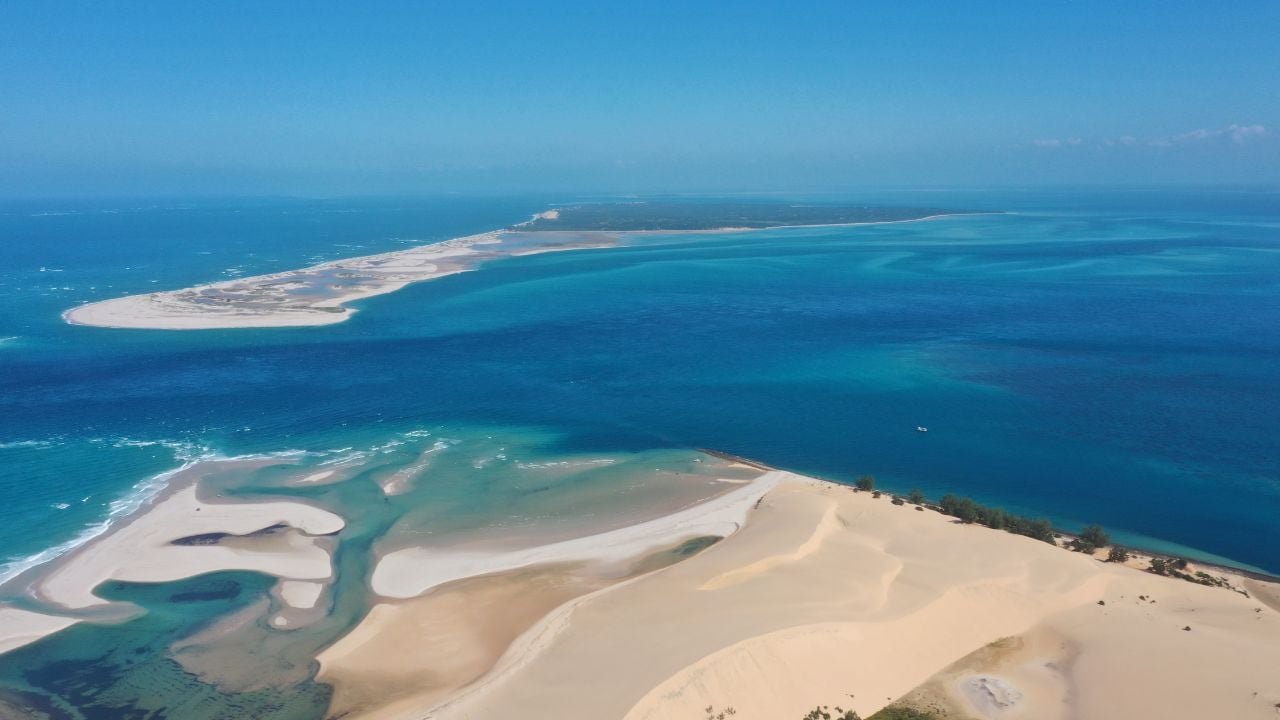
Mozambique also recorded one unprovoked bite in 2025, and it was fatal. Many visitors here are in the water for longer, farther-from-shore activities like diving, fishing, and boat-based excursions, which changes the exposure profile compared with a quick swim at a resort. Remote coastlines can also mean longer response times if something goes wrong.
Stack the odds in your favor by staying close to your group, avoiding murky water, and steering clear of fishing zones or areas with visible bait activity. When a guide gives a “we are not getting in today” call, treat it as expertise, not inconvenience.
7. Spain (Canary Islands)
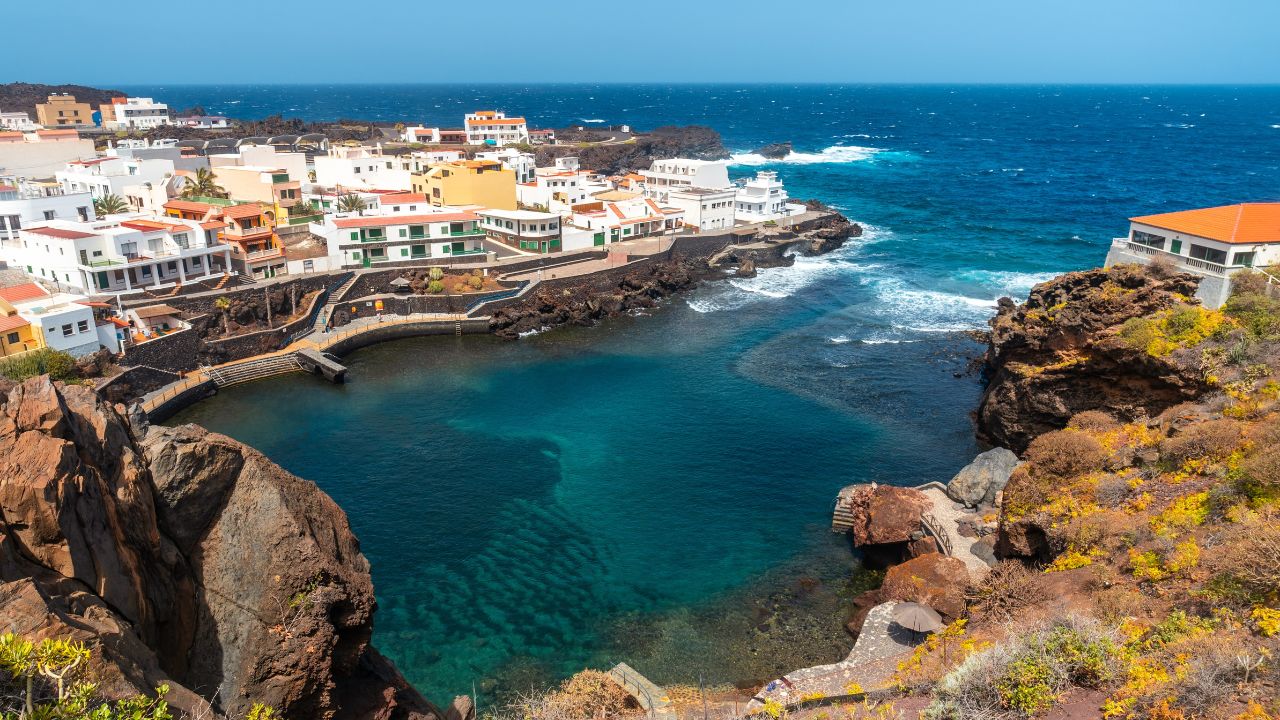
ISAF lists one unprovoked bite in the Canary Islands (Spain) during 2025, nonfatal. Most travelers associate the Canaries with easy beach days, so a single incident stands out mainly as a reminder: even low-count locations can have rare events. Ocean conditions around volcanic islands can shift quickly, especially near rocky points and drop-offs.
Stick to designated swimming zones and avoid wandering into areas with poor visibility or rough water. Keep jewelry minimal and skip splashy play in deeper water. A simple habit that helps is choosing calmer, well-used beaches when surf is up.
8. Maldives

The Maldives recorded one unprovoked bite in 2025, which was nonfatal. This destination is heavy on snorkeling, lagoon swims, and reef excursions, which means lots of time near natural feeding zones for marine life. Most shark species seen around resorts are not interested in humans, yet the rule of thumb remains: do not turn wildlife into a photo prop.
Avoid swimming near active fishing, keep a distance from any feeding behavior, and follow resort dive-briefing rules without improvising. If you see a shark while snorkeling, stay calm, maintain awareness, and move toward exit points without panic.
9. Jamaica

Jamaica logged one unprovoked bite in 2025, which was nonfatal. Like many Caribbean destinations, risk is usually less about countrywide danger and more about specific situations: murky water after storms, baitfish presence, or swimming in areas where people are fishing. Visitors get into trouble most often when they drift away from the structured resort swim zone.
Choose lifeguarded or clearly managed beaches, stay in a group, and avoid twilight swims. If the water is cloudy or birds are diving on bait offshore, consider that a signal to pick a pool day.
10. Vanuatu
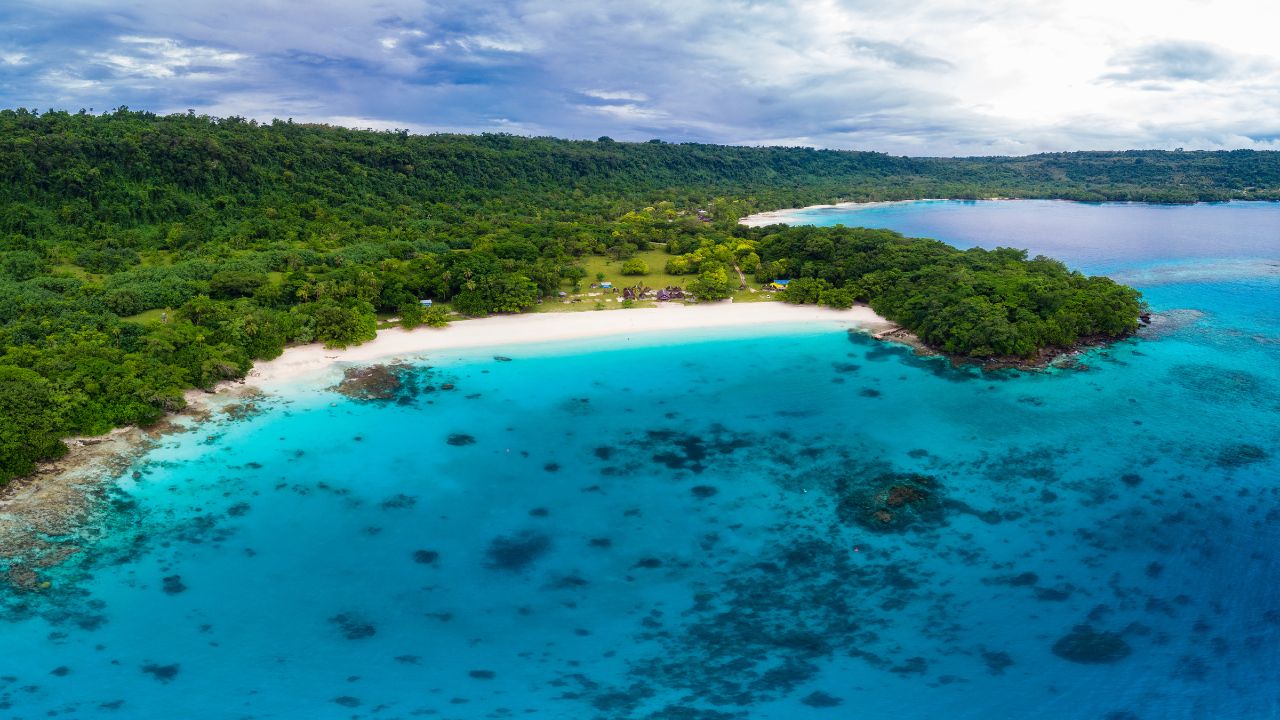
Vanuatu recorded one unprovoked bite in 2025, and it was fatal. This matters because Vanuatu attracts divers and adventure travelers who may be in deeper water, farther from shore, and sometimes far from major medical facilities. The ocean here is stunning, but it is not a theme park with rails.
Treat every swim like you are borrowing the sea for a minute. Stay close to shore unless you are with a professional operator, avoid fishing areas, and skip dawn and dusk sessions. The calmest trips usually belong to travelers who do not assume “remote” means “risk-free.”