
Starting over in a new country is rarely about beaches or bucket lists. Real comfort shows up on a random Tuesday when you need a doctor, a bank transfer, a new SIM card, and directions that make sense. The best kind of welcome is practical: people who engage, systems you can learn fast, and a social life that doesn’t stay stuck on hard mode.
To keep this grounded, the list leans on two signals. InterNations’ Expat Insider tracks how easy it is for expats to settle in—things like feeling at home, local friendliness, and building a support network—while Gallup’s Migrant Acceptance Index uses Gallup World Poll responses to measure public openness toward immigrants more broadly. Taken together, they point toward places where Americans are more likely to feel like a neighbor instead of a permanent outsider.
1. Costa Rica

Warmth here isn’t a marketing slogan—it’s what expats report in the data. In InterNations’ 2024 results, Costa Rica placed No. 1 on the Ease of Settling In Index, with high shares saying they feel welcome and at home, plus standout ratings for friendliness toward foreign residents. That matters during a reset, because friendships and informal help often solve problems faster than any office appointment.
Daily life also supports a softer pace that many Americans crave after burnout. The Central Valley draws many long-term arrivals because elevation can temper the heat while keeping services close. Healthcare options include public access for residents and a private sector that many international residents use for quicker appointments. Strong nature access helps too, because weekends don’t require elaborate planning to feel restorative.
2. Mexico
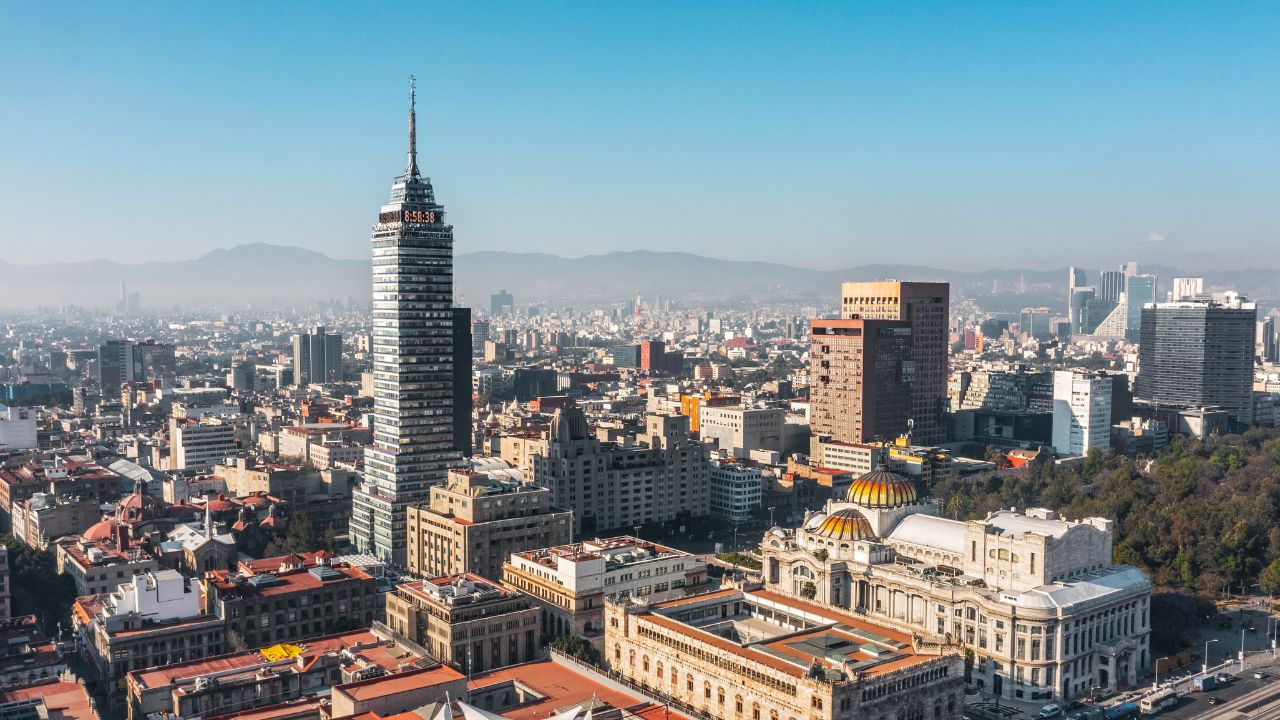
Mexico also ranks near the very top in InterNations’ expat survey results. In the 2024 reporting, Mexico is described as placing second overall on the Ease of Settling In Index, with respondents praising social life, cultural ease, and feeling welcome well above the global average. For Americans, that bridge into community can be the difference between an exciting move and a lonely one.
Geography adds a practical bonus that spreadsheets ignore. Direct flights make family visits and “back home” logistics less painful than ultra-long-haul moves. Daily living can scale to different budgets depending on neighborhood and city, from big metro energy to quieter colonial towns. Many Americans also like the cultural familiarity without sameness, since food, music, and street life feel vivid while still easy to enjoy.
3. Ireland

Friendliness is hard to quantify, but broad social openness often shows up in small moments: casual conversation, helpful directions, and an easier path into everyday routines. Gallup’s published work on the Migrant Acceptance Index highlights how acceptance varies widely by country and region, with Europe notably mixed in the results (Gallup’s overview).
Ireland also has a clearly defined immigration permission for people living on independent means. Irish Immigration lists Stamp 0 as a category that may apply if you have permission to retire to or live in Ireland as a person of independent means, and it maintains a dedicated guide for applicants who want to retire to Ireland. Clear rules don’t make moving effortless, but legible rules reduce stress during a reset.
4. Netherlands
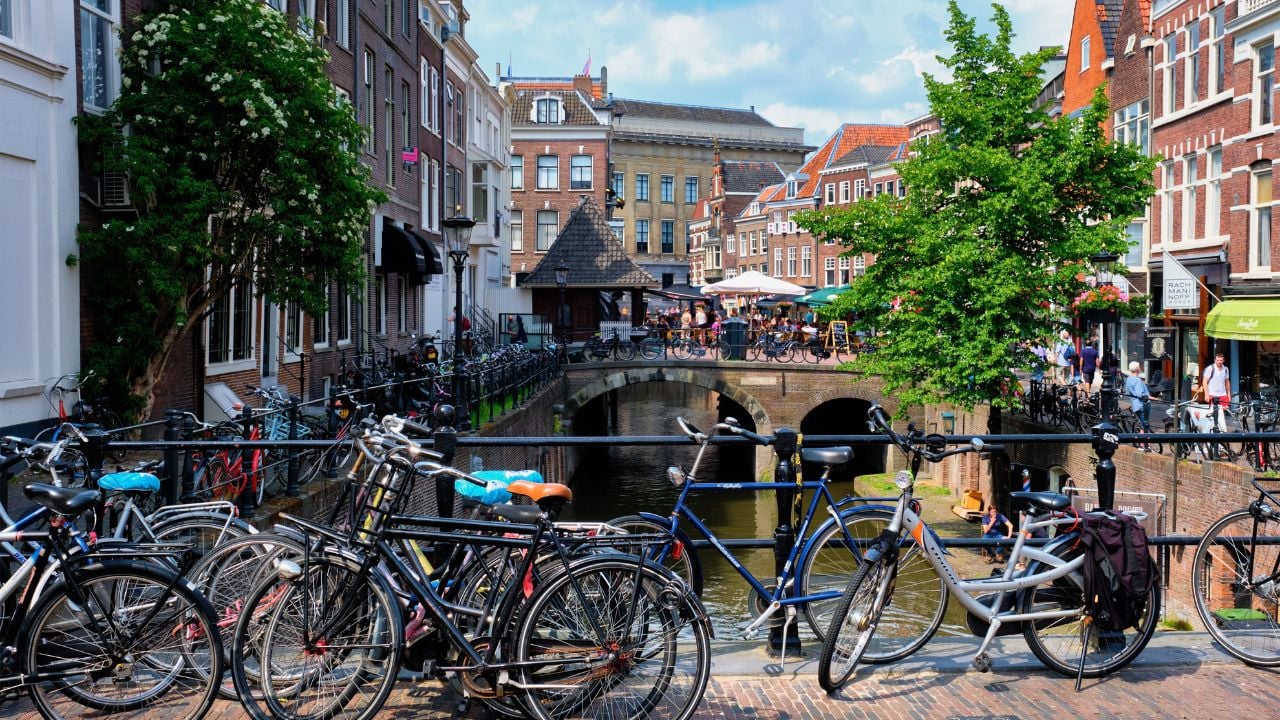
The Netherlands tends to feel manageable early on because so much of daily life is systemized: transit, government services, banking, and city design that shrinks commutes into something you can do on a bike. Gallup’s Migrant Acceptance Index work includes countries like the Netherlands among those that are generally more open to migrants than the least-accepting countries, which can lower the social friction of starting from zero (Gallup’s 2017 index write-up).
There’s also a uniquely American angle: the Dutch-American Friendship Treaty route. For official context, the Dutch immigration service explains the self-employment residence route on its IND self-employed permit page, and the IND application form explicitly includes a checkbox for self-employment based on the Dutch-American Friendship Treaty. It’s not an automatic approval, but it is a defined framework with clear expectations, which helps when you’re rebuilding rather than simply visiting.
5. Spain

Spain offers a strong mix of social ease and lifestyle flexibility—big cities, smaller coastal communities, and plenty of places where you can build routines that feel light. At the population level, Gallup’s acceptance research shows wide variation by country and helps explain why some places feel socially “easier” for newcomers than others (Gallup’s Europe-focused overview).
On the paperwork side, Spain has formal routes for remote workers. The Spanish government’s international teleworkers page lays out core requirements such as proof of an existing employment/professional relationship and documentation of remote activity (official international teleworkers guidance). Clear rules don’t guarantee approval, but they reduce the fog that makes relocations feel overwhelming.
6. New Zealand

New Zealand shows up near the top of Gallup’s Migrant Acceptance Index results. In Gallup’s 2017 reporting on the index, New Zealand is listed among the most-accepting countries for migrants, just behind Iceland in the top slots. That kind of baseline openness can make day-to-day life feel less socially risky when you’re building a new circle from scratch.
Distance is the tradeoff, and it’s a real one. Flights home are long and costly, which can intensify homesickness or make family logistics harder. Still, for Americans who want a clean break and a fresh social environment, the combination of openness, stability, and outdoor culture can be powerful. A restart needs room to breathe, and New Zealand offers that in literal miles.