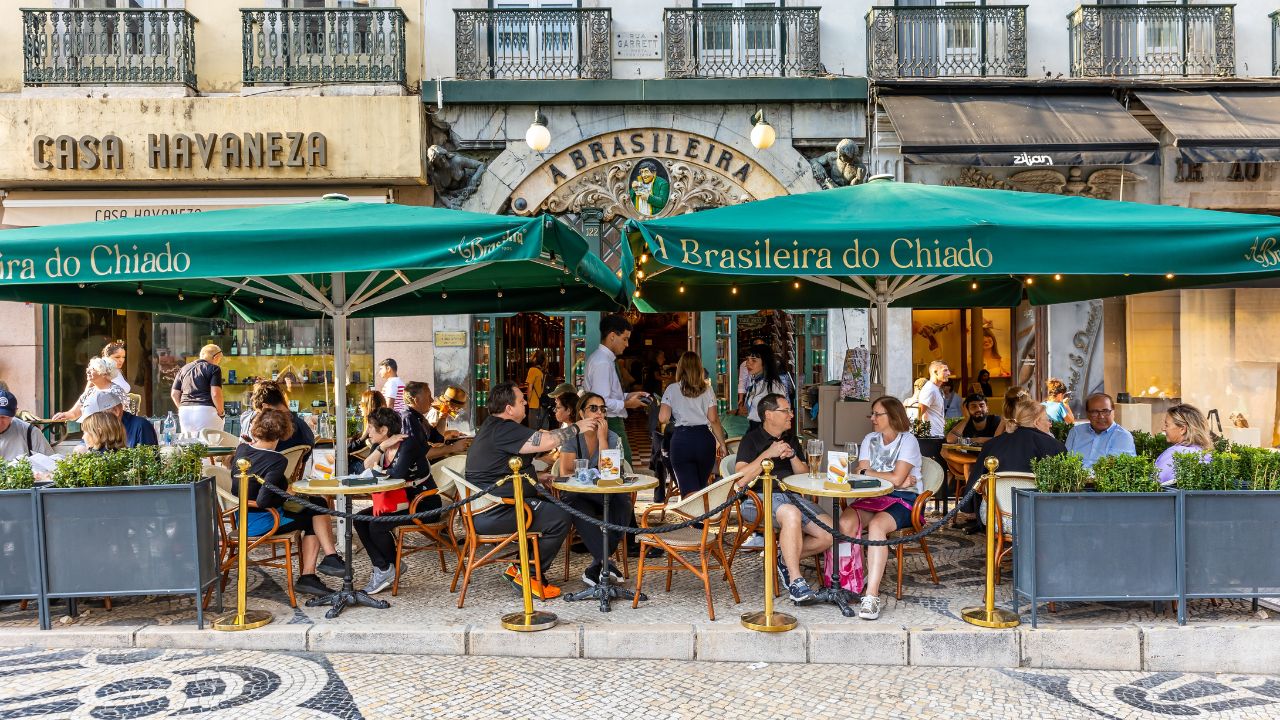
A move abroad can feel thrilling for about three weeks. Then real life shows up with grocery runs, clinic appointments, landlord messages, transit delays, and the tiny paperwork rituals that either glide or grind. Low daily strain usually comes from boring strengths: clear rules, dependable services, safe streets, and routines that do not turn every errand into a puzzle.
This slideshow focuses on places where many foreign residents report that life feels manageable once the novelty fades. You will notice a pattern: stable institutions, strong public systems, and urban design that makes ordinary days smoother. None of these destinations are perfect, yet each one has traits that consistently lower the background noise of living.
1. Denmark
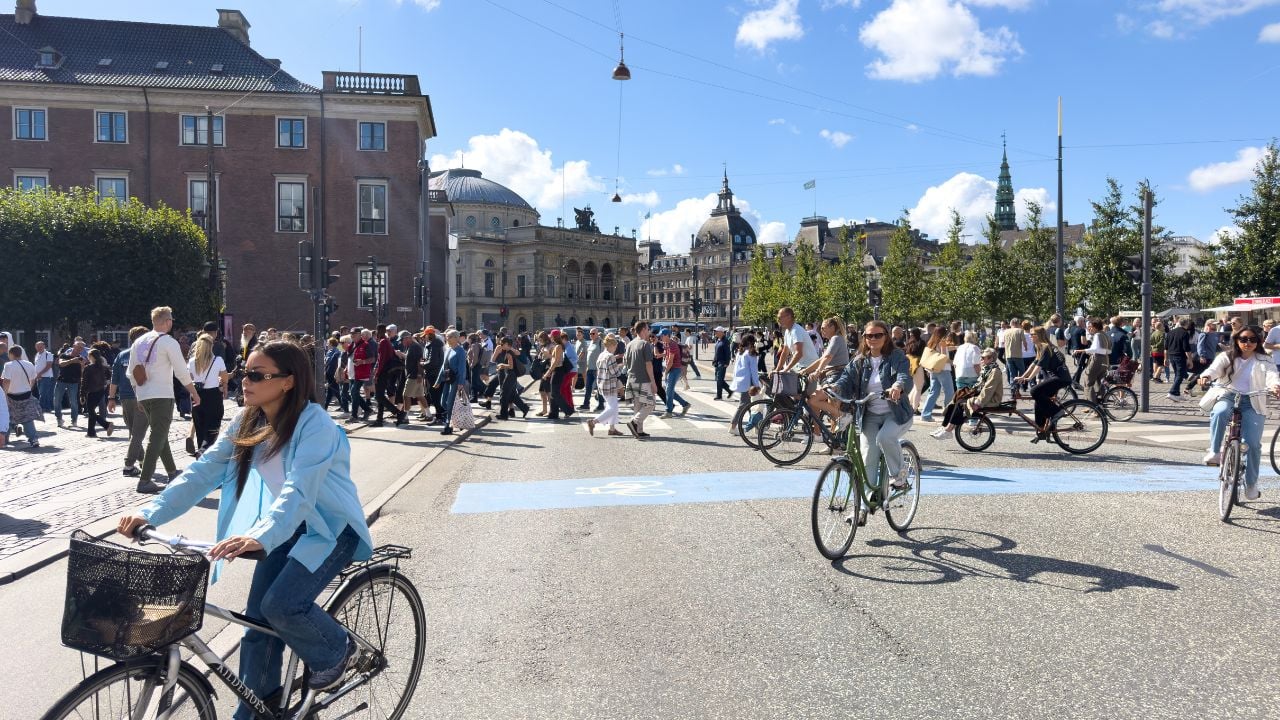
Bike lanes are not a cute accessory here. They are a serious transport system. Daily movement stays predictable, commutes shrink, and streets feel designed for humans rather than traffic battles. Public services lean heavily on digital tools, so forms and appointments often happen with minimal back-and-forth. Universal medical coverage for residents removes many billing surprises.
Social trust does a lot of invisible work. Contracts, queues, and municipal rules tend to be straightforward, which reduces the mental load of second-guessing everything. Work culture often protects personal time, so evenings feel like yours again. Winter darkness can weigh on mood, yet indoor community life, warm cafés, and well-heated homes soften the edge.
2. New Zealand
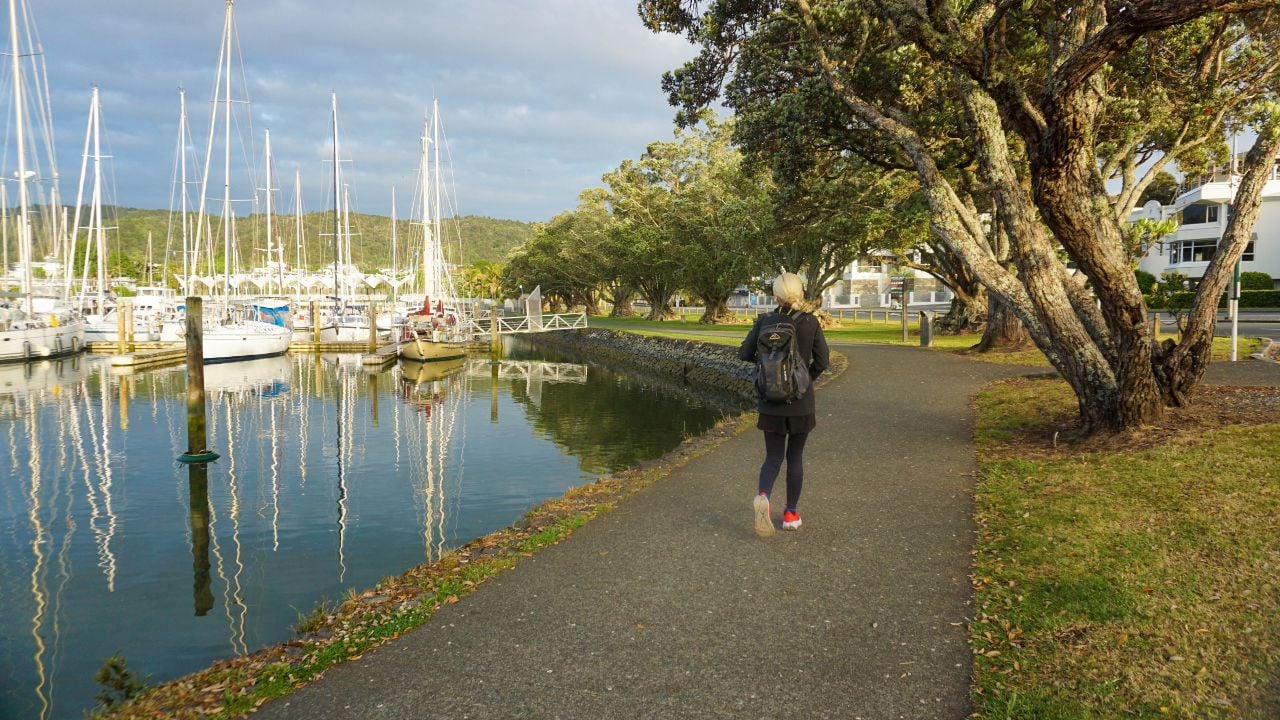
Space changes the nervous system. Lower population density, wide horizons, and less aggressive congestion create a calmer baseline in many towns and cities. Government institutions are widely viewed as transparent, which helps newcomers worry less about sudden rule shifts. Essential healthcare for eligible residents is publicly supported, keeping access from becoming a constant negotiation.
Outdoor access acts like a pressure valve. Beaches, tracks, and parks sit close enough to become part of a weekly routine rather than a special trip. Annual leave is commonly taken instead of treated like a guilty secret. English-language administration keeps banking, rentals, and utilities from turning into a translation marathon.
3. Portugal
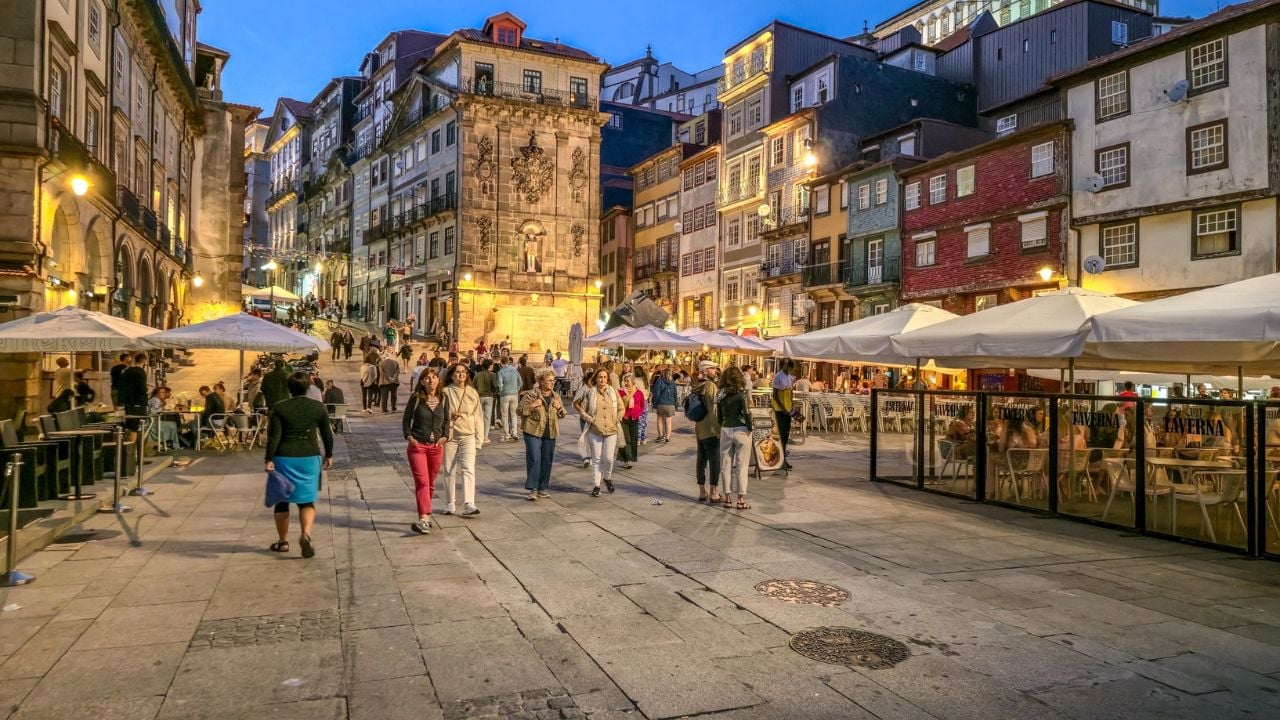
The daily tempo often runs at a gentler speed, especially outside the busiest tourist pockets. Walkable neighborhoods, small markets, and café culture make routines feel social rather than rushed. Public healthcare exists nationwide, with private options that can be comparatively affordable when you want faster appointments. Overall safety levels are strong, which helps the mind unclench.
Paperwork still exists, yet residency pathways for financially independent arrivals are well documented and commonly used. Intercity rail and regional buses reduce the need to drive everywhere, which matters more than people expect. Basics like produce and simple meals can feel reasonably priced compared with many Western capitals. The coastal climate also helps, since extreme cold rarely dominates the calendar.
4. Switzerland
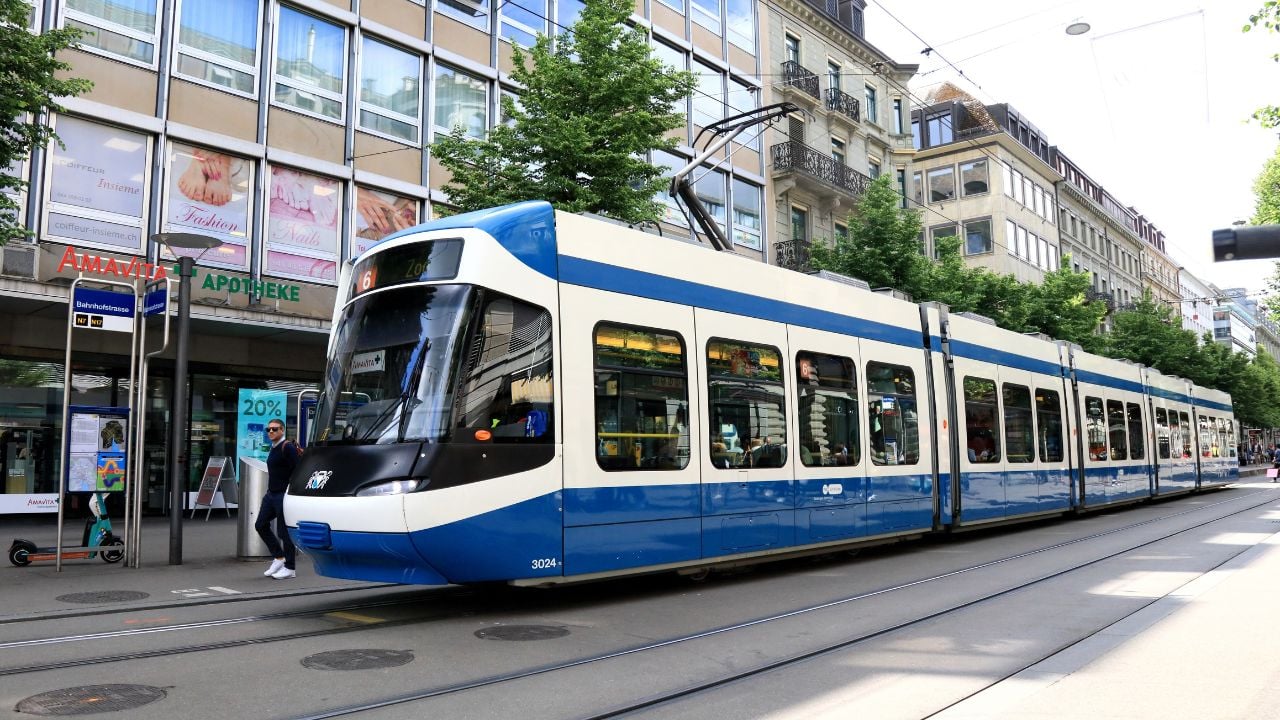
Order shows up in the smallest details here: timetables, sidewalks, signage, and systems that rarely feel improvised. Public transport runs with remarkable precision, making day planning almost effortless. Healthcare is high quality, delivered through mandatory insurance under heavy regulation, so coverage rules are structured rather than chaotic. Street safety and clean public spaces support a steady sense of ease.
Money stress can rise because prices are steep, yet salaries often don’t match that reality for those working locally. Administration tends to be strict but also predictable, which many foreigners find soothing. Nature is not a weekend-only luxury, since lakes and mountain paths sit close to major population centers. Quietness in residential areas is taken seriously, which improves sleep and overall calm.
5. Japan
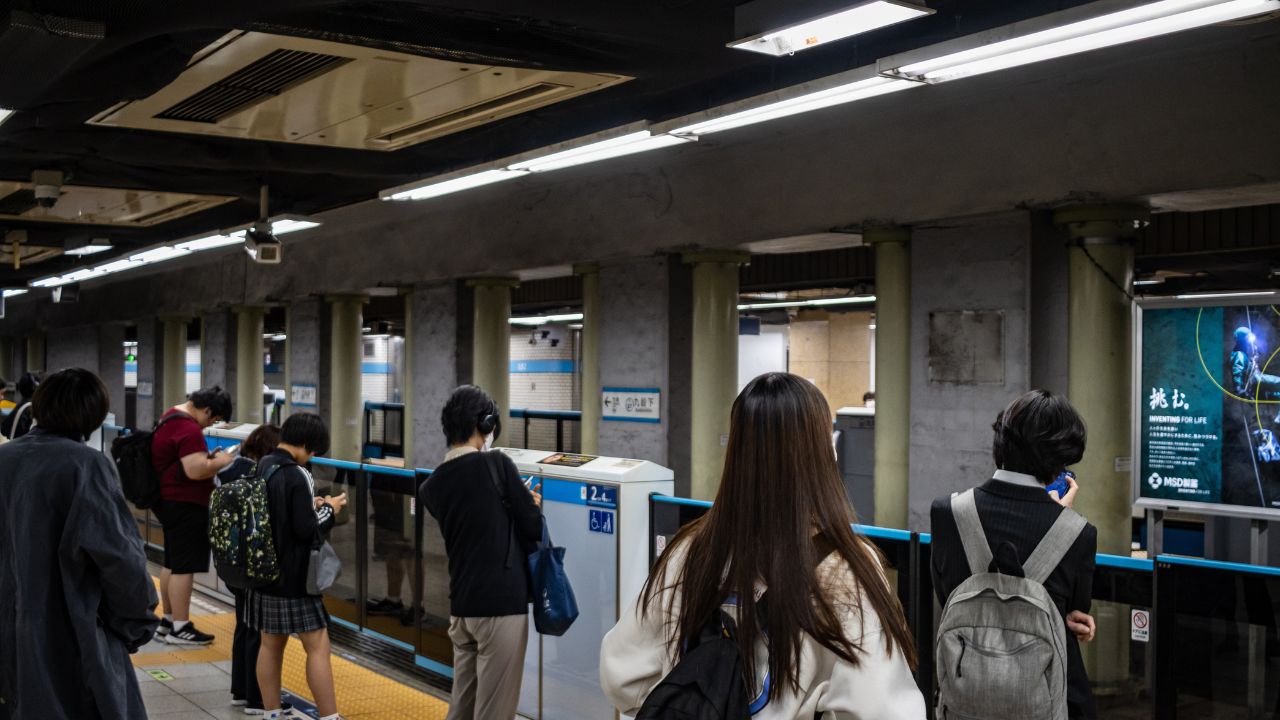
Few places remove micro-stress like a city that runs on punctuality. Trains arrive on schedule, streets are orderly, and everyday navigation feels clear even in dense areas. Violent crime levels are very low, which allows late evening walks without constant vigilance. National health insurance applies to residents and typically covers a large share of approved medical costs.
Service culture is highly attentive, so routine interactions often feel smoother than expected. Cleanliness standards in public spaces reduce the constant-grime fatigue that can build elsewhere. Language barriers can add friction, yet many offices and clinics in major hubs provide support for foreign residents. Once the basics are learned, daily life tends to feel stable and quietly efficient.
6. Netherlands
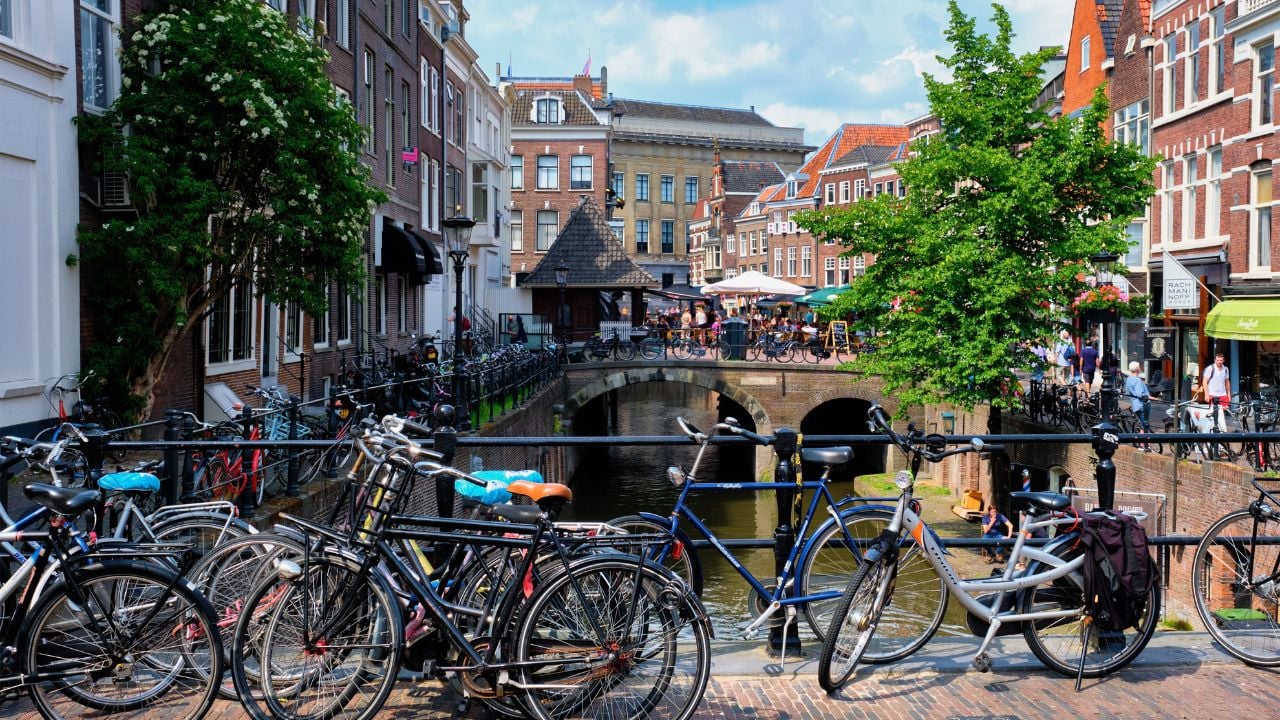
City design favors short distances and practical movement. Cycling infrastructure, compact neighborhoods, and strong transit links make errands quick, which frees time and attention. English is widely used in many professional settings, lowering the stress of appointments, work communication, and everyday problem-solving. Healthcare operates through a regulated insurance model with reliable primary care access.
Social life can feel organized rather than random, which helps newcomers build routines. Work culture often values planning, clear expectations, and predictable schedules. Flood protection infrastructure is world-class, and public conversation around safety tends to be pragmatic instead of panicked. A tidy sense of structure runs through daily systems, and that structure is what many expats describe as calming.
These places reduce everyday strain in different ways. Some do it through nature and space, others through reliable institutions and design that prevent chaos from forming in the first place. The common thread is simple: when the basics work, your brain stops bracing for impact.