
Choosing a place for the next chapter rarely comes down to sunshine alone. People who move later in life usually look past the view and start asking quieter questions: How good are the hospitals? How predictable is public transport? Will the residency process be straightforward? And when the novelty wears off, will day-to-day errands still feel easy?
If you zoom out, the same places keep showing up in long-run data. The UNDP’s Human Development Index data and healthcare comparisons, such as the OECD Health at a Glance, tend to cluster high-performing public systems in a familiar set of countries. Real life still depends on personality, though. Some people want seaside cafés and long lunches; others feel happiest with mountain air, punctual trains, or quiet suburbs where nights are genuinely calm.
The destinations below lean practical: places known for dependable healthcare access, strong infrastructure, and residency routes that older newcomers actually use. Treat it as a shortlist worth investigating, not a guarantee.
1. Portugal
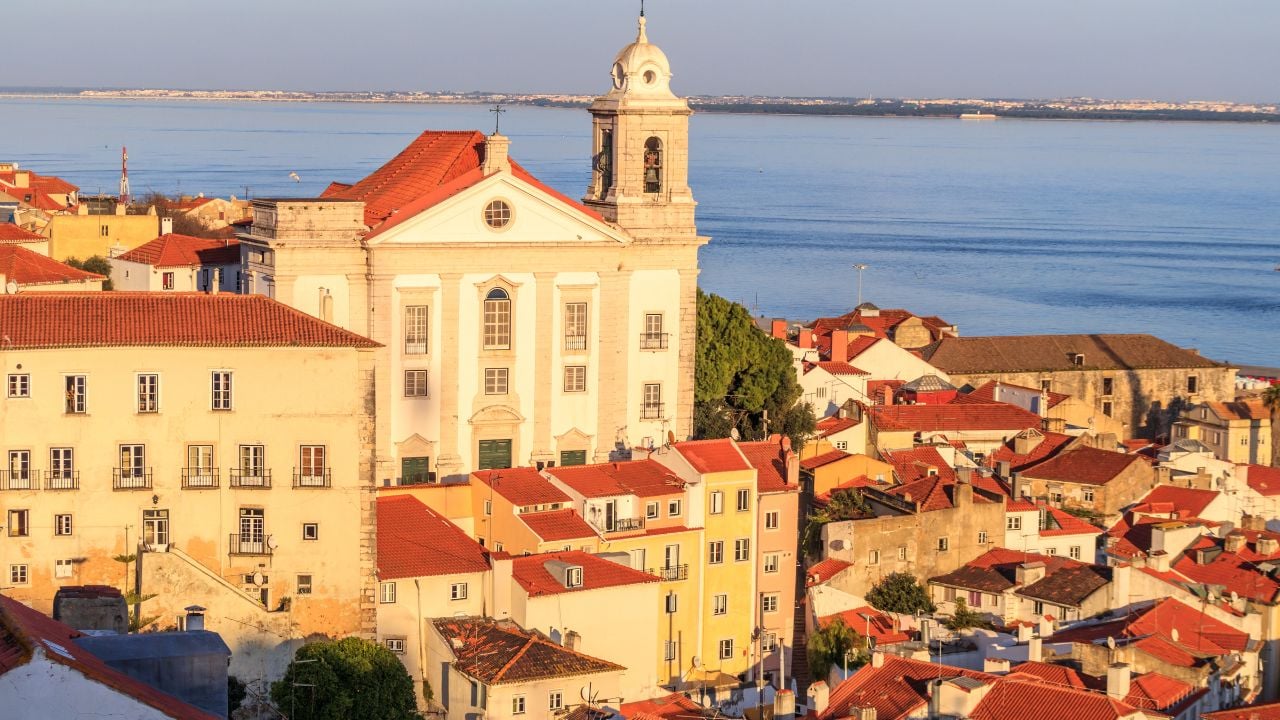
Portugal is one of those countries where the “easy living” reputation is real on an ordinary Tuesday: walkable historic streets, neighborhood bakeries, and a pace that doesn’t demand constant rushing. For legal residents, the government explains how to access public care on its official healthcare guidance for migrants, including how you get an SNS user number and what that unlocks.
On the residency side, the Portuguese government’s visa portal lists a residency visa for retirement or passive income that many retirees use as a starting point. In daily life, it helps that trains connect Lisbon and Porto comfortably and that services like SNS 24 exist for health navigation when you’re figuring out how the system works.
2. Spain

Spain makes it easy to build routines around public life—shaded plazas, evening strolls, and neighborhoods designed for people rather than cars. If you want a more “straight from the source” overview, Spain’s Ministry of Health publishes a primer on the Spanish National Health System, including how the system is organized and who it covers.
For financially independent long stays, many people look at the non-lucrative route; one example of official consular guidance is the non-lucrative residence visa page, which spells out documentation and financial proof. Spain also performs strongly in comparative healthcare benchmarks—for instance, the OECD tracks waiting times across countries, a detail many retirees care about once they’re thinking beyond emergencies.
3. Costa Rica
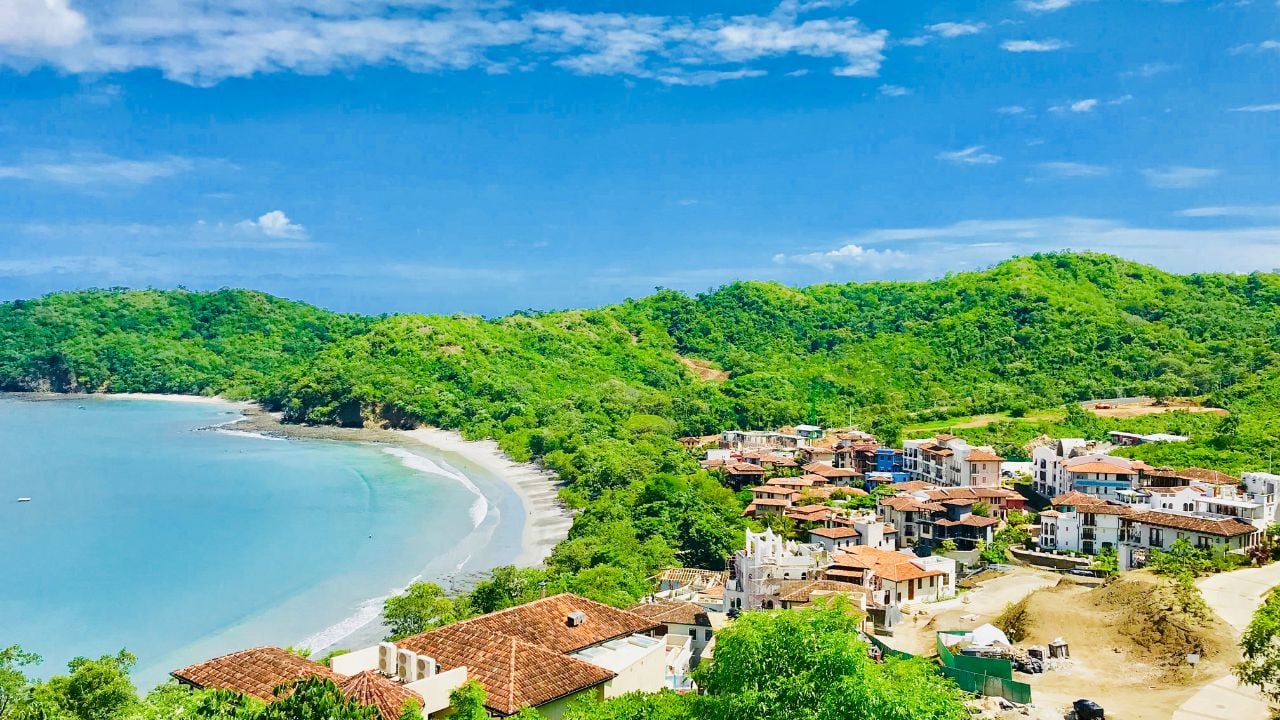
Costa Rica appeals to people who want nature close by without giving up everyday essentials. A lot of retirees base themselves in the Central Valley, where the climate stays spring-like, and San José’s private hospitals are within reach. On the immigration side, the country’s official starting point is the Dirección General de Migración y Extranjería website, where categories and requirements ultimately reside.
Healthcare is a major reason Costa Rica stays on retirement shortlists. Once residency is approved, residents typically enroll in the public system (the Caja). The U.S. Embassy’s residency page outlines the process in its Costa Rica residency guidance, and many expats specifically use the pensionado category. Your existing link to the pensionado residency option works well, so I kept it.
4. New Zealand

New Zealand is for people who want clean cities, dramatic landscapes, and governance that feels transparent and predictable. Healthcare access depends on eligibility, and immigration options are more limited than in typical “retire abroad” destinations. One of the clearer official pathways is the Parent Retirement Resident Visa, which requires having an adult child in New Zealand and meeting investment requirements.
Outside the paperwork, the country’s day-to-day strengths are practical: strong building standards, an outdoorsy social life (walking groups, volunteering), and English as the working language, which removes a big friction point for many older movers.
5. Canada

Canada is often less of a “retirement paradise” and more of a “stable long-term base,” especially for people who value infrastructure, public services, and personal safety. Immigration for older newcomers is usually family-linked rather than a simple retiree visa; the official place to start is IRCC, including the sponsorship pathway for parents and grandparents (when open and by invitation).
Life quality varies by province and climate tolerance, but the social infrastructure is strong—libraries, adult education, and community recreation programs can make a real difference for newcomers who want routine and connection, not just scenery.
6. Japan
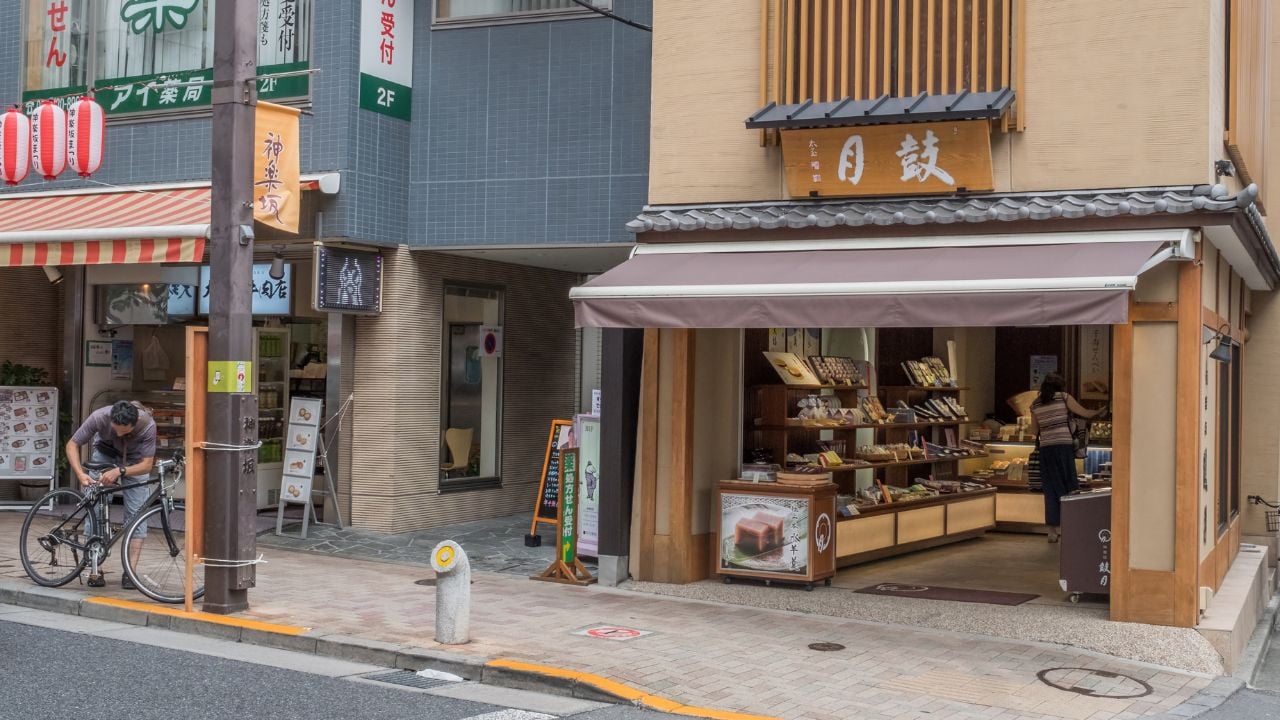
Japan is an easy country to love if you’re drawn to order, safety, and transit that runs like a metronome. For residents, enrollment in public insurance is expected, and Japan’s health system is widely cited for universal coverage. A reputable overview from the Commonwealth Fund notes that patients generally pay around 30% coinsurance for most services, with lower rates for certain groups.
Long-term residence is typically tied to employment, family status, or other qualifying categories administered by the Immigration Services Agency of Japan. The payoff is everyday convenience: clean public spaces, reliable services, and a culture that tends to treat older residents with visible courtesy in clinics and municipal offices.
7. Switzerland
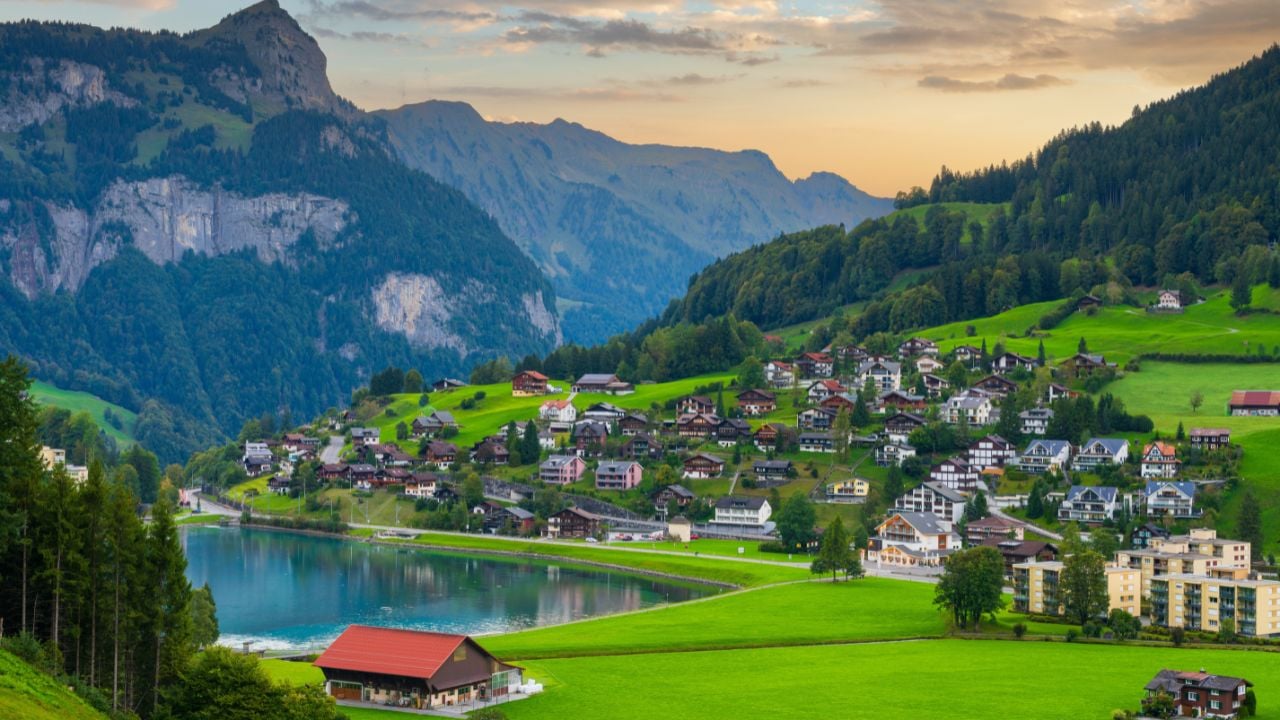
Switzerland feels engineered for calm: synchronized transport, immaculate public spaces, and a sense that systems are built to last. Healthcare works differently here—it’s compulsory but administered through regulated private insurers —and the Swiss government explains the basics on its Federal Office of Public Health website.
Residency rules vary by nationality and canton, so it’s smart to treat “retire here” as a research project. For the most grounded starting point, Switzerland’s migration authority is the State Secretariat for Migration (SEM), and cantonal requirements often determine what’s realistic for financially independent applicants.
If you line these destinations up by healthcare access, residency friction, and how easy it is to get things done without help, a pattern shows up fast: the boring administrative details usually matter more than the postcard view. The best move is the one that still works when you’re tired, it’s raining, and you just need to get to an appointment without drama.