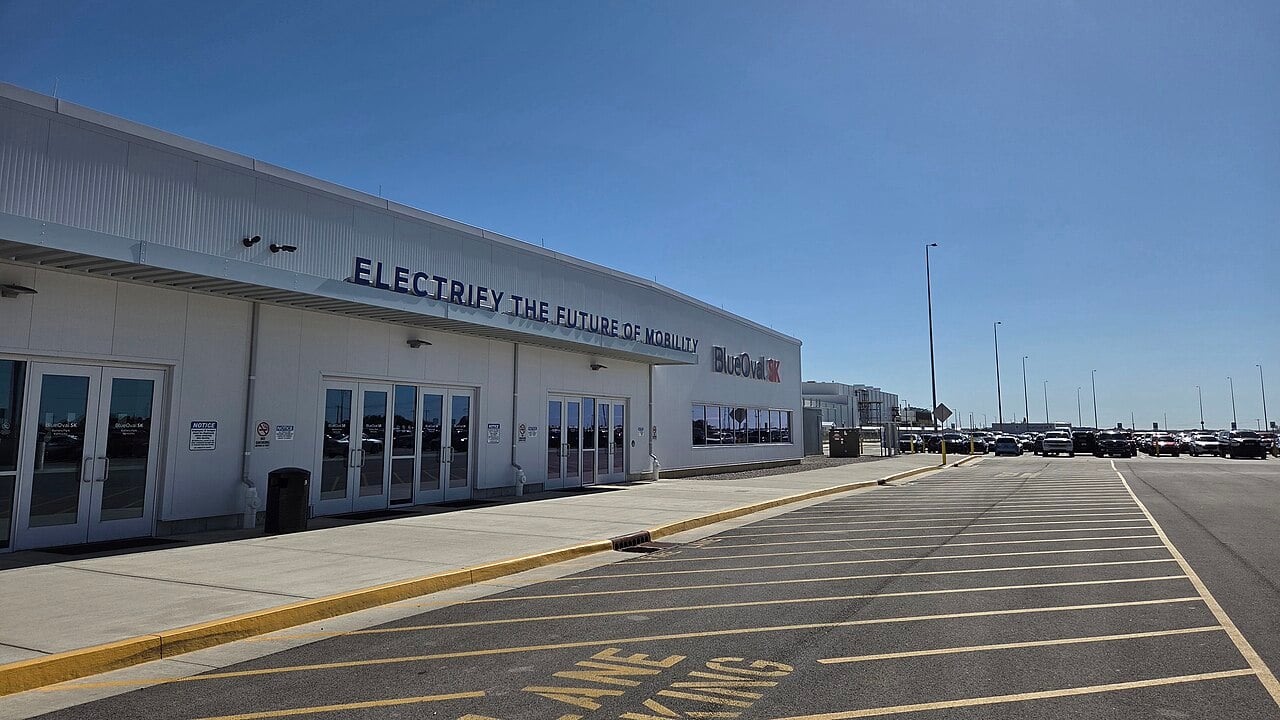

Four months after it opened with fanfare and promises of stable, high paying jobs, a $5.8 billion battery plant backed by Ford Motor Company and South Korea’s SK On is now sitting idle in Glendale, Kentucky.
About 1,600 workers are out of a job, and a political firestorm has erupted over who is to blame.
The sprawling 1,500-acre site, known as BlueOval SK, was hailed in summer 2025 as a transformational investment for the region.
Local leaders described it as a cornerstone of the electric vehicle (EV) future, a magnet for suppliers, and a lifeline for families seeking long term employment in advanced manufacturing. The facility was designed to produce EV batteries, anchoring Ford’s ambitious EV expansion.
The Sudden Collapse
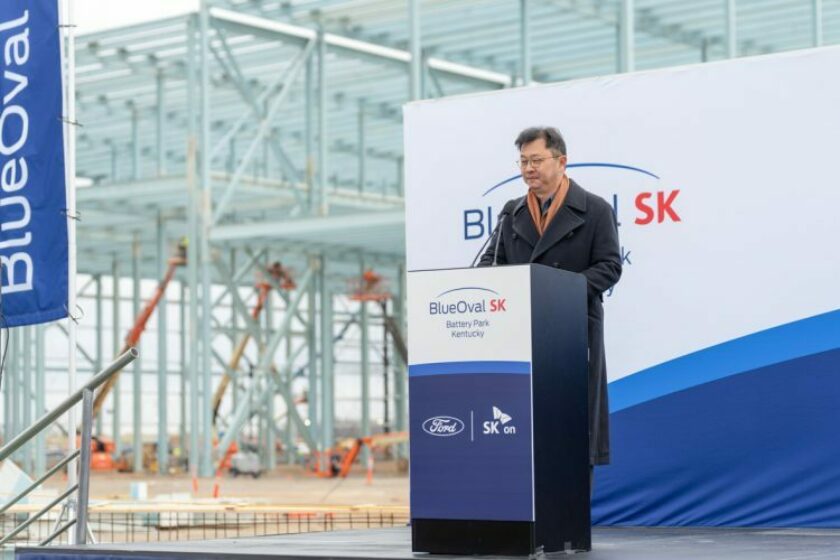
By December, that optimism had collapsed. Ford and SK On ended their joint venture at the site. Soon after, Ford confirmed it would idle the plant for roughly 18 months.
Instead of building batteries for cars and trucks, the company said it would pivot production toward energy storage systems aimed at utilities, data centers, and commercial customers.
Ford cited slowing EV demand in the United States and a shifting regulatory landscape as key reasons for the dramatic pause. Executives pointed to forecasts that once predicted EVs could account for as much as 45 percent of US auto sales by 2030.
Those projections have since been revised down to between 9 and 18 percent, reflecting softer consumer uptake and policy uncertainty.
The Political Blame Game

At the center of the political storm is Donald Trump. During his presidency, Trump weakened national vehicle emissions standards and sought to block California from enforcing stricter clean car rules.
He also vowed to scrap the federal tax credit that reduced the price of new EVs by up to $7,500 and to curtail government support for charging infrastructure.
Kentucky Governor Andy Beshear squarely blamed Trump’s policies for the shutdown. He argued that eliminating EV incentives drained consumer interest just as billions were being invested in domestic battery plants.
According to Beshear, the 1,600 layoffs were a direct consequence of federal policy decisions that undercut demand.
Voices from the Factory Floor
For workers, the political argument offers little comfort. Derek Dougherty, 28, had recently signed a lease near the facility when he learned he would be laid off. After years of instability, he believed the job would finally provide a foundation. Instead, he is facing uncertainty once again.
Others see the situation as more complicated. Joe Morgan left a 24-year career to join the plant as a maintenance technician earning $38 an hour.
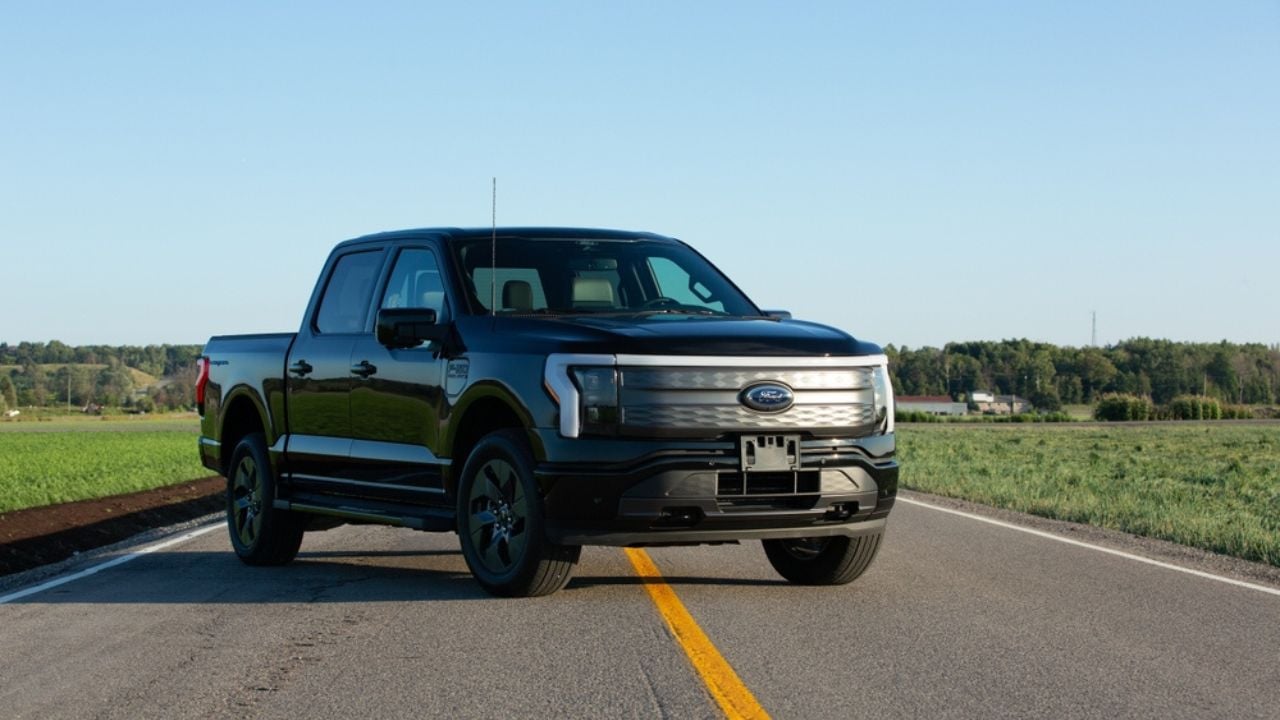
While he acknowledged that tax credits likely played some role in slowing EV sales when removed, he also questioned Ford’s product strategy. In his view, the company may have overestimated demand for an all-electric version of its best-selling pickup.
The shutdown exposes a tension within Trump’s broader America First agenda. The president has repeatedly pledged to revive US manufacturing and protect blue collar workers.
Yet critics argue that rolling back EV incentives and environmental regulations reduced the urgency for automakers to accelerate electric production, leaving new domestic facilities vulnerable.
Broader Industry Headwinds
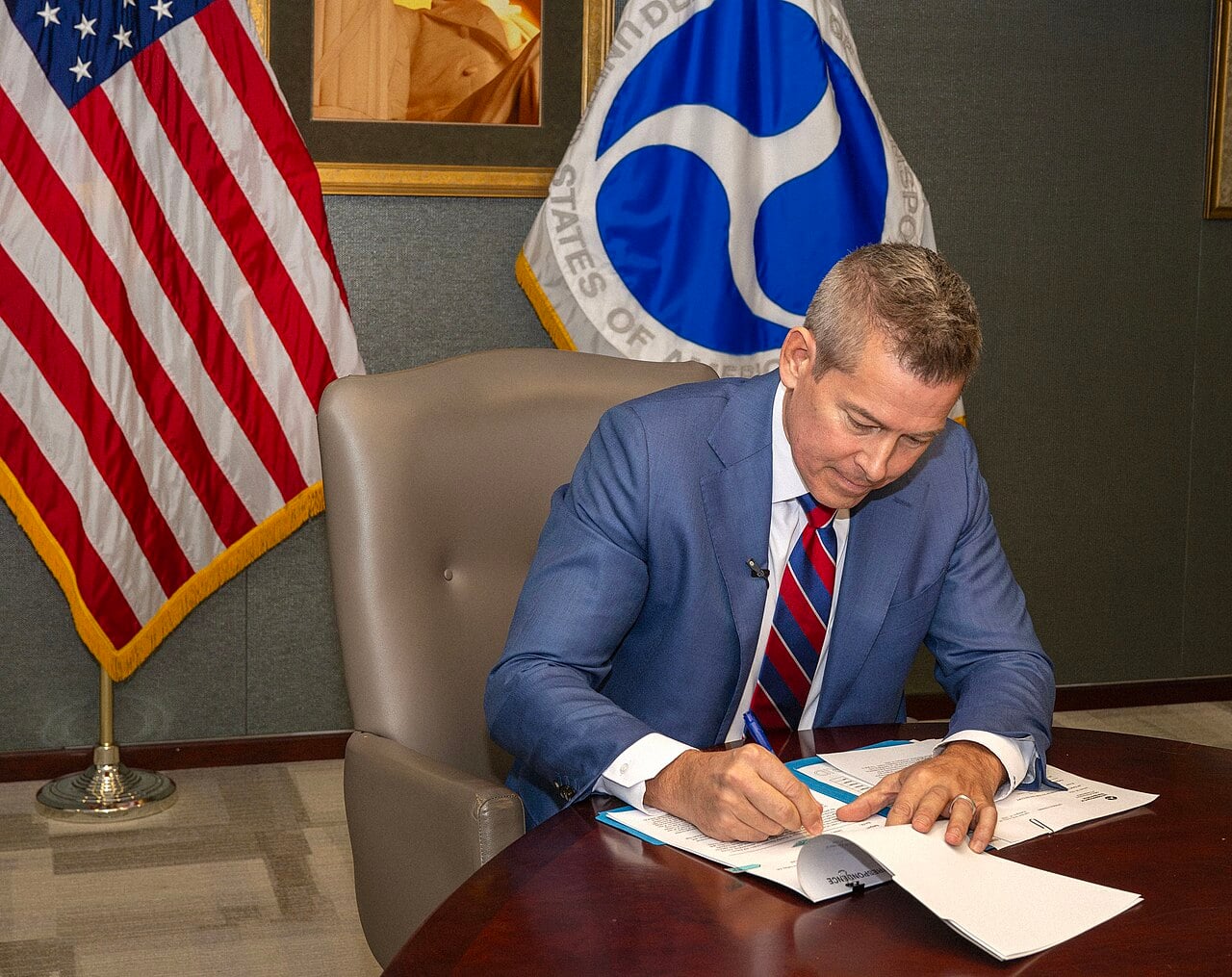
Complicating matters further, US Transportation Secretary Sean Duffy recently announced that states receiving federal funds for EV charging infrastructure must install chargers made entirely with US produced components.
That represents a significant shift from the previous 55 percent domestic content requirement. Industry experts warn that achieving 100 percent US sourcing may be nearly impossible under current supply chain conditions, potentially slowing charger deployment and further dampening EV growth.
Globally, China remains the largest EV market, with the United States in second place. Within the US, Tesla, Inc. commands roughly half of the EV market share.
Automakers are now adopting a cautious posture, waiting to see how firmly the administration follows through on proposals to rescind tax credits and impose new tariffs.
A Glimmer of Hope?
Despite the setback in Glendale, Ford insists the broader BlueOval complex is not finished. A separate subsidiary battery plant at the site is expected to open in late 2026 or early 2027 and could employ more than 2,100 workers.
Those batteries will focus on energy storage systems rather than vehicle packs. BlueOval SK employees will have the opportunity to apply for jobs at the new operation when hiring begins.
Still, the immediate impact is irrefutable. The plant that once symbolized a new era of American EV manufacturing now stands as a cautionary tale about how quickly market forecasts and political winds can shift.
For 1,600 Kentucky workers, the debate over policy and projections is less important than a simple reality: The jobs they were promised have vanished, at least for now.