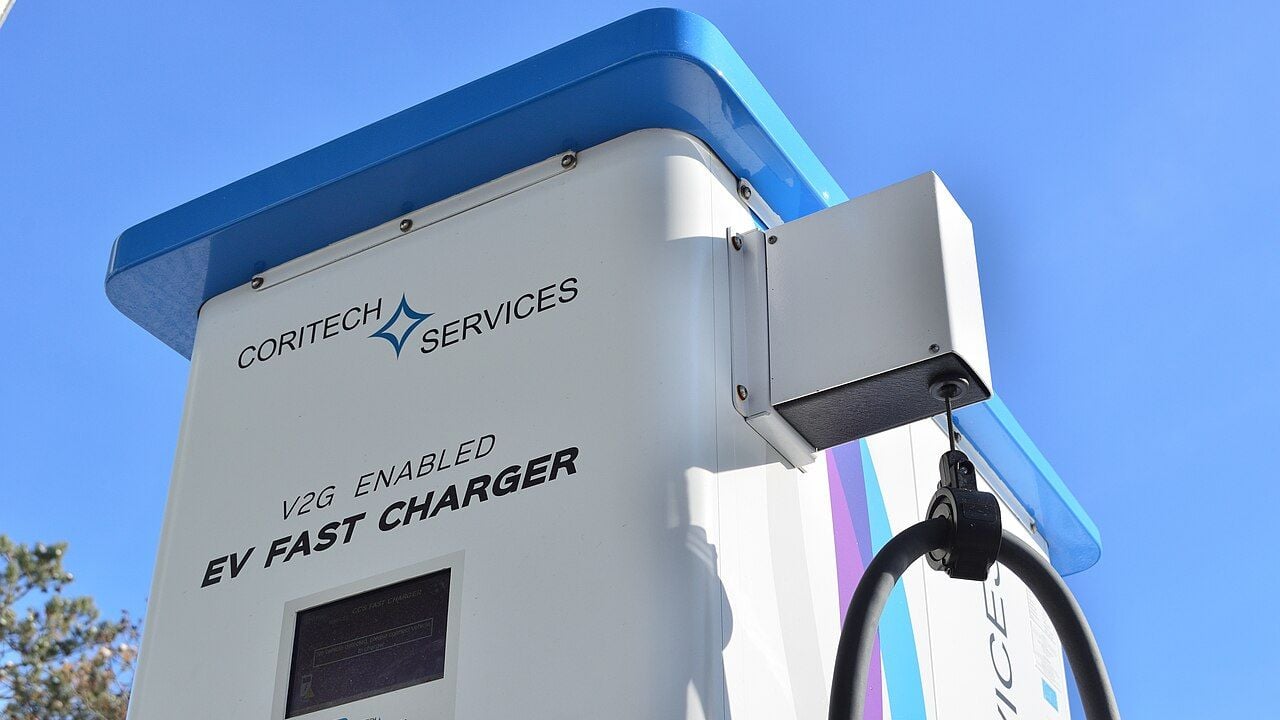

Electric vehicles (EVs) and other electrified technologies are accelerating global electricity demand at a pace that existing grids are struggling to meet.
According to the International Energy Agency’s Electricity 2025 report, global electricity demand is projected to grow at an average annual rate of 3.9% between 2025 and 2027, following a 4.3% increase in 2024. Most of this growth is expected to come from emerging economies, with China alone accounting for more than half of the gains.
This surge is driven by the expansion of EVs, AI-powered data centers, rising industrial power consumption, and even increased air-conditioning use as the planet warms. For automakers and EV enthusiasts, the findings signal opportunity and risk in the rapidly electrifying mobility sector.
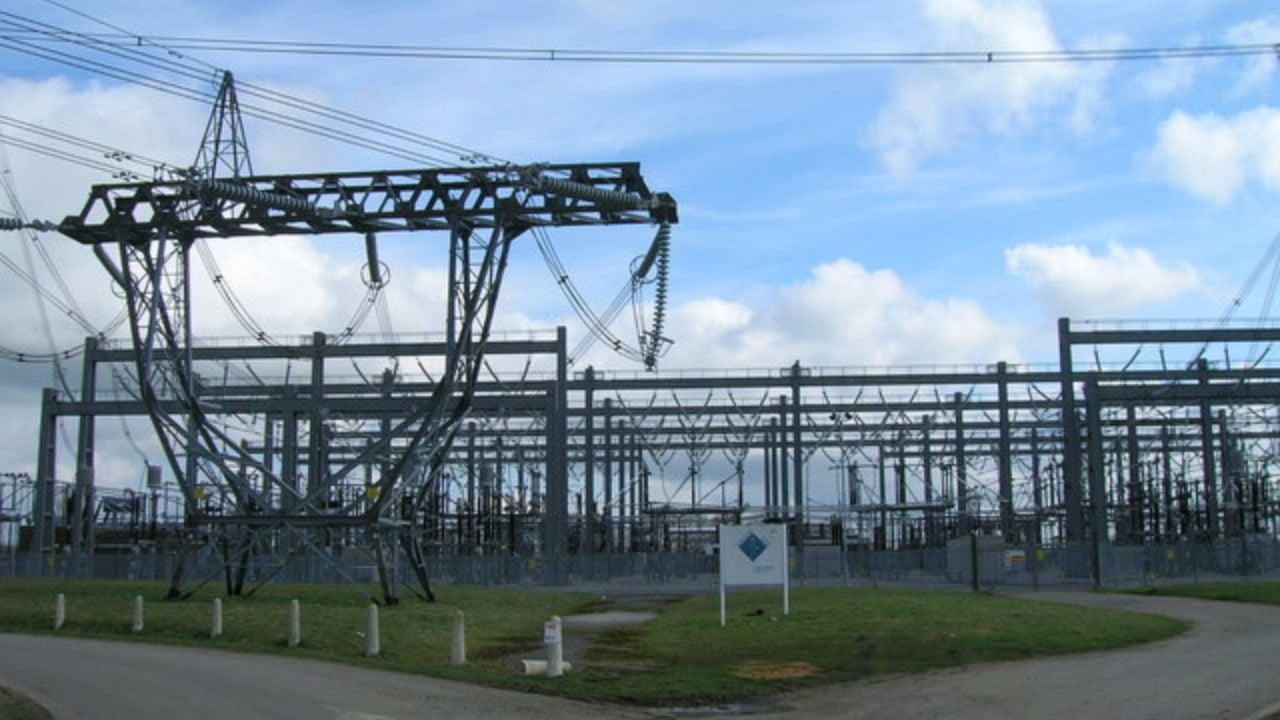
The IEA calls this period the “Age of Electricity,” noting that electricity demand is expected to rise more than two and a half times faster than total energy consumption over the next five years.
While emerging economies are contributing the majority of this growth, developed nations are also seeing electricity use rebound after years of stagnation.
Wealthier countries alone will account for roughly one-fifth of the total increase in global electricity demand, reflecting the growing reliance on electrified transportation, smart infrastructure, and consumer electronics.
Grids Are the Bottleneck
On the supply side, the global energy mix is shifting. Renewable energy, particularly solar, has surged in recent years and, according to the IEA, has essentially caught up with coal in 2025. Nuclear energy has also reached record output levels.
By 2030, renewables and nuclear combined are expected to supply half of global electricity, up from about 42 percent today. Natural gas continues to expand in regions such as the United States and the Middle East, replacing oil in power generation.
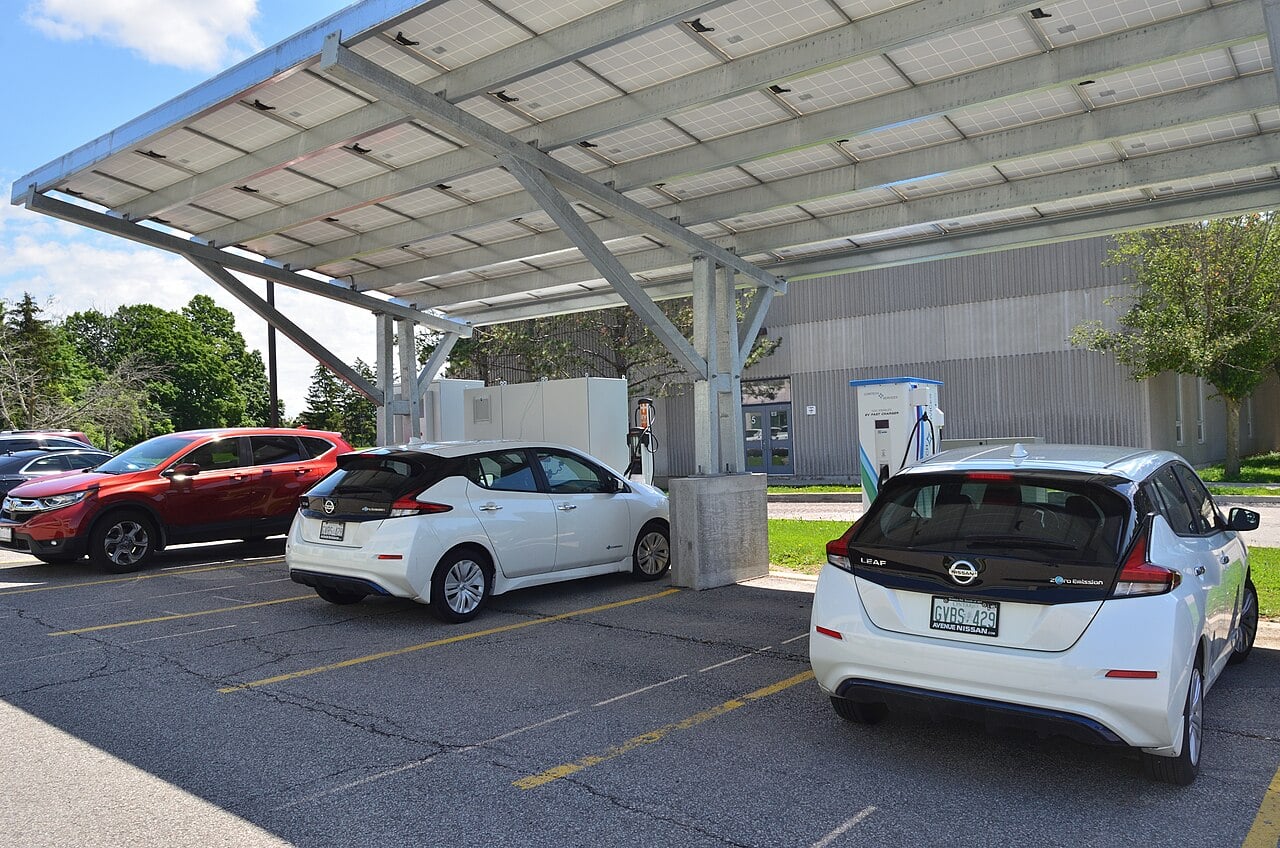
Meanwhile, coal is projected to fall to roughly 2021 levels. What’s a gearhead to do with all this data and forecast? The promise of cleaner electricity is critical for automakers racing toward zero-emission fleets, as the carbon intensity of charging directly affects overall EV sustainability.
Yet, generation growth is not the primary bottleneck. Instead, grid infrastructure is struggling to keep pace with demand. The IEA highlights that more than 2,500 gigawatts of projects—including renewables, battery storage, and large electricity consumers such as data centers—are stuck in grid connection queues worldwide.
When the IEA says projects are “stuck in grid connection queues,” it means that new power sources (like wind farms, solar plants, batteries, or even big electricity users such as data centers) are ready to be built, but they can’t actually plug into the electricity grid yet.
Think of the grid like a highway system. If too many cars want to merge onto the road at once, traffic backs up. Similarly, thousands of energy projects are waiting for approval and the necessary upgrades to connect to the grid. In some places, this waiting period can last years.
For everyday impact: this bottleneck slows down how quickly renewable energy and storage can be added, which in turn affects things like charging infrastructure for EVs. Even if we have enough clean power generation, it doesn’t help much until the grid can carry it to homes, businesses, and EV chargers.
In some regions, waiting years for approval has become the norm. This grid congestion is particularly relevant to the automotive sector, where widespread EV adoption relies on the timely integration of renewable and reliable electricity sources.
Solutions and Investment Are Urgently Needed
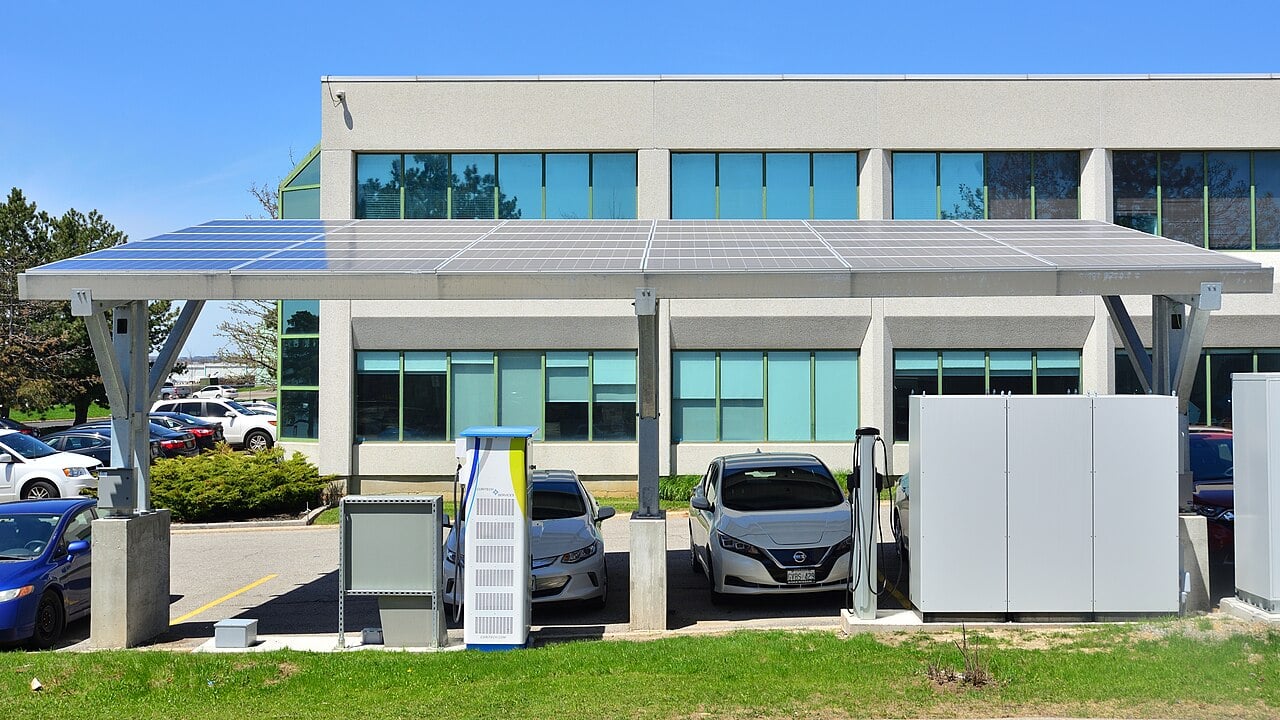
Smarter grid management could unlock much of this queued capacity without constructing entirely new lines. The report suggests that modern technologies and updated connection rules could connect up to 1,600 gigawatts of projects in the near term.
Utility-scale battery storage, already expanding in regions such as California, Texas, Germany, South Australia, and the United Kingdom, is improving grid flexibility by balancing variable renewable generation.
For EV infrastructure, this storage capacity could stabilize charging networks during peak usage and mitigate blackouts, ensuring that public and residential chargers remain reliable.
Investment in electricity grids, however, needs to accelerate. The IEA estimates that spending on grid modernization must rise by roughly 50 percent by 2030 to meet demand growth. Affordability is becoming a political challenge, with household electricity prices outpacing income growth in multiple countries.
High costs threaten not only consumers but also energy-intensive industries, which include EV battery production facilities and manufacturing plants.
Grid Resilience Is a Pressing Concern
Grid resilience is another pressing concern. Aging infrastructure, extreme weather events, cyberattacks, and physical threats pose risks to reliable electricity delivery.
The IEA emphasizes that modernizing grid operations and safeguarding critical infrastructure are no longer optional. For the automotive industry, a resilient electricity grid is essential to support widespread EV adoption, ensure charging reliability, and maintain the environmental benefits of clean energy.
The takeaway is that EV growth is inevitable and accelerating, but the supporting grid infrastructure must keep pace. Without regulatory reform, smarter grid technologies, and faster permitting, electrification risks running into physical limits that could slow the transition.
Ultimately, owning an EV is still a smart move for cleaner transport, but the speed and reliability of charging depend on how quickly grids are modernized.
If investment and smarter grid management keep pace, charging will get cleaner, more stable, and more affordable. If not, EV adoption could face hiccups like slower charger rollouts, higher costs, or occasional reliability issues.