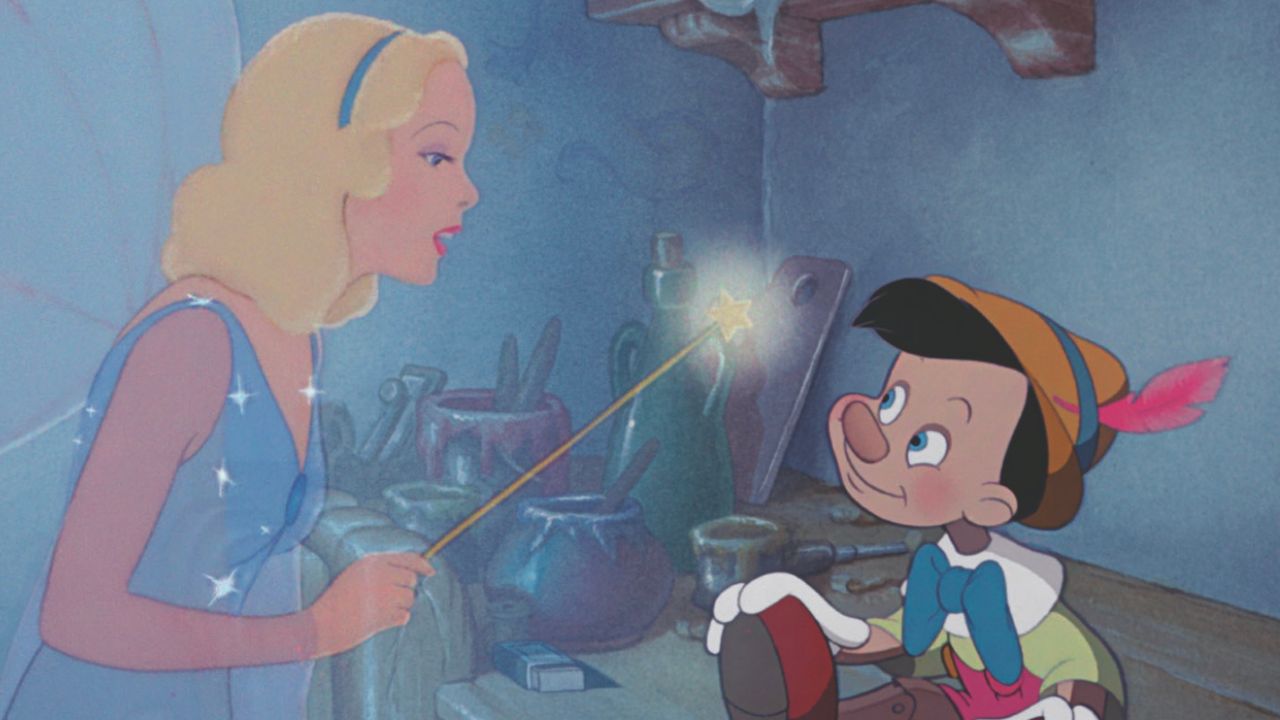
When people hear the name Pinocchio, they likely will think of the 1940 animated film from Walt Disney Pictures. The timeless classic remains one of the most beloved Disney films, with its iconic moments and music deeply ingrained in our collective memory.
Many may not know that the film is based on the 1883 children’s book by Italian author Carlos Collodi. Likewise, as dark as the Disney film gets, the book has much darker elements. Regardless, the story has so much depth and a legacy that endures.
That legacy includes a rich history that goes beyond film, with a presence in Disney Parks worldwide. In celebration of Pinocchio day, let’s explore how Pinocchio became a staple in the popular theme parks, bringing joy to the young and young at heart.
Walt Disney’s Animated Classic
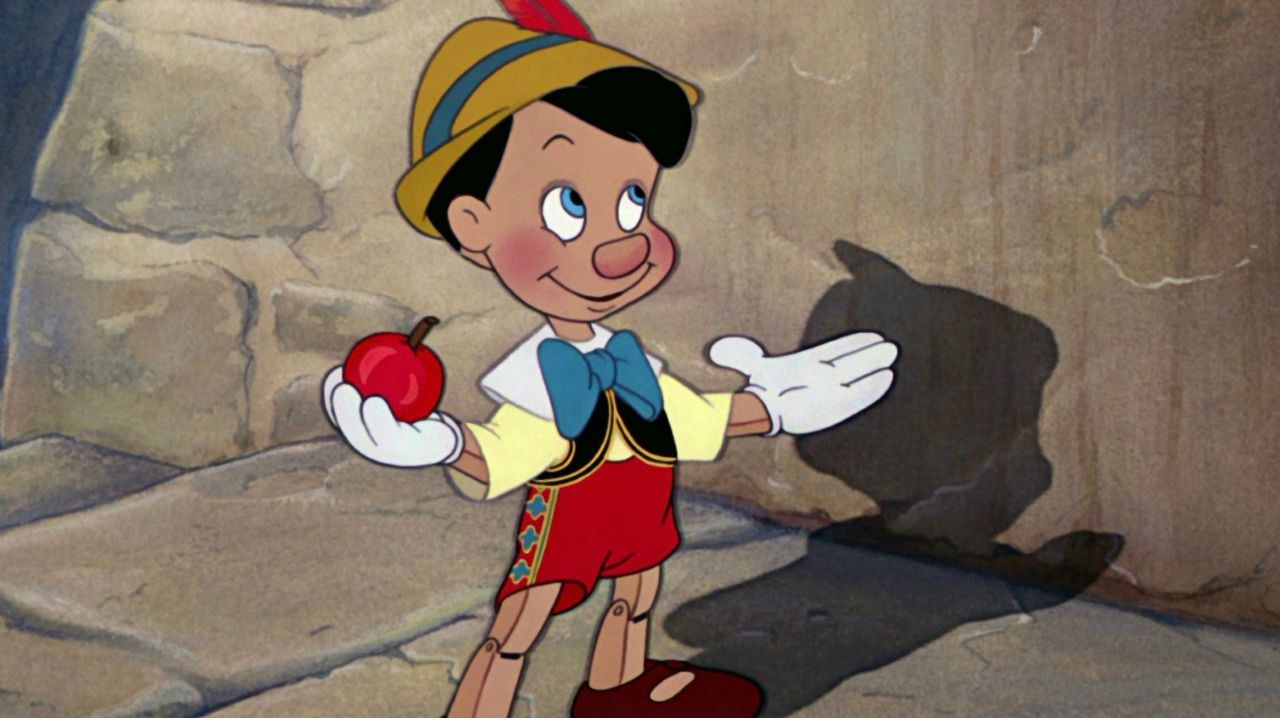
After the tremendous success of Walt Disney’s (and the world’s) first full-length animated feature, Snow White and the Seven Dwarfs, (1937), the studio followed up with another masterpiece, Pinocchio (1940). The profound and engaging film tells the story of the kind woodworker, Gepetto, and his puppet, Pinocchio, brought to life by a wish and a magical fairy. Through many adventures and trials, Pinocchio learns how to be “Brave, truthful, and unselfish,” with the help of his “conscience,” Jiminy Cricket.
Although critically acclaimed, Pinocchio was a financial disappointment in 1940, due to its massive budget and poor overseas earnings, because of World War II. It wasn’t until after a re-release in 1945 that Pinocchio earned a substantial profit, making it the classic it’s known for today.
Pinocchio also became the first animated film to win both Original Song and Score at the Academy Awards, a feat that Disney dominated during the 1990s.
Disneyland’s Fantasyland 1955 vs. 1983
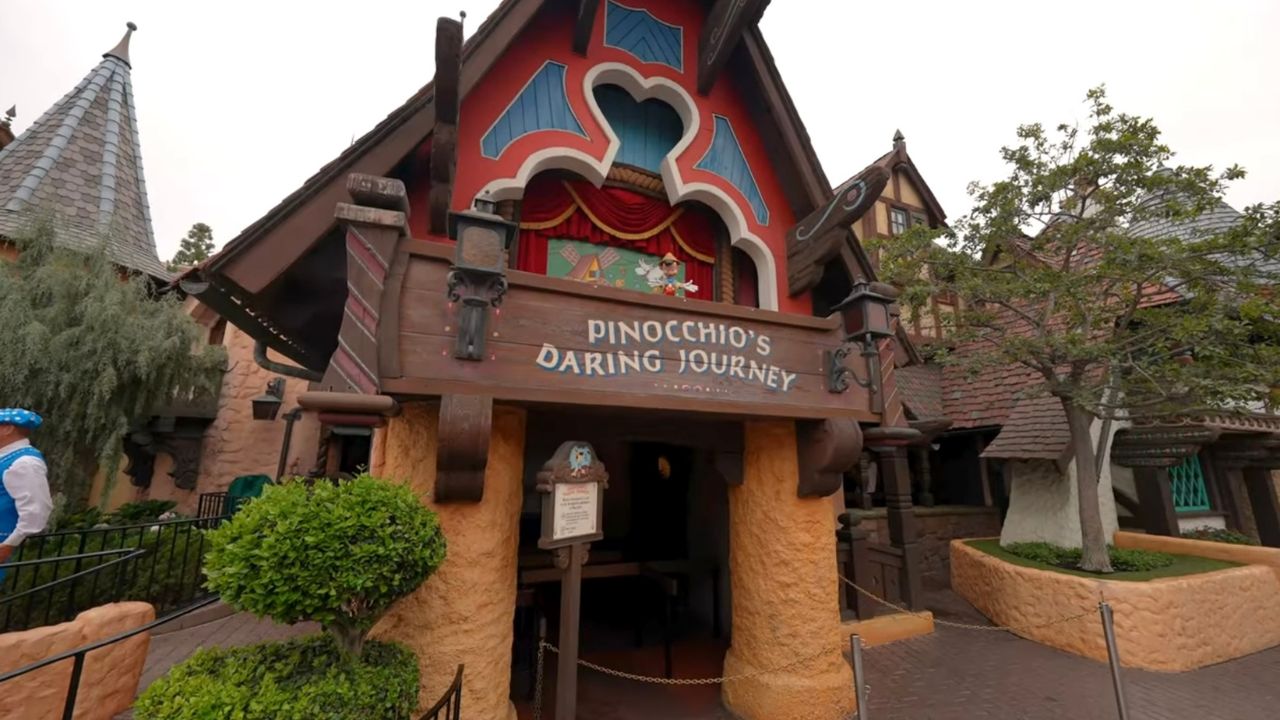
Being one of Disney’s finest films, one may think that its presence at Disneyland has been there since the beginning. Indeed, many believe a Pinocchio ride was one of Disneyland’s opening day attractions in 1955. On the contrary, initially, Fantasyland included rides inspired by Peter Pan, Snow White, Dumbo, Alice in Wonderland, and The Adventures of Ichabod and Mr. Toad, respectively, but not Pinocchio.
It wasn’t until Fantasyland underwent a major transformation in 1983 that Imagineers conceived a ride based on the 1940 film. The land was given a beautiful and significant makeover, abandoning the Renaissance medieval aesthetic for a European and Bavarian village look, reminiscent of the fairy tales many Disney films are based on.
Pinocchio’s Daring Journey in Disneyland
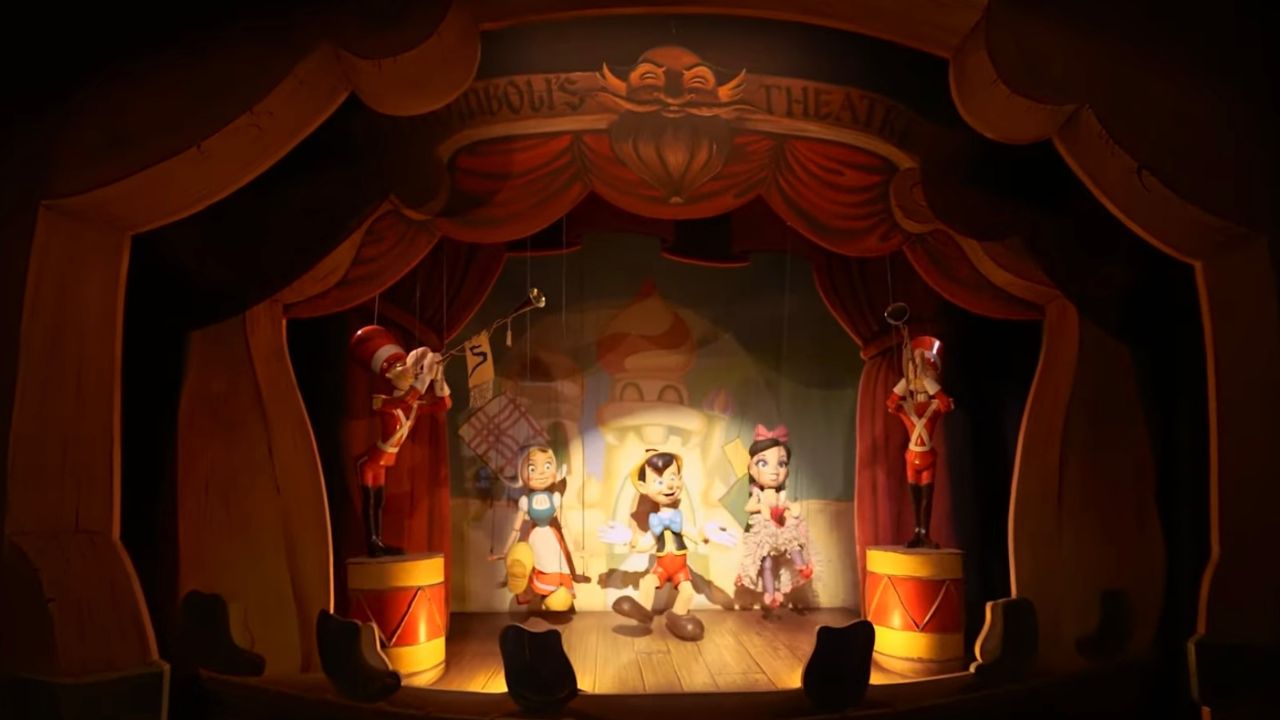
With the transformation of Fantasyland in 1983, Pinocchio’s Daring Journey took up residence in the former Mickey Mouse Club theater. Like the other attractions, the exterior architecture blends the Bavarian style with one that reflects each film’s story origin. In the case of Pinocchio, the attraction’s facade has Italian touches meant to resemble Stromboli’s puppet theater.
The dark ride tells an abbreviated version of the film: Pinocchio’s journey on stage, his capture by Stromboli, the dangers of Pleasure Island and Monstro the Whale, and finally his reunion with his father, Geppetto.
A staple since its debut, this dark but whimsical attraction has remained a beloved Fantasyland fixture
Pinocchio’s Daring Journey in Tokyo Disneyland and Disneyland Paris
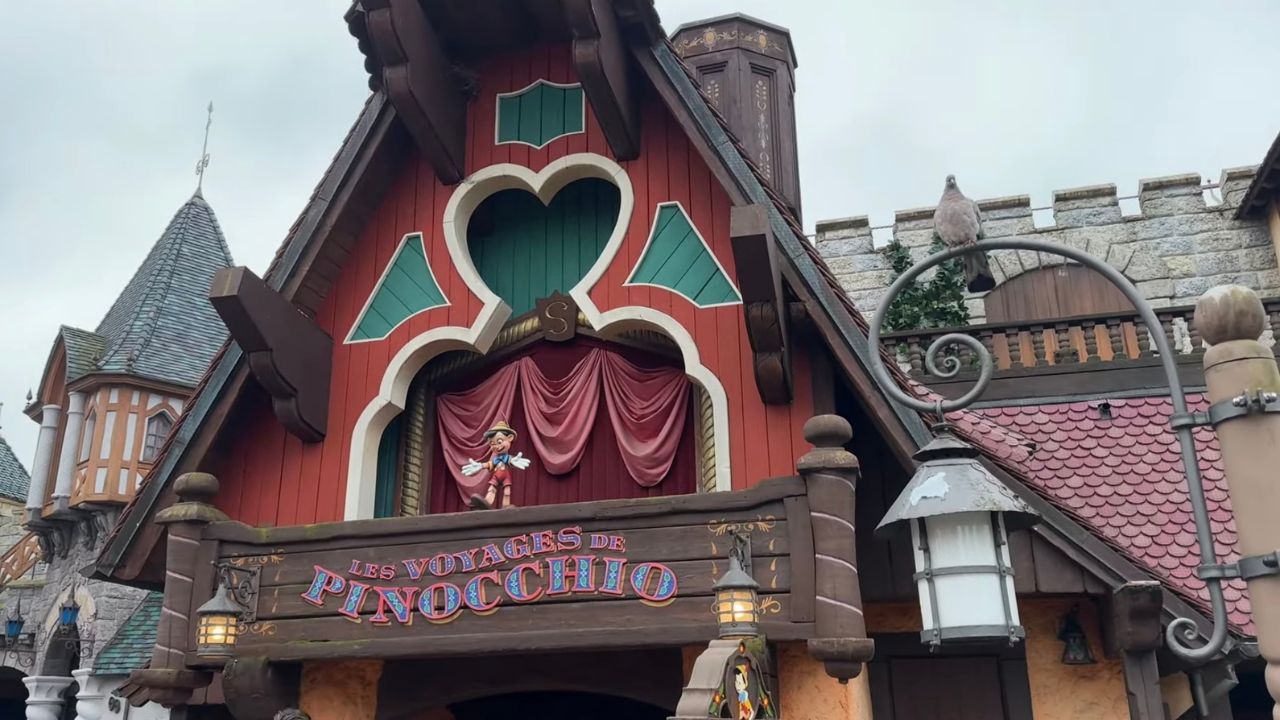
Even some of the most ardent Disney fans don’t know that Pinocchio’s Daring Journey did not first debut at Disneyland in Anaheim, California. Unlike Walt’s original park, Disney’s first international theme park opened with Pinocchio as an opening day attraction.
Indeed, before Disneyland’s version opened on May 23, 1973, the attraction opened in Tokyo Disneyland Park on April 15. This two-minute attraction also became a part of Disneyland Paris as an opening day attraction on April 12, 1982, titled Les Voyages de Pinocchio.
The exterior varies ever so slightly between each park. Likewise, the ride experience is identical, except for one major difference. The ride features voice work that coincides with each country’s national language, in English, Japanese, and French.
These videos from Document Disney, LMG Vids, and Mousesteps/JWL Media showcase these variations.
Gepetto’s Shop
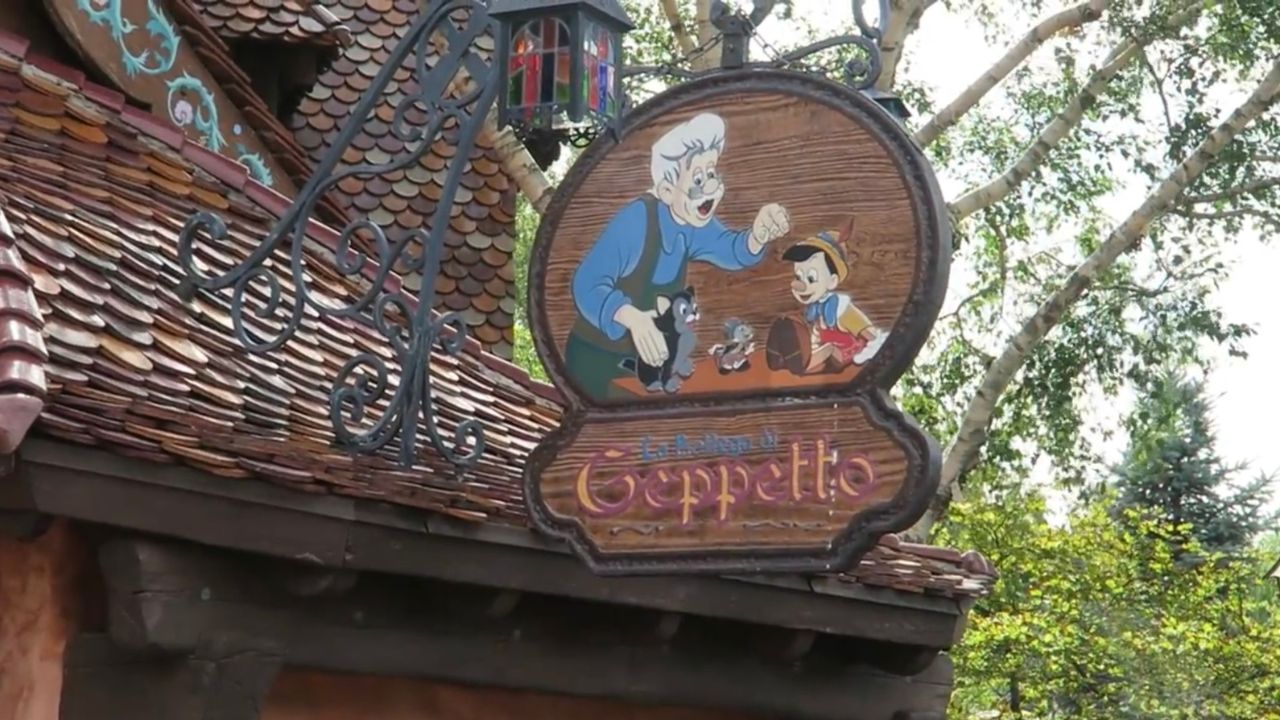
In addition to the dark ride, Pinocchio’s theme park presence also includes a gift shop- and one that’s gone through a few iterations. In 1983 at Disneyland, the shop, Gepetto’s Arts & Crafts, looked like it stepped right out of the film itself. Resembling Gepetto’s workshop from the movie, this store featured beautiful wood carvings and sold marionettes, figurines, and traditional cuckoo clocks. As a child, my parents purchased me one of these clocks, and I still cherish it today.
With changing times, Disney shifted from these unique items to more standard park merchandise, re-naming it Gepetto’s Toys and Gifts. The store then changed briefly to a candy shop until its closure in 2010. A few character experiences for Tangled, Frozen, and Beauty and the Beast briefly took up residence, but the space currently remains empty. Disneyland Paris still has a Pinocchio-themed store, La Bottega di Gepetto, selling standard merchandise such as plushies and apparel.
In my humble opinion, it’s high time to bring back the unique charm of the original Gepetto Shop and offer items that guests cannot find anywhere else.
Storybook Land Canal Boats
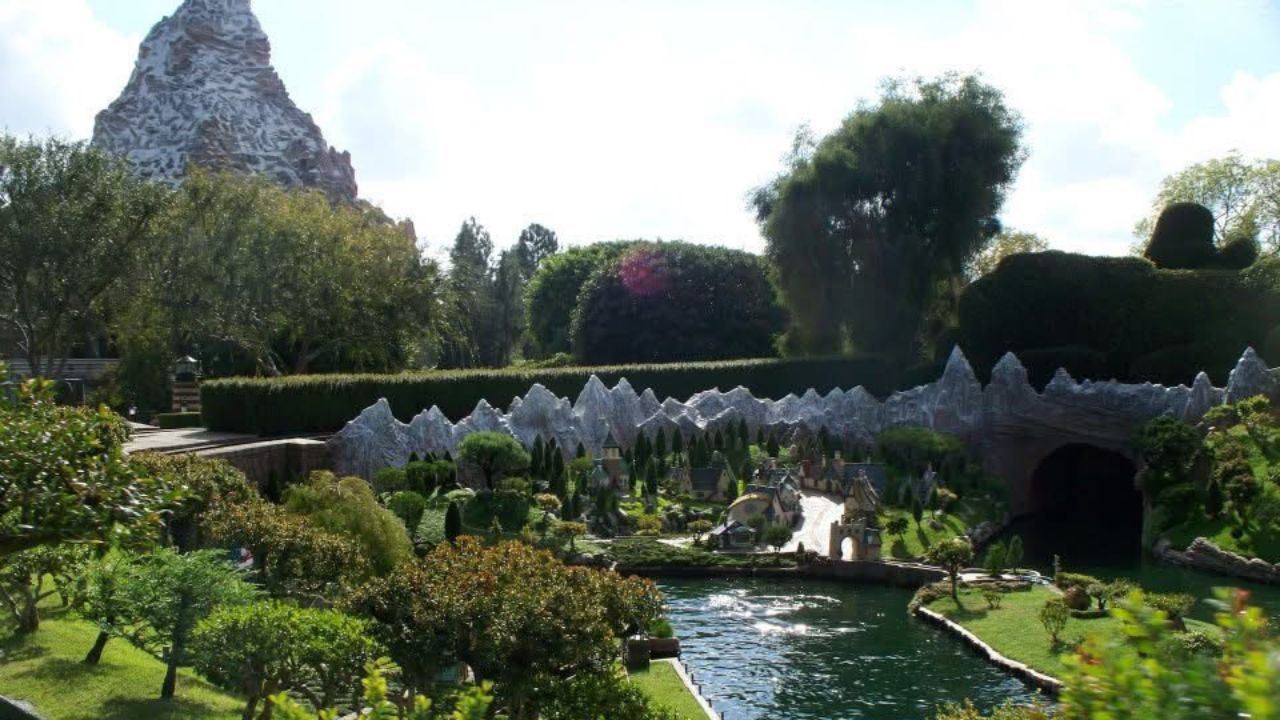
Fantasyland’s lovely attraction, the Storybook Land Canal Boats, offers passengers a peaceful experience through beautiful miniatures from classic Disney films. Consequently, many films get double the presence, including Pinocchio.
Guests enter Storybook Land through Monstro the whale, making for a fun if somewhat imposing beginning to the ride. Additionally, the Pinocchio village is one of the largest areas of the attraction. Geppetto’s workshop sits prominently at the front of the miniature Italian village and below snow-capped mountains.
In addition to the boat ride, guests can get a glimpse of this miniature Pinocchio village while riding Casey Jr. Circus Train.
Pinocchio’s Restaurants
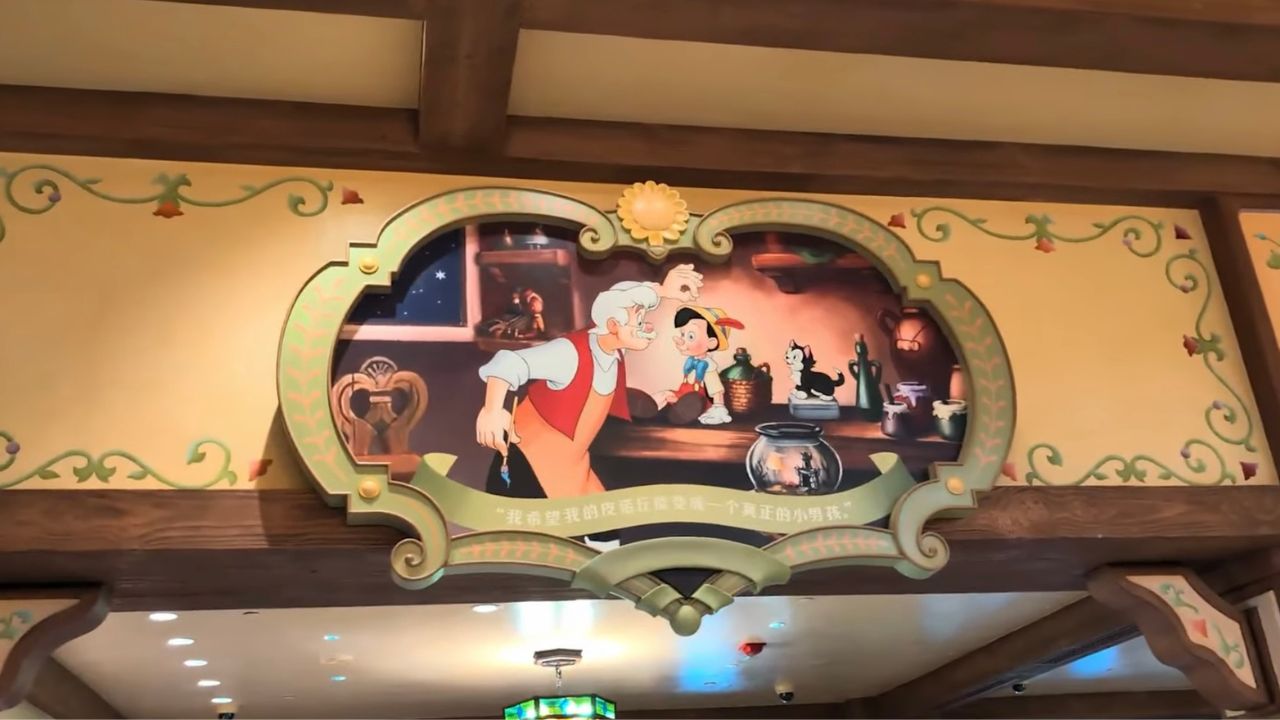
Along with Pinocchio’s Daring Journey, the Pinocchio Village Haus Restaurant opened in 1983 as part of the new Fantasyland in Disneyland. Originally named the Village Inn, this quick-service eatery featured large, colorful murals of the characters throughout the restaurant, as well as appropriate wood-carved touches. A staple of my childhood visiting Disneyland, the restaurant was re-themed to Beauty and the Beast, coinciding with the live-action remake in 2017. Now named Red Rose Tavern, the interior mostly features art and architecture from the animated version of the film.
For those who miss the Pinocchio version of the restaurant, they need look no further than Disney’s other parks. Disneyland Paris has Au Chalet de la Marionnette, located near the Fantasyland ride. The aesthetics and menu resemble its American counterpart with a Swiss Alpine style and quick service offerings like burgers and sandwiches.
Despite no accompanying attractions, Walt Disney World’s Magic Kingdom and Shanghai Disneyland include Pinocchio-themed establishments. The Village Haus Restaurant in Magic Kingdom remains unique with its two-story building, with some seating that overlooks the inside of It’s a Small World. In Shanghai, it’s called Pinocchio Village Kitchen, which features intricate murals throughout the restaurant, with a menu of pizza, rice bowls, and noodles.
Disney Parks Characters
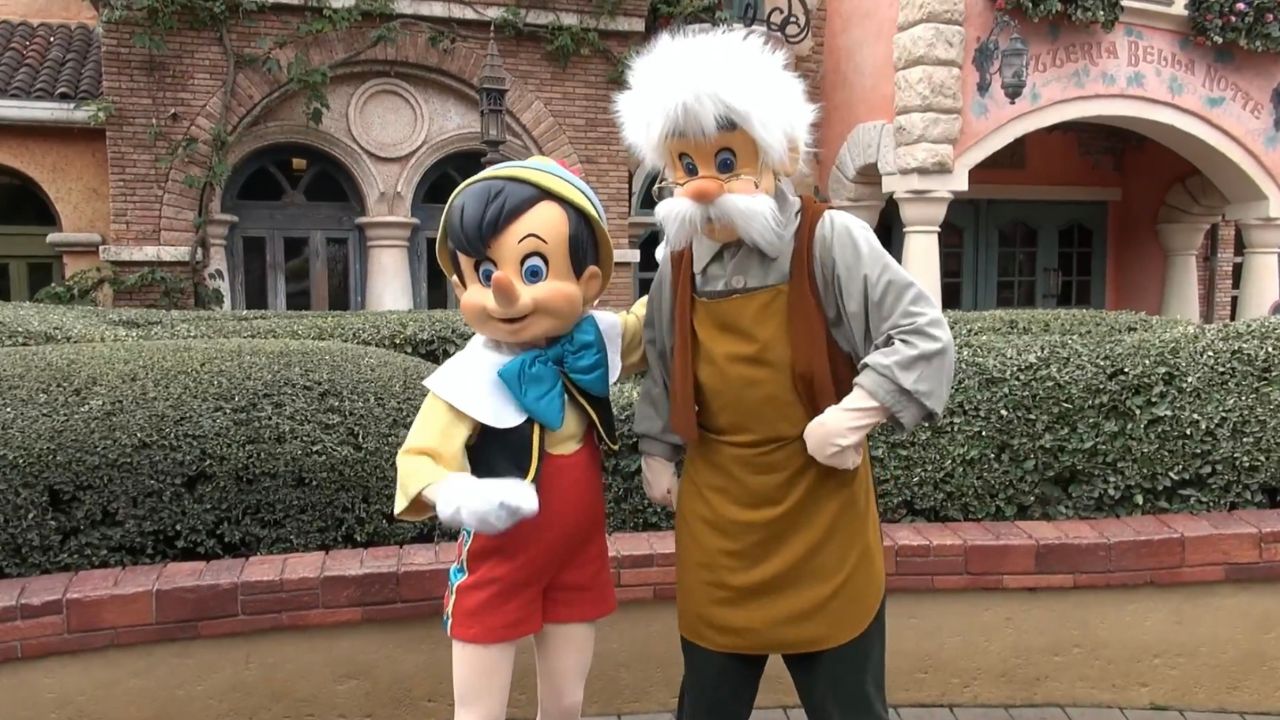
A favorite for many visitors, young and old, has always been seeing Disney characters. Each park has numerous ones that roam throughout the lands and have designated meet and greets. In Disneyland, guests will primarily see Pinocchio and Geppetto roaming through Fantasyland, and both will interact and take photos. Occasionally, you can also see Honest John and Gideon, and on the rarest occasion, such as an after-dark event, Jiminy Cricket and the Blue Fairy.
Walt Disney World differs from Disneyland in that characters do not freely walk around the park. Instead, guests can meet them at various locations. Pinocchio and Geppetto can be found in Magic Kingdom and Hollywood Studios. This video showcases the fascinating evolution of Pinocchio in Disney Parks throughout the years.
Parades and Entertainment
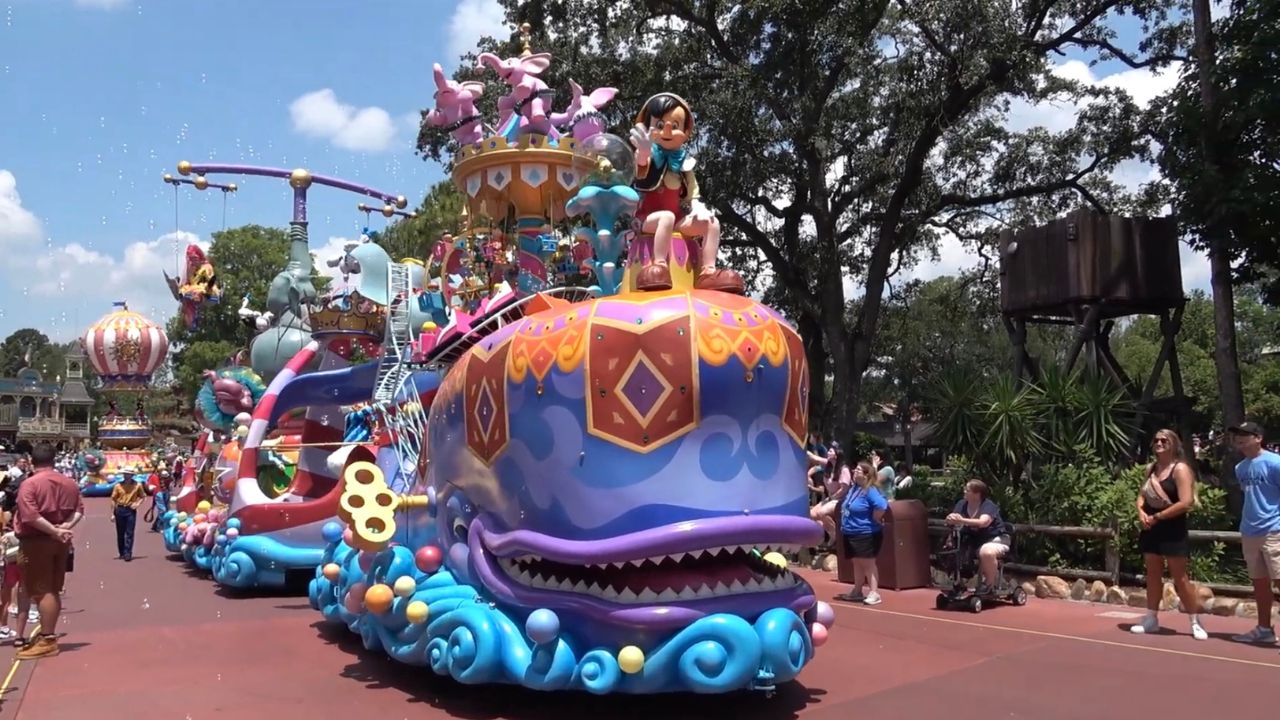
In addition to meeting them up close, the characters from Pinocchio have always featured prominently in various parades and entertainment shows at all of the Disney Parks. Some parades past and present include the Main Street Electrical Parade, A Christmas Fantasy Parade, Disney Share a Dream Come True Parade, and Festival of Fantasy Parade.
Disneyland and Disneyland Paris also feature Pinocchio during Fantasmic, although the former has been downgraded over the years. The original World of Color in Disney California Adventure also features scenes from Pinocchio.
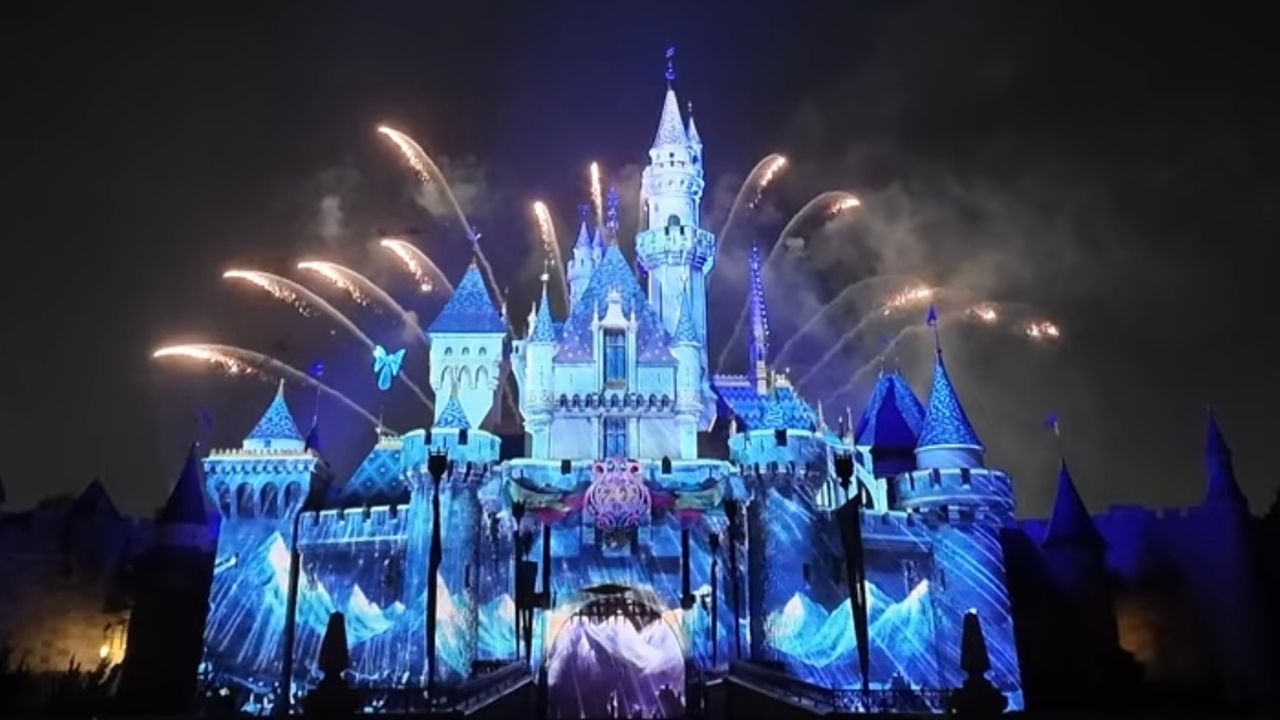
Lastly, no fireworks show would be complete without a nod to Pinocchio, especially its music. Numerous fireworks shows throughout the years have included projections of scenes and characters, as well as the songs “I’ve Got No Strings” and “When You Wish Upon a Star.” The most recent Disneyland Fireworks Show, “Wondrous Journeys,” even features the Blue Fairy flying above Sleeping Beauty Castle.
“When You Wish Upon a Star”
The Academy Award-winning song from Pinocchio does more than accompany the film’s storyline and themes. Indeed, “When You Wish Upon a Star” has become Disney’s everlasting theme song. Consequently, the song, both sung and instrumental, will forever be a staple in Disney Parks.
Guaranteed, a trip to any one of the parks throughout the world will include the tune. Composed by Leigh Harline and Ned Washington, the song’s lilting melody and heartfelt, inspiring lyrics are indeed synonymous with Disney and all it encompasses.
For a day that celebrates Pinocchio, that must always include listening to this timeless classic. On your next trip, whether it be in the esplanade, during a parade, a fireworks show, or riding one of the attractions, hearing “When You Wish Upon a Star” will no doubt inspire wistful feelings of joy and hope.