

Beginning Feb. 6, 2026, the Florida Department of Highway Safety and Motor Vehicles (FLHSMV) will require all driver’s license tests to be administered exclusively in English. This effectively ends multilingual exams and interpreter services that for years helped tens of thousands of residents qualify for legal driving privileges.
This includes written knowledge tests, practical skills evaluations, and even oral exams — across every license category, from learner permits to commercial truck credentials.
Officials say the new rule is about safety and clarity on the road. “FLHSMV remains committed to ensuring safe roadways by promoting clear communication, understanding of traffic laws, and responsible driving behavior,” the agency’s announcement states.
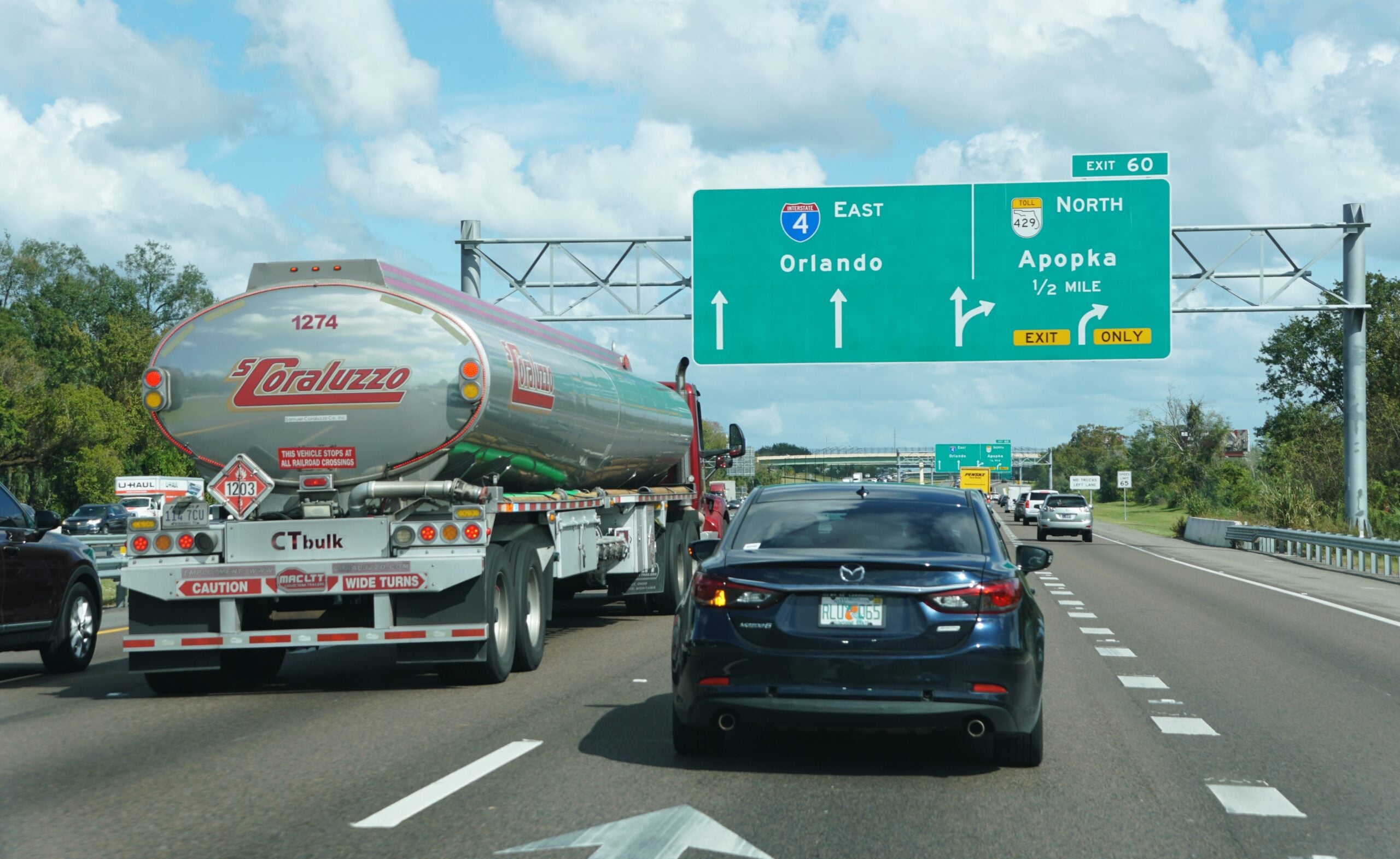
But in a state where nearly 30 % of residents speak a language other than English at home, and Spanish alone is the first language for millions, critics see a different reality.
Safety Rationale vs. Evidence
Florida leaders and supporters of the policy argue that motorists who cannot understand English may be slower to process critical road signs or interact with law enforcement.
The policy was reportedly accelerated after a high‑profile fatal crash last year in which a truck driver who spoke little English made an illegal turn that killed three people — and later reportedly failed an English‑language proficiency test.
But independent fact‑checkers and safety experts warn that the evidence tying language to crash risk is far from clear. A PolitiFact analysis found no major studies showing drivers who take tests in other languages pose a unique hazard on the road and noted that most traffic signs rely on universal symbols rather than text.
They also caution the change may unintentionally drive more people into unlicensed and uninsured driving, a documented public safety concern as uninsured motorists is more likely to flee after a crash and less likely to carry adequate coverage.
Real Lives on the Line
On the ground, reactions are sharply divided.

In Jacksonville, residents told local news outlets they’re rushing to take exams before the multilingual options disappear or watching with anxiety as friends and neighbors struggle to prepare in a language they’re still mastering. “I feel anxiety and worried,” said one test‑hopeful through an interpreter. “Imagine not dominating English perfectly.”
Supporters, meanwhile, frame the policy as a logical requirement. “If you can’t read English, how are you going to read road signs?” one resident told a broadcaster. Others say basic English comprehension should be part of shared civic life.
Tax collector offices, which administer the exams locally, find themselves in the awkward position of implementing a policy some say was handed down with limited guidance and little outreach. One local tax collector said she still didn’t know whether drivers who previously passed multilingual tests might someday have to retest under the new rule.
Political Currents and Cultural Crosswinds
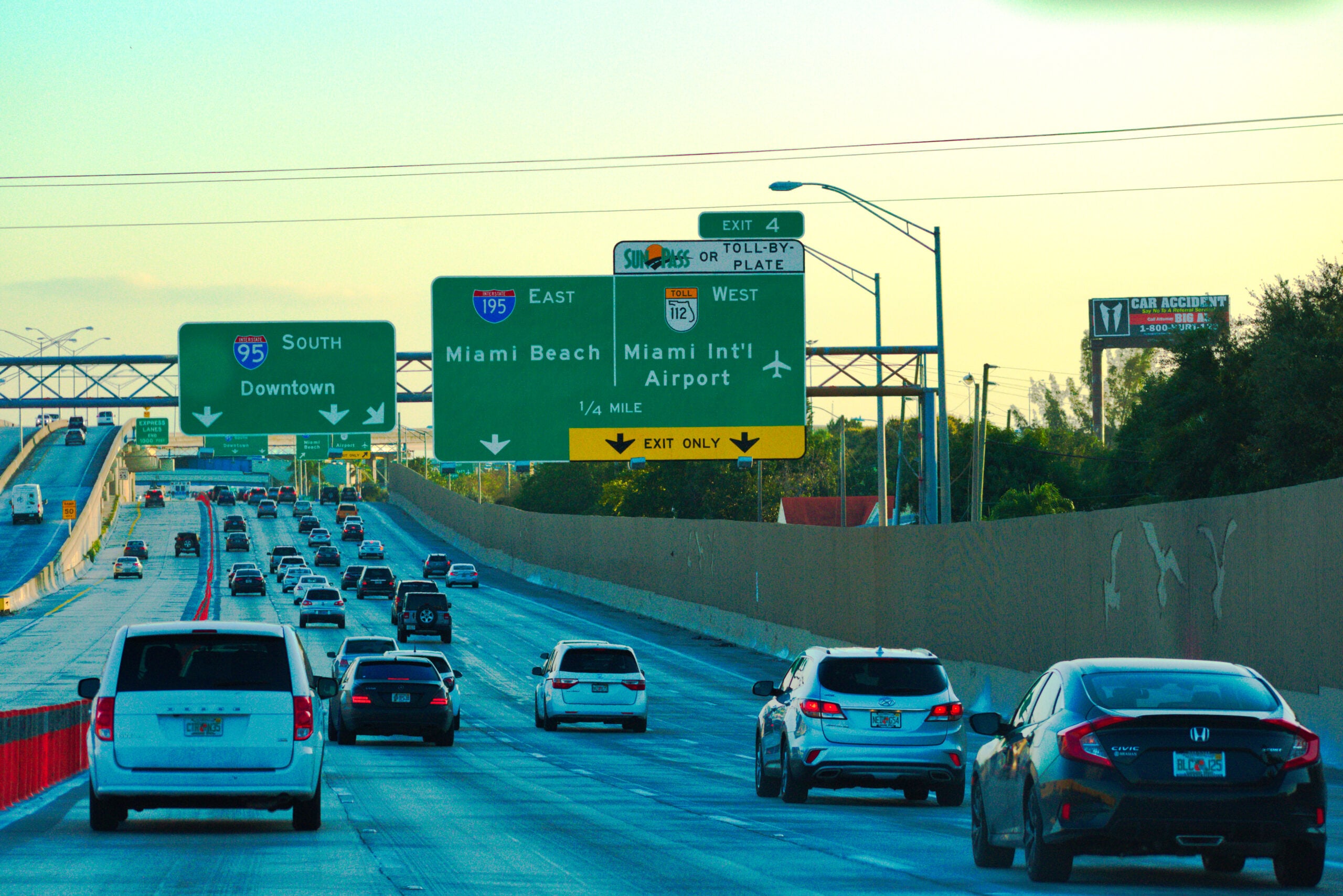
The debate taps into broader national tensions over language, identity, and access to public services. In Florida, it aligns with recent state moves and federal discussions about English proficiency requirements for commercial truckers and other public safety roles.
Critics, and that includes Democratic leaders, say the policy isn’t really about safety, but about race and rhetoric, in a state with deep linguistic and cultural diversity. “In one of the most multilingual states in the country, Florida is going to implement driver’s license exams exclusively in English. This is not about safety, this is about racism,” one political leader posted on social media.
Proponents dismiss such claims as political rhetoric, insisting that a common testing language will ultimately benefit all drivers, much as many other states have long required English‑only licensing.
What’s Next?
Feb. 6 is right around the corner, with Florida poised to become a testing ground — literally and figuratively — for how language policy intersects with mobility rights, public safety, and civil inclusion.
For the families, students, and immigrants studying tirelessly in the days before the deadline, the issue is the difference between legally driving to work or being stuck on the sidelines, license pending, language barrier intact.
The aftermath of this shift, whether courts get involved, whether traffic safety statistics change, and whether unlicensed driving spikes, will likely define years of debate beyond Florida’s borders.
Sources: orangeobserver.com, Z105, WQCS