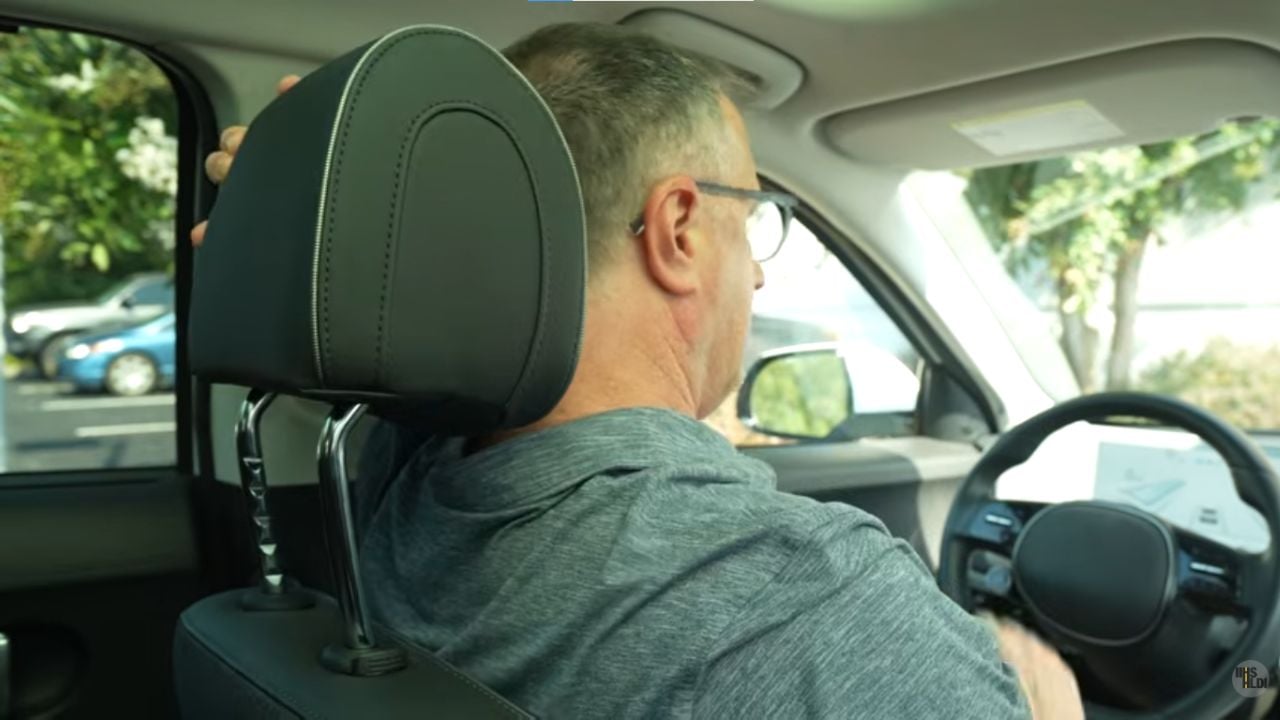

New testing reveals large gaps in how small SUVs protect occupants’ necks in real-world rear impacts.
The Insurance Institute for Highway Safety (IIHS) has unveiled a brand-new safety evaluation aimed at one of the most common injuries drivers and passengers suffer in rear-end collisions: whiplash.
Rather than simply rating seat belts and airbags, this test focuses on the complex interaction between the occupant’s head, neck, spine, and seat restraint systems when a vehicle is struck from behind.
What the IIHS found is sobering: of the 18 small SUVs that have been tested so far, only four deliver the level of protection experts believe significantly reduces the risk of neck and spinal injury.
Whiplash injuries are more than just a marketable headline in insurance claims. In the U.S., neck sprains and strains from rear-end collisions are among the most frequently reported injuries resulting from vehicle crashes.
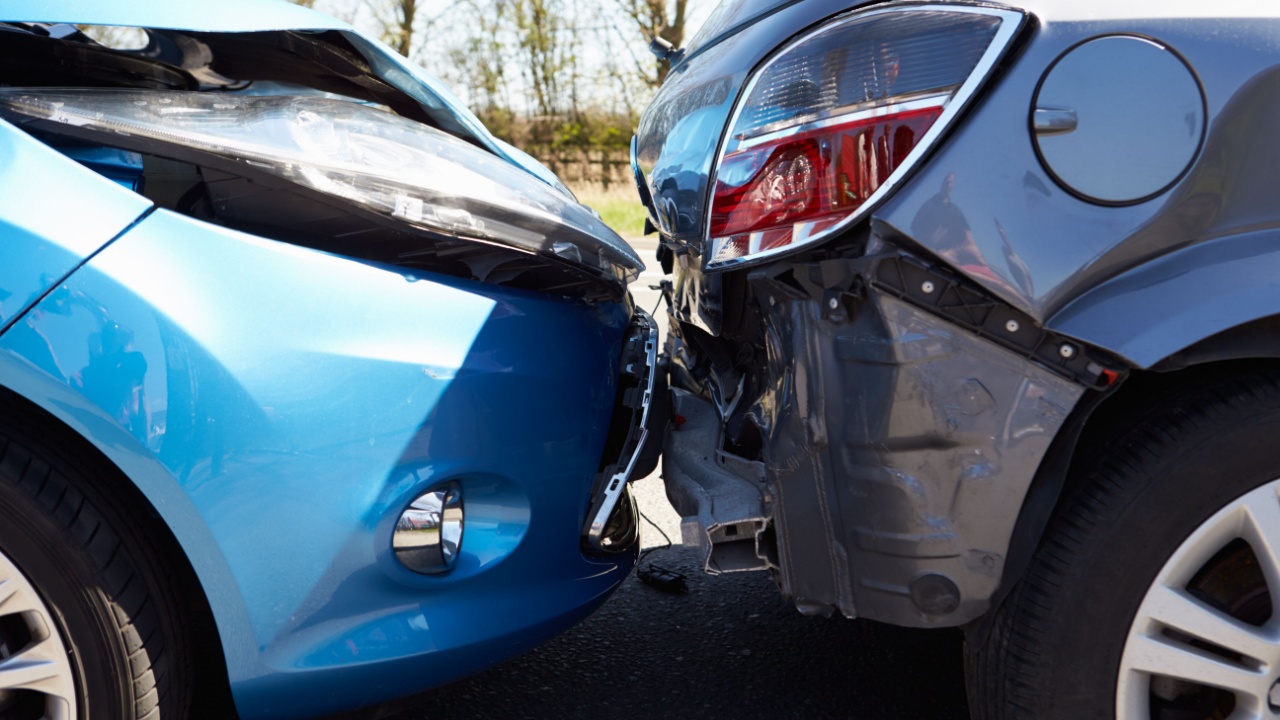
Standard crash tests have historically judged vehicles on overall structural integrity and restraint deployment. But as automakers improved those metrics, whiplash remained a stubborn problem.
The IIHS developed this new evaluation to push automakers past traditional standards and reduce the lingering injury rates that persist even when a car earns top marks in other crash tests. In other words, the IIHS is shifting the goal post.
The Whiplash Test
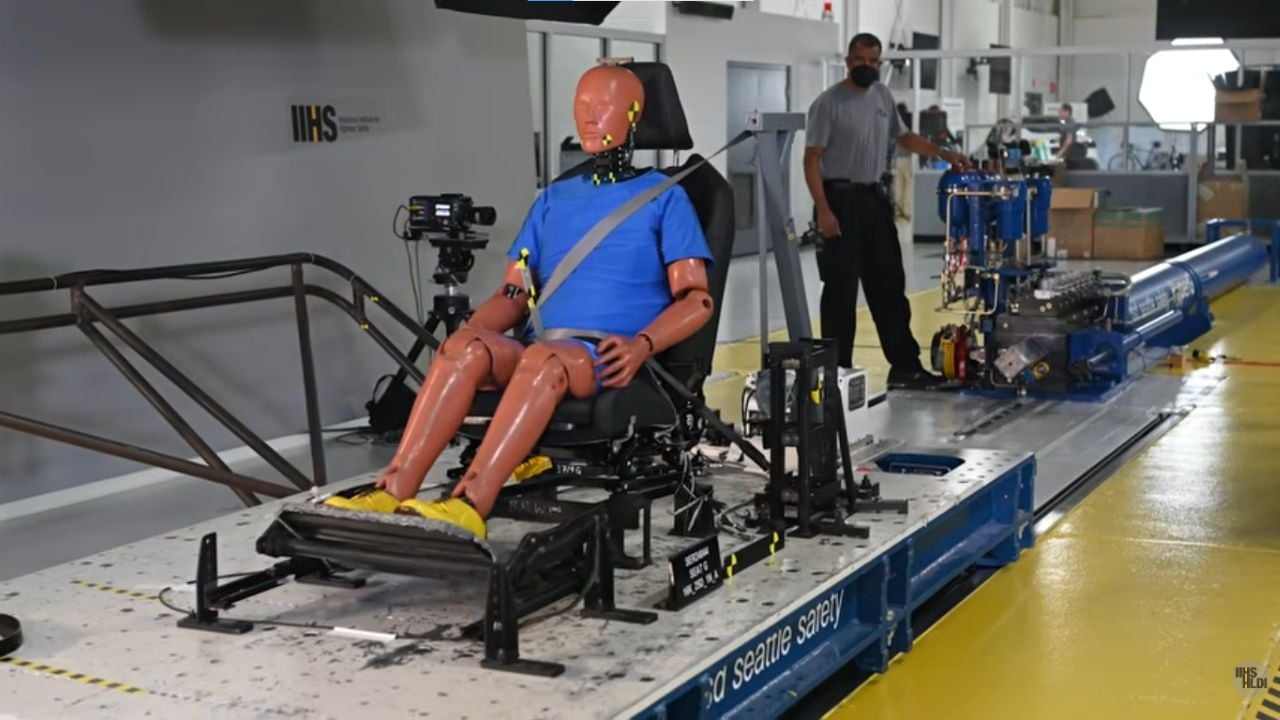
Instead of smashing whole cars into barriers, the IIHS uses a sled rig that holds an actual seat from the vehicle being evaluated. A specialized crash test dummy with an articulated spine is strapped in, and the sled accelerates to simulate rear-end impacts at two different speeds.
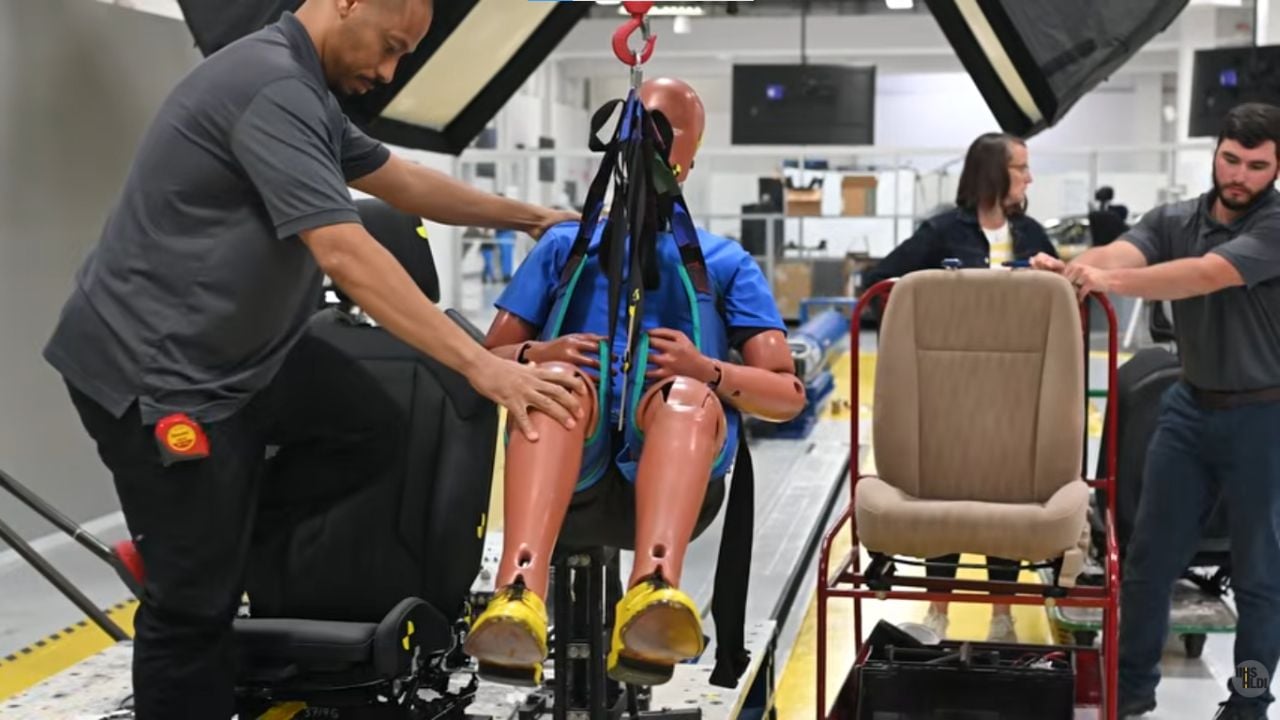
Engineers then study how forces travel through the seat and head restraint into the dummy’s body. They observe how far the head moves relative to the spine, how quickly the head makes contact with the head restraint, and how well the seat absorbs energy and keeps the spine aligned.
The goal is to reflect real-world crashes more closely than previous tests that used a single acceleration pulse and didn’t measure many of the stresses linked to whiplash in actual incidents. By including multiple pulses and detailed kinematic data, the IIHS hopes manufacturers will innovate seats and restraints that genuinely minimize the risk of injury.
The 4 “Good” SUVs
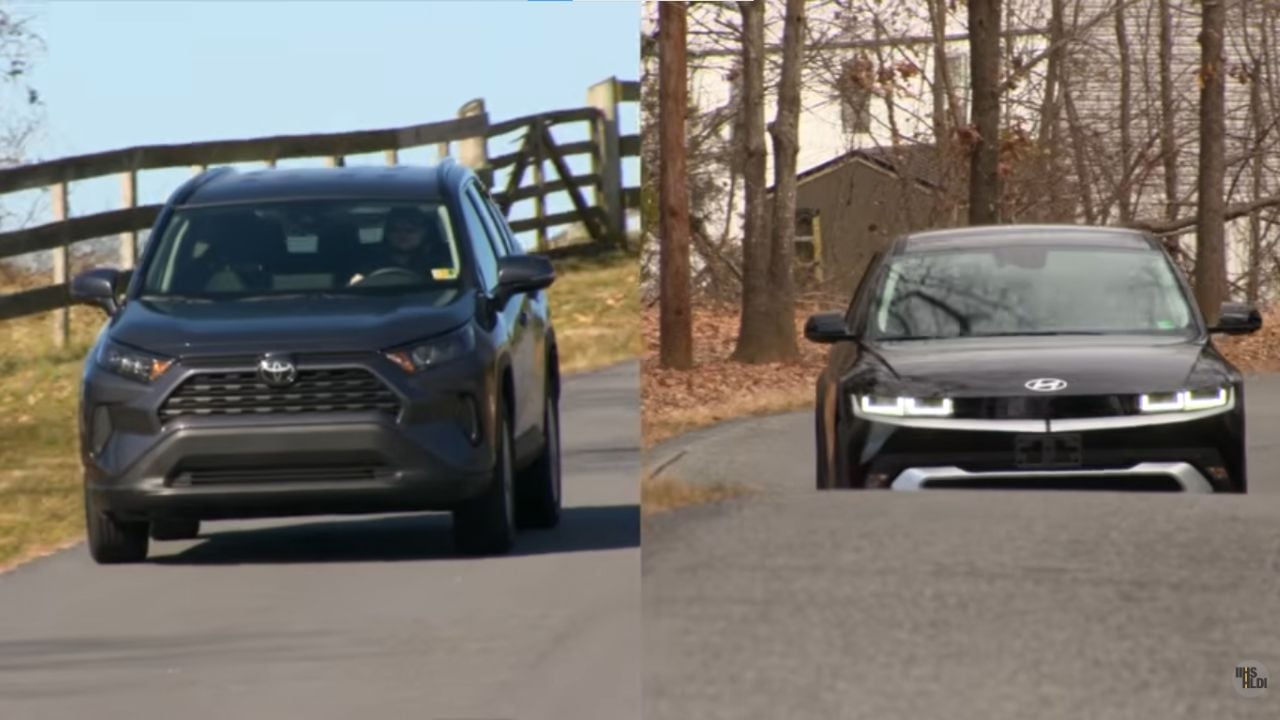
Only four of the 18 compact SUVs tested earned the IIHS’s Good rating, the highest possible score in this evaluation. These models kept the dummy’s head and spine aligned throughout the simulated crashes, showing minimal relative motion between the head and the torso.
In these vehicles, the cervical spine (comprising the upper seven vertebrae) retained a natural curve rather than stretching or straightening under impact forces.
The top performers were:
- Audi Q3 (2025 model year)
- Hyundai Ioniq 5 (2025–26 model years)
- Subaru Forester (2025–26 model years)
- Toyota RAV4 (2025 model year)
Each delivered superior head restraint performance and seat design that helped limit potentially harmful neck motions. This means drivers and passengers in these vehicles are better protected from the violent head and neck movements that cause whiplash in real collisions.
The Okay and the Ugly
Nine other vehicles earned an Acceptable rating. While not quite at the level of the best, these SUVs performed adequately across the key metrics, showing they provide reasonable protection but still have room for improvement.
This group includes familiar names like the Chevrolet Equinox, Honda CR-V, and Volvo XC40.
Two models received a Marginal rating, suggesting more serious shortcomings in their seat and head restraint systems. In these cases, the dummy’s head motion relative to the spine was greater than acceptable thresholds. The Nissan Rogue and BMW X1 fell into this category.
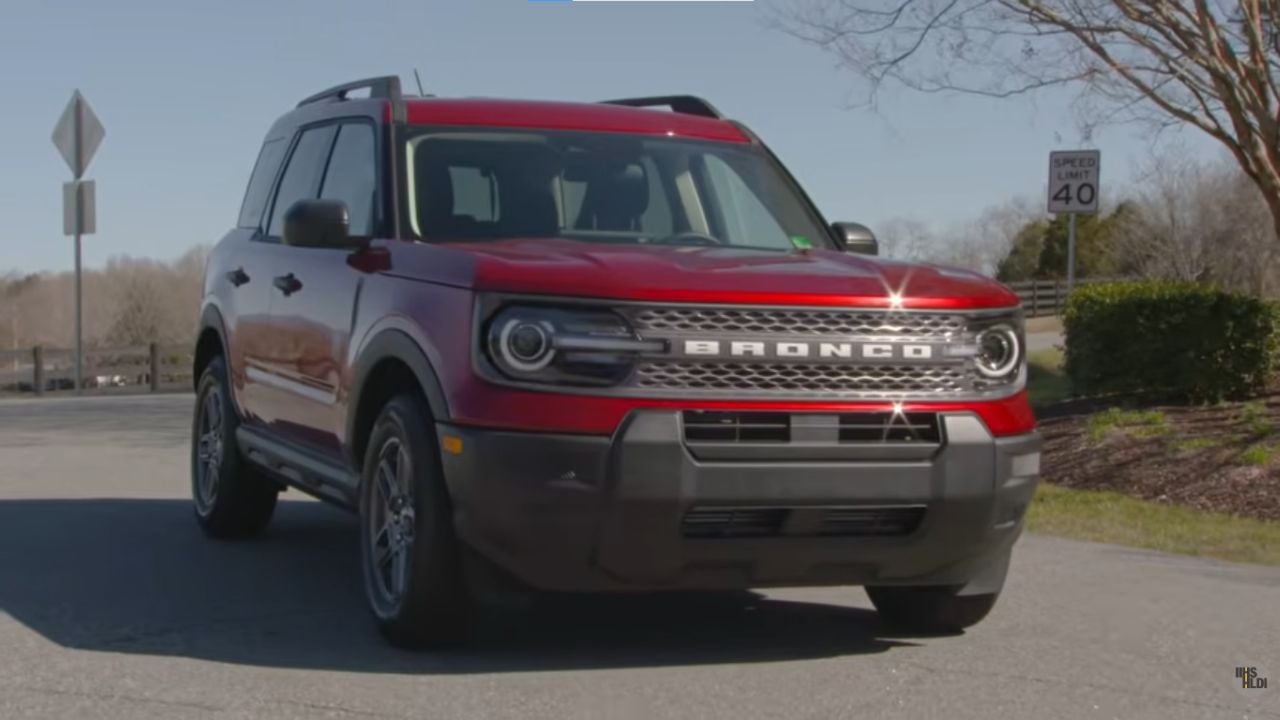
At the bottom were three vehicles rated Poor. In these tests, the head moved far too much relative to the spine, and in some cases the head restraint design contributed to unnatural posture changes that could increase injury risk. The Ford Bronco Sport, Hyundai Tucson, and Mazda CX-50 landed here.
Now What?
This new test brings attention to an issue that has been hiding in plain sight. Even vehicles with strong crash safety reputations can leave occupants vulnerable to neck injuries in rear-end impacts if their seats and head restraints fail to control motion effectively.
For auto shoppers today, natural motion and proper spine alignment can be as important as airbags and crumple zones. Automakers now face pressure to refine a part of occupant safety that has been overlooked for far too long.
As the IIHS expands this test to more models and more vehicle categories, consumers will have better insight into how well their next SUV protects not just bones and bodies but the delicate structures that support every driver and passenger.
Sources: IIHS