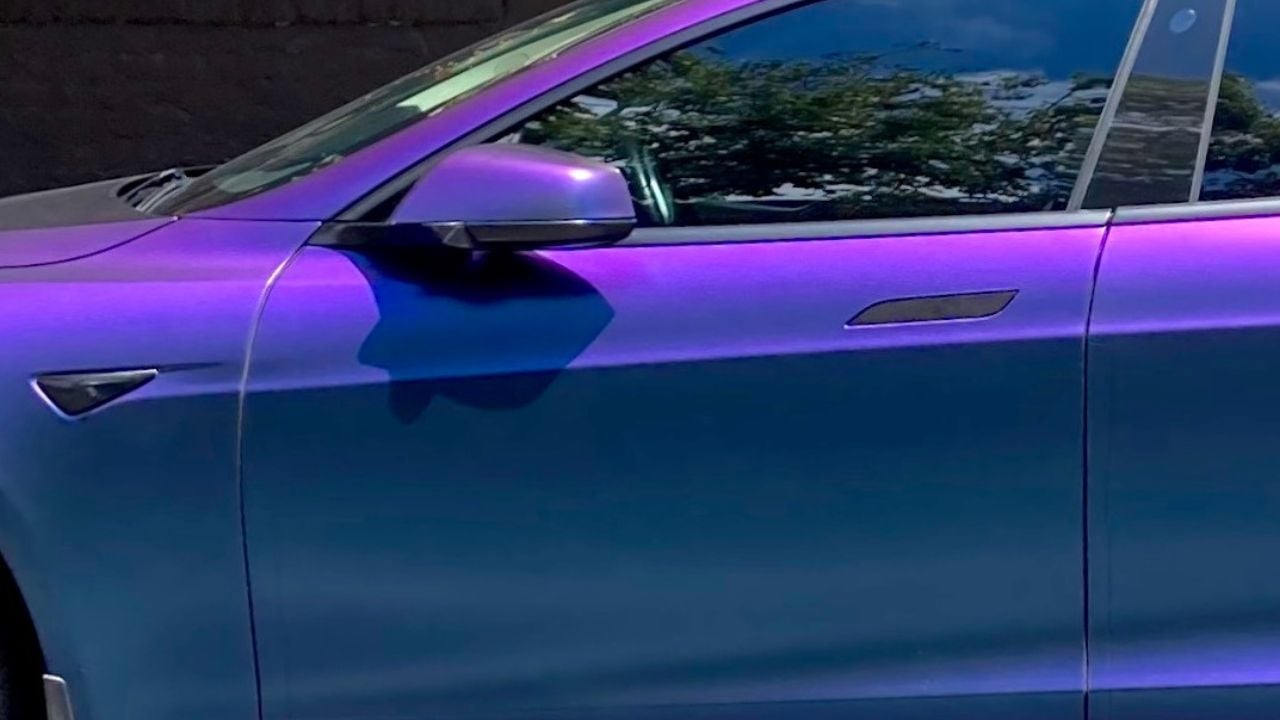

Is the global automotive world stunned? Probably not. China has become the first major nation to ban hidden or retractable door handles on cars outright. The ban targets a trend made iconic by Tesla and widely adopted by EV (electric vehicle) makers around the world.
Under new safety standards reportedly announced this week by China’s Ministry of Industry and Information Technology, all cars sold in China must include mechanical door handles with a fully mechanical release mechanism by January 1, 2027. Vehicles already approved for sale have until January 1, 2029 to meet the new requirements.
The policy marks a stunning departure from the design priorities of the past decade, when sleek, flush-mounted handles helped define the futuristic look of premium EVs.
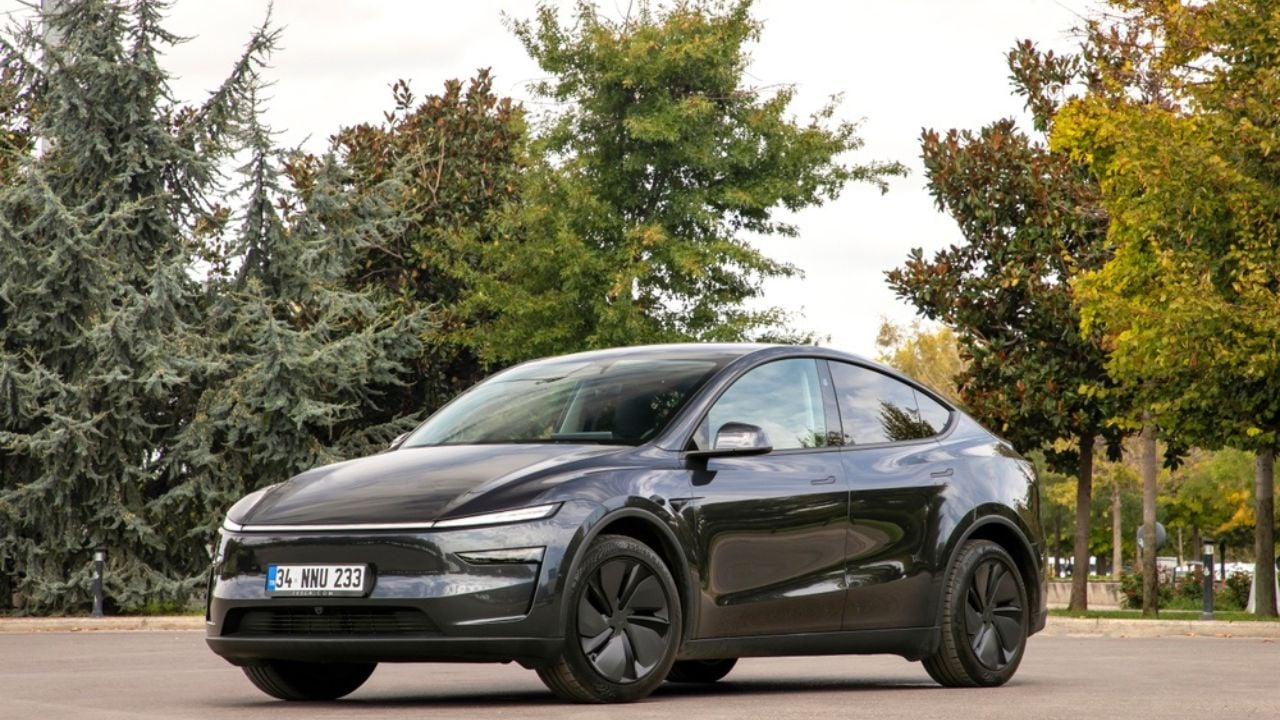
The doctrinal shift puts passenger safety front and center, driven in part by accidents in China in which occupants or rescuers could not open an EV’s doors after a crash because the electrical systems were disabled.
These incidents, including one involving a Xiaomi EV in Chengdu, fueled public and regulatory alarm that electrified, flush door systems could trap people inside during emergencies.
China Acted First
China’s new rules are rooted in a simple proposition: door handles must work even if a vehicle loses power. The regulations require mechanical access both outside and inside each passenger door and specify minimum recessed space requirements to ensure a human hand can reach and pull the handle.
Interior handles must be clearly identifiable, with graphic markings to help occupants find them quickly in a crisis.
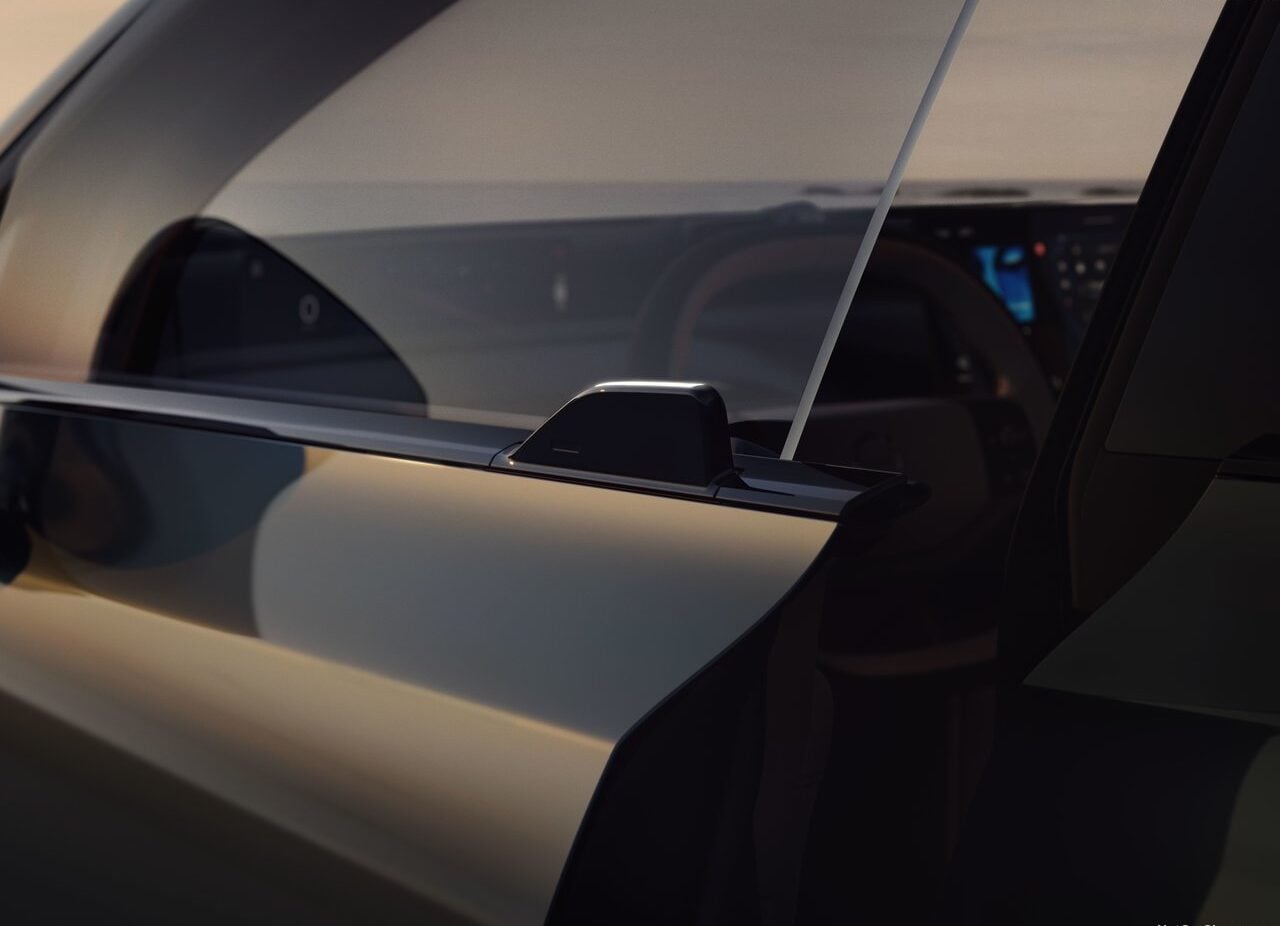
We recently reported that Volvo addressed this contentious design with its new shark-fin door handles debuting in the new EX60 SUV.
While China’s decision to ban the design isn’t a targeted attack on any brand, the biggest single casualty will likely be the very design popularized by Tesla on its Model S, Model 3, Model Y and other models. Tesla’s trip down the flush-handle road began more than a decade ago, as a stylistic signature and aerodynamic booster.
That design ethos cascaded into countless EVs across China’s vast market, where nearly 60 percent of the top 100 new energy vehicles use hidden or flush handles.
China’s move may ripple outward by influencing global standards and forcing automakers to rethink EV door design for international markets. As one Shanghai-based consultant put it, Beijing is increasingly acting as a rule-setter rather than a rule-taker in automotive and EV regulation.
The US Working on It
Across the Pacific, the story is very different. In the U.S., regulators and lawmakers have not yet moved to ban hidden or electric door handles. Instead, the issue has become a political and safety battleground. We previously reported that Congress has a problem with Tesla’s flush door handle designs.

The National Highway Traffic Safety Administration (NHTSA) has opened investigations into Tesla door handles, probing whether electronic systems can fail in ways that leave occupants unable to open doors after accidents.
Bloomberg and federal filings show that regulators are examining complaints dating back years, including reports of people having to break windows to escape vehicles.
Meanwhile, a bill in Congress — the so-called SAFE Exit Act — would require automakers to install manual releases that are easy to find and use in emergencies, even if electrical power is lost. It would also give first responders clearer ways to access vehicles after crashes.
The legislation explicitly singles out Tesla’s design, though its provisions would apply broadly to all electric vehicles with similar systems.
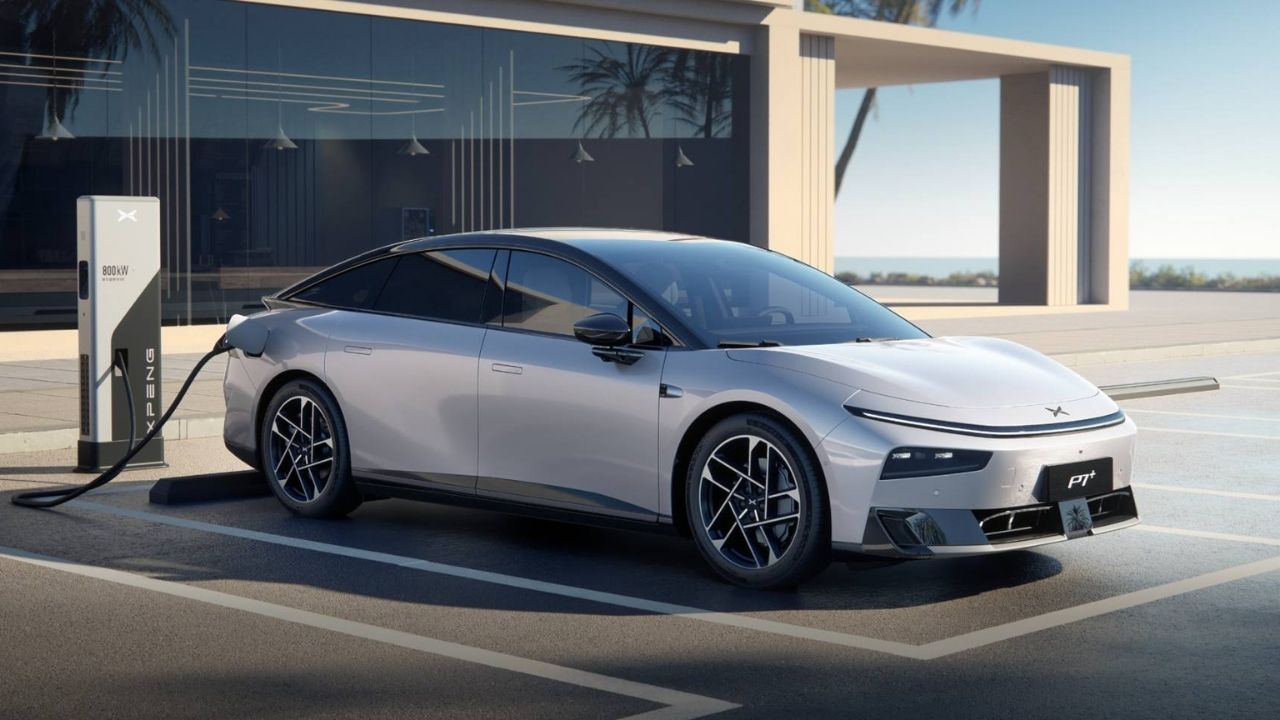
That bill highlights a key tension in the U.S. debate: policymakers want to preserve innovation and sleek design while making sure safety keeps pace. But there is no formal rule yet requiring the full ban China imposed. U.S. regulators can investigate and compel recalls on defects under existing safety standards but sweeping design bans are far from being enacted.
A Tale of Two Approaches
China’s decision creates a stark contrast with the U.S. posture. In Beijing, regulators looked at door safety complaints, including instances where power failures reportedly trapped passengers inside EVs, and responded with clear, prescriptive standards.
That has the effect of forcing carmakers who want access to the world’s largest automotive market to redesign key elements of their vehicles.
In Washington, the response has been slower, fractured across regulatory probes, congressional hearings, and legislative proposals. The consensus among safety advocates is that current systems can be improved, but there is no unified push to ban electronic or flush door handles entirely.
That means a period of uncertainty for drivers in the US. EV makers may voluntarily adjust designs to satisfy both market demand and safety critics, but at this point, China’s rule stands alone as a global first. Will other nations follow? Beijing’s bold step could hasten a broader reckoning over how form and function balance on vehicles of the future.
Sources: Business Standard, CnEVPost