Remember when driving in winter meant scraping frost off your windshield while muttering under your breath, checking if the road looked shiny, and maybe — maybe — slowing down a bit? As a former Connecticut resident, I sure remember those dark times. Well, University of Michigan researchers have decided that’s far too simple, and are developing new sensors that can detect ice on the road ahead because apparently, we’ve collectively forgotten how weather works.
To be fair, the technology is actually pretty cool; pun absolutely intended. Professor Nilton Renno, who studies climate and space sciences (and is also a pilot), was originally working on sensors to detect moisture and ice on Mars when he had an epiphany.
After finding his parked plane covered in ice one Michigan morning, he thought: “Why not use this tech on Earth, where we also have… ice?”
How It Works (It’s Complicated)
The system uses two types of sensors that sound like they belong in a sci-fi movie. The first is a microwave sensor that attaches to your vehicle’s surface and detects when it’s covered with water or ice. The second fires three infrared lasers at different wavelengths — because apparently one laser wasn’t enough. Two of the lasers can distinguish between water and ice in the air, while the third measures water droplet size.
The sensors have been tested on aircraft, but researchers believe they could easily be adapted for cars, according to a press release. The laser system could theoretically scan the road ahead for black ice and alert drivers to slow down before they become an unintentional figure skater.
The Problem It’s Trying to Solve (That Drivers Don’t Think Is There)

According to the research, ice on roads causes about 20% of weather-related car crashes annually. That’s a significant number, and the researchers point out that simply reducing your speed by 4-9 mph in icy conditions can cut the risk of serious injury in a crash by half.
“You can save a lot of lives by just slowing down when you detect a slippery road ahead,” Renno said — a statement that feels both revolutionary and like something your grandmother has been telling you since you got your learner’s permit.
The Elephant (Or Weather App) in the Room
While this technology represents genuine innovation and could theoretically save lives, it also raises the question of whether we’re solving a problem that already has multiple solutions. Weather apps alert us to freezing temperatures. Road signs warn of icy conditions. That suspiciously shiny patch of road ahead? Yeah, that’s probably ice.
The average smartphone already comes equipped with hourly weather forecasts, precipitation alerts, and temperature readings. Many modern vehicles already have outside temperature gauges that display on the dashboard.
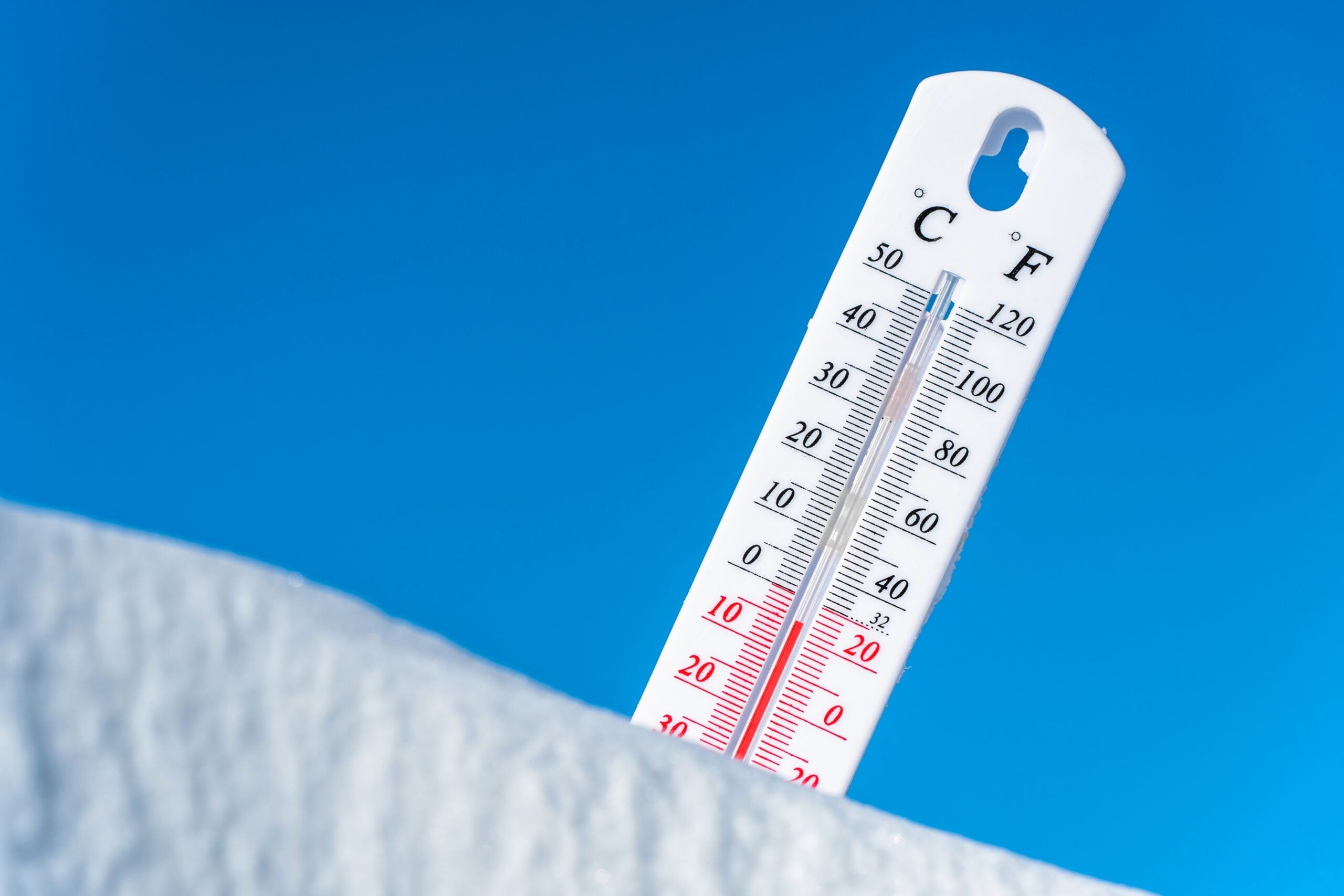
When that little thermometer dips to 32°F (or 0°C for our metric friends), it’s generally a hint that maybe there could be ice on the road. Do we really need a car saying “ice detected” out loud at this point?
Another Nanny for the Collection

Modern cars are already packed with safety systems designed to protect us from ourselves: lane departure warnings, automatic emergency braking, blind spot monitoring, drowsiness alerts, and systems that beep angrily if you don’t put your seatbelt on within 0.3 seconds of sitting down. Soon, we may add “ice detection lasers” to that ever-growing list.
Don’t get us wrong: these safety features have collectively saved countless lives, and that’s genuinely fantastic. But there’s something almost comical about developing Mars-inspired laser technology to tell drivers something that looking at the temperature and road conditions could also accomplish.
Slow Down the Safety Stuff (and Your Car)
The ice detection technology is undeniably clever, and if it prevents accidents and saves lives, that’s a win. Researchers like Renno deserve credit for innovative thinking and applying aerospace research to everyday problems. And yes, black ice can be genuinely difficult to spot, especially at night or on unfamiliar roads.
But perhaps the real takeaway here isn’t about lasers or microwave sensors. It’s about the fundamental challenge: getting drivers to actually slow down in icy conditions, whether they’re warned by cutting-edge technology, a weather app, common sense, or all of the above.
Because here’s a wild idea — if it’s winter, the temperature is below freezing, and the road is wet, maybe just… slow down? No lasers required.
Then again, if Mars-inspired ice detection sensors are what it takes to get people to drive safely in winter weather, fire up those lasers. Just don’t be surprised when, five years from now, we’re all complaining about how our cars won’t stop beeping at us every time there’s a snowflake in the air.
Stay safe out there, folks. And maybe download a weather app while you’re at it.