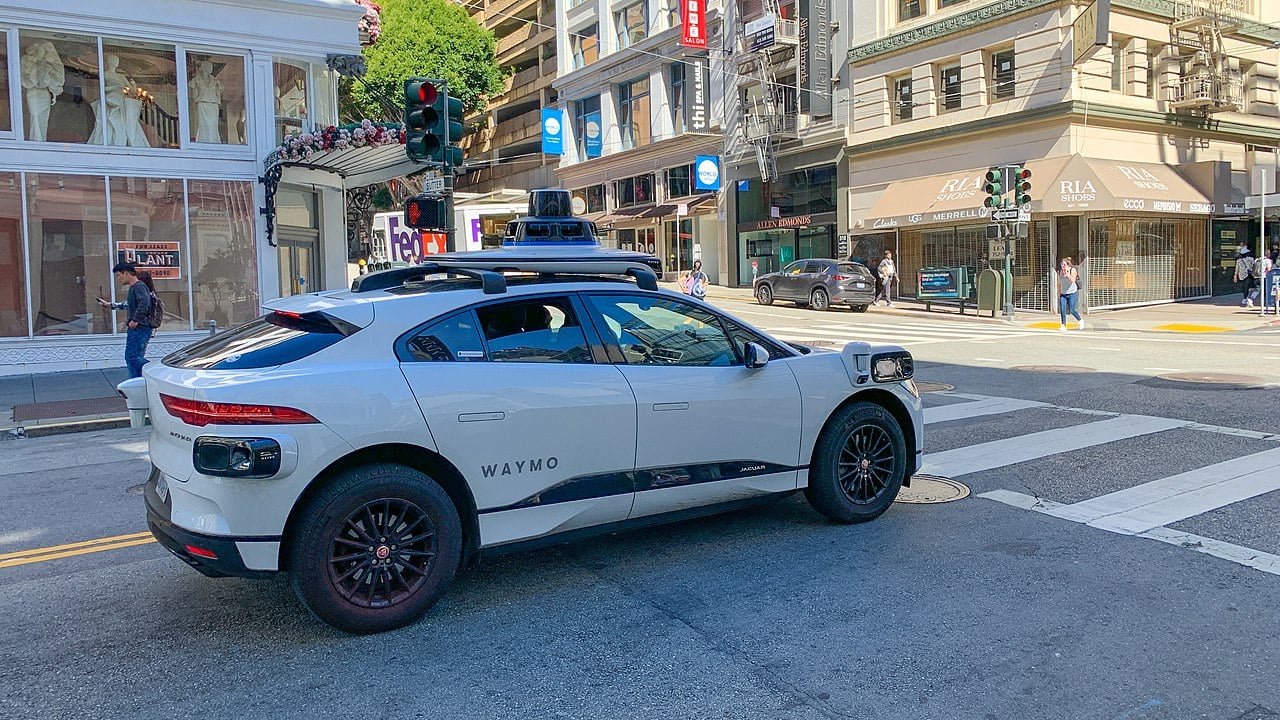

A Waymo self-driving robotaxi reportedly struck a child near an elementary school in Santa Monica, California, last Friday morning, sparking yet another federal safety investigation and public scrutiny over the readiness of driverless cars in complex real-world scenarios. The company says it voluntarily reported the incident to the NHTSA (National Highway Traffic Safety Administration).
The incident unfolded on January 23, 2026, during the chaotic swirl of school drop-off traffic near Grant Elementary School. According to initial reports and a blog post published by Waymo this week, the child suddenly darted into the street from behind a double-parked SUV, directly into the path of the silent, driverless vehicle.
While the headlines have been about Waymo hitting the child, the incident could have ended tragically had the robotaxi’s onboard sensors failed to detect the child and braked hard, dropping from roughly 17 mph to an impressive 6 mph before “contact was made,” as Waymo described it.
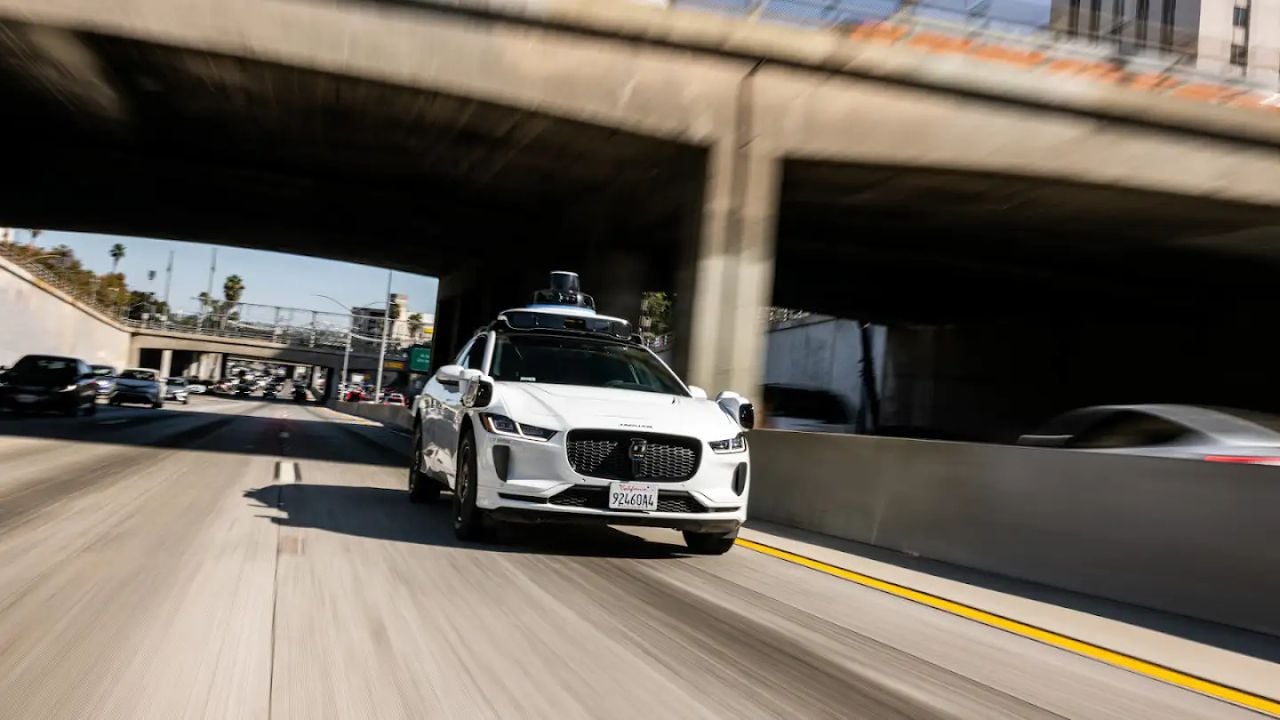
“To put this in perspective,” Waymo wrote on its website, “our peer-reviewed model shows that a fully attentive human driver in this same situation would have made contact with the pedestrian at approximately 14 mph. This significant reduction in impact speed and severity is a demonstration of the material safety benefit of the Waymo Driver.”
Consequently, the child stood up immediately and walked to the sidewalk under their own power — an outcome that might seem impossible in any collision involving a child and a vehicle, autonomous or not. Waymo says it immediately called 911 and the vehicle remained at the scene, pulled to the side of the road until law enforcement arrived.
NHTSA Opens Safety Probe
Despite the fortunate escape from serious injury, the NHTSA announced it has opened a preliminary investigation into the incident. The agency’s Office of Defects Investigation is examining whether the Waymo system “exercised appropriate caution” given the vehicle’s proximity to the elementary school during one of the busiest pedestrian periods of the day.
The agency’s decision to probe the incident regardless of the vehicle’s performance at the scene and the company’s conduct after the fact may have been prompted by an ongoing investigation into reports that Waymo robotaxis keep ignoring school bus stop laws despite an earlier software recall to fix the problem.
Officials are expected to review a constellation of questions: was the robotaxi operating at a safe speed for a school zone? Did its detection and braking systems perform as intended? And perhaps most importantly, how should autonomous systems be tuned to anticipate the unpredictable behavior of children near schools?
While federal investigators don’t yet know all the answers, the stakes couldn’t be higher. Waymo’s robotaxis operate without a human safety driver inside, and that fact tend to amplify both the promise and peril of fully autonomous travel.
Waymo’s Defense and the Human Driver Comparison
In its statement, Waymo sought to frame the collision as a performance test passed rather than a failure. Citing its own internal data and modeling, the company claimed that even a fully attentive human driver in the same scenario likely would have hit the child at around 14 mph, a speed that could easily translate into far greater injury.

Waymo’s system, by contrast, reduced that impact speed significantly, which the company said demonstrates the material safety benefit of its autonomous technology.
“The event occurred when the pedestrian suddenly entered the roadway from behind a tall SUV,” Waymo explained in the statement, “moving directly into our vehicle’s path. Our technology immediately detected the individual as soon as they began to emerge from behind the stopped vehicle. The Waymo Driver braked hard, reducing speed from approximately 17 mph to under 6 mph before contact was made.”
Based on this information and the evidence-based Waymo-human comparison, auto enthusiasts are likely to find the AV’s performance satisfactory. It highlights one of the core arguments in favor of autonomy — reaction times and sensor awareness that exceed what most human drivers could achieve, especially in dense, unpredictable environments like school zones.
But critics argue that models and simulations don’t always capture the full nuance of real streets that split-second decisions and subtle context matter enormously.
Rising Scrutiny of Waymo
Waymo seems to be a target of regulators recently, which seems to have been exacerbated since the vehicles were left confused and grounded following the PG&E power outage that plunged San Francisco into a darkness that disrupted traffic lights last December.
Just this month, the National Transportation Safety Board (NTSB) opened its own investigation into reports that Waymo robotaxis illegally passed stopped school buses in Austin, Texas. The report understandably alarmed school officials and safety regulators.
In late 2025, Waymo also issued a recall for thousands of vehicles to address software issues, underscoring both the scale of its deployment and the technical complexity of life-critical systems on public roads.