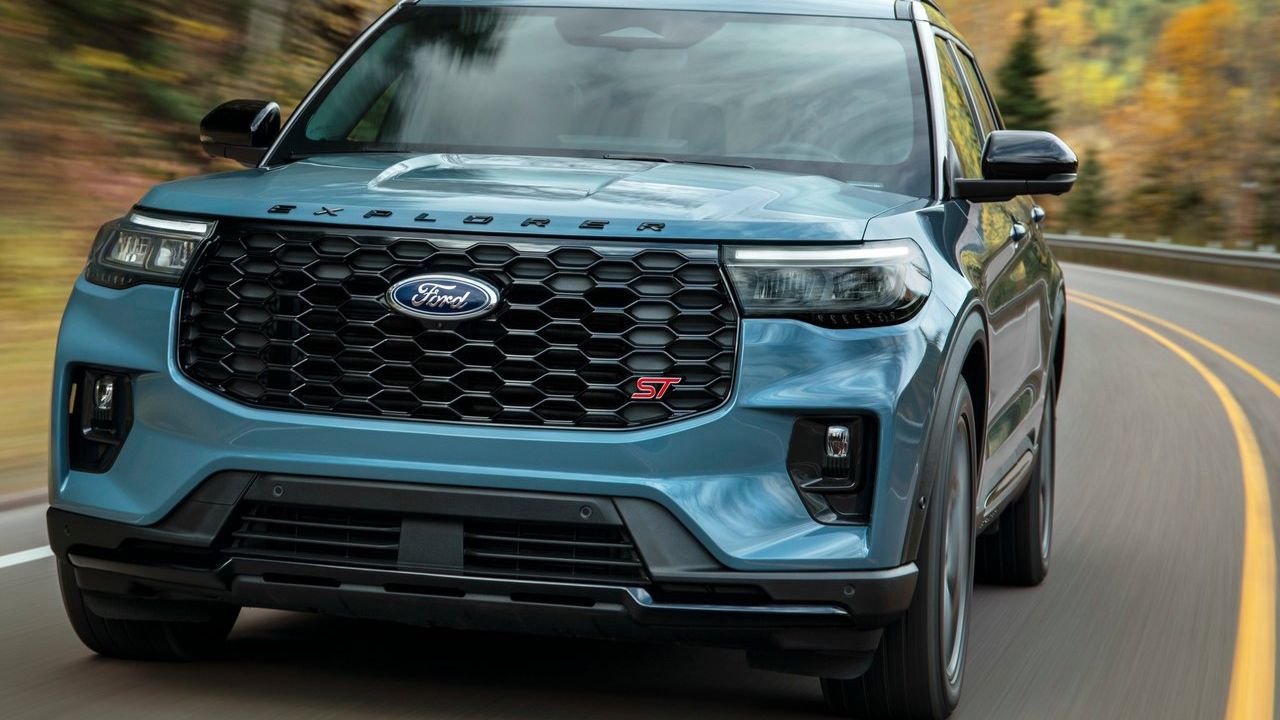

As the Super Bowl approaches, the lineup of advertisers for the 2026 broadcast is shaping up to look very different from what fans and industry watchers have come to expect in past years. Ford Motor Company, long a staple of Super Bowl commercial pages with high production television spots, will once again sit out the event, choosing to spend its marketing dollars in other areas of its media strategy.
The decision highlights a broader shift in how automakers are approaching marketing priorities and allocating their promotional budgets in a changing media environment.
Historically, the National Football League’s Super Bowl telecast has been one of the most coveted advertising slots in American media.
With viewership consistently ranking at or near the highest for any broadcast event annually, automakers have traditionally invested tens of millions of dollars for a 30-second spot alongside additional production costs for creative and celebrity talent. These commercials often generate headlines, social media buzz, and sales leads stretching far beyond the game itself.
Ford’s Playbook: A Calculated Fade
Ford’s absence is not a sudden or one-off occurrence. The company has not purchased a Super Bowl spot since 2021, and senior leadership has been public in its view that the cost to benefit equation has deteriorated for the automaker.
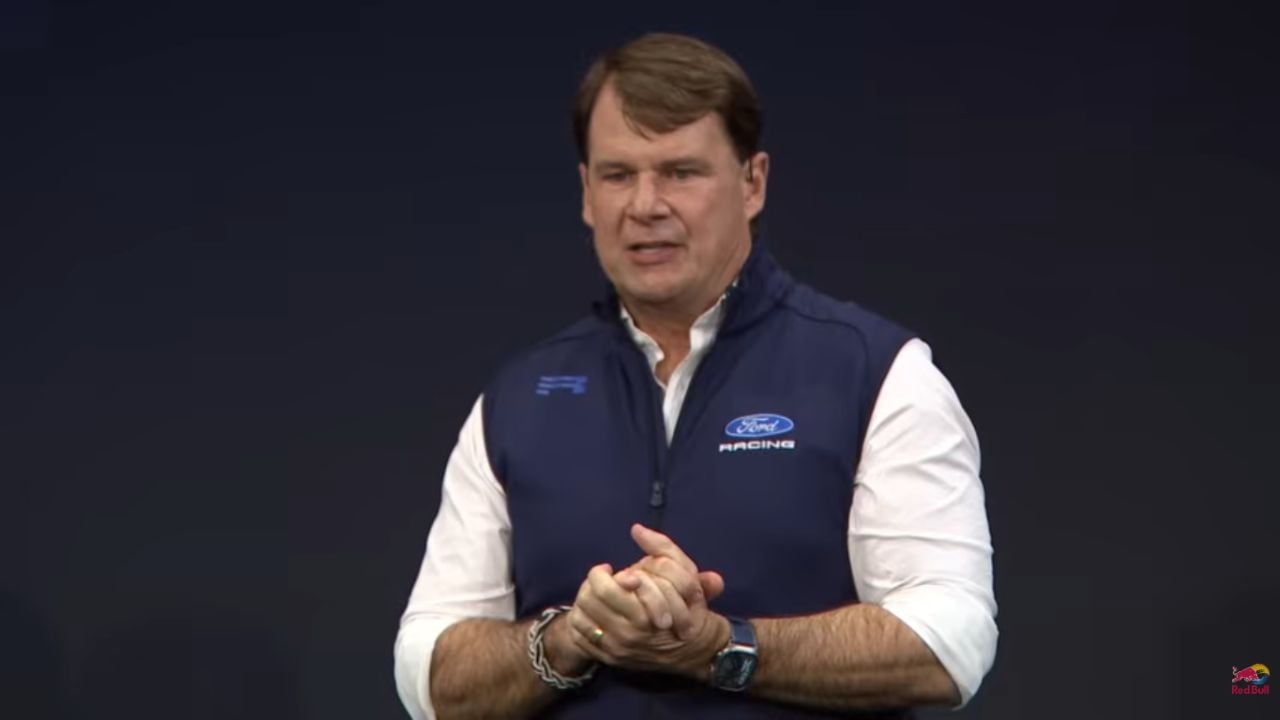
In interviews, Ford’s CEO Jim Farley and senior marketing executives have noted that the return on investment for these high-profile placements simply does not justify the expense. Farley has said previously that the company prefers to invest in more targeted marketing channels that provide measurable results closer to the point of sale.
Michael Cope, Ford’s senior director of consumer marketing, reiterated that perspective. He emphasized that a successful Super Bowl advertising campaign requires more than just a high-quality spot on game day. It also needs extensive promotional activity both before and after the game to make it effective at driving real sales outcomes.
“It takes significant investment and consistent marketing in the weeks ahead of and after the game to make Super Bowl advertising work,” Cope said, “And on gameday, it takes ‘some very, very clever positioning’ to break through the clutter.”
That level of investment can exceed the cost of the airtime itself.
The Auto Industry’s Marketing Audible
This reevaluation of marketing spend is not unique to Ford. Several other major automotive brands have either confirmed they will not run ads or are widely expected to stay off the 2026 Super Bowl advertising roster.
According to AdAge, Toyota and GM’s Cadillac are currently the only major brands publicly committed to buying time, and it stands to reckon Cadillac is only taking the plunge because it plans to use its spot to debut the livery and branding for its new Formula 1 racing entry. GM had sat out the games last year.
Others, including names like BMW, Hyundai, Kia, Honda, and Mercedes-Benz, are staying on the sidelines in 2026, citing budget focus elsewhere or the absence of a major product launch in the first quarter of the year.
Jessica Caldwell, assistant vice president of insights at automotive research and shopping site Edmunds, explained why the shift makes sense for many brands. In her view, the Super Bowl remains a powerful tool for general brand awareness, but it is no longer the most efficient way to influence purchase consideration and conversion for specific models.
The rise of digital advertising platforms, streaming video, programmatic media, and social media has provided new avenues to reach millions of shoppers in more targeted and cost-efficient ways.
The automotive industry’s retreat from the Super Bowl could also reflect broader economic and strategic pressures. Many manufacturers are navigating supply chain challenges, shifts in consumer demand, and transitions to electrification or hybrid technology.
Ford, for example, has been recalibrating its product strategy with more emphasis on trucks, hybrid models, and commercial vehicles, even as it scales back some EV ambitions in North America. These strategic shifts have implications for how and where marketing dollars are spent throughout the year.
The End of an Advertising Era?
For fans of Super Bowl advertising, this year’s roster may feel slim compared to the packed automaker showcases of previous decades. In years past, vehicle commercials featuring star talent or cinematic storytelling became cultural talking points, shared and dissected across social media and news cycles.
Fans and marketers alike have noted that the pullback of automakers from this space could signal the end of an era where car commercials dominated Big Game advertising pages.
Farley made some strong comments about this at the 2022 Alliance Bernstein Strategic Decisions Conference, stressing not only the nonessential nature of taking out Super Bowl ads for its models but also the futility and wasteful spending it represents.
“I launched Scion,” Farley said back then. “I’m not convinced we need public advertising for Model e, if we do our job. We haven’t needed it for Lightning, haven’t needed it for E-Transit. Don’t need it for commercial vehicles. Mustang Mach-E, we advertised, we took the ads out, because we’ve been sold out for two years. Now, it’s early days. It’s first inning, second inning maybe, but I’m not convinced we need public advertising. Well, see, our model’s messed up. We spend $600 or $700 on a vehicle to promote it, and we spend nothing post warranty on the customer experience.”
The Bottom Line: A Shift in Strategy

Despite the retreat by many auto brands, the Super Bowl remains a major media event with advertisers from other sectors, including tech, consumer goods, fast food, and entertainment. For those segments, the motivation to secure a Super Bowl slot remains strong, even as the cost of entry sits at record levels.
But for Ford and many other automakers, the era of splurging on Big Game commercials may be fading. Brands are instead choosing approaches that promise better returns on marketing investment for responses that matter most to their bottom lines.
“It’d be much better if we tried to develop an ecosystem where 100 percent came back, and we gave them experiences, and that’s our marketing,” Farley added. “You buy Ford Model e and after a year we’re going to give you a complete detail of the vehicle, check all your software’s up to date. You get a complete birthday for your vehicle. We should be doing stuff like that instead of doing Super Bowl ads. If you see a company doing … if you ever see Ford Motor Company doing a Super Bowl ad on our electric vehicle, sell the stock.” Well, that escalated quickly.