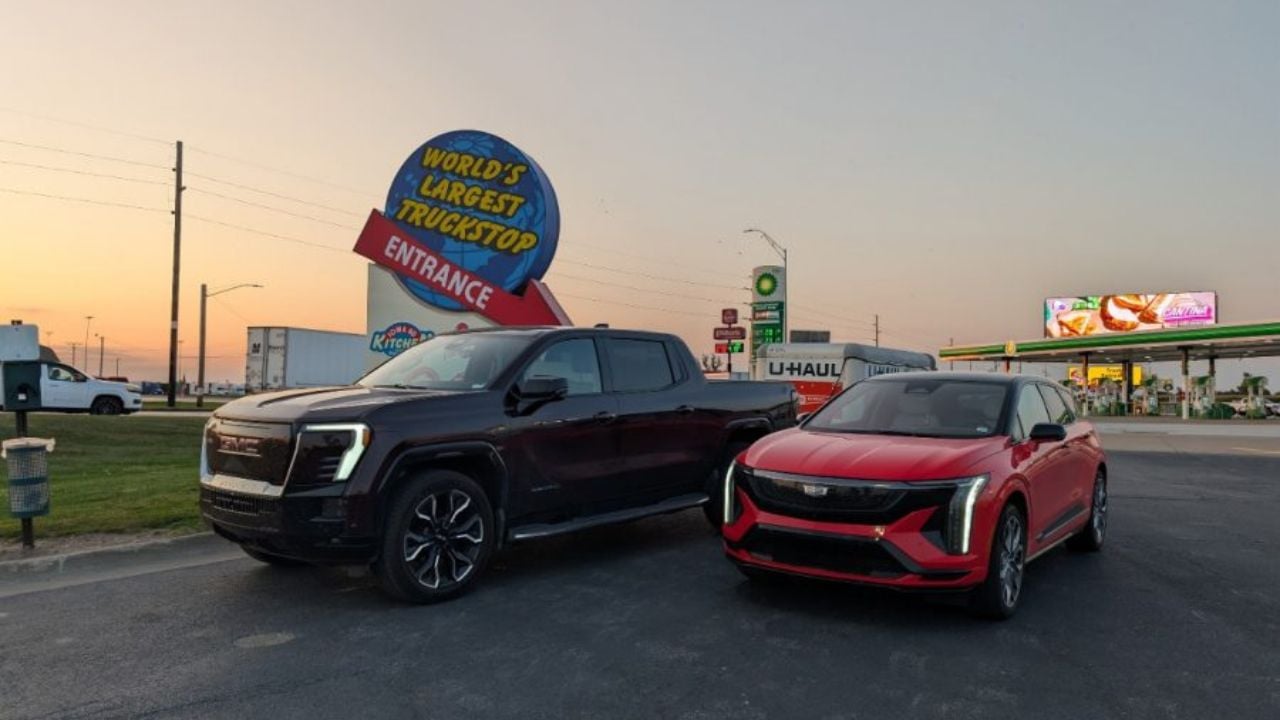

These days that EVs (electric vehicles) are often idealized as smooth-rolling, stress-free gadgets of the future, a trio of GM (General Motors) engineers recently took a refreshing — and refreshingly honest — look at what EVs are really like when you push them into real-world scenarios.
Their tool of choice?
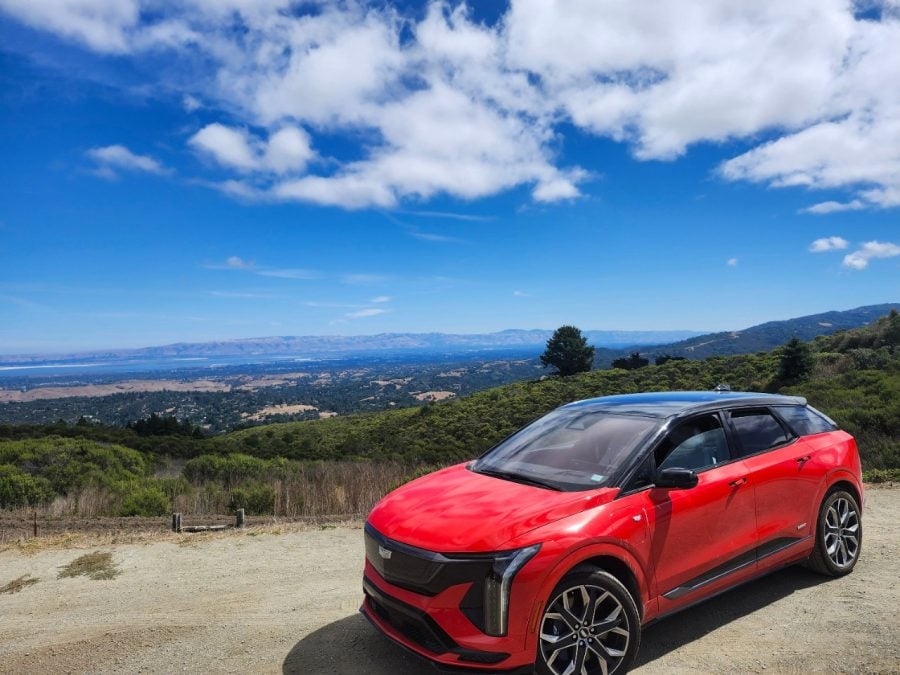
A Cadillac OPTIQ luxury electric crossover and a GMC Sierra EV pickup, loaded with sensors and ready for adventure.
The crew piled into these pre-production EVs and set off on a spectacular 5,000-mile road trip across the United States, gathering data on everything from hands-free driving performance to charging behavior, with a particular focus on towing, navigation accuracy, and how these future-tech vehicles behave when challenged beyond a controlled test loop.
Real Engineers, Real Challenges
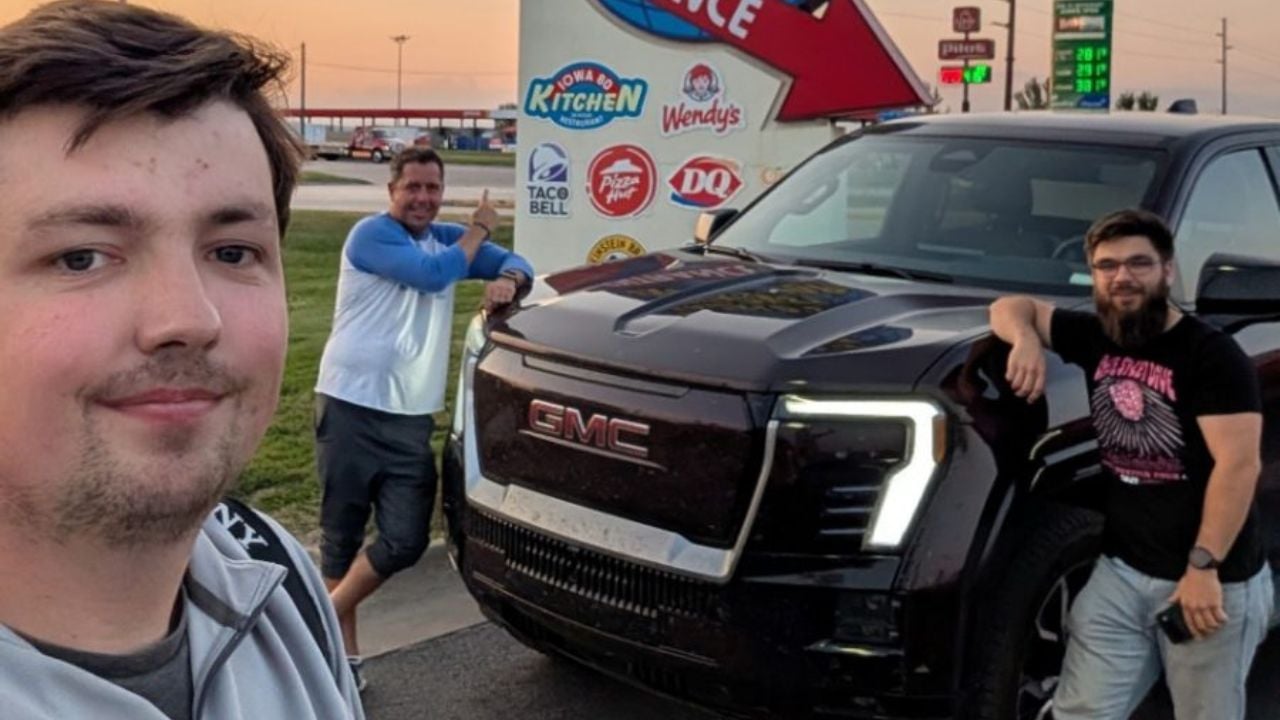
Unlike studio testing or dyno charts, this trip dropped GM’s quality engineering team straight into everyday driving: long stretches of highway, random public charging stations, and all kinds of weather and terrain. “We were able to get firsthand exposure to a lot of real-world scenarios,” said quality engineering manager Tony Kraatz, reflecting on the journey’s unexpected lessons.
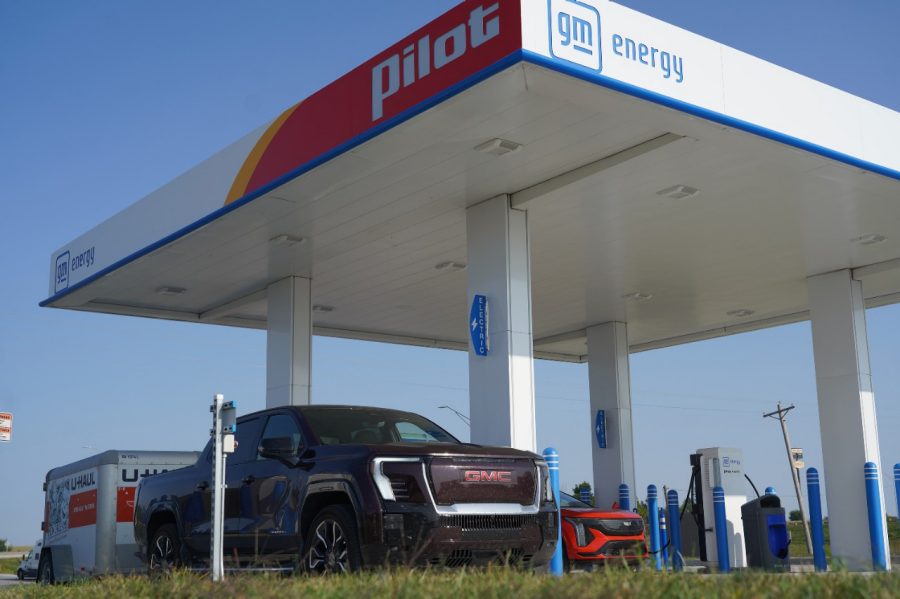
One of the most interesting discoveries wasn’t even the engineers’ doing — rather, it was uncovered on the way. While testing charging speed on a public fast charger, the team noticed that something wasn’t right: charging was far slower than it should have been.
Digging into the data and debugging in real time, they traced the culprit to something surprisingly mundane — a tiny typo in the charger’s software code. Yep, a simple software glitch was throttling power at a fast charger! They contacted the operator, who corrected the issue, instantly boosting performance.
That kind of on-the-fly problem-solving not only made for great engineering insights — it also helped improve the experience for future EV drivers using that same charger. Talk about unintended public service!
Drive It till It Breaks
You probably don’t know it, but yes, you’re thinking about Mercedes-Benz, which has long been famous for its extreme durability testing. For decades, Mercedes engineers would drive prototypes for hundreds of thousands of miles across varied terrains and climates to uncover weaknesses, missing components, or design flaws.
This practice became part of their reputation for building cars that felt “over‑engineered” and exceptionally robust. Other automakers like Toyota and Volvo also emphasize long‑distance prototype testing, but Mercedes is particularly associated with the idea of driving prototypes until they break to ensure nothing is overlooked before production.
And the Japanese?
Akio Toyoda, the grandson of Toyota’s founder, is known for his driver’s mindset and often tests cars himself, sometimes under the pseudonym “Morizo” in racing events. He has participated in long-distance endurance drives and motorsport competitions to evaluate Toyota vehicles in real-world conditions.
His philosophy is that leadership should not rely solely on engineers’ reports but should personally experience how cars behave under stress, reflecting Toyota’s broader culture of genchi genbutsu— “go and see for yourself.” His direct involvement helped shape cars like the GR Supra and Lexus performance models.
You could say that what GM engineers just did with the OPTIQ and Sierra EVs mirrors Toyoda’s philosophy that real-world driving reveals issues lab tests miss, but the difference is that GM’s test was carried out by engineers, while Toyota’s chairman himself has historically taken the wheel to embody this principle.
Mercedes’ philosophy was drive it until something breaks, then fix it before customers ever see it. GM’s engineers just applied that same principle to modern EVs and autonomy systems. By putting prototypes through thousands of miles of real-world driving, they can validate and uncover subtle software and charging ecosystem issues that simulations can’t replicate.
What’s this to Do with Me?
This campaign wasn’t just about bragging rights. It was a strategic move to refine GM’s future EV lineup with real-world feedback; something that’s proving ever more important as EVs move from early adopters to mainstream transportation. The engineers collected rich data sets on several fronts:
- Hands-free driving & driver-assist tech: Useful but still needing nuance when interacting with human drivers and unexpected road conditions.
- Charging behavior: Public chargers vary widely in performance — and the researchers found real bugs that affect real users.
- Range prediction while towing: Electric range shifts dramatically under load, and GM wants to understand — and improve — how systems communicate that to drivers.
These insights will feed back into future software and hardware updates that’d help GM’s EVs deliver smoother, more reliable experiences for customers. And while EVs tend to save money on fuel (experts agree that electric driving costs less per mile than gasoline), drivers still need charging confidence to make longer trips viable.
Sources: GM