Winter weather can turn your beloved ride into a frozen popsicle faster than you can say “black ice.” Whether you’re nursing a classic muscle car through the cold months or just trying to keep your daily driver from becoming a snow-covered lawn ornament, a little preparation goes a long way.
The good news? Most winter car protection doesn’t require a PhD in meteorology or a garage that costs more than your house. With some straightforward strategies and a bit of elbow grease, you can keep your vehicle running smoothly while everyone else is scraping ice with a credit card at 6 AM.
Let’s dive into five practical ways to armor up your car against whatever winter decides to throw at it. Your future self — the one not stuck in a parking lot with a dead battery — will thank you.
Invest in Quality Winter Tires (Yes, They Actually Matter)

All-season tires are the cargo shorts of the tire world: technically functional but not exactly excelling at anything specific.
Winter tires use a softer rubber compound that stays pliable in temperatures below 45°F, giving you actual grip when the roads turn into a skating rink. The difference in stopping distance can be dramatic — we’re talking 30-40% better braking performance on snow and ice compared to all-seasons.
If you live anywhere that sees consistent winter weather, swapping to winter tires isn’t being overly cautious; it’s just smart. Sure, buying a second set of tires feels like a hit to the wallet, but it’s cheaper than bodywork after sliding into someone’s bumper.
Plus, you’re not wearing down your summer or all-season tires during the harshest months, so they actually last longer overall.
Keep Your Battery Warm and Charged
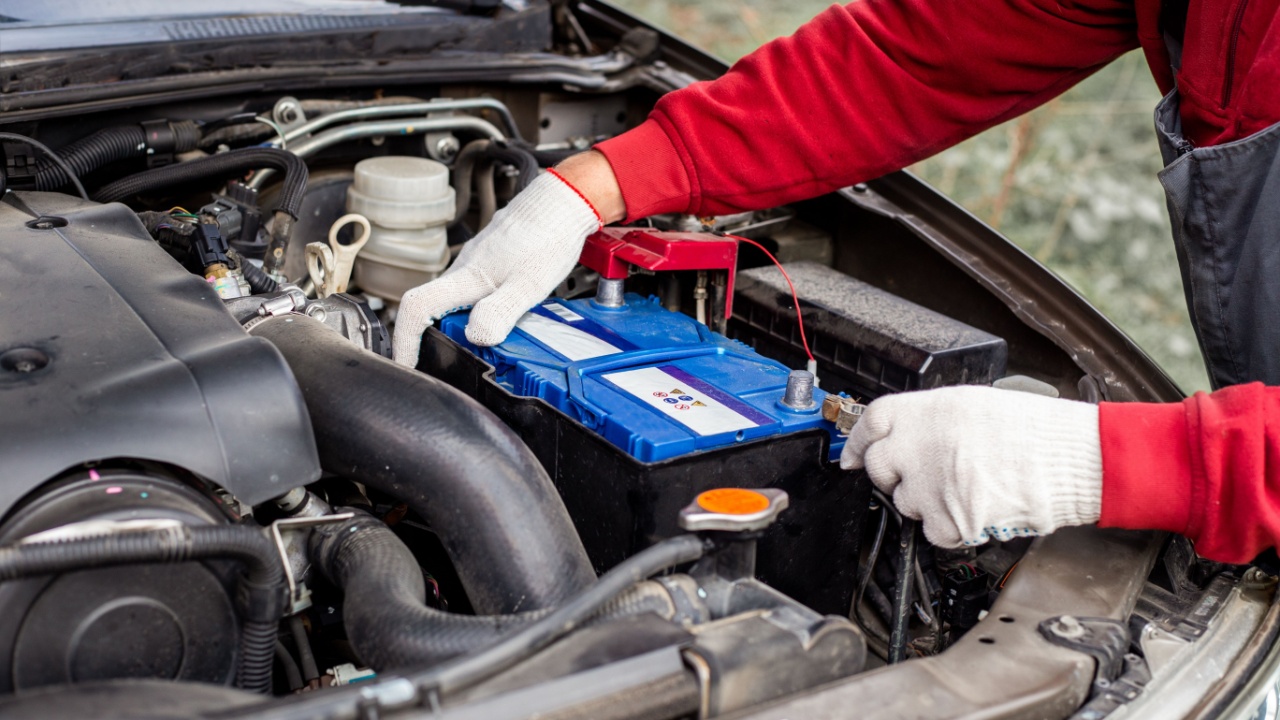
Cold weather is absolutely brutal on car batteries, reducing their capacity by roughly 35% at 32°F and up to 60% at 0°F.
Meanwhile, your engine needs nearly twice the power to start in freezing temperatures, which is why dead batteries spike during winter months. Getting your battery tested before winter hits is one of those boring-but-brilliant moves that prevents 7 AM panic attacks.
If your battery is more than three years old, consider replacing it proactively — batteries are cheap compared to tow trucks. Parking in a garage helps tremendously, but if that’s not an option, a battery blanket or engine block heater can keep things warm enough to start reliably.
Some folks swear by taking their battery inside during extreme cold snaps, though that’s admittedly more commitment than most of us are willing to give.
Protect Your Paint and Undercarriage From Road Salt

Road salt is simultaneously a winter driving miracle and your car’s arch-nemesis. That sodium chloride eating away at ice? It’s equally enthusiastic about eating your car’s metal, accelerating rust formation at an alarming rate.
Regular washing during winter — especially hitting the undercarriage — is crucial for removing salt buildup before it causes permanent damage. A pre-winter wax or ceramic coating adds a protective barrier that makes salt and grime less likely to bond with your paint.
If you’re really serious about protection, an undercoating spray or oil treatment creates a moisture barrier on your car’s underside where you can’t easily wash. Aim to wash your car every two weeks during heavy salt season, and yes, that includes the wheel wells where salt loves to hide and plot its corrosive schemes.
Swap to Winter-Grade Fluids
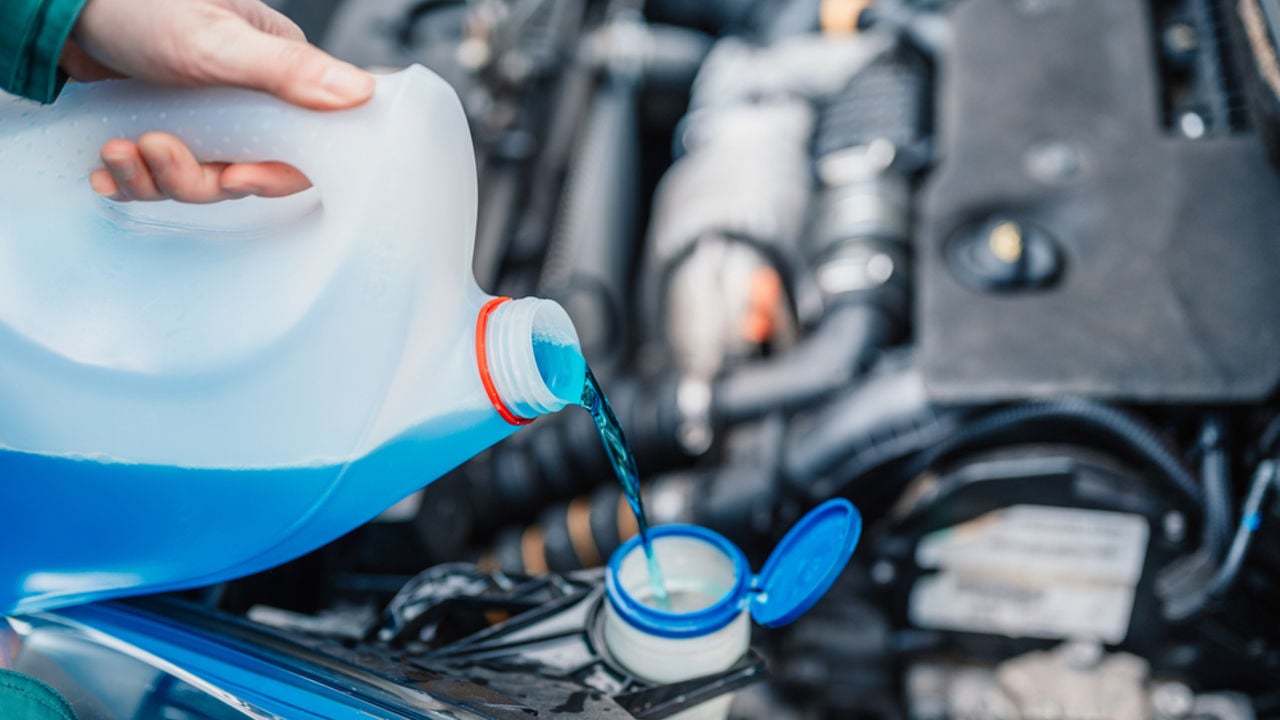
Think of winter fluids as your car’s thermal underwear — you might not see them working, but you’ll definitely notice if they’re not there.
Engine oil thickens in cold weather, making it harder for your engine to turn over and potentially causing wear during cold starts. Switching to a lower-viscosity oil (like 5W-30 instead of 10W-30) helps everything flow smoothly even when the temperature drops.
Your windshield washer fluid needs an upgrade too — summer fluid will freeze solid at around 32°F, leaving you blind behind a salt-crusted windshield at the worst possible moment. Antifreeze coolant should be tested to ensure it’s rated for the lowest temperatures your area experiences, typically protecting down to -34°F for a 50/50 mix.
These fluid changes are relatively inexpensive but make the difference between reliable winter operation and roadside drama.
Create a Proper Winter Car Cover Setup
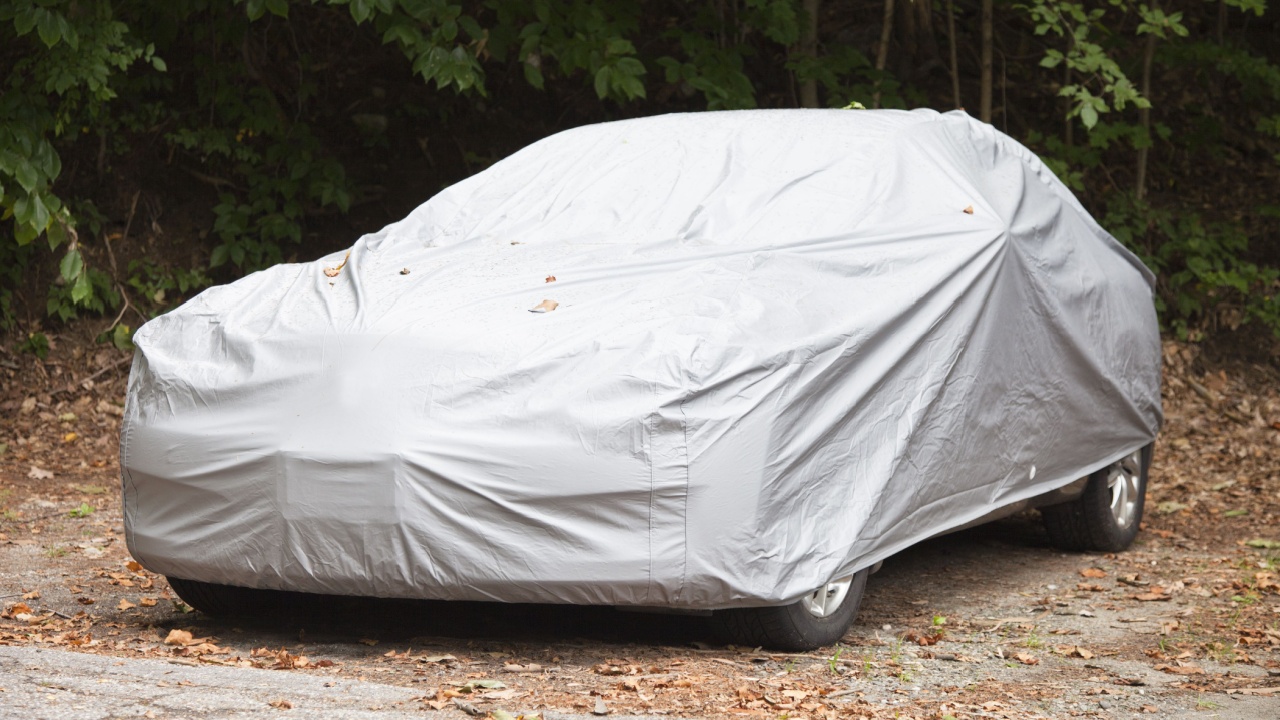
If you’re storing a vehicle for winter or parking outside regularly, a quality car cover is like a cozy blanket that actually does something useful.
The key word here is “quality” — those $30 universal covers often do more harm than good by trapping moisture and scratching paint. Look for breathable, waterproof covers designed for outdoor winter use that fit your specific vehicle dimensions.
For cars in storage, consider using a battery tender to maintain charge and placing the vehicle on jack stands with slightly inflated tires to prevent flat spots. Outdoor parkers should remove the cover periodically to let moisture escape and check for any ice buildup.
A covered car also means less time scraping ice and more time actually driving, which is ultimately what we bought these things for in the first place.
Conclusion

Protecting your car from winter weather isn’t about wrapping it in bubble wrap and hiding until spring — it’s about smart, practical preparation that keeps you on the road safely. These five strategies work together like a well-tuned engine: winter tires give you control, a healthy battery gets you started, salt protection preserves your investment, proper fluids keep systems running, and good covering practices shield everything from the elements.
None of these require extreme measures or unlimited budgets, just a willingness to plan ahead instead of react to problems. The drivers who cruise through winter without drama aren’t lucky; they just prepared while everyone else procrastinated.
So grab your winter checklist, knock out these essentials, and enjoy actually driving your car this winter instead of just staring at it through the window, wondering if it’ll start.