
With EVs (electric vehicles) as symbols of sustainability and cutting-edge technology, it’s easy to forget one basic truth about car ownership: many drivers still do not have meaningful control over how their vehicles are maintained or repaired.
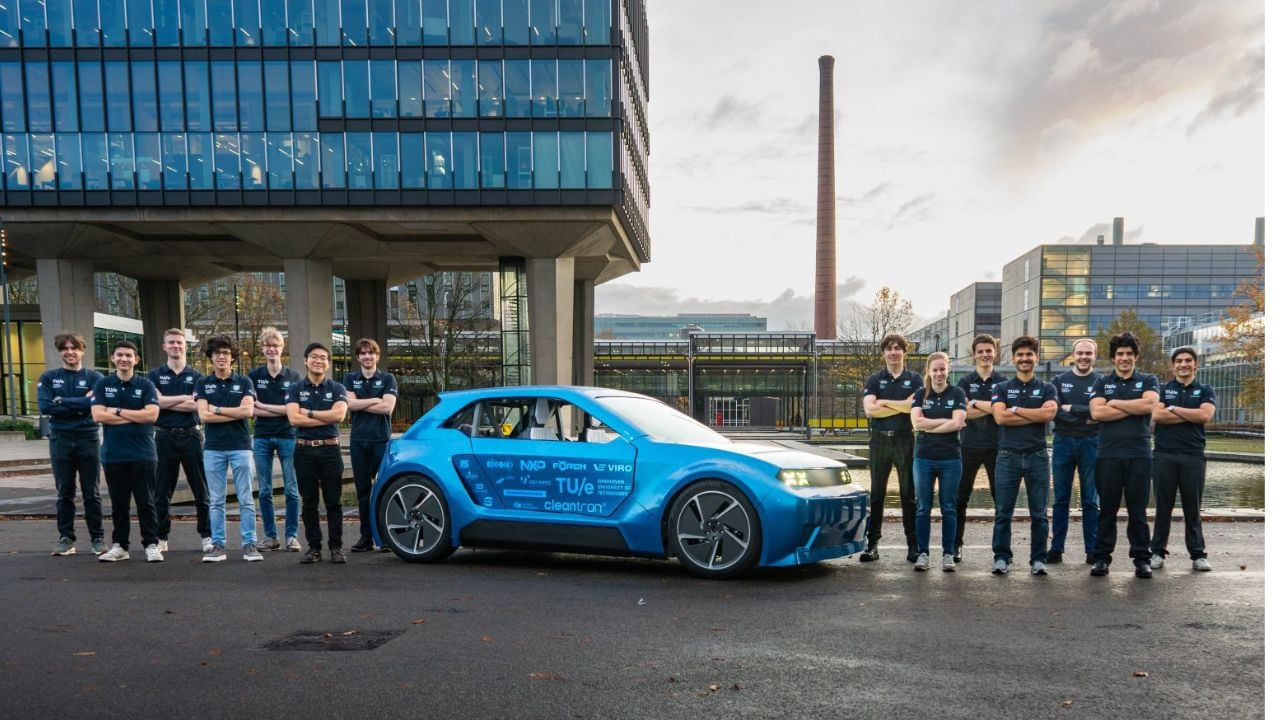
That may be about to change thanks to a groundbreaking prototype developed by a group of engineering students in the Netherlands.
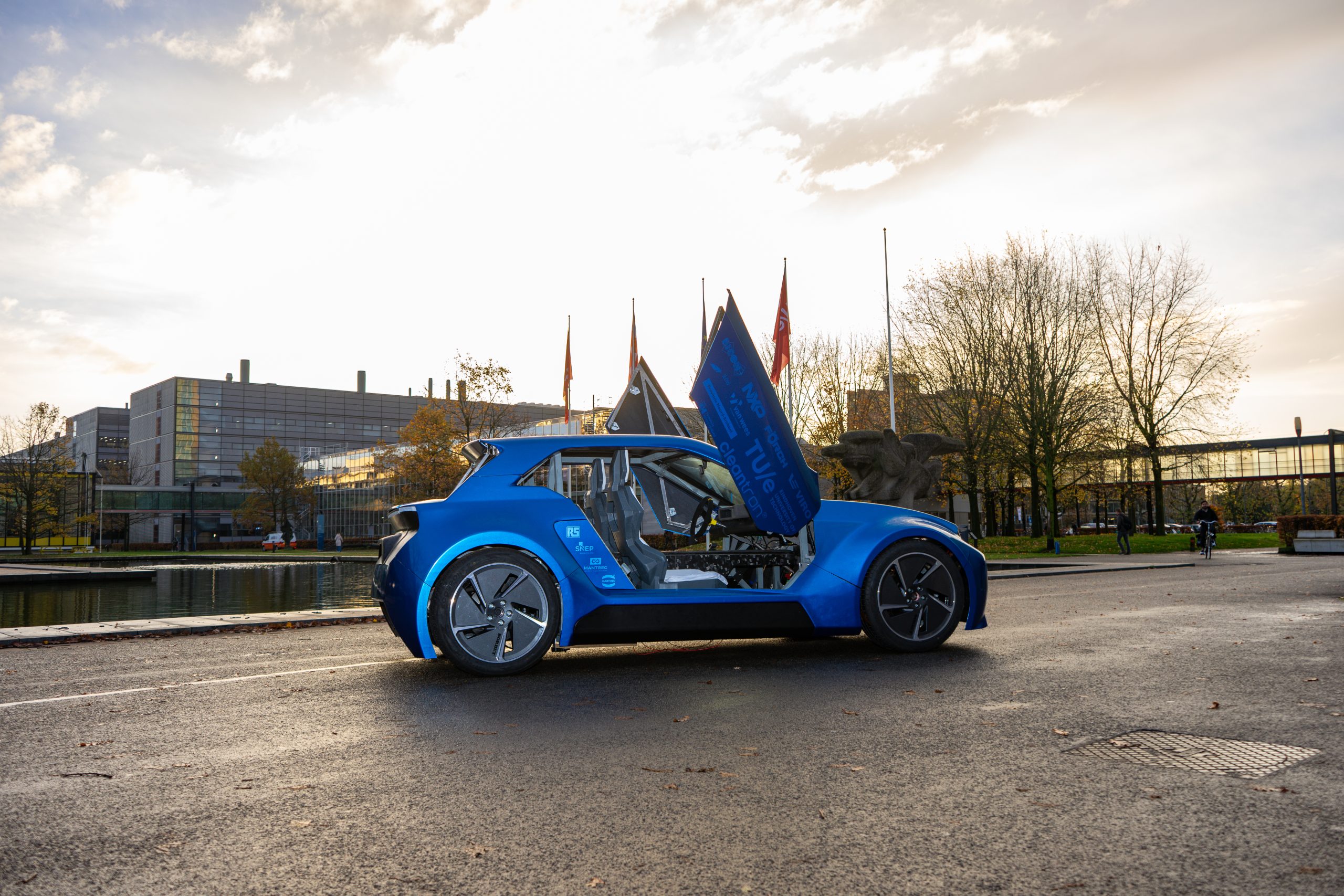
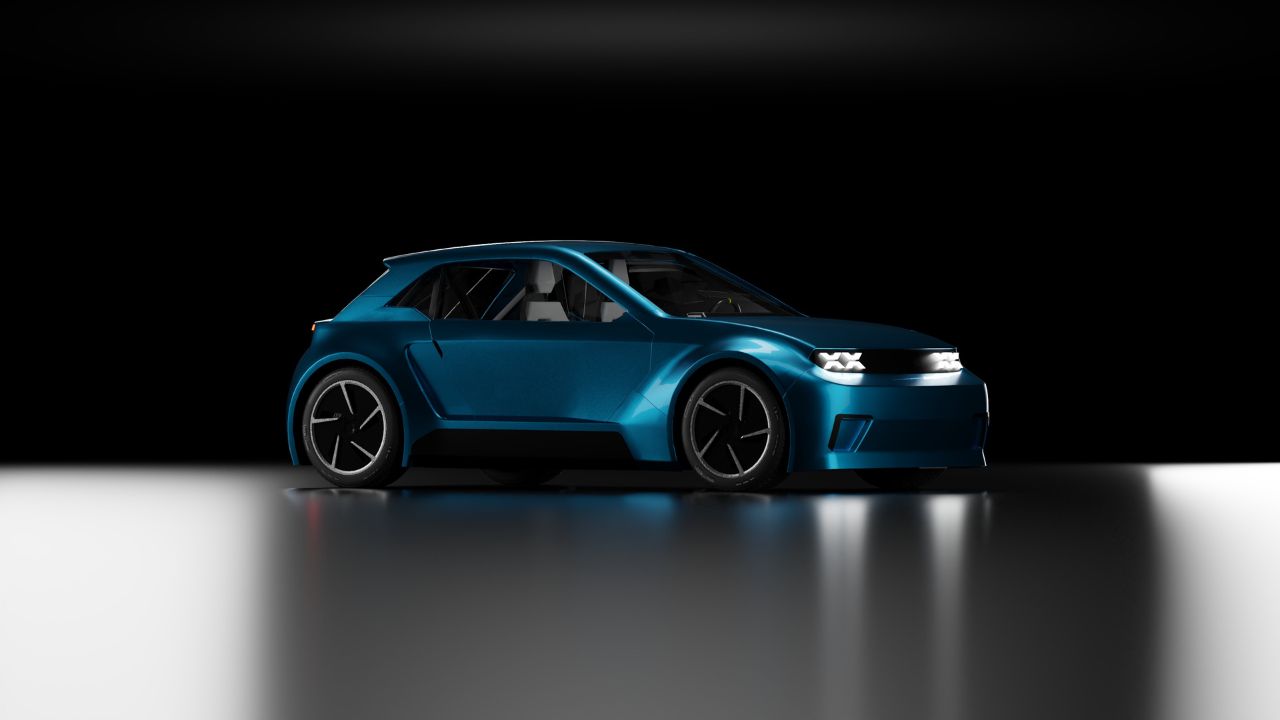
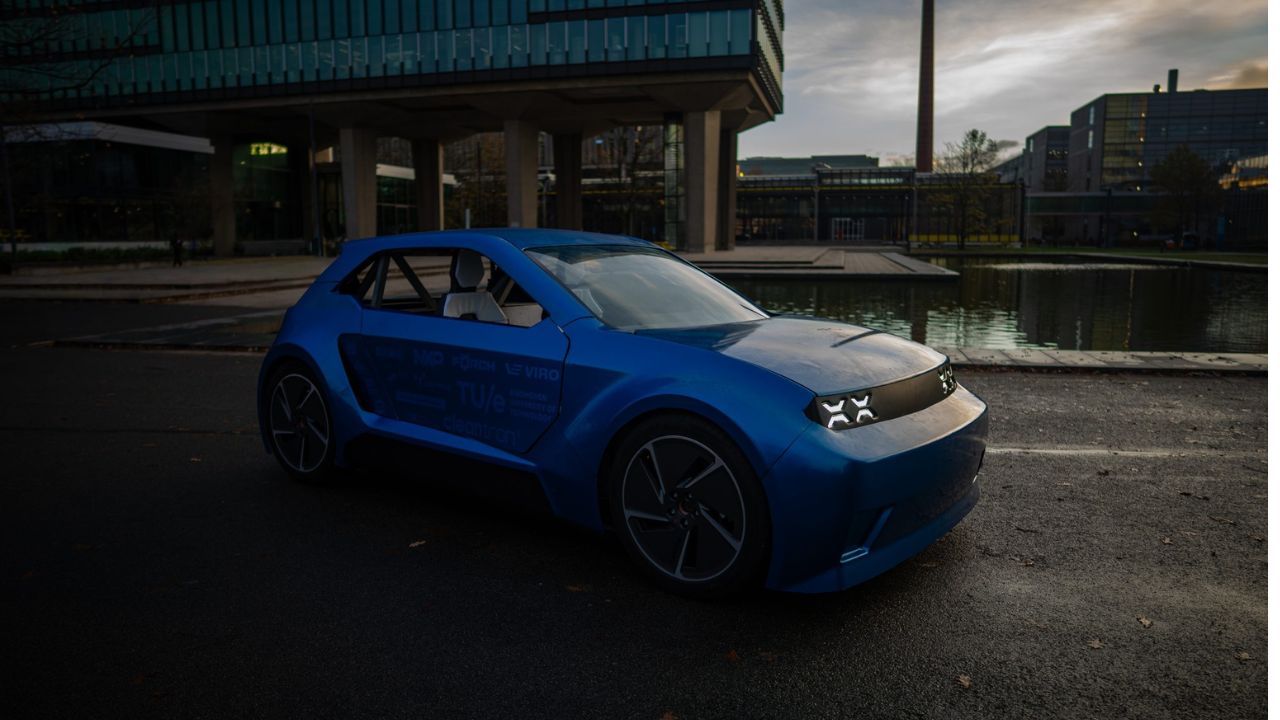
The vehicle, called Aria (not the smartphone or the FXE), which stands for Anyone Repairs It Anywhere, is not just another electric city car concept. It is a rolling indictment of the current state of automotive design and a hopeful signal for advocates of the Right to Repair movement.
The Locked-Down State of Modern EVs
Most modern EVs are, by design, difficult to fix outside of an authorized service center. In fact, automakers build them specifically anti-DIY. Key examples include Tesla, Rivian, and BMW i models, which use proprietary software, sealed battery packs, and restricted parts access.
Tesla’s repair tools and software are not publicly available, meaning independent shops cannot easily diagnose or reset systems. The battery is glued and sealed to make cell‑level repairs nearly impossible without factory equipment. And Tesla tightly controls access to replacement parts, often requiring authorization for purchase. Unauthorized repairs can disable over‑the‑air updates, discouraging third‑party intervention.
Rivian directs nearly all repairs through its own service network, and its proprietary systems require the brand’s own diagnostic tools unavailable to outsiders. As for BMW’s 1 Series (i3, iX), the batteries are designed as sealed units; replacing individual cells is not supported. Many functions are tied to BMW’s proprietary coding to prevent third‑party reprogramming.
Automakers argue that restricting access protects consumers from electrocution risks, and that increasing use of encrypted software prevents unauthorized diagnostics. Independent repair advocates, on the other hand, argue these practices deliberately block competition and inflate costs.
The Hidden Cost of “Anti-Repair” Design
In any case, many modern EVs incorporate design choices that make third‑party or DIY repairs extremely difficult, often locking owners into authorized service centers.
Battery packs are integrated deep into the chassis, electronic modules are sealed behind adhesives and nonstandard fasteners, and diagnostic interfaces are locked behind proprietary software that only dealerships and authorized dealers can access.
This setup funnels millions of dollars in service revenue back to manufacturers and franchised outlets while leaving independent repair shops and owners with few options. In many cases diagnosing a simple fault requires expensive tools or months on a waiting list. The result is sky high repair bills and shorter vehicle lifespans.
Aria: The Modular, Open-Source Answer
Aria challenges that status quo by putting repairability and autonomy back into the hands of the owner. Developed collaboratively by students at Eindhoven University of Technology, Fontys University of Applied Sciences, and Summa College, Aria got built from the ground up to be modular and easy to service.
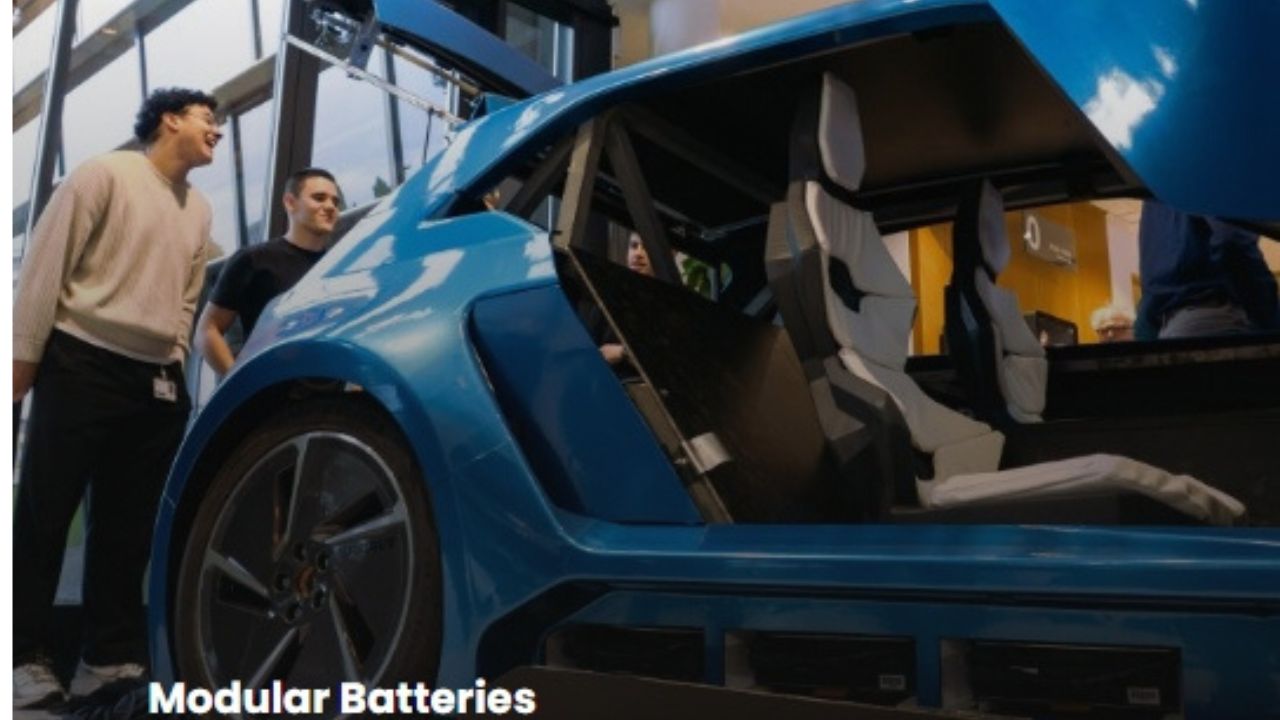
Its body panels and internal components are quickly removable and intentionally standardized so that owners can swap out parts themselves without advanced tools or deep technical expertise.
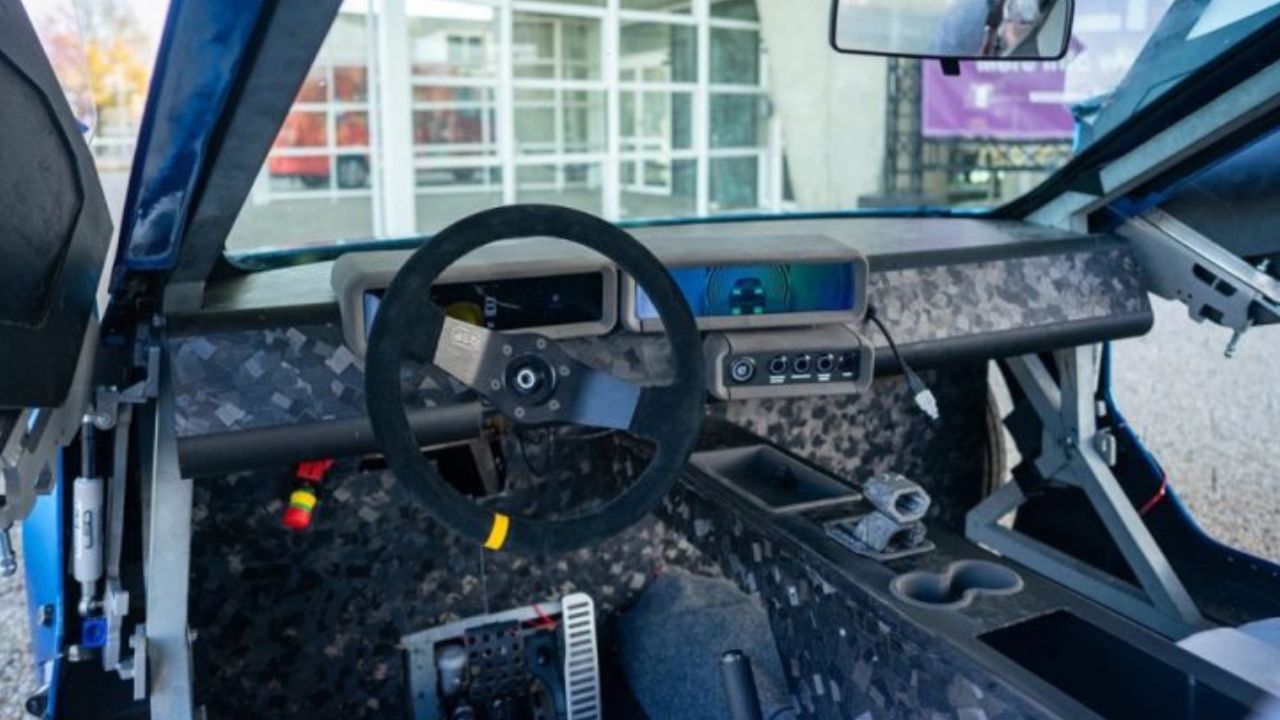
Battery power is supplied by six individual modules that can be replaced one at a time, avoiding the need to purchase or haul around a massive one-piece pack. The vehicle also comes with a built-in toolbox, detailed repair manuals, and a diagnostic app that connects over USB-C to reveal faults and guide users through fixes in real time.
A Deliberate Choice, not a Technical Necessity
Critically, Aria proves something that the established industry has long denied. The difficulty that many EV owners face when trying to repair their cars is not a technological necessity. It is a choice. It is deliberate, period. Automotive manufacturers have opted for complexity and exclusivity, locking customers out of the process so that they must return to authorized dealers for even minor issues.
Aria shows a different path is possible. It demonstrates that with thoughtful design and a willingness to share information, electric vehicles can be both high functioning and genuinely maintainable by their owners.
For the Right to Repair movement, Aria represents far more than an interesting prototype. It is a validation of a philosophy that has been gaining ground around the world. Advocates argue that consumers who purchase a product should also have access to the tools, parts, service information, and the legal freedom to fix that product themselves or choose where it is repaired.
Right to Repair proponents have been fighting for legislation in Europe and the United States that would require manufacturers to open up access to these resources, pushing back against business practices that effectively strip ownership rights from customers. Aria’s modular design answers this call in the automotive space.
Could This Spark Regulatory Change?
Unsurprisingly, Aria prototype’s team leader Taco Olmer has been vocal about the broader implications of the concept, suggesting that the European Union should apply Right to Repair norms to passenger vehicles. If regulators take up that challenge, the impact could ripple far beyond a student project.
It could force legacy automakers to rethink how they design cars and how they make money from them. Instead of extracting repair revenues through monopolistic practices, manufacturers might compete on genuine service quality and the durability of their products.
Aria’s technical specifications are modest. Its top speed is just over 50 miles per hour, and the range is around 137 miles. But in terms of social and economic significance, this vehicle goes far beyond any test numbers. And with the right backers, who can say what is possible in terms of power output?
Aria represents a shift in how we think about ownership, sustainability, and consumer rights in the electric era. It offers independent mechanics and advocates of repair freedom around the world an exciting, vindicating glimpse of what a truly fair and functional automotive future could look like.