
Tesla’s shift to a subscription-only model for its Full Self-Driving software lit a firestorm of reaction among owners and spectators, with perspectives ranging from excited optimism to deep frustration.
According to a report as told to Business Insider, Elon Musk and the Tesla leadership’s decision to move away from a one-time purchase option to a mandatory monthly payment of $99 starting February 14, 2026, is reshaping how drivers think about autonomy and the future of their vehicles.
For years, Tesla’s Full Self-Driving or FSD software was marketed as cutting edge. The company initially offered it for a one-time fee that started at $5,000 in 2016 and increased over time, reaching $8,000 for new buyers. Owners could also test the technology on a subscription basis, but now that subscription is the only way to access it. This shift, while simple in headline, triggered very different responses from three owners interviewed by Business Insider.
Two Owners, Two Views

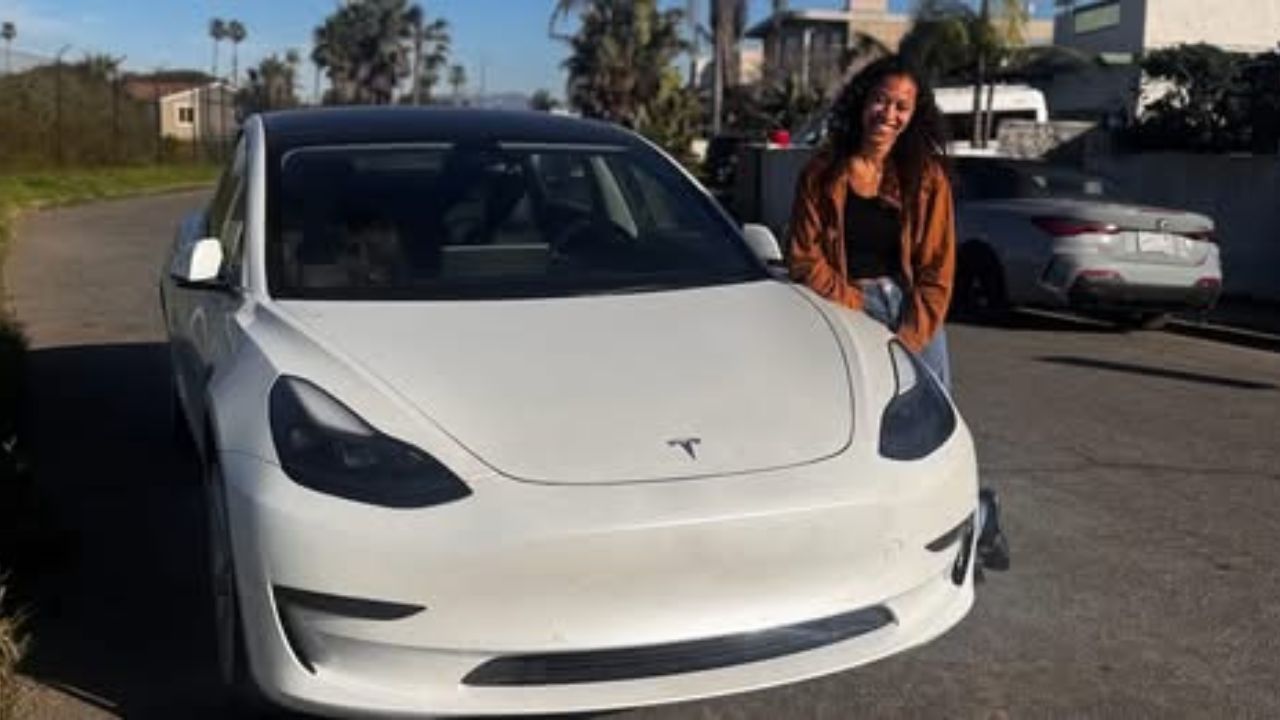
Leslie Snipes, a Model 3 driver who bought her car in 2022, described her reaction in stark terms. “It is a big turnoff for me,” Snipes told Business Insider. “Especially since nearly everything is now a subscription.” For Snipes, the concern is not purely about cost. She said her experience with FSD during a complimentary trial was impressive at the time but that safety issues have made her more cautious.
“I have much less confidence in Tesla’s self-driving,” she said, recounting instances where poor lighting or rain made the cameras fail. Snipes shared that she might still use FSD on months when she plans a long trip but is otherwise hesitant to commit to a recurring payment.
By contrast, some owners see opportunity in the new model. Scott Anderson, a recent purchaser of a Model Y in Arizona, never seriously considered paying thousands upfront for the software. “My wife and I recently took a trip about 70 miles from home up into the mountains,” he told Business Insider. “Our new car drove us the entire way without any interruptions.”
For Anderson, the subscription opens the door to using advanced driving technology without a large initial outlay. He also hopes Tesla will adjust pricing or enhance capabilities over time to make monthly access even more attractive.
The $8,000 Question

Yet there is a different brand of concern from longtime owners who already paid for FSD. Nikki Lindgren, who bought FSD years ago, said the subscription change might affect her future purchasing choices. “I find myself using FSD more and more as I drive,” Lindgren said.
“The change would mostly modify if or when we replace our current Tesla.” Her worry extends beyond her current car. If Tesla does not allow previously purchased FSD to transfer to new vehicles, she implied that she might rethink replacing her Tesla at all.
These reactions illustrate a deeper challenge. Tesla’s move underscores the company’s transition into a software-centric revenue model. It also spotlights how owners are recalibrating their relationship with technology they hoped would one day deliver true autonomy. While analysts note that this subscription model may reflect Tesla’s confidence in its technology and could lead to future price increases, many drivers are focused on today’s experience.
The $99 Question
The Business Insider interviews also reveal a common thread of uncertainty about how FSD will evolve and how owners will pay for that evolution. Snipes’ safety concerns, Anderson’s long-drive enthusiasm and Lindgren’s purchase dilemma show that for every driver pleased with the new direction, another is questioning the value proposition.
As Tesla edges toward greater autonomy, how much value will the company place on balancing innovation with customer expectations?
What happens after February 14 remains will likely preview the answer to that question. Musk’s strategic choice places FSD in subscription territory at a time when recurring revenue models are becoming standard across technology industries. Whether this will persuade hesitant drivers to embrace autonomous features month by month or leave longtime supporters cold has the potential to become one of the biggest automotive debates of 2026.