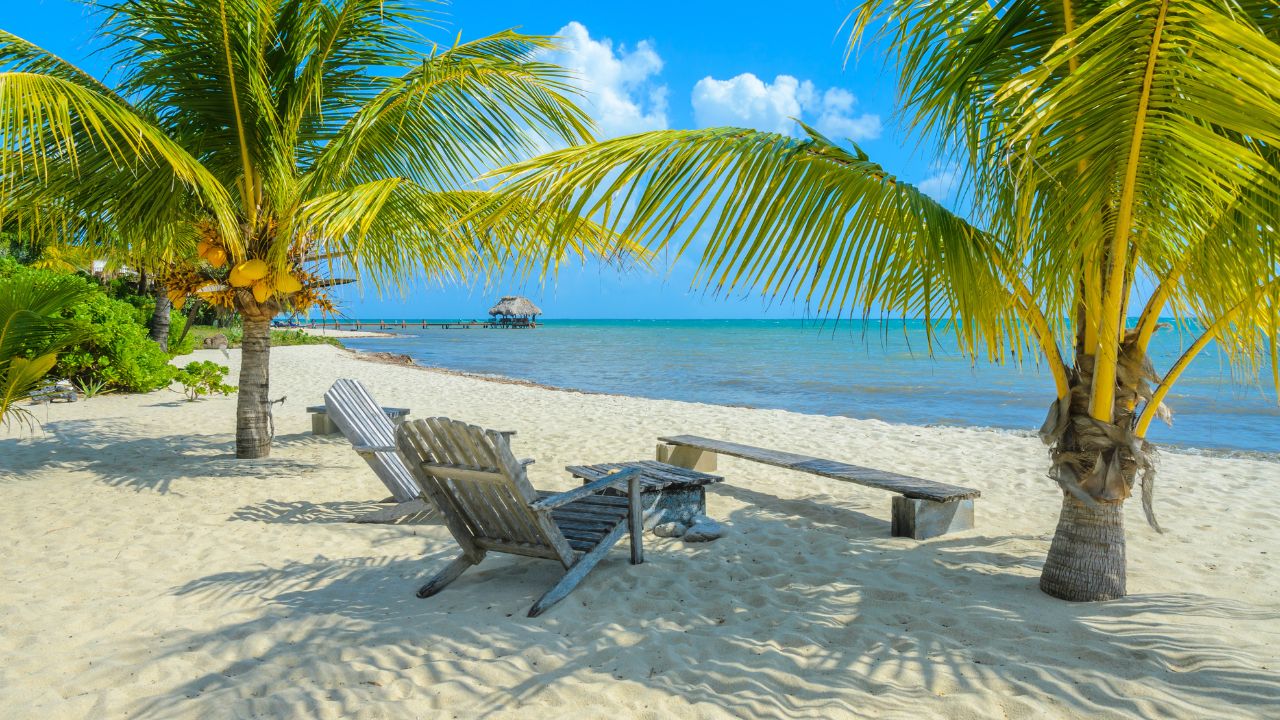
Central America offers a wide range of coastal towns that combine surfing, tropical nature, and a growing selection of work-friendly spaces for people who work remotely. Destinations in Costa Rica, Panama, Nicaragua, El Salvador, Honduras, and Belize attract traveling professionals thanks to varied accommodation options, cafés with internet access, and outdoor activities that make it easier to balance the workday with free time.
When choosing a location, it is important to check internet quality, housing availability, and transport options because conditions vary greatly from place to place. Examples such as Santa Teresa, Bocas del Toro, and San Juan del Sur show how a relaxed beach lifestyle and remote work can successfully coexist.
1. Santa Teresa, Costa Rica
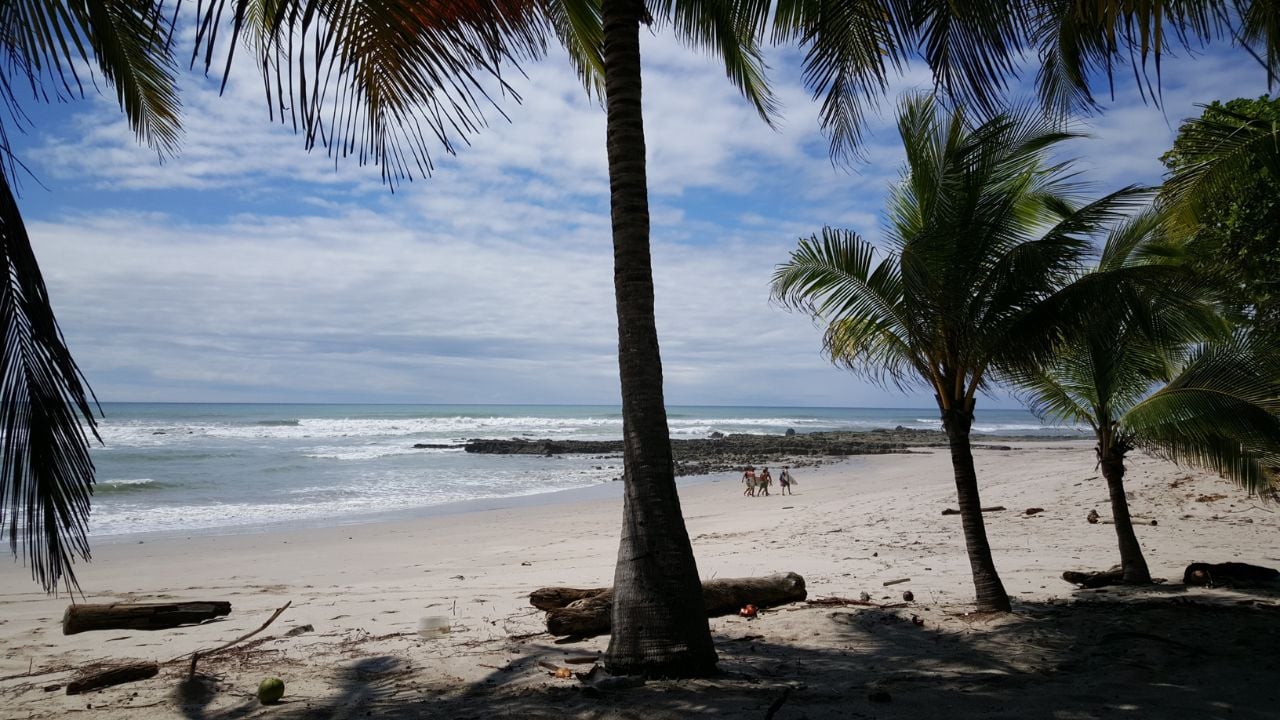
Santa Teresa on Costa Rica’s Pacific coast is a favorite among surfers and traveling professionals because of its long beaches and relaxed atmosphere. The town offers several coworking spaces and cafés with reliable internet, which makes remote work easier. The area is accessible via Tambor Airport with onward road and ferry connections to larger cities. Accommodation prices range from budget hostels to luxury villas. The local community is international, and the abundance of healthy restaurants and yoga studios contributes to a comfortable and productive stay. The tropical climate has clear dry and rainy seasons, which significantly influence waves and visitor numbers.
For working life in Santa Teresa, it is advisable to check internet speed in advance and book a coworking space if needed. Living costs are higher than in neighboring countries, so budgeting for food and transport is important. Power outages can occur, so a backup battery or UPS can be a smart choice. Locals and foreign entrepreneurs often organize meetups and workshops, which makes networking easy. Choosing accommodation with a reliable connection helps maintain consistent productivity while enjoying the coastal lifestyle. Local shops provide fresh produce and essentials throughout the year.
2. Tamarindo, Costa Rica

Tamarindo in Costa Rica’s Guanacaste province is a larger beach town known for surf-friendly beaches and a lively scene. Because of its proximity to Liberia International Airport and strong tourist infrastructure, it is easy to reach and stay for longer periods. Numerous cafés and coworking spaces attract remote workers by offering comfortable work environments and community access. Shops and restaurants are diverse, allowing everyday comfort alongside an active social life and sports options. Accommodation ranges from affordable rooms to luxury villas, and the surf scene draws visitors throughout the year.
For those seeking a balance between work and entertainment, Tamarindo offers a good compromise. Internet in larger properties and work hubs is usually stable and suitable for video calls, though reviews should always be checked before booking. Nightlife is active, with bars and restaurants that support social networking. Prices are moderate, with cheaper options available outside the center. Renting a scooter or car is often useful for exploring nearby beaches and nature reserves without losing productivity. Basic healthcare is available locally, while larger medical facilities are located in Liberia, about one to two hours away.
3. Nosara, Costa Rica
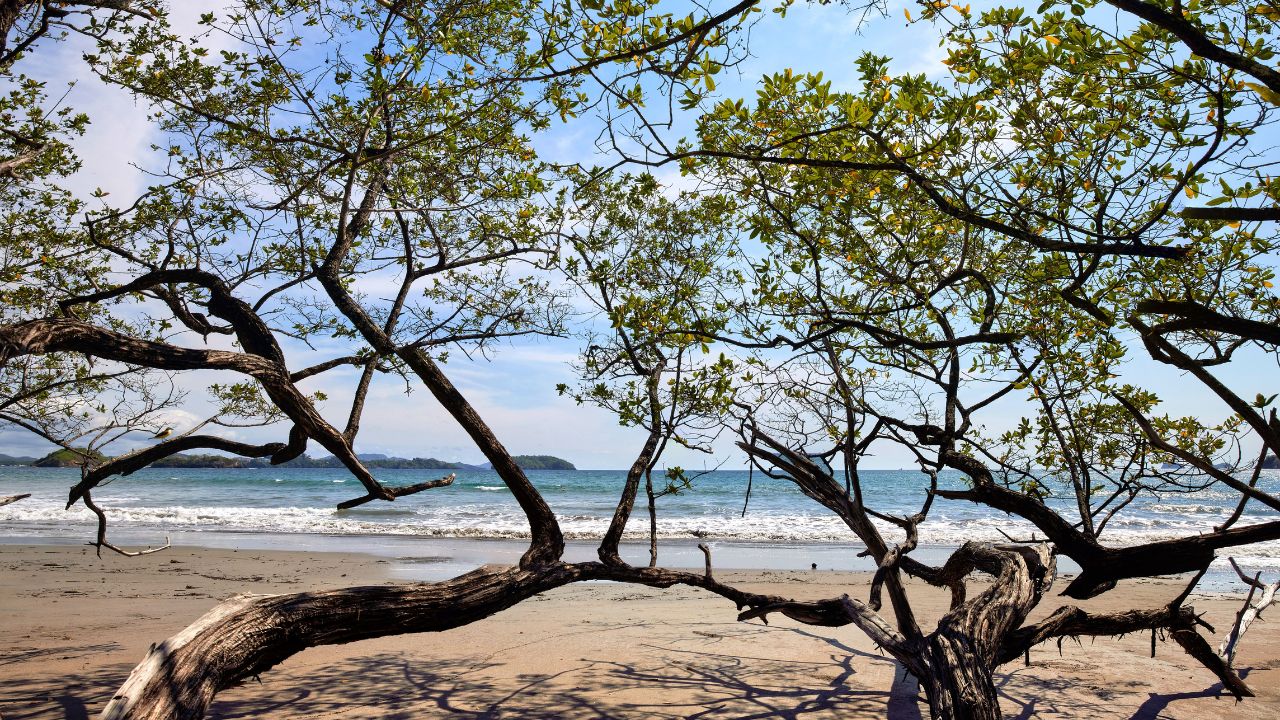
Nosara, located on the Nicoya Peninsula in Costa Rica, is known for its calm atmosphere, well-known yoga scene, and consistent surf. The town has a strong focus on sustainability and healthy living, which appeals to professionals who value balance between work and personal development. Coworking spaces and cafés enable work and networking with locals and foreigners alike. Travel to larger cities requires planning due to distance and road conditions, but the peace and quality of life often outweigh logistical challenges. The rainy season brings fewer tourists, lower accommodation prices, and a more intimate community feel.
Before committing to a longer stay in Nosara, it is wise to check mobile coverage and fixed internet options at your accommodation. The local ecosystem is rich in wildlife, so respecting protected areas and environmental rules is important. Prices vary by season and distance from the beach, so budget planning before arrival is essential. Many nomads appreciate the calm and collaborative work environment, which encourages small professional circles and skill-sharing gatherings. Local delivery services and organic markets meet the needs of those seeking a healthy lifestyle with minimal effort.
4. Puerto Viejo de Talamanca, Costa Rica
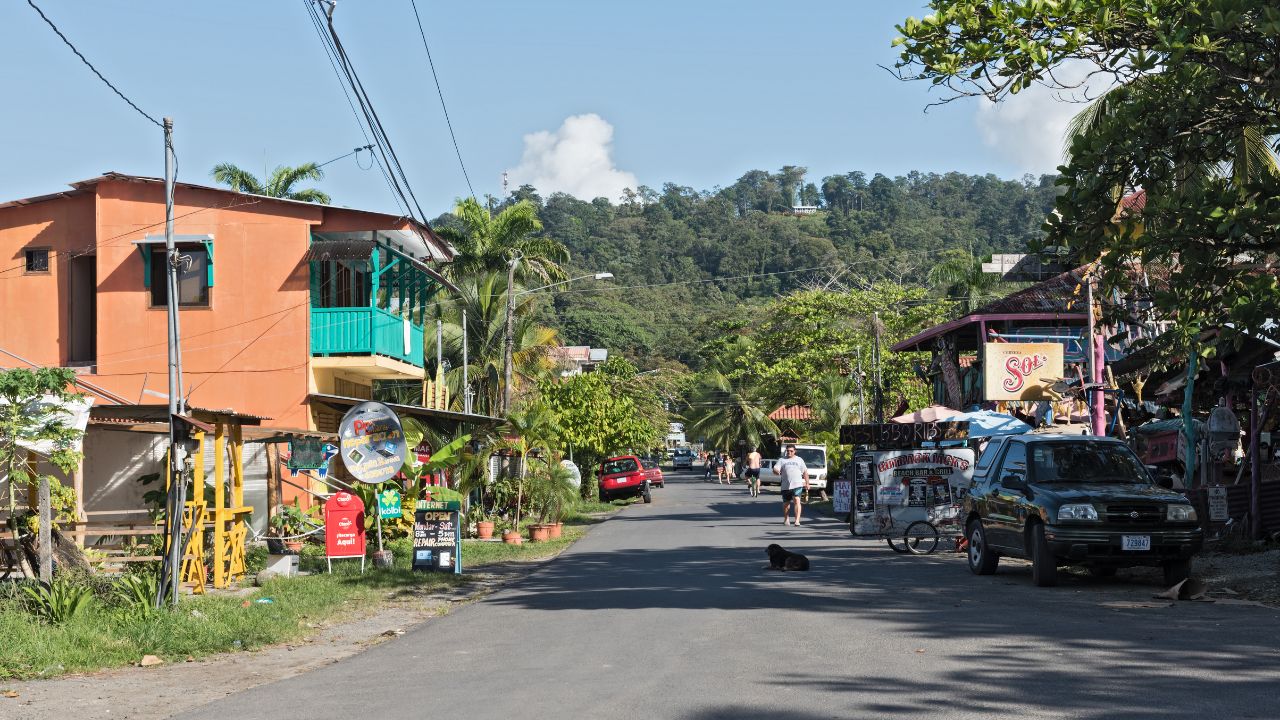
Puerto Viejo de Talamanca on Costa Rica’s Caribbean coast offers a completely different vibe from Pacific towns, with strong Afro-Caribbean influence, palm-lined beaches, and a slow pace of life. Local cuisine highlights fresh seafood and Caribbean flavors, while beaches offer both surf and relaxation. The community is colorful and multicultural, making it easy to meet artists, chefs, and traveling workers. Mobile connectivity varies by area, but cafés and small coworking spaces can support virtual meetings and focused work. Humid weather makes protecting equipment and maintaining data backups important.
For longer stays in Puerto Viejo, it is recommended to research public transport and vehicle rental options, as distances between beaches and services can be significant. The local scene includes workshops, music nights, and small markets that connect visitors with residents. Costs are generally moderate, with accommodation ranging from private apartments to guesthouse rooms. If planning to work from here, verify internet speeds at the exact property and have a backup plan for outages. Small cooperative projects and local initiatives often welcome volunteers and collaborators, which helps deepen community connections.
5. Manuel Antonio, Costa Rica
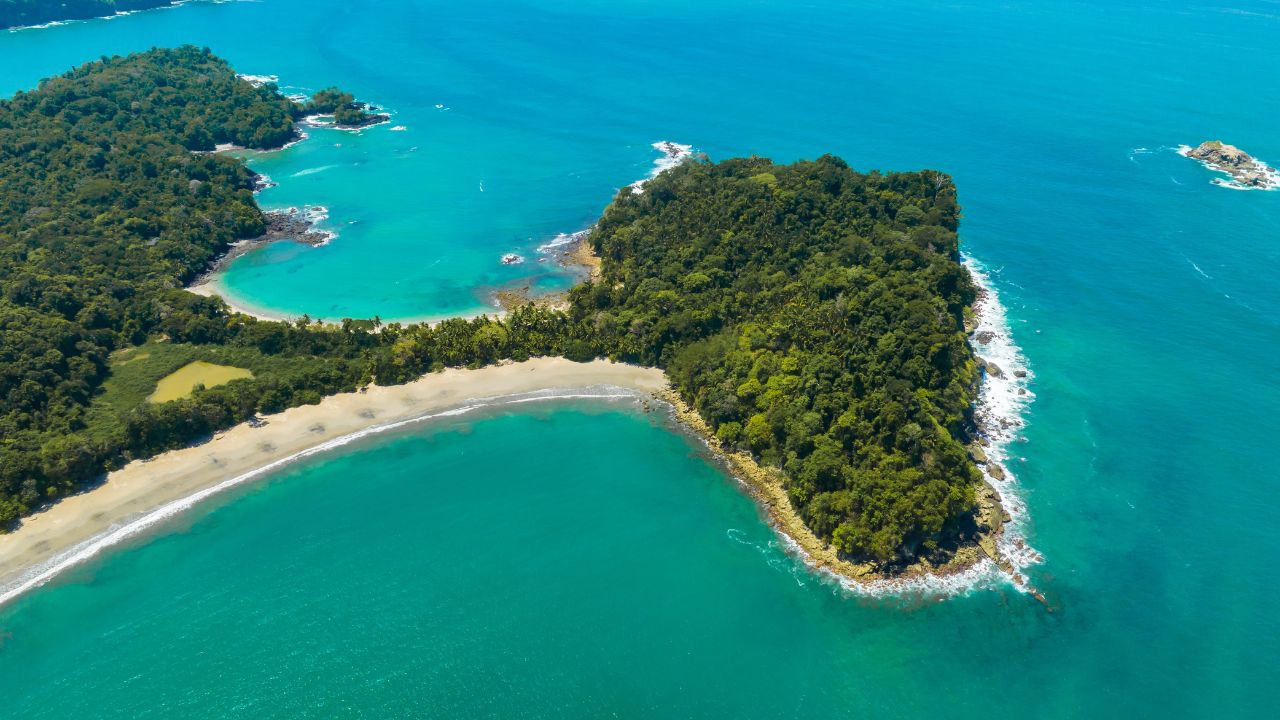
Manuel Antonio is small but extremely popular for its rainforest-and-beach national park. It’s also within a few hours of San José, with tourist infrastructure that makes longer stays easier. The town attracts travelers who want to blend nature with professional duties, since cafés and hotels often provide decent Wi-Fi and business-friendly amenities. Wildlife sightings are common near trails, so following local guidelines and protecting habitats is essential. Tourist seasons can be busy, but accommodation options cover a wide range of budgets. Boat tours and guided excursions make it easy to plan short breaks around work schedules.
Manuel Antonio offers accommodation from hostels to luxury resorts, supporting different work and rest styles. Before booking, check internet speed and distance from central areas, as traffic can increase travel time. Properties with proper workspaces often require advance reservations during peak season. Local guides and small businesses offer experiences that fit well into evenings or days off. For quieter work, choose lodging outside the busiest tourist zones, where noise levels are lower and focus is easier to maintain.
6. Bocas del Toro, Panama

Bocas del Toro, an archipelago in Panama, attracts travelers with its Caribbean atmosphere, lush islands, and turquoise bays ideal for snorkeling and coastal exploration. The main hub, Bocas Town, offers a mix of cafés, small coworking spaces, and accommodation suited to remote workers. Access is possible by air to Bocas Town or via fast boat connections from the mainland. Island life requires adjustment to supply logistics and occasional service interruptions, which many remote professionals manage through planning and local networking. Many places offer shared housing and creative workshops, fostering a strong sense of community.
For productive work in Bocas del Toro, it is recommended to book accommodation with clearly reviewed internet speed and power stability. Local providers and cafés offer casual work options, but demanding projects may require stronger connections or mobile data backups. Living on islands means accepting a slower pace and sometimes higher costs, which are offset by natural beauty and relaxed daily life. Connecting with local diving and art communities expands networks and practical advice. Exploring collaborative housing and shared workspaces can help ensure stable connectivity and built-in support systems.
7. Pedasí, Panama
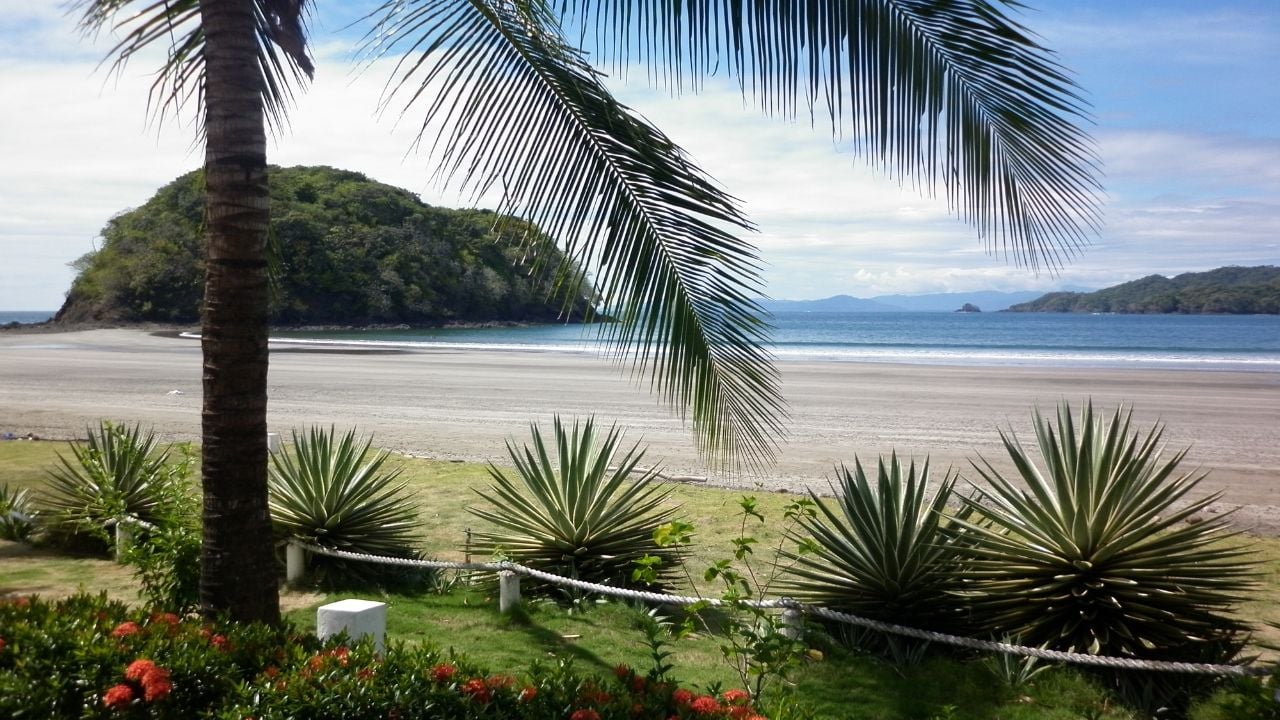
Pedasí on Panama’s Azuero Peninsula is a charming fishing town that appeals to those seeking peace, authenticity, and access to surf spots and nature reserves. The town offers small cafés, boutique hotels, and shared spaces suitable for remote work. Cultural festivals and weekly markets provide insight into local life. Proximity to small airports and road connections adds convenience while preserving a relaxed rhythm that many traveling professionals value. Seasonal weather changes and quieter off-season periods allow for lower prices and deeper interaction with residents.
Working from Pedasí requires careful planning of internet access, so look for accommodation that clearly states speed and reliability. Nearby surf spots and whale-watching opportunities create ideal transitions between work and recreation. Many travelers choose longer stays to enjoy the slower pace and lower costs compared to larger cities. Joining local groups helps with service recommendations and daily logistics. Local agencies offer tours and charters, and living alongside a fishing community provides authentic experiences and access to fresh local products.
8. San Juan del Sur, Nicaragua

San Juan del Sur in Nicaragua is a lively coastal town known for surfers, vibrant nightlife, and a large international community. Located on the Pacific coast, it offers many nearby beaches and a wide selection of accommodation and cafés suitable for remote work. The town is a convenient base for trips to nearby villages and national parks. Tourist infrastructure is well developed for Nicaragua, making logistics easier and supporting a balance of professional responsibilities and outdoor activities. Participation in seasonal events, workshops, and meetups helps connect visitors with shared workspaces and reliable local information.
For working in San Juan del Sur, it is advisable to secure accommodation with verified internet, as speeds vary. Living costs are often affordable compared to North American standards, depending on comfort level and location. Coworking spaces and cafés provide sustainable options for meetings and collaboration. Be prepared for busy tourist periods and plan transport and bookings in advance to keep routines uninterrupted. Many nomads choose longer stays because of the community and opportunities to network with freelancers and small business owners.
9. Popoyo, Nicaragua
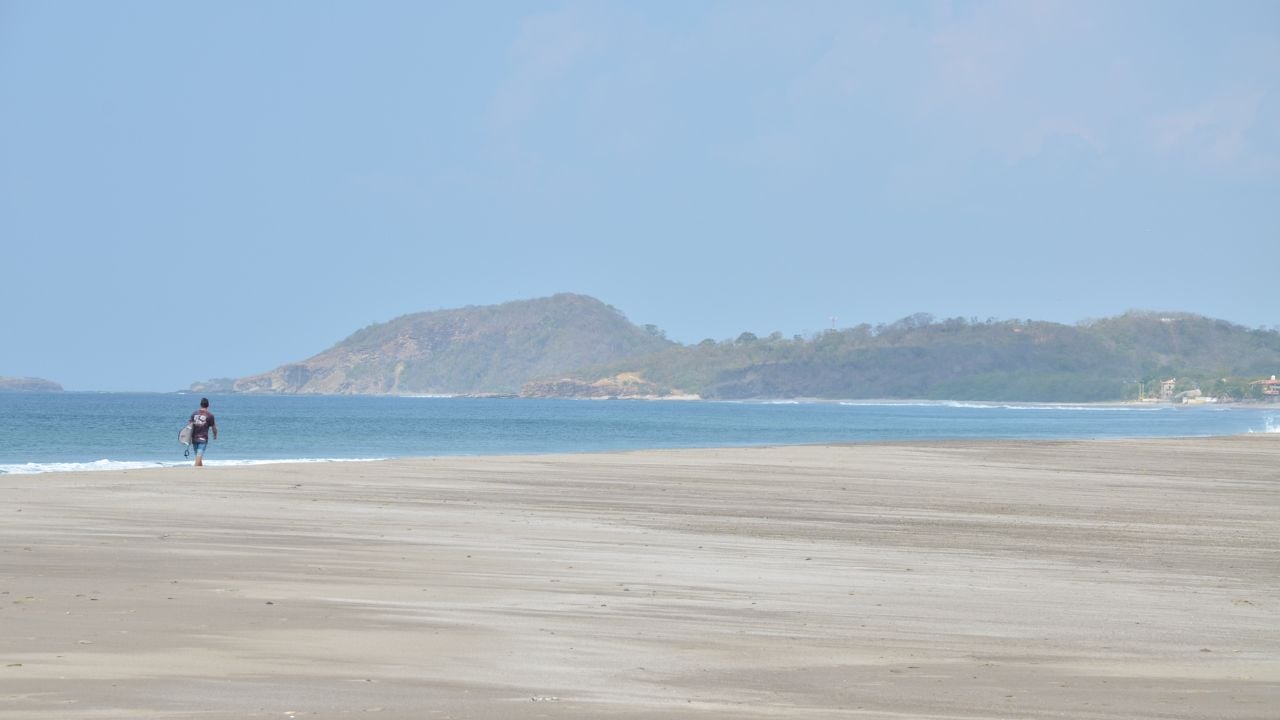
Popoyo on Nicaragua’s Pacific coast is well known among surfers for powerful, consistent waves and attracts travelers who want to combine surf camps with focused work. Located in a less developed area, the community is smaller and more water sports-oriented, which supports concentration with planned surf breaks. Accommodation ranges from simple camps to comfortable villas, while local services are limited, so advance planning is recommended. Many visitors arrive through surf schools that offer combined packages with lodging, training, and practical advice for remote work.
Working from Popoyo requires proactive internet planning, so choose accommodation that guarantees speed and backup options. Due to limited infrastructure, having a local SIM card or portable hotspot is advisable. Costs are often lower than in larger beach towns, but food and transport options may be limited. For consistent professional connectivity, consider longer stays at properties with strong reviews. Many professionals use Popoyo as a base for intensive surf periods and occasionally work from nearby towns with better connectivity.
10. Little Corn Island, Nicaragua
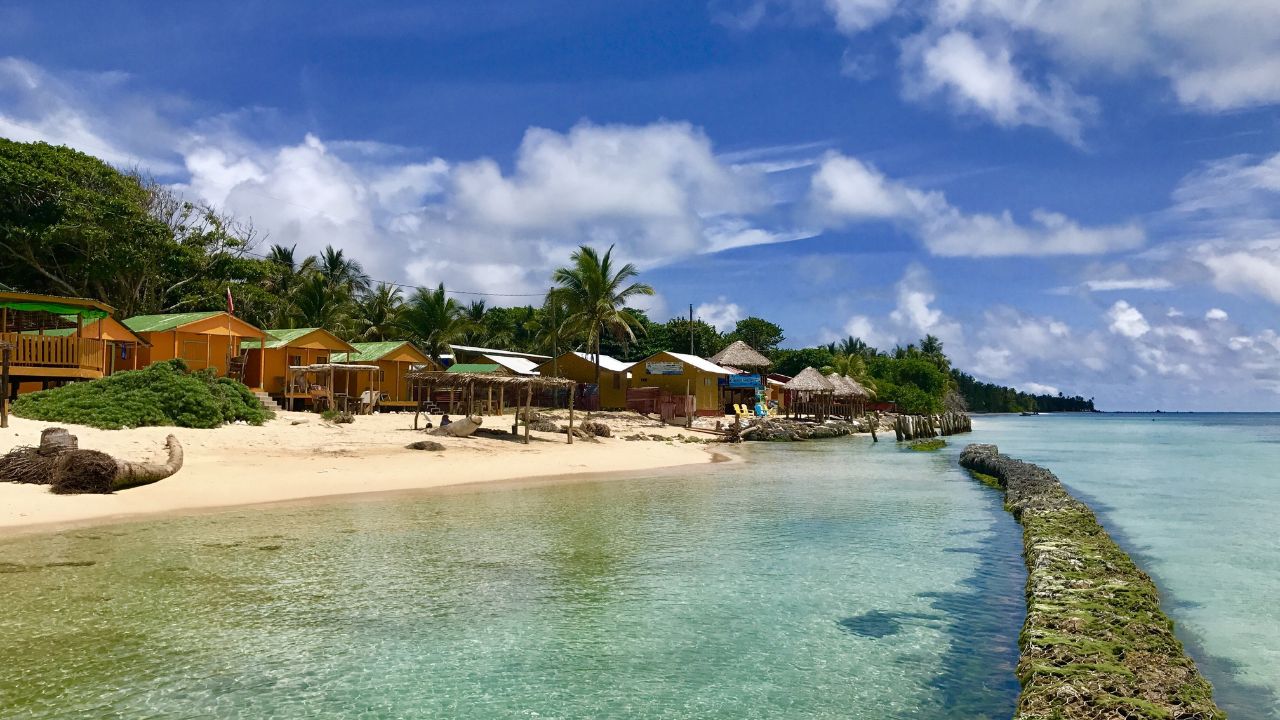
Little Corn Island in Nicaragua is a remote Caribbean destination without motor vehicles, popular with those seeking a complete escape and simple living. Life here blends diving, coral reef exploration, and relaxed work conditions. Internet is often limited and slower, making it unsuitable for demanding connectivity but workable for short projects and creative tasks. Reaching the island involves boat travel, which adds logistical complexity but also uniqueness. Many visitors combine island stays with short mainland trips for essential work tasks.
To stay productive here, set realistic expectations regarding internet speed and power availability. Bring backup batteries, local SIM cards, and verify upload and download limits in advance. Respect for local traditions and environmental protection is essential for long-term acceptance. For serious work, plan a mix of island time and mainland stays. Many visitors praise the unique atmosphere and find that creative tasks become easier in the slow-paced environment, which encourages focus and renewal.
11. El Tunco, El Salvador
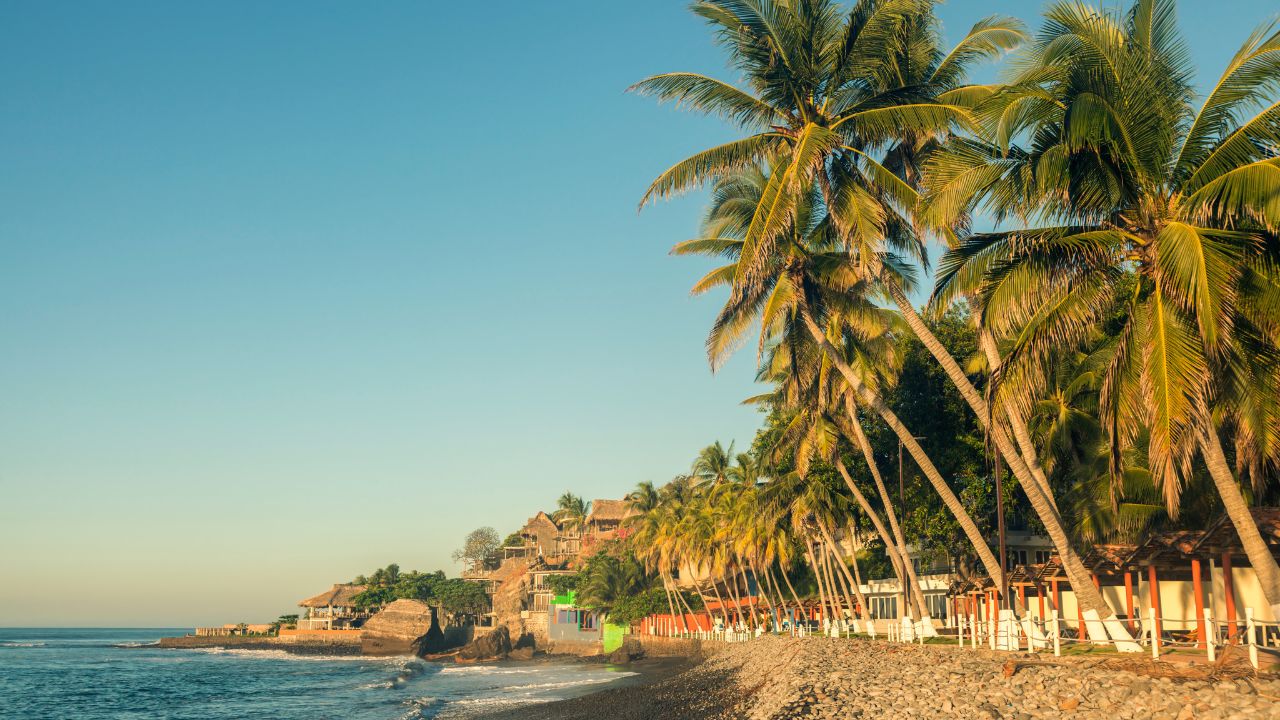
El Tunco on El Salvador’s Pacific coast is a small surf town known for black volcanic sand, strong waves, and a relaxed atmosphere. It is popular among young travelers and digital nomads looking for surfing, social events, and affordable living. In recent years, more travelers have begun staying longer as accommodation and services have expanded. A network of cafés, restaurants, and hostels supports networking and casual work near the ocean. Surf schools and community spaces host events that attract international visitors and build professional and social connections.
Remote workers should check accommodation reviews for internet and power reliability, as interruptions can occur in smaller areas. Scooter rentals are common and provide easy access to surf spots and shops. Costs are often lower than in more developed destinations, and local communities support newcomers with recommendations and events. To balance work and leisure, choose lodging near cafés or coworking spaces. Getting involved in local initiatives or volunteering can help with language learning, cultural understanding, and forming lasting connections.
12. El Zonte, El Salvador
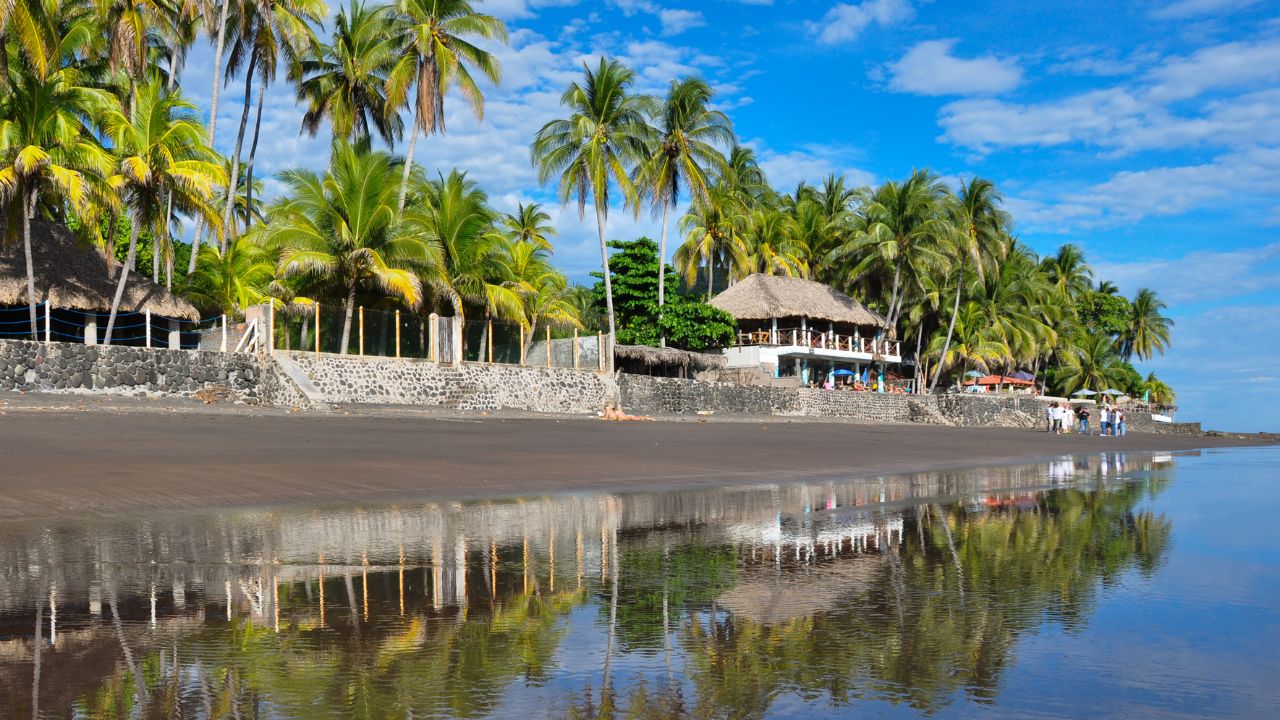
El Zonte stands out as a surf destination in El Salvador that has quickly gained popularity among remote professionals due to its waves and low living costs. The atmosphere is relaxed and community-focused, with more restaurants and cafés offering work-friendly environments. Sustainability and beach restoration initiatives are active and attract travelers interested in responsible tourism. Many visitors stay longer, combining work with outdoor activities. Growth in local businesses has improved access to coworking-style spaces and better conditions for remote work.
When planning a stay in El Zonte, it is important to stay informed about local guidelines and safety advice, as conditions vary by region. Many accommodations now advertise stable internet and dedicated work areas. Engaging with community initiatives often leads to practical support and recommendations. To combine work and surfing, research wave seasons and lesson availability. Many travelers remain longer because of community ties and affordable housing options, especially outside peak season.
13. Utila, Honduras
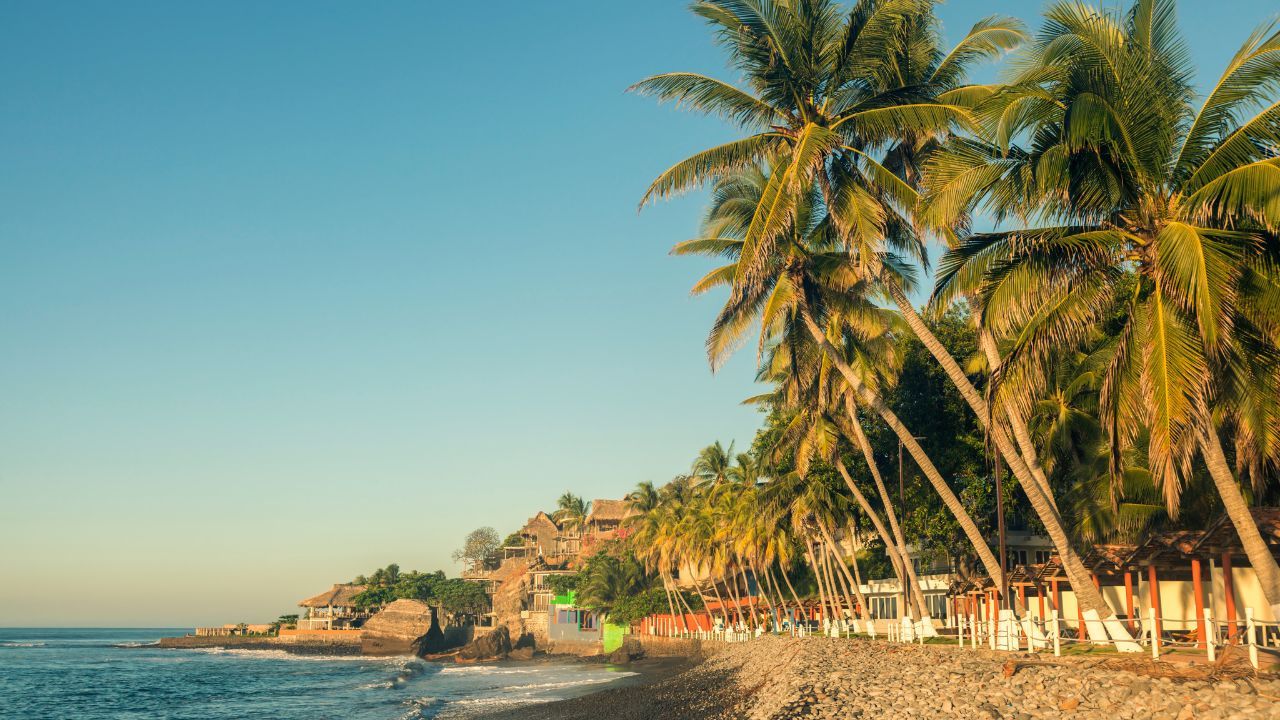
Utila, a small island in Honduras, is known for diving and coral reef exploration and often attracts travelers who mix active holidays with occasional work. The community is small and friendly, with many dive schools offering courses and community connections. Infrastructure is tourism-based, so access to some services is limited, but cafés and guesthouses often provide internet. For consistent connectivity, plan work hours carefully and book accommodation in advance. Building relationships with instructors and local entrepreneurs helps identify reliable locations and services.
For those working online, it is wise to have backup options such as mobile hotspots due to occasional outages. Accommodation prices fluctuate seasonally, and longer stays can secure lower monthly rates. Many visitors combine diving certifications with work tasks, forming small communities of freelancers and instructors. For greater resources, plan occasional trips to the mainland. Participating in local and online networks helps find better deals and practical advice from experienced visitors.
14. Roatán, Honduras

Roatán, the largest of the Honduran Bay Islands, combines developed tourist infrastructure with diving, beaches, and active outdoor living. The island offers a wider range of accommodation, restaurants, and services than smaller neighbors, making it more practical for extended stays with professional duties. Coworking-style spaces and work-friendly cafés with faster internet can be found in main settlements, supporting remote work. Roatán is often used as a base to combine diving and work, with access to regional and international flights. Local communities and operators host programs and courses that support integration and cultural exchange.
Working on Roatán offers a balance between better infrastructure and island pace, so checking internet speed by area is important. Prices vary by proximity to ports and tourist hubs. For stable connectivity, consider lodging in larger towns or near coworking centers. Joining diving or environmental projects helps build connections and find collaborators. Many professionals value the island rhythm for creative work, combining focused weekdays with water activities on weekends.
15. Placencia, Belize
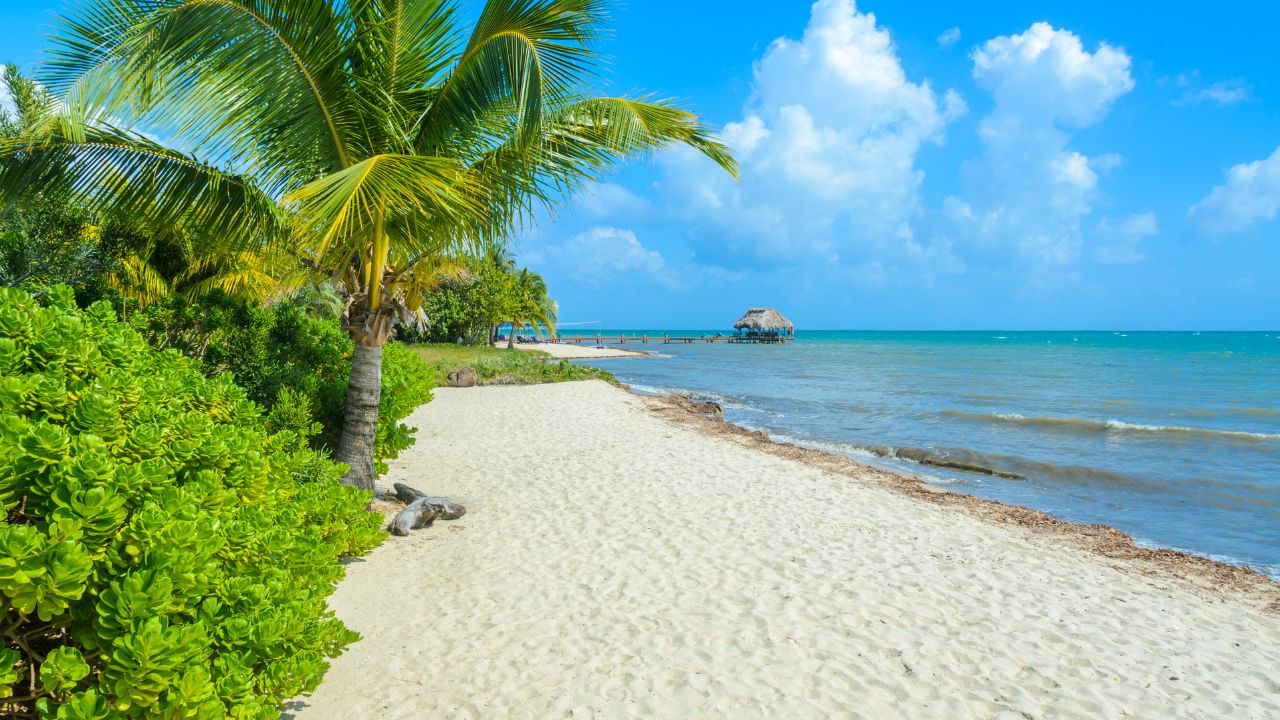
Placencia on Belize’s coast is a peninsula known for beautiful beaches, nearby coral reefs, and a relaxed lifestyle. It blends tourist amenities with local culture and offers many restaurants and boutique accommodations. Diving and excursion operators attract nature lovers who also work remotely. Local cafés and some lodgings provide internet suitable for cloud-based work and virtual meetings, but speed checks are essential. Tourist seasons affect availability, so longer stays and early bookings often secure better rates.
If working from Placencia, review workspace options and internet reliability, as conditions differ across the peninsula. Access to supplies and services can be seasonal, so plan shopping and logistics accordingly. Many visitors form small remote work communities, sharing recommendations for locations and services. The mix of work and marine activities makes Placencia appealing for those seeking productivity alongside natural beauty. Joining local groups helps with orientation and arranging monthly accommodation for longer, flexible stays.
16. Hopkins, Belize
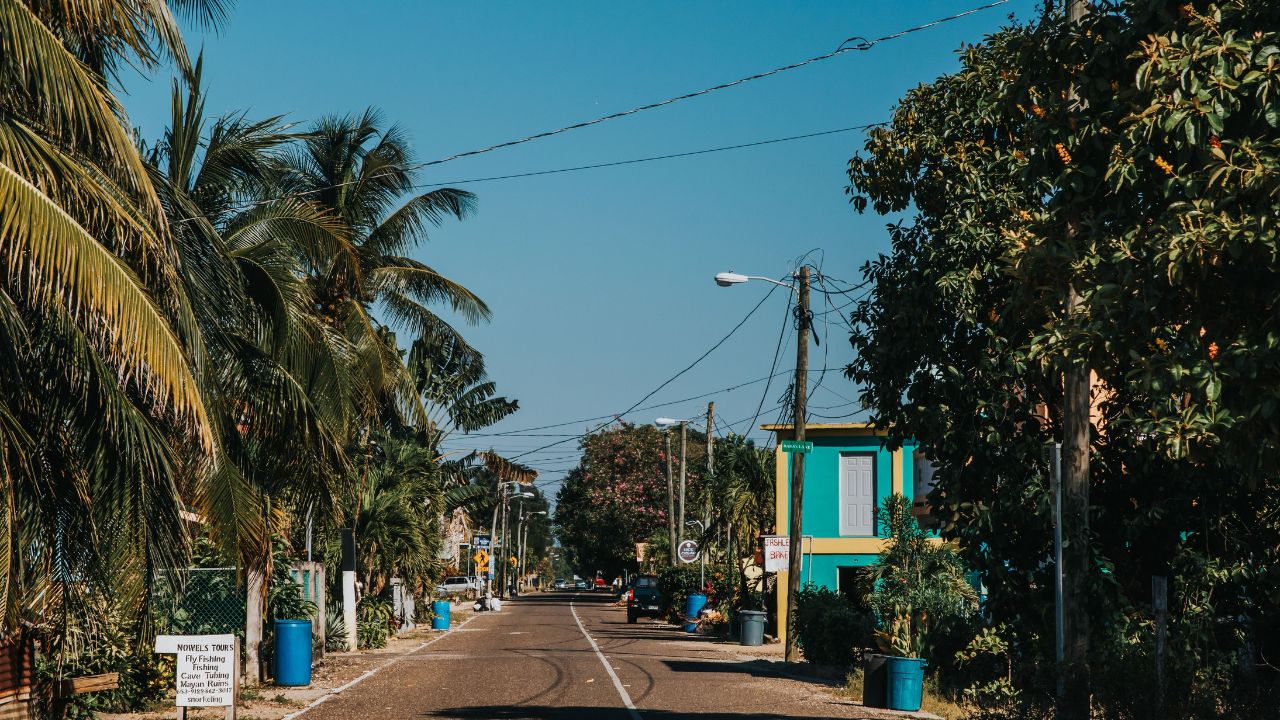
Hopkins on Belize’s Caribbean coast is known for its rich Garifuna culture, music, and authentic cuisine, as well as its proximity to the Belize Barrier Reef. It attracts travelers seeking cultural immersion and access to diving and eco-activities alongside a relaxed lifestyle. Workspaces are limited, but local cafés and some lodges offer sufficient internet for daily tasks and video calls. Hopkins suits those who want to blend cultural engagement with part-time remote work. Participating in local events and connecting with guides provides access to hidden beaches and valuable local advice.
If planning to stay in Hopkins, verify internet options and ask about power and service reliability in advance. With few coworking spaces, connecting with accommodation providers or cafés for stable access is recommended. Many visitors value authenticity and join workshops in traditional crafts and music. The combination of work and cultural involvement offers a different experience from larger hubs and suits those seeking deeper local integration. Hopkins also serves as a base for boat trips to the reef and day-diving adventures that fit well around a flexible work schedule.