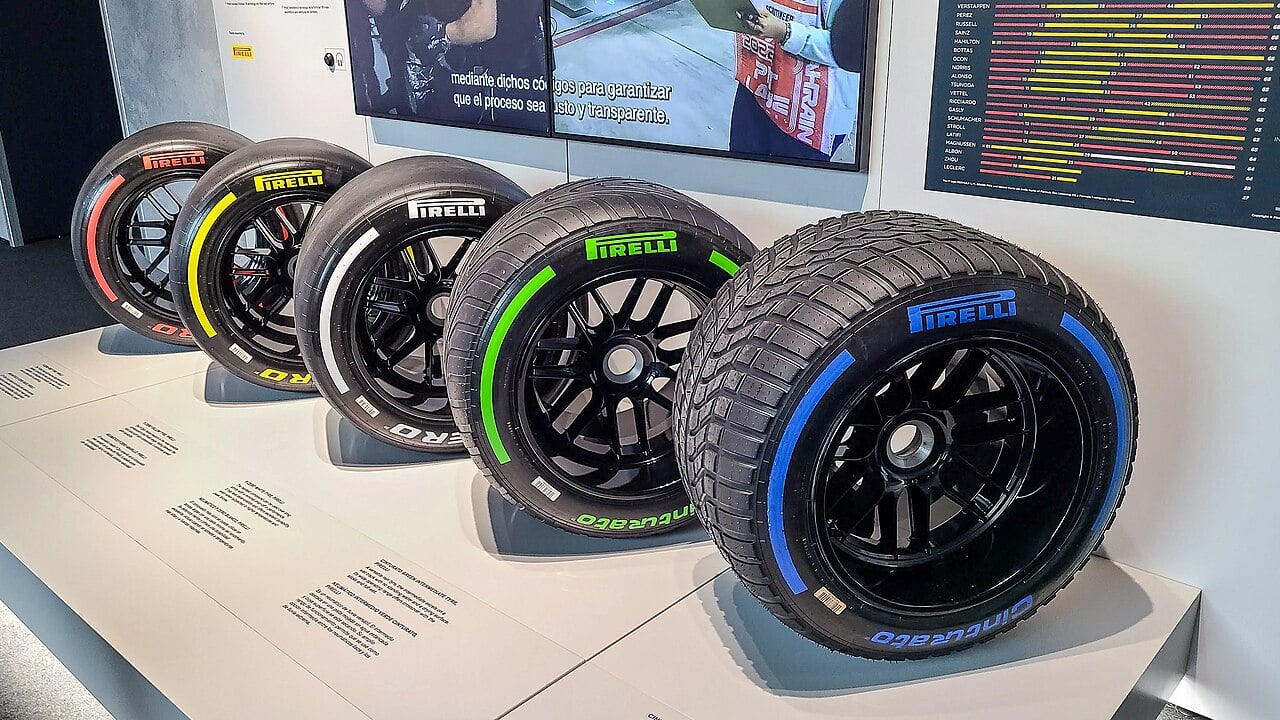

For decades, Pirelli has been synonymous with Italian performance and premium rubber. Its distinctive P-Zero tires have graced everything from supercars to Formula One grids, and the Milan-based company has cultivated a global reputation as a go-to brand for enthusiasts and manufacturers. But now one of its most important markets is at the center of a geopolitical and regulatory storm that could reshape the company’s future.
At the heart of the controversy is Pirelli’s ownership structure. What most drivers don’t realize is that the company is no longer wholly Italian. A significant stake of roughly one third is held by Sinochem Group, which is a Chinese state-owned chemical and energy conglomerate.
That presence, once viewed as a savvy way to tap into global capital and scale production, has become a liability as Washington tightens rules on Chinese-linked technology in the automotive supply chain.
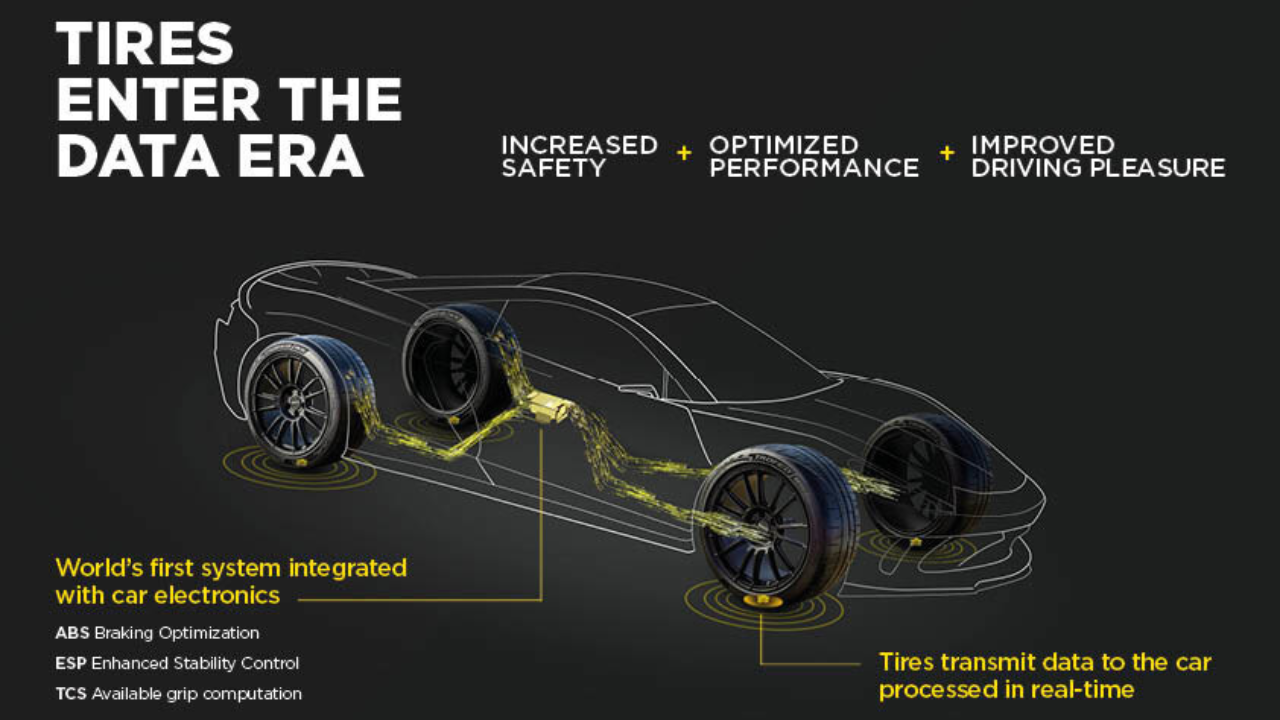
Under new U.S. regulations set to take effect in March 2026, hardware and software developed by companies controlled by Chinese entities may be barred from use in vehicles sold in the United States. That could potentially include technologies embedded in tires that communicate with a vehicle’s systems, an innovative feature Pirelli has pioneered with its “Cyber Tyre” platform.
The $2 Billion Dilemma
The stakes are high for the tire maker. The U.S. accounts for around 20 percent of Pirelli’s annual revenue, making it too large a market to ignore without serious financial consequences. Loss of access would not only dent sales, but it could undermine Pirelli’s reputation as a global technology leader in high-performance tire systems.
For company leadership, the ways forward are fraught and complex. Pirelli has repeatedly signaled that it does not want to be boxed out of the American market and is exploring remedies that might satisfy both U.S. regulators and its shareholders.
In 2025, the company’s board passed a resolution — supported by a majority of directors — asserting that Sinochem no longer exercises control over Pirelli for corporate governance purposes. That move was expressly designed to ease regulatory concerns and pave the way for future expansion in North America.
Yet that assertion has not been universally accepted. Sinochem’s subsidiary, Marco Polo International Italy, publicly rejected the board’s reasoning, arguing that no legal basis existed to alter its status as a controlling shareholder under Italian “golden powers” rules. The dispute underscores how tangled corporate governance has become amid diverging national priorities.
Geopolitical Juggling Act
Italian government involvement adds a further layer of intrigue. Under its own national security framework (dubbed “golden powers”), Rome can limit foreign influence in strategically important companies. These rules were first used against Sinochem’s influence at Pirelli in 2023 and have since been a tool for the state to ensure sensitive technologies and decision-making remain under domestic oversight.
With the U.S. deadline approaching, Rome has indicated it may intervene again if shareholder negotiations fail.
The internal tug-of-war between stakeholders in Milan and Beijing is mirrored in boardrooms and government offices. Pirelli executives and Italian officials have reportedly held talks on ways Sinochem might reduce its stake or convert its role into that of a passive investor. Financial advisers such as BNP Paribas have been engaged to explore potential sale options, though finding buyers for such a sizeable chunk of a global brand has proven difficult.
A Race Against Time
Industry analysts say this episode reflects a broader geopolitical shift: global companies with ties to Chinese state capital are finding themselves squeezed between Western regulatory regimes and Beijing’s strategic priorities. The U.S. push to curb Chinese influence in key technologies — from semiconductors to automotive systems — is colliding with decades of cross-border investment that once seemed low-risk.
For gearheads, the implications hit close to home. Pirelli’s tires have not only been performance icons but also test beds for next-generation vehicle integration. Losing unfettered access to the U.S. market would limit where those innovations can take root, potentially ceding ground to rival brands with cleaner regulatory profiles.
Whether Pirelli can navigate this geopolitical pit stop and emerge with both its brand and American market share intact remains an open question. The clock is ticking, and every stakeholder, from board members in Milan to regulators in Washington, has a stake in the outcome.