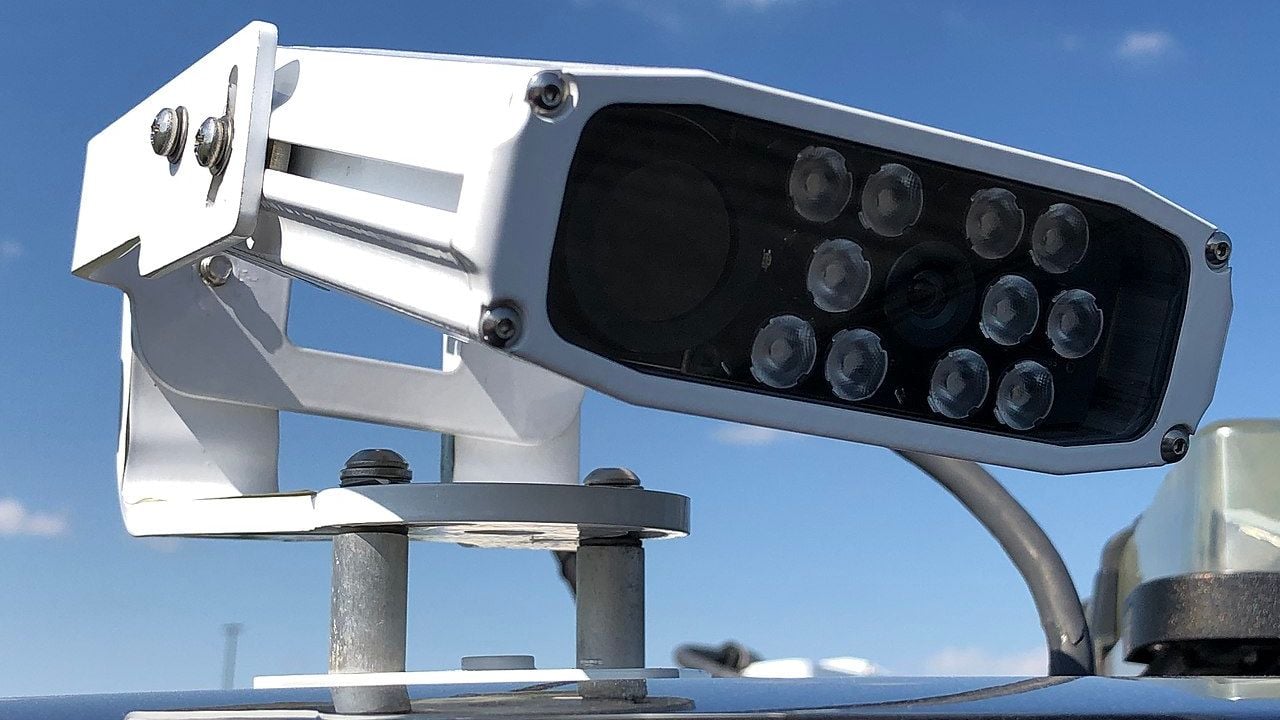

Imagine you are cruising down New York Avenue on a sunny Tuesday afternoon when suddenly your phone buzzes. Not a text, not an email, but a camera-issued speeding ticket for a blink-and-you-miss-it moment over the limit.
Now imagine a heated debate where more than half of the people say those cameras should go. That is the snapshot of the latest poll on banning all speed and red-light cameras in Washington, DC, with a whopping 56 percent voting in favor of a total ban.
Perhaps the voters’ comments under the survey helps reveal what they were thinking:
“When cameras are used to generate over 1 billion dollars, you can see how it’s no longer about safety. Reducing the speed limits and shortening the traffic lights should be a criminal act as it’s placing undue burden on citizens. Why is the speed limit now 20MPH, who drives 20MPH? We are taxed so heavily in this country. Democrats want us to all line up in the poor people line begging for handouts.”
“DC collects too much money from these cameras… They don’t make anyone safe. They just make people poor. Most of these cameras also are ticketing people for nearly no reason at all. It’s disgusting how greed has taken advantage of people in the pursuit of safety… Most people drive perfectly safe and still pay these shakedowns from the cameras. It’s theft!”
Clearly, this isn’t a niche issue anymore. At the heart of it is a broader national conversation about enforcement, fairness, safety, and trust — all served up by tiny unblinking eyes perched at intersections.
A Simple Question with Big Implications
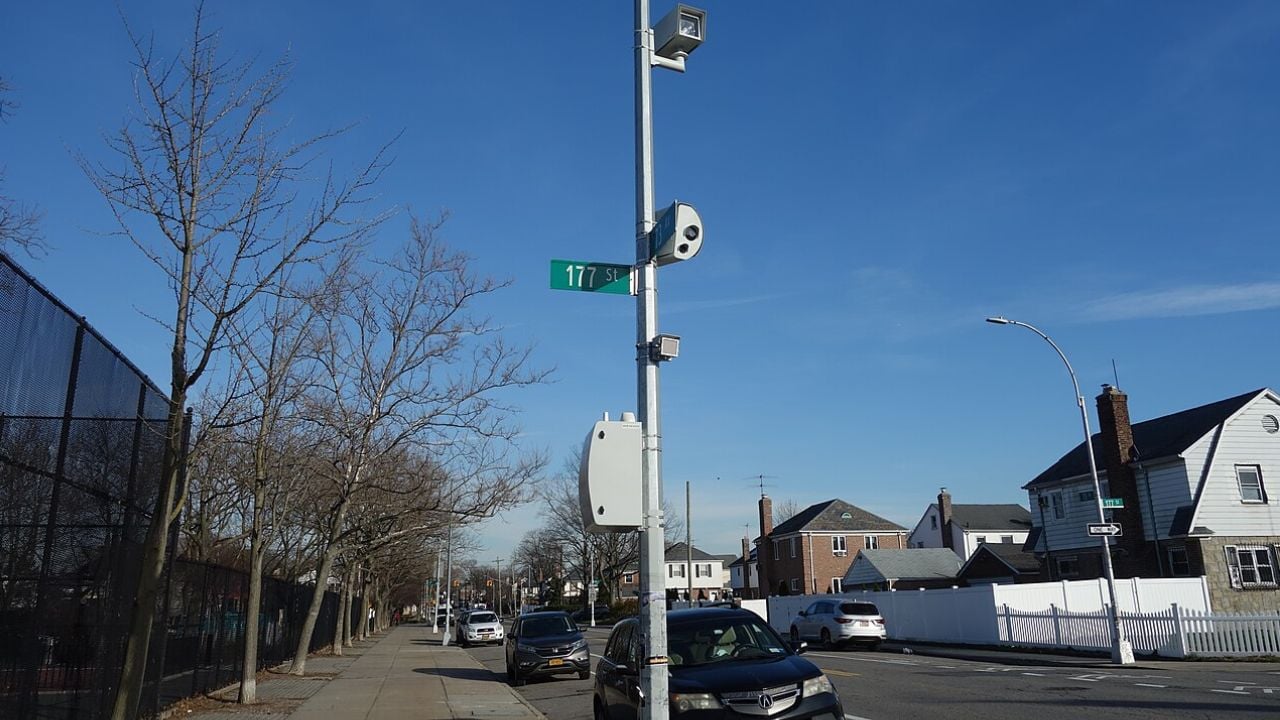
The poll, conducted by ABC7, asked Washingtonians whether they agree with scrapping all automated speed and red-light cameras in the city. With 56 percent saying yes, it’s clear a majority of respondents want these devices gone.
For drivers who feel squeezed by fines that can range into the hundreds, that result might not be surprising. Cameras dole out penalties without points hitting your license, and for commuters passing through DC from Maryland or Virginia, the sting can feel particularly sharp.
But that poll result flies in the face of how local officials and many traffic safety advocates see it.
DC didn’t install automated cameras out of thin air. They were rolled out decades ago as part of a Vision Zero-style effort to cut traffic deaths and injuries. Over the years the network expanded to hundreds of devices designed to catch speeders and red-light runners.
Supporters point to data from DC and other big cities where cameras are credited with reducing dangerous behaviors. These advocates argue that enforcement where traditional policing is thin can save lives and make streets more predictable for drivers, cyclists, and pedestrians.
That’s exactly the tension playing out now. Local leaders, including Mayor Muriel Bowser, have pushed back hard against a federal proposal from the U.S. Department of Transportation that could ban these cameras across the city.
That’s right, there is a real DOT proposal to ban automated traffic enforcement cameras (speed, red-light, and stop-sign cameras) in Washington, D.C. You’ve probably haven’t heard because it’s not yet formally published for public access. The only way to read about it now is through reporting by Politico and local D.C. news outlets, which obtained the draft.
The plan was written by DOT and sent to the White House Office of Management and Budget (OMB) for review as part of the upcoming surface transportation bill. If the law passes, the district could lose millions of dollars in lost revenue from traffic fines. D.C. leaders and safety advocates strongly oppose it, calling it federal overreach, while supporters argue it would end what they see as “predatory ticketing” against drivers.
Their argument of respondents who voted against the ban would be pretty straightforward: removing cameras would endanger people and gut a major safety tool that helped cut crash fatalities in recent years.
They also flag the revenue these systems generate — last fiscal year that figure reached into the hundreds of millions — which local leaders say funds other city services. Critics counter that fine revenue shouldn’t be a budget linchpin and that the burden often falls on commuters who don’t live in DC or low-income residents.
What Drivers Are Saying
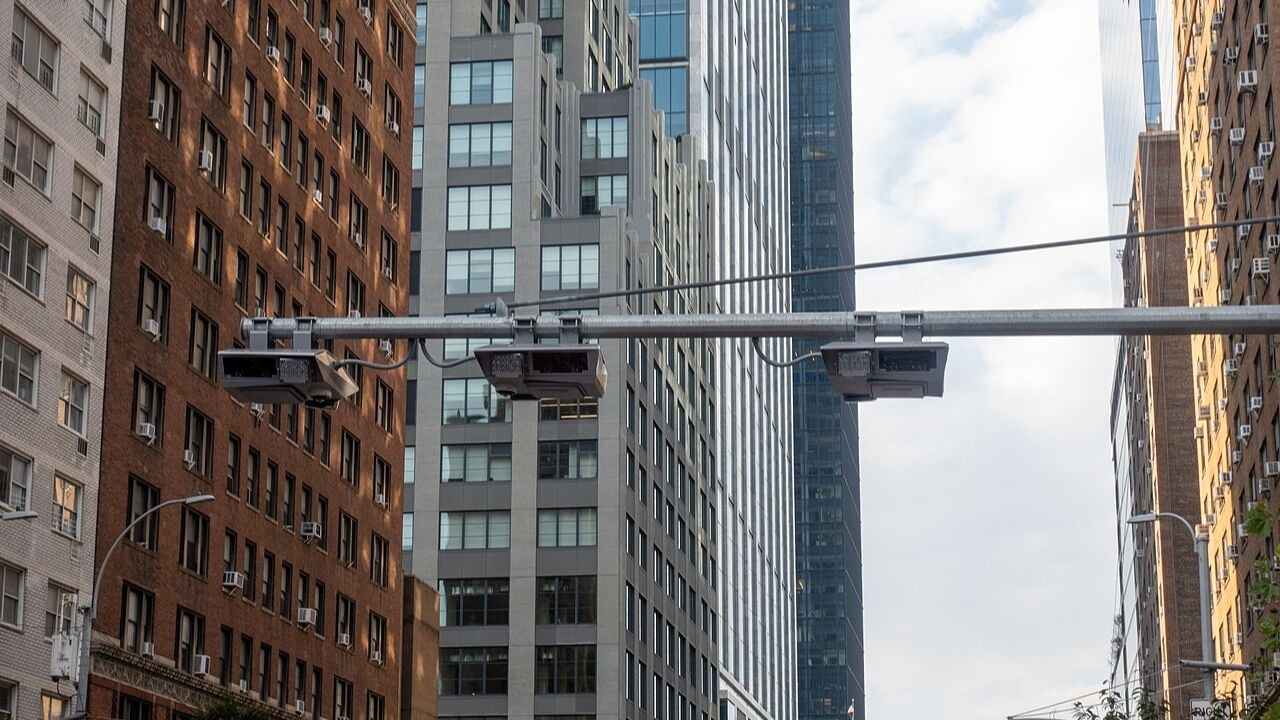
Talk to motorists around town and you’ll hear a very different tone. Many see the cameras as punitive money traps that feel unfair in practice. Some complain the placement is more about ticketing cars than improving safety, especially in areas where there is little pedestrian activity or obvious danger. It’s the kind of grassroots frustration that likely helped push that 56 percent poll number higher. One comment under the poll didn’t hold back:
“Absolutely! The cameras are not about safety; they are strictly revenue generated! Not to mention also bias. Most of the cameras are in Wards 7 & 8, SE DC. Practically none in Wards 1, 2, 3, Upper NW DC. The difference here is the ethnic groups, Wards 7 & 8 are primarily black and Wards 1, 2, & 3 are primarily white. The bottom line is, folk will speed past red lights and stop signs, regardless of if cameras are posted or not. I haven’t heard or seen data that says cameras save lives. Even a “AAA Mid-Atlantic representative, John B. Townsend, criticized DC’s speed cameras in 2017, questioning if they were for safety or revenue.” REMOVE the cameras without delay; they are MEANINGLESS!”
Other drivers emphasize freedom and personal responsibility. They say they will slow down where they know cameras are, but that doing so only to avoid a ticket doesn’t necessarily make the roads truly safer.
Beyond DC, traffic cameras are far from universally loved or despised. Some cities, like New York, have used cameras successfully to reduce violations and crashes, but success varies and depends on how enforcement is structured and communicated. There’s also ongoing research about the real safety benefits of automated enforcement, with strong evidence in some areas but mixed results in others.
What’s clear is that the DC debate is more about how we balance public safety, personal freedom, fairness, and local control over law enforcement. Whether you’re a driver who’s ever gotten an unwelcome notice in the mail or someone who walks the city’s busy crosswalks every day, this issue hits different angles of daily life.
Now What?
As of now the proposal to ban all speed and red-light cameras is under review and would require action from Congress to take effect. But polls like this one tell a story of a divided electorate: one that is ready for change but isn’t necessarily aligned on what that change should look like.
For drivers, residents, and policymakers, the conversation over these small but impactful devices is far from over.