
For many Americans, owning a car feels unavoidable, yet a growing number of cities are proving otherwise. Strong public transportation, walkable neighborhoods, bike infrastructure, and mixed-use development make daily life possible without driving. In these places, errands, commutes, and social life can all happen on foot, by bike, or via transit. Giving up a car often means saving money, reducing stress, and gaining time. These cities show that a car-free lifestyle in the United States is not only possible, but practical.
What truly makes these cities stand out is consistency rather than perfection. No city is flawless, but each offers enough reliable alternatives to make car ownership unnecessary for most residents. Density, thoughtful urban planning, and cultural acceptance of transit all play key roles. From historic transit systems to modern bike networks, these fifteen cities allow residents to move freely without depending on a personal vehicle.
New York City, New York

New York City is the most car free large city in the United States by a wide margin. The subway system operates twenty four hours a day and reaches nearly every neighborhood. Buses, commuter trains, and ferries fill remaining gaps efficiently. Daily necessities are typically within walking distance.
Grocery stores, pharmacies, schools, and workplaces cluster closely together. Driving is often slower than transit. Parking is expensive and limited. For most residents, owning a car becomes unnecessary and inconvenient. New York’s density, culture, and infrastructure fully support long term car free living without major compromises.
Living without a car in New York City becomes normal rather than intentional over time. Social life, work, and errands revolve around walking and transit. Ride sharing services are widely available when needed. Cycling infrastructure continues to expand across boroughs. Weather rarely stops movement entirely.
Residents plan their lives around proximity rather than distance. Neighborhoods function like small towns. Visitors quickly notice how few locals rely on cars daily. New York demonstrates how scale, density, and investment create a sustainable car free urban environment in the American context.
San Francisco, California

San Francisco’s compact size and dense neighborhoods make car free living realistic for many residents. Public transportation includes buses, light rail, regional trains, and ferries. Most neighborhoods offer daily necessities within walking distance.
Hills can be challenging, but transit offsets physical barriers. Parking is limited and costly, discouraging car ownership. Cultural acceptance of walking and transit is strong. Many residents choose housing based on transit access rather than parking availability. San Francisco’s urban design rewards proximity and planning over driving, supporting a lifestyle that does not rely on owning a personal vehicle.
Residents without cars in San Francisco adapt quickly to the city’s rhythm. Transit apps and schedules simplify movement across neighborhoods. Cycling is popular despite elevation changes. Ride sharing fills occasional gaps. Commuting by transit often saves time compared to driving.
Dense mixed use neighborhoods reduce travel needs. Social activities cluster locally. While regional travel may require planning, daily life remains manageable. San Francisco proves that even geographically challenging cities can support car free living through density, culture, and consistent transit investment.
Boston, Massachusetts
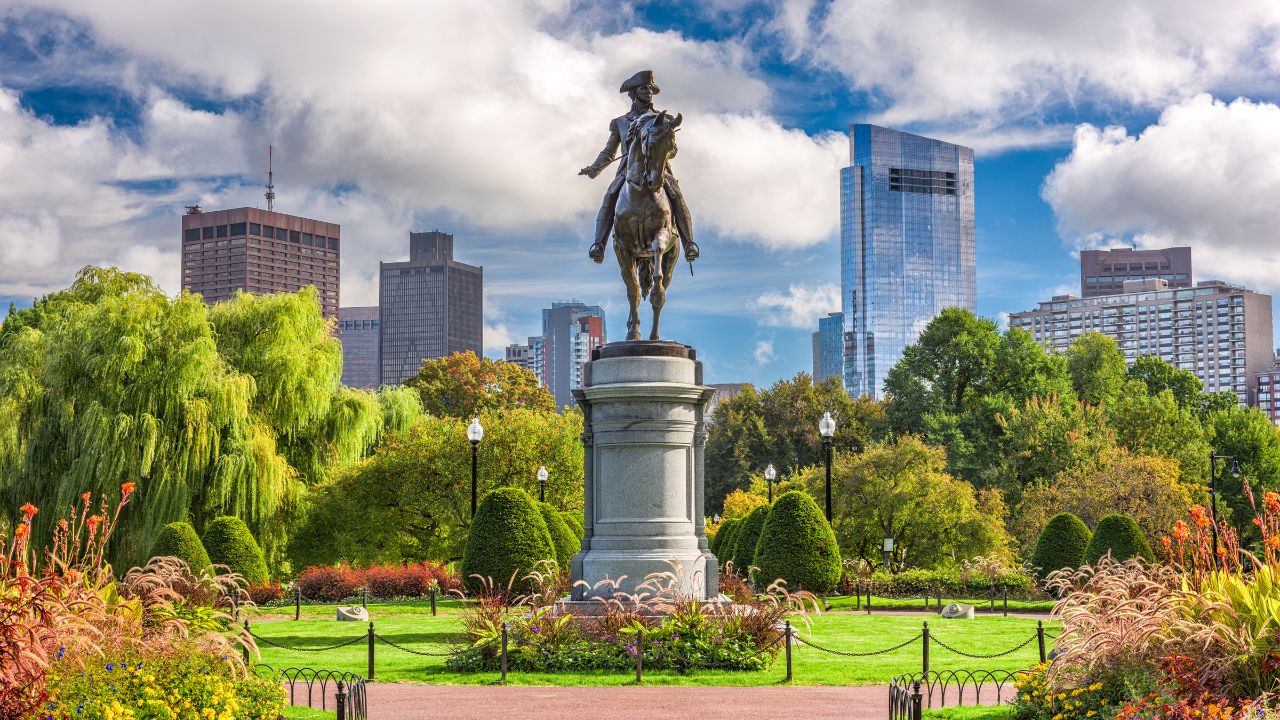
Boston’s historic street layout naturally favors walking over driving. Many neighborhoods developed long before cars existed. The city’s compact size keeps destinations close together. The MBTA subway and bus network connects major areas effectively.
Daily errands often require short trips. Parking is scarce and expensive. Traffic congestion discourages driving. Universities and dense residential zones support pedestrian life. Boston’s design encourages residents to rely on transit and walking rather than private vehicles for most daily activities and long term living needs.
Car free residents in Boston often find driving unnecessary quickly. Neighborhoods function independently with shops, services, and public spaces. Commuting by transit is predictable. Walking becomes part of daily routine. Seasonal weather changes rarely disrupt mobility entirely.
Cycling infrastructure continues to improve. Ride sharing remains available when needed. Social life clusters locally. Boston demonstrates how older American cities naturally support car free lifestyles through density, transit, and human scaled design rather than car centered planning.
Washington, D.C.

Washington, D.C. offers one of the most reliable public transportation systems in the United States. The Metro system connects neighborhoods, suburbs, and employment centers efficiently. Bus routes provide extensive coverage. The city’s layout supports walking and biking.
Bike lanes and trails are widespread. Many residents choose housing based on transit access. Parking is limited and expensive. Daily life rarely requires a car. Washington’s planning, density, and transit investment make car free living realistic for professionals and families alike.
Living without a car in Washington, D.C. feels practical rather than restrictive. Commuting by Metro is common and socially normal. Neighborhoods offer nearby groceries, schools, and services. Walking becomes the default mode for short trips.
Cycling continues to grow in popularity. Ride sharing fills occasional gaps. Even government workers often avoid car ownership. Washington shows how intentional planning and transit funding can reduce car dependence in a modern American capital city.
Chicago, Illinois

Chicago combines strong public transportation with walkable neighborhoods across a large urban area. The elevated train system reaches far into the city. Buses provide frequent and reliable service. Many neighborhoods offer dense clusters of services. Driving is often slower due to traffic and parking challenges. Winter weather does not eliminate transit reliability. Chicago’s scale allows residents to choose car free living without sacrificing access to work, culture, or social life throughout the year.
Car free residents in Chicago rely confidently on transit and walking. Neighborhoods function independently with local amenities. Commuting by train is predictable and efficient. Cycling infrastructure continues to expand. Ride sharing supplements late night travel. Seasonal changes encourage adaptation rather than car ownership. Many residents find cars unnecessary even outside downtown. Chicago demonstrates how large American cities can support car free lifestyles through extensive transit networks and strong neighborhood density.
Philadelphia, Pennsylvania

Philadelphia is one of the most walkable large cities in the United States. The city’s grid layout makes navigation simple and intuitive. Many neighborhoods offer grocery stores, schools, and workplaces nearby. Public transportation includes subways, buses, and regional rail. Parking is limited and often inconvenient. Traffic congestion discourages driving. Historical density supports short daily trips. Philadelphia allows residents to structure their lives locally. For many people, owning a car becomes unnecessary once routines adapt to walking and transit centered living patterns.
Car free living in Philadelphia feels practical rather than idealistic. Daily errands are easily completed on foot. Transit connections reach most areas efficiently. Cycling is increasingly common. Ride sharing services are widely available when needed. Social life centers around neighborhoods. Commuting without a car saves money and time. Seasonal weather rarely stops mobility. Philadelphia shows how older American cities naturally support car free lifestyles through density, transit, and human scaled design principles.
Seattle, Washington
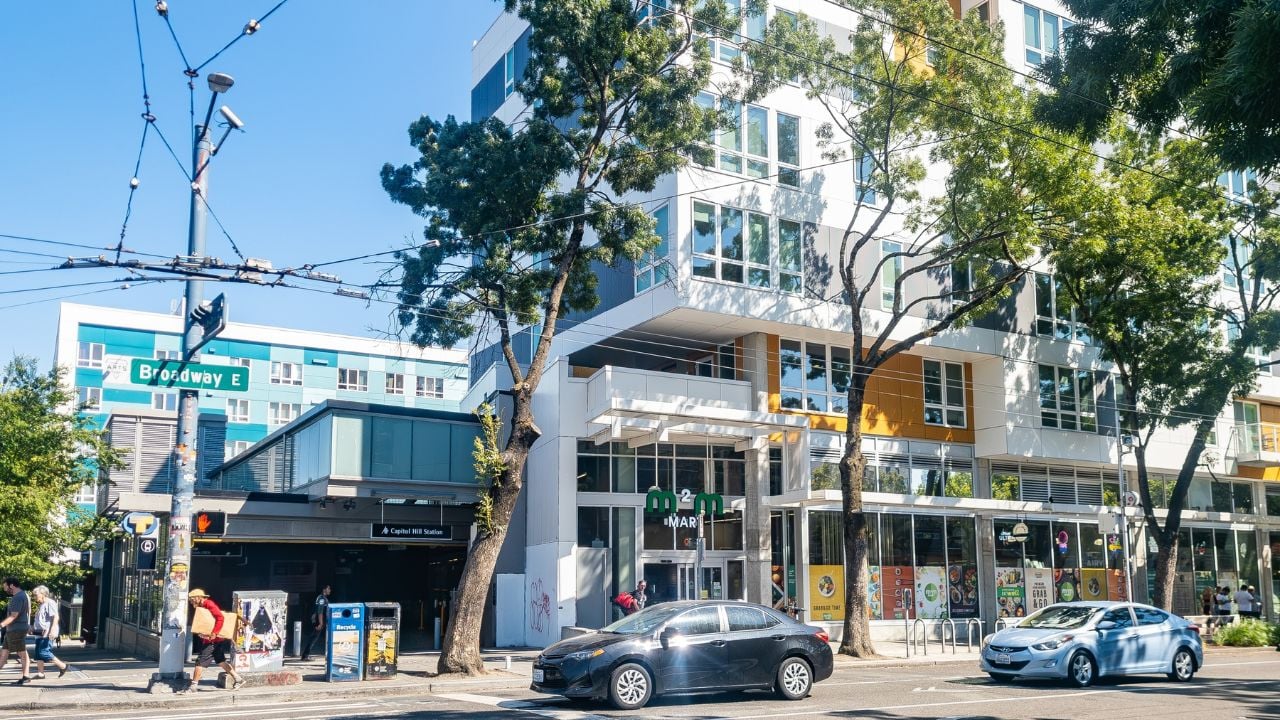
Seattle has rapidly improved its public transportation infrastructure over the past decade. Light rail expansion connects major neighborhoods and employment centers. Bus networks provide frequent service. Many districts are compact and walkable. Car ownership is expensive and inconvenient. Traffic congestion discourages driving. Cycling infrastructure continues to grow. Seattle’s geography presents challenges, but transit offsets distance and elevation. Residents increasingly choose housing near transit lines, making car free living a realistic long term option.
Living without a car in Seattle requires planning but remains manageable. Daily routines adapt around transit schedules. Walking covers short distances efficiently. Ride sharing fills occasional gaps. Ferries expand transportation options across water. Social and professional life clusters near transit corridors. Weather rarely prevents movement entirely. Many residents find cars unnecessary for daily needs. Seattle demonstrates how modern investment and density can shift urban culture away from car dependency over time.
Portland, Oregon

Portland has long prioritized alternatives to car centered living. The city offers light rail, streetcars, and extensive bus routes. Bike lanes are widespread and well integrated. Neighborhoods are dense and mixed use. Daily errands rarely require driving. Cultural acceptance of biking and transit is strong. Parking policies discourage car ownership. Portland’s planning philosophy emphasizes accessibility and sustainability. Residents can comfortably structure their lives around walking, cycling, and public transportation without major inconvenience.
Car free residents in Portland benefit from predictable transit and compact neighborhoods. Cycling is a primary mode of transport for many people. Walking connects local destinations easily. Ride sharing supplements late night travel. Seasonal rain does not deter mobility. Social life centers around nearby areas. Many households choose not to own cars at all. Portland proves that intentional planning and cultural support can make car free living normal rather than exceptional.
Minneapolis, Minnesota

Minneapolis offers strong infrastructure for car free living despite harsh winters. The city invests heavily in bike lanes and trails. Public transportation includes buses and light rail. Neighborhoods are compact and well connected. Daily necessities remain close to residential areas. Snow removal prioritizes sidewalks and transit routes. Parking can be expensive and inconvenient. Minneapolis demonstrates that climate alone does not prevent walkable, transit oriented urban life from functioning effectively year round.
Residents without cars in Minneapolis rely confidently on bikes, transit, and walking. Winter conditions encourage preparation rather than car ownership. Transit remains reliable during cold months. Neighborhoods function independently. Ride sharing fills occasional gaps. Social life adapts seasonally. Many residents choose to live car free permanently. Minneapolis shows how policy, infrastructure, and community values can overcome environmental challenges to support sustainable urban mobility.
Denver, Colorado

Denver has expanded its public transportation network significantly in recent years. Light rail lines connect downtown with surrounding neighborhoods and suburbs. The city’s core is walkable and compact. Cycling infrastructure continues to improve. Parking costs discourage daily driving. Traffic congestion reduces convenience of car ownership. Many residents choose housing near transit corridors. Denver’s growing density supports a lifestyle where cars become optional rather than essential for everyday needs.
Car free living in Denver works best near central neighborhoods. Daily errands are easily completed on foot or by transit. Ride sharing supplements transit coverage. Cycling is popular during warmer months. Seasonal weather rarely stops mobility entirely. Social and professional activities cluster near downtown. Many residents successfully live without cars year round. Denver illustrates how growing cities can shift away from car dependence through strategic transit expansion and urban density.
Oakland, California
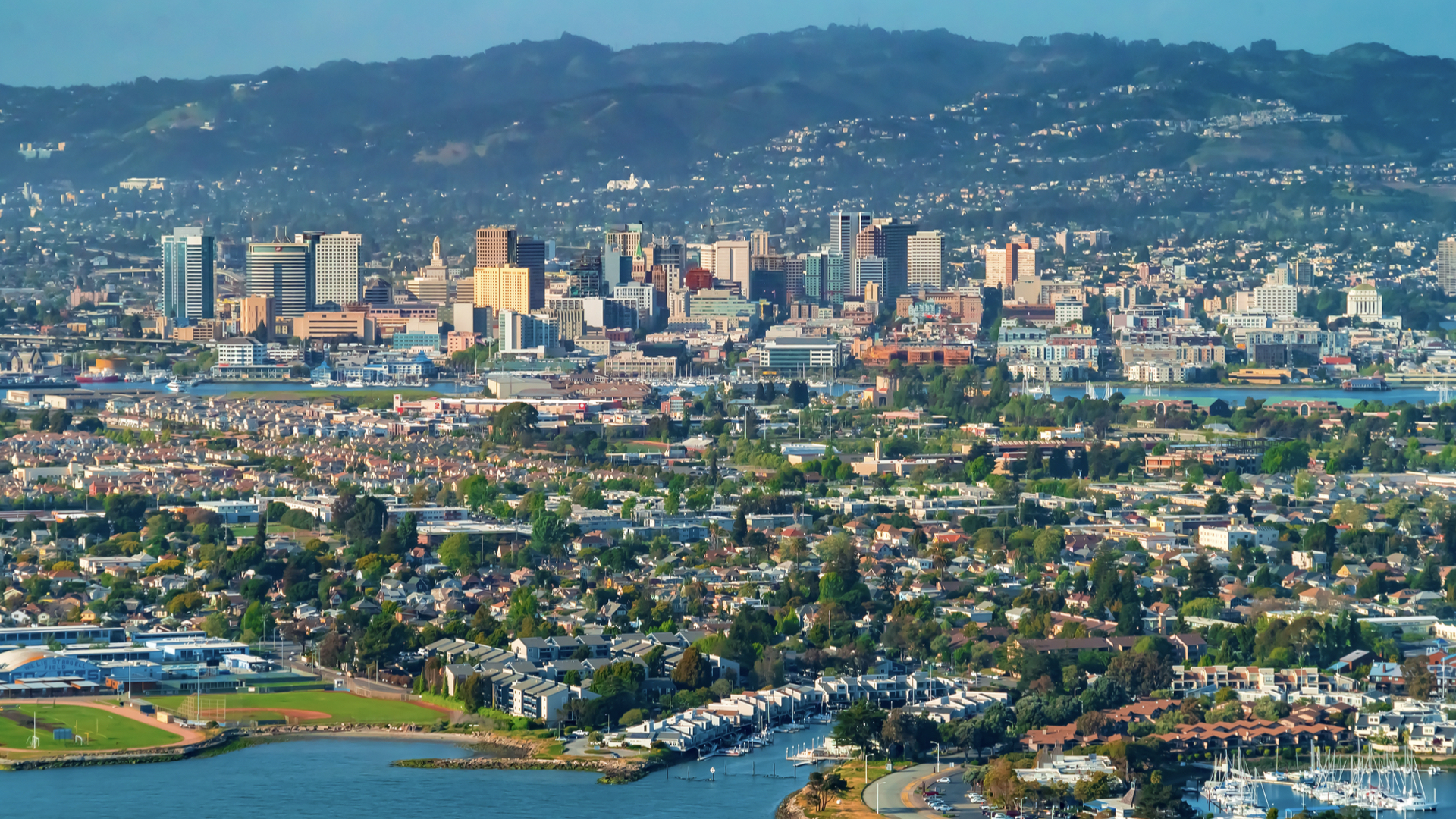
Oakland benefits greatly from its connection to the larger Bay Area transit network. BART trains link neighborhoods to San Francisco and surrounding cities. Bus routes provide local coverage. Many areas are dense and walkable. Daily necessities are close to residential zones. Parking is limited and expensive. Driving often feels unnecessary. Oakland’s urban fabric supports short trips and transit use. Residents can structure daily life around walking and trains rather than relying on private vehicles consistently.
Car free residents in Oakland adapt easily to transit based routines. Commuting by BART is efficient and predictable. Cycling infrastructure continues to expand. Ride sharing services are widely available. Neighborhoods offer local services and social spaces. Traffic congestion discourages driving. Many residents intentionally choose not to own cars. Oakland shows how regional transit connectivity and density can reduce car dependence while maintaining flexibility and access across metropolitan areas.
Berkeley, California
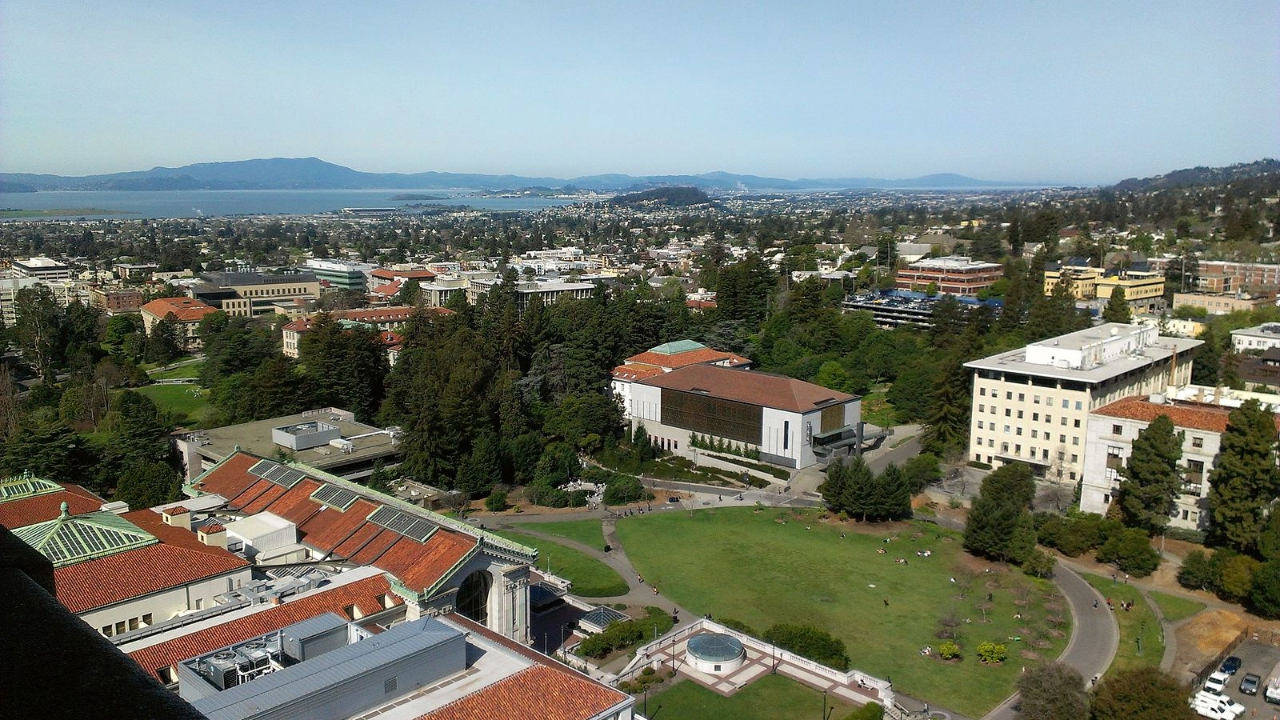
Berkeley’s compact size makes car free living highly practical. The city offers strong transit connections through BART and bus systems. Neighborhoods are dense and walkable. Daily errands require minimal travel distance. Cycling is common and supported. Parking is scarce and costly. The university influences pedestrian focused design. Berkeley’s layout allows residents to rely on walking and transit for nearly all daily needs without significant inconvenience or loss of accessibility.
Living without a car in Berkeley feels natural rather than restrictive. Social life centers around nearby areas. Commuting by transit is efficient. Ride sharing supplements occasional needs. Cycling remains popular year round. The city’s culture supports sustainable transportation choices. Many households intentionally avoid car ownership. Berkeley demonstrates how scale, density, and transit integration can create a fully functional car free urban environment in the United States.
Madison, Wisconsin

Madison offers one of the strongest bike cultures in the Midwest. The city invests heavily in bike paths and lanes. Public buses provide reliable coverage. Neighborhoods are compact and accessible. Daily necessities are nearby. Parking is limited in central areas. Walking and cycling dominate short trips. Madison’s layout supports car free living even outside downtown. Residents often structure routines around proximity rather than distance or driving convenience.
Car free residents in Madison adapt well to seasonal changes. Winter conditions encourage preparation rather than car ownership. Transit remains reliable year round. Cycling continues even during colder months. Social life clusters locally. Ride sharing is available when needed. Many residents choose not to own cars permanently. Madison proves that mid sized cities can support car free lifestyles through thoughtful infrastructure and strong community support.
Hoboken, New Jersey
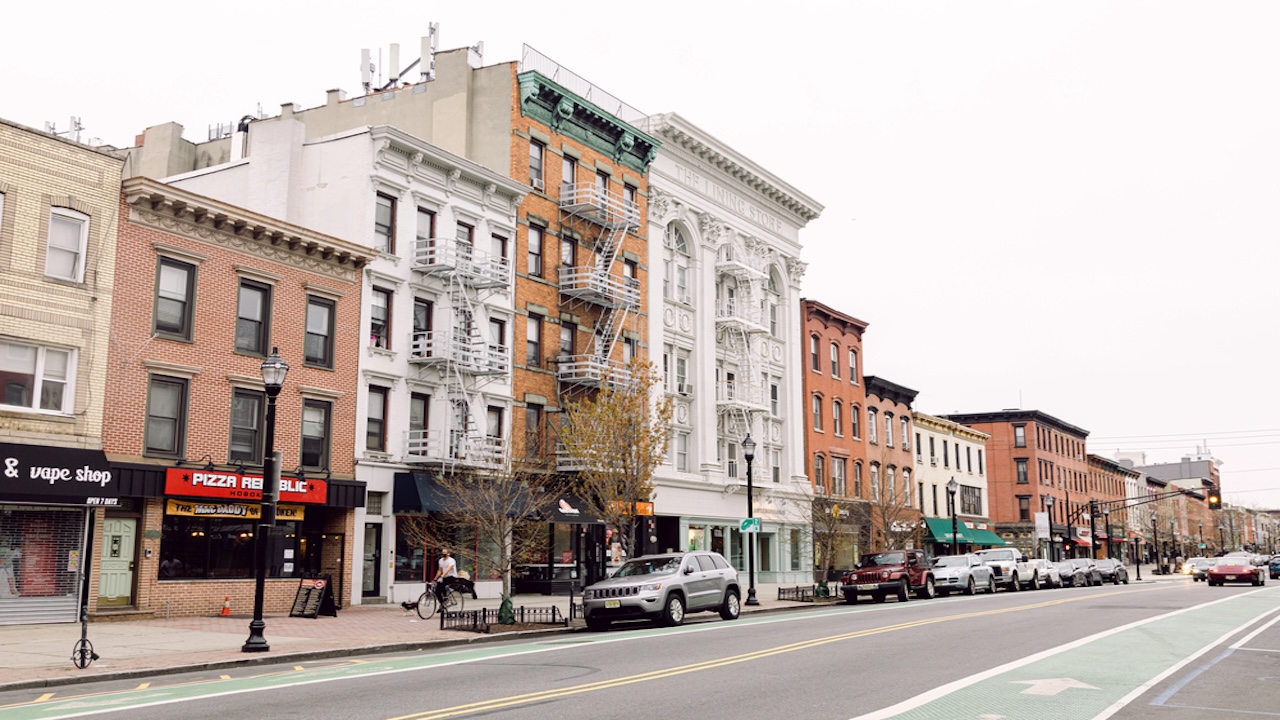
Hoboken is one of the most walkable cities in the United States. Its compact size allows residents to reach most destinations on foot. Public transportation connects directly to New York City. Buses, trains, and ferries provide frequent service. Daily errands require minimal travel. Parking is extremely limited. Car ownership is often impractical. Hoboken’s density and transit access make car free living not only possible but preferable for most residents.
Living without a car in Hoboken becomes effortless over time. Walking is the default mode of transport. Transit connects regional destinations easily. Cycling supplements short trips. Ride sharing is rarely necessary. Social and professional life remains local. Many residents never consider owning a car. Hoboken demonstrates how proximity, density, and transit integration eliminate the need for personal vehicles entirely.
Cambridge, Massachusetts

Cambridge combines dense neighborhoods with excellent transit access. The city connects directly to Boston through subway and bus systems. Walking is practical and efficient. Cycling infrastructure continues to expand. Daily necessities remain close to residential areas. Parking is limited and costly. Driving often feels unnecessary. Cambridge’s design supports local living. Residents can maintain active social and professional lives without relying on private vehicles for daily transportation.
Car free residents in Cambridge enjoy predictable routines. Commuting by transit is reliable. Walking covers most short trips. Cycling is common year round. Ride sharing fills rare gaps. Neighborhoods function independently. Many households choose never to own cars. Cambridge illustrates how academic centers and dense planning naturally support sustainable, car free urban lifestyles in the American context.