Sometimes the best cars don’t sell, and it’s not because they’re bad. The automotive world is littered with brilliant machines that arrived with price tags their target audiences just couldn’t swallow.
These cars were often engineering masterpieces, ahead of their time, or maybe a bit too ambitious. The tragedy isn’t that these cars existed, but that pricing strategy kept them from reaching the enthusiasts who would have cherished them.
Here are eleven remarkable vehicles that deserved better sales numbers, held back primarily by sticker shock rather than any fundamental flaw in their design or execution.
Lexus LFA (2010-2012)
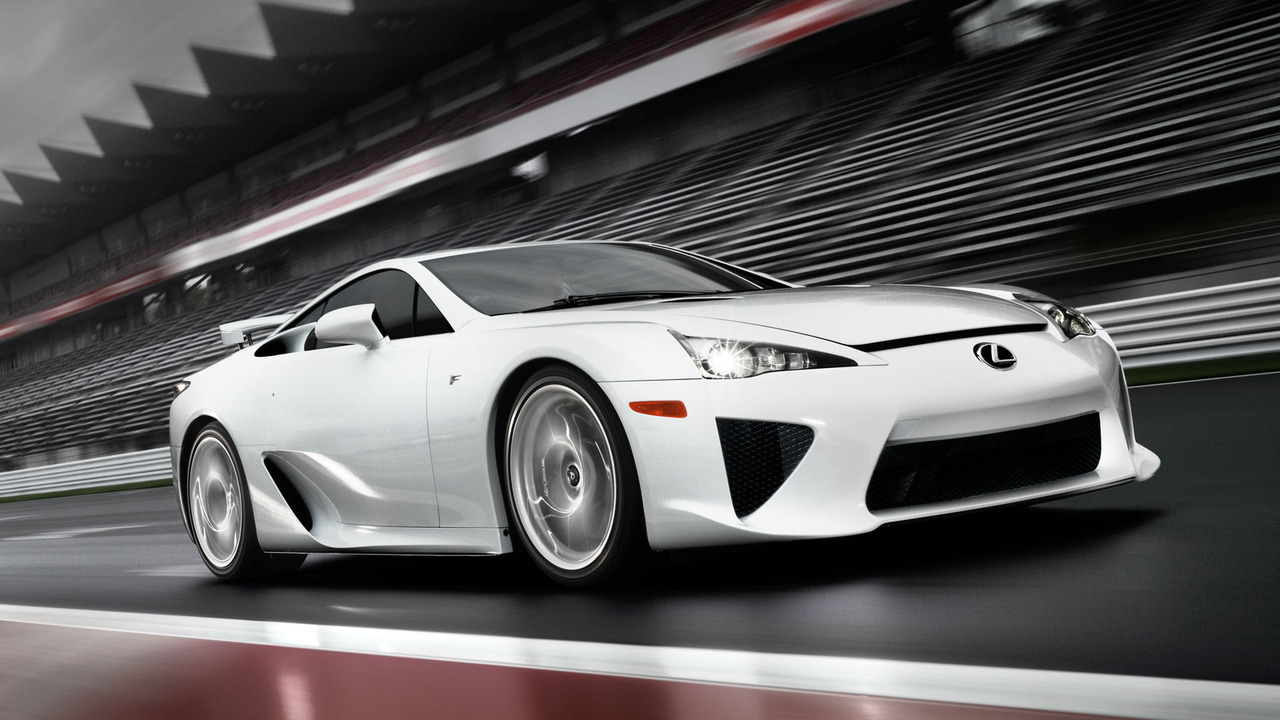
The LFA represents Toyota’s moonshot moment, a $375,000 supercar that took nearly a decade to develop and featured a screaming 4.8L V10 that redlined at 9,000 rpm.
Only 500 were built, and while collectors now pay premiums for them, the original sales were painfully slow because few could justify the price for a Lexus badge competing against Ferrari and Lamborghini. The hand-assembled carbon fiber construction and that glorious soundtrack made it a genuine exotic, but American buyers in 2011 weren’t ready to spend Ferrari money on a Toyota product, no matter how special.
The craftsmanship rivaled anything from Maranello, with each car taking months to build by hand-selected technicians. Today, the LFA is recognized as one of the greatest supercars ever made, with values climbing past the original MSRP.
The failure wasn’t the car; it was convincing the market that Lexus belonged in that rarified territory.
Ford F-150 Lightning (2022-2025)
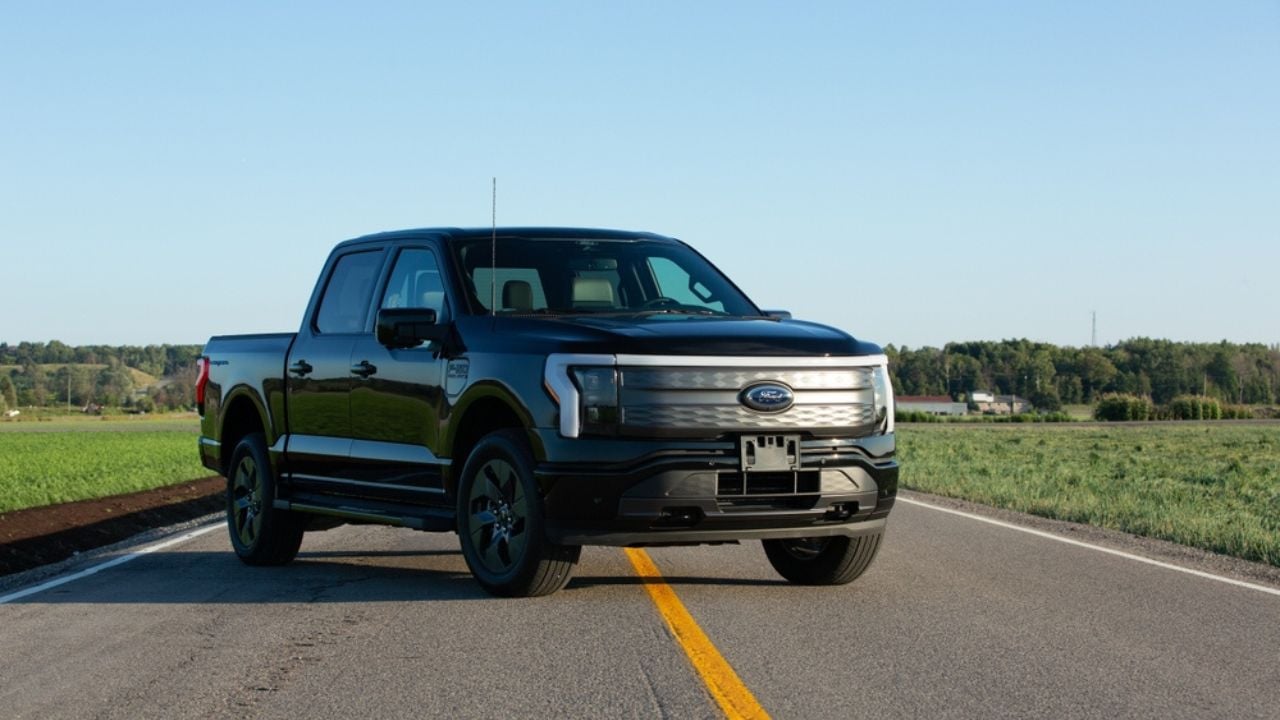
Ford’s electric truck arrived with massive hype and a starting price around $40,000, but by the time most buyers could actually configure one they wanted, the numbers climbed past $80,000 or even $90,000 for loaded Platinum models.
The Lightning proved electric trucks could work, with impressive acceleration, serious towing capability, and the ability to power your house during an outage. Yet despite strong initial interest, sales stumbled as price increases and limited availability frustrated potential buyers who realized they could get a gas F-150 for $30,000 less.
The tech and capability were there, but the premium over traditional trucks was too steep for most commercial buyers and families who just needed a workhorse. Ford ultimately slowed production, cut prices after earlier increases, acknowledging the market wasn’t ready to pay luxury car money for a work truck, even an electric one.
Honda NSX/Acura NSX (2016-2022)
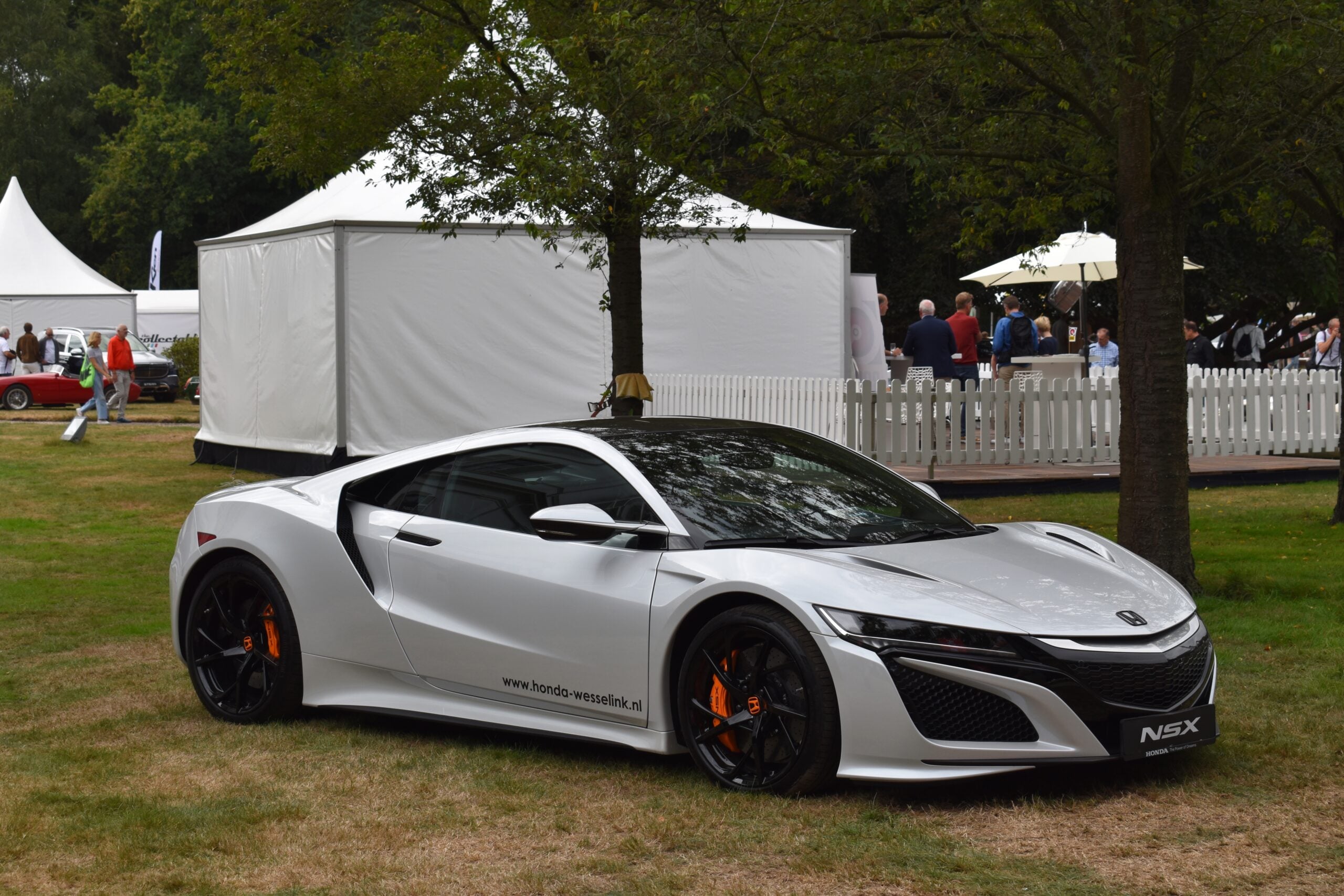
The second-generation NSX was a technological tour de force with three electric motors, a twin-turbo V6, and all-wheel drive creating a sophisticated hybrid supercar experience.
Starting around $157,000, it undercut rivals on paper but felt expensive for a Honda product in showrooms dominated by more prestigious badges. Enthusiasts loved the handling precision and daily usability, yet sales never materialized because buyers at that price point gravitated toward the heritage and cachet of Italian exotics.
The original NSX succeeded partly because it cost half what a Ferrari did, but the new one competed directly on price while lacking the emotional pull of its rivals. Honda built fewer than 3,000 over six years, making it rare but not particularly successful.
The car itself was brilliant, the market positioning wasn’t.
Cadillac CT6-V (2019-2020)
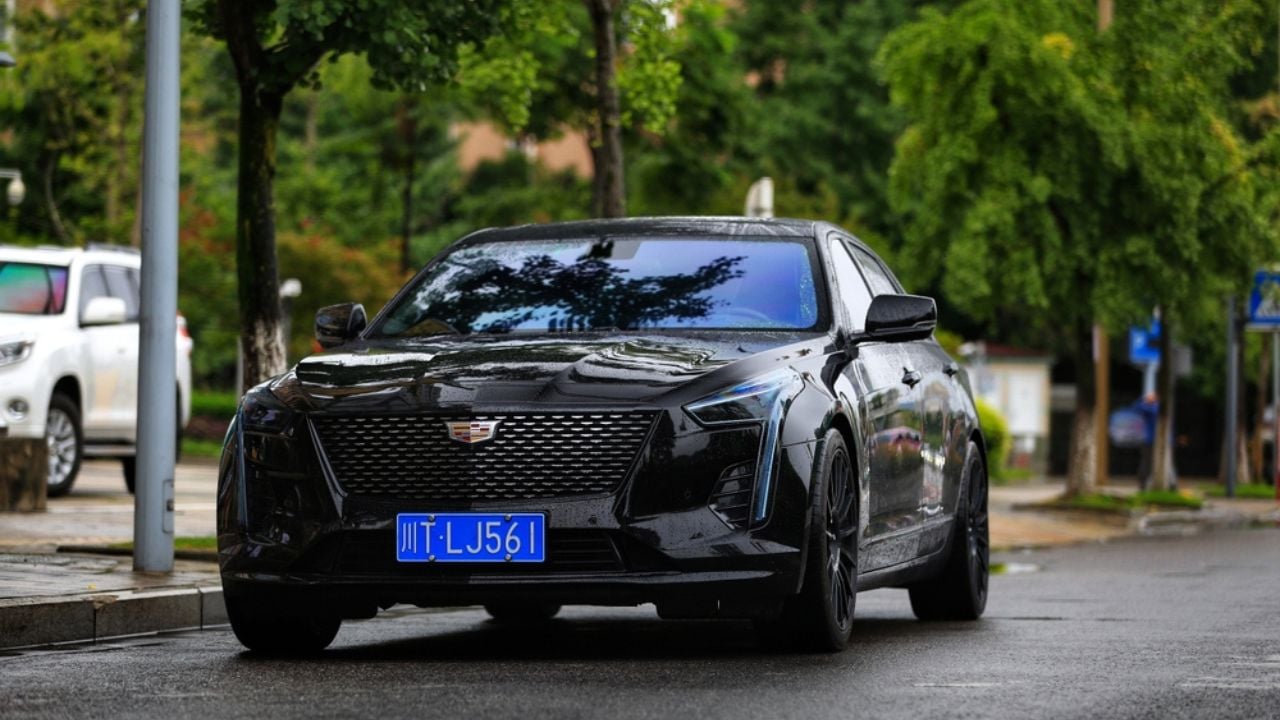
Cadillac’s full-size luxury sedan packed a Blackwing twin-turbo V8 making 550 horsepower, offering German-fighting performance at a starting price around $88,000.
The problem was that buyers shopping for $90,000 sedans overwhelmingly chose the BMW 7 Series or Mercedes S-Class, both with stronger brand prestige and better resale values. The CT6-V could embarrass those rivals on a back road, with sharper handling than any big sedan had a right to possess. Yet Cadillac’s domestic brand perception worked against it, as older buyers remembered the brand’s troubled decades while younger ones didn’t consider it aspirational.
Only about 1,000 CT6-V models were built before Cadillac pulled the plug. American luxury at that price point remains a tough sell against entrenched European competition.
Chevrolet SS (2014-2017)
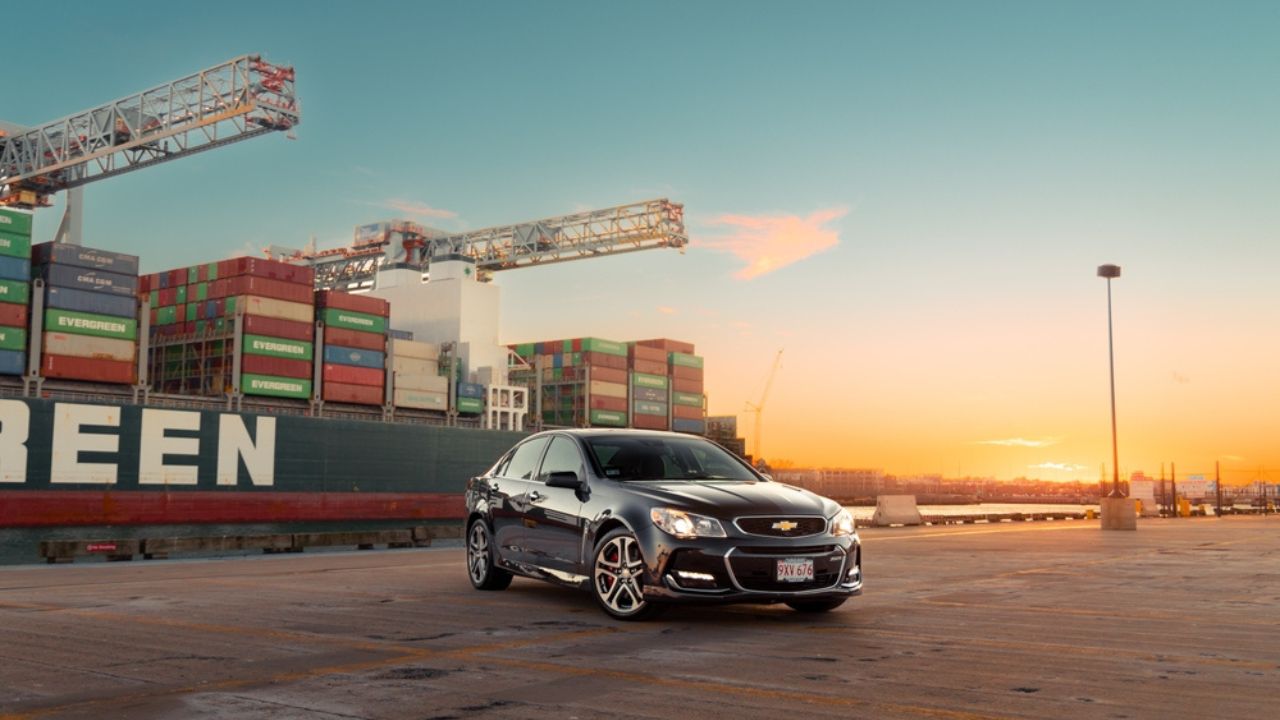
The SS was essentially a Holden Commodore with a Chevy badge, powered by a 415-horsepower LS3 V8 and rear-wheel drive, creating one of the best sports sedans America never really bought.
Priced around $44,470 at launch (plus destination), it seemed reasonable until buyers realized they were paying that much for what looked like a Malibu with minimal exterior distinction. Chevy did almost nothing to market it, treating the SS like a compliance car while enthusiasts who knew about it faced skepticism from spouses and neighbors about spending near-luxury money on an anonymous Chevrolet. The car delivered everything gearheads wanted, manual transmission available, naturally aspirated V8, practical four doors, but the stealth styling that enthusiasts appreciated made it invisible to mainstream buyers.
Total US sales barely cracked 13,000 units across four years. This was a car that needed to cost $38,000, not $46,000, to overcome the badge perception issue.
Volkswagen Phaeton (2004-2006)

Volkswagen’s attempt at a luxury sedan matched the Mercedes S-Class on features and refinement but started around $65,000, asking buyers to overlook the VW badge and trust that German engineering justified the premium.
The Phaeton was legitimately impressive, sharing its platform with Bentley and offering build quality that stunned anyone who actually sat in one. Americans, however, weren’t interested in paying luxury prices at a Volkswagen dealer, especially when the Passat looked similar from 20 feet away and cost half as much.
VW sold about 2,500 Phaetons in the U.S. before admitting defeat and withdrawing from the market after just three model years. The brand equity simply wasn’t there to support the price, no matter how good the car was underneath.
Europeans understood what VW was attempting, but American buyers saw the badge and balked.
BMW i8 (2014-2020)

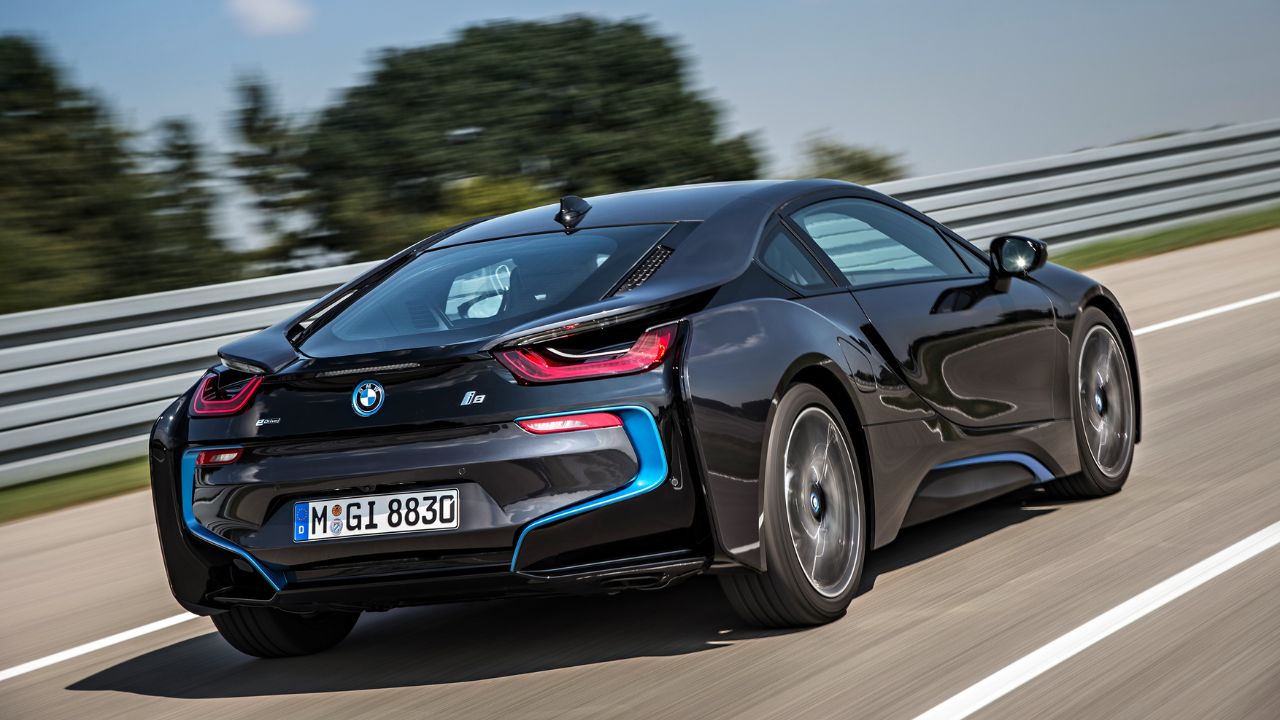
The i8 looked like it cost $200,000 with its exotic scissor style doors and spaceship styling, but started around $135,000 and delivered a sophisticated plug-in hybrid powertrain that felt more efficient than exciting.
BMW’s vision of a sustainable sports car struggled because enthusiasts at that price point wanted more than 369 combined horsepower, and eco-conscious buyers thought six figures was absurd for something that got 69 MPGe. The car turned heads everywhere and offered a glimpse of BMW’s electrified future, yet sales remained modest because it existed in an awkward middle ground between true supercar and eco-friendly commuter.
Maintenance costs and complex hybrid systems added to ownership concerns, making the i8 a tough sell on the used market too. BMW built around 20,000 globally over six years, respectable but nowhere near the volume the styling and innovation deserved.
The price needed to be $100,000 or the performance needed to be significantly more thrilling.
Mazda RX-8 (2004-2011)

The RX-8’s rotary engine and unique rear-hinged back doors made it special, with prices starting around $26,000 when new, which seemed reasonable until owners discovered the reality of rotary maintenance and fuel economy.
The engine required religious maintenance, drank oil by design, got terrible gas mileage, and often needed rebuilds before 100,000 miles, effectively making the true cost of ownership far higher than the sticker price suggested. Enthusiasts who understood and accepted rotary quirks loved the car’s balance and high-revving character, but mainstream buyers felt burned when their “affordable sports car” turned into a money pit.
Insurance costs ran high for younger buyers, the primary target demographic, further limiting the audience. Mazda sold reasonably well initially but demand cratered as word spread about reliability and running costs.
The RX-8 wasn’t too expensive to buy — it was too expensive to own, which is arguably worse.
Alfa Romeo Giulia Quadrifoglio (2017-Present)

Alfa’s sports sedan packs a Ferrari-derived twin-turbo V6 making 505 horsepower, sublime handling, and Italian style, all for around $73,595 initially, which seemed like a bargain against the BMW M3’s similar pricing. The catch is that Alfa Romeo’s reliability reputation and limited dealer network make buyers nervous about long-term ownership, effectively adding a psychological premium to the price.
The car itself is spectacular, winning comparison tests against established German rivals with its engaging dynamics and emotional character. Yet sales have been disappointing in the US, where buyers prioritize resale value and worry about finding qualified service centers. Alfa offered aggressive lease deals to move inventory, suggesting the actual market value sits below the sticker price.
The Quadrifoglio deserved to succeed on merit, but brand perception and practical concerns about ownership made the price feel riskier than competitors.
Dodge Viper (Final Generation, 2013-2017)

The last Viper improved everything enthusiasts complained about in earlier versions, better interior, more refinement, improved handling, but started around $99,000 and climbed past $120,000 for special editions.
Suddenly, a car that succeeded by being an raw, affordable alternative to European exotics was competing directly with Porsche 911s and Corvette Z06s that offered more sophistication. The naturally aspirated 8.4L V10 making 645 horsepower was glorious, and the driving experience remained visceral and unapologetic.
However, potential buyers balked at paying nearly six figures for a Dodge, especially one that still felt raw and offered fewer luxury features than similarly priced rivals. Enthusiasts mourned its death in 2017, but sales numbers told the story, fewer than 7,000 sold over five years.
The Viper needed to stay under $80,000 to maintain its value proposition as the American muscle alternative to refined European machinery.
Audi R8 V10 Plus/Performance (2013-2023)
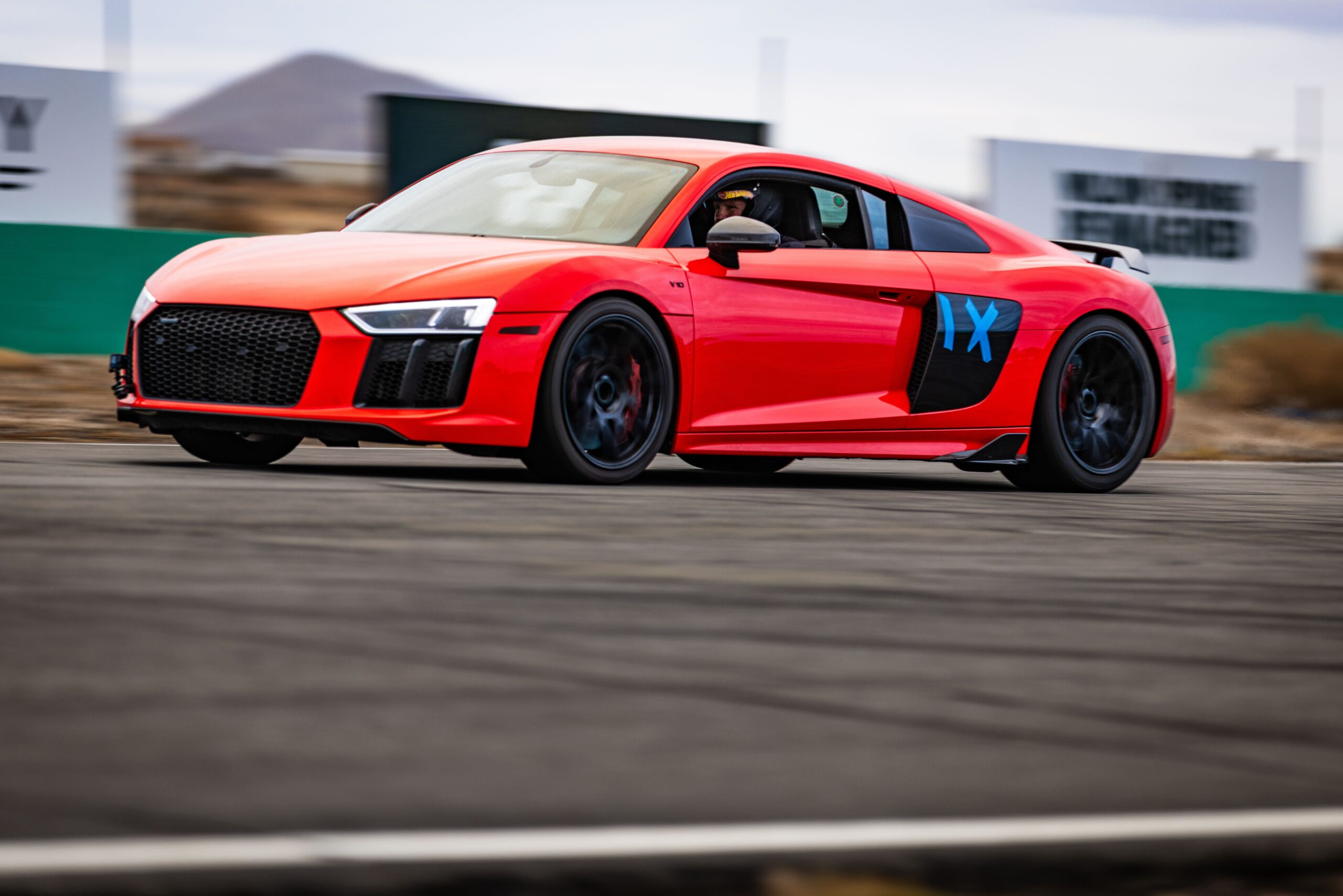
Sharing its engine and platform with the Lamborghini Huracán, the R8 offered supercar performance starting around $158,600 in its final U.S. model year, but climbing past $200,000 for final-year models with every option checked.
The car was capable, beautiful, and more livable than most exotics, yet it struggled in the shadow of flashier Italian competition and against Porsche’s 911 Turbo, which cost less and often performed better. Audi’s more conservative brand image worked against the R8 in a segment where emotion and theater matter as much as lap times.
Sales were never strong in the US, with most buyers preferring either the prestige of Italian brands or the value proposition of the Corvette Z06/Z07. The second-generation R8 felt like an old story retold without enough new material, priced increasingly ambitiously as production wound down.
When Audi announced the R8’s discontinuation in 2023, few were surprised, at that price point, buyers wanted more drama than an Audi badge could provide.
The Pattern We Can’t Ignore

Looking across these eleven cars, a clear theme emerges that has nothing to do with the quality of engineering or design. Each vehicle pushed boundaries and offered something special, yet pricing positioned them against competitors with stronger brand equity, better value propositions, or more emotional appeal.
The market has repeatedly shown that badge perception matters enormously at premium price points, and that buyers will forgive flaws in cheaper cars but demand perfection from expensive ones. Perhaps the lesson isn’t that these cars were too expensive, but that their makers misjudged what the market would pay for their particular combination of brand, capability, and character. The automotive landscape is richer for having had these ambitious machines, even if their sales numbers disappointed.
These cars paid the price for their audacity, but some have become classics in the making.