
In a devastating set of cases spanning more than a decade, at least 15 people in the United States have died in automobile crashes where Tesla doors became inoperable after impact, according to a comprehensive investigation by Bloomberg News.
These deaths occurred when vehicles’ electrified door systems failed to open after collisions, trapping occupants inside as fires and other hazards closed in. Bloomberg’s count represents the first systematic attempt to quantify how often this hidden safety risk has turned into tragedy.
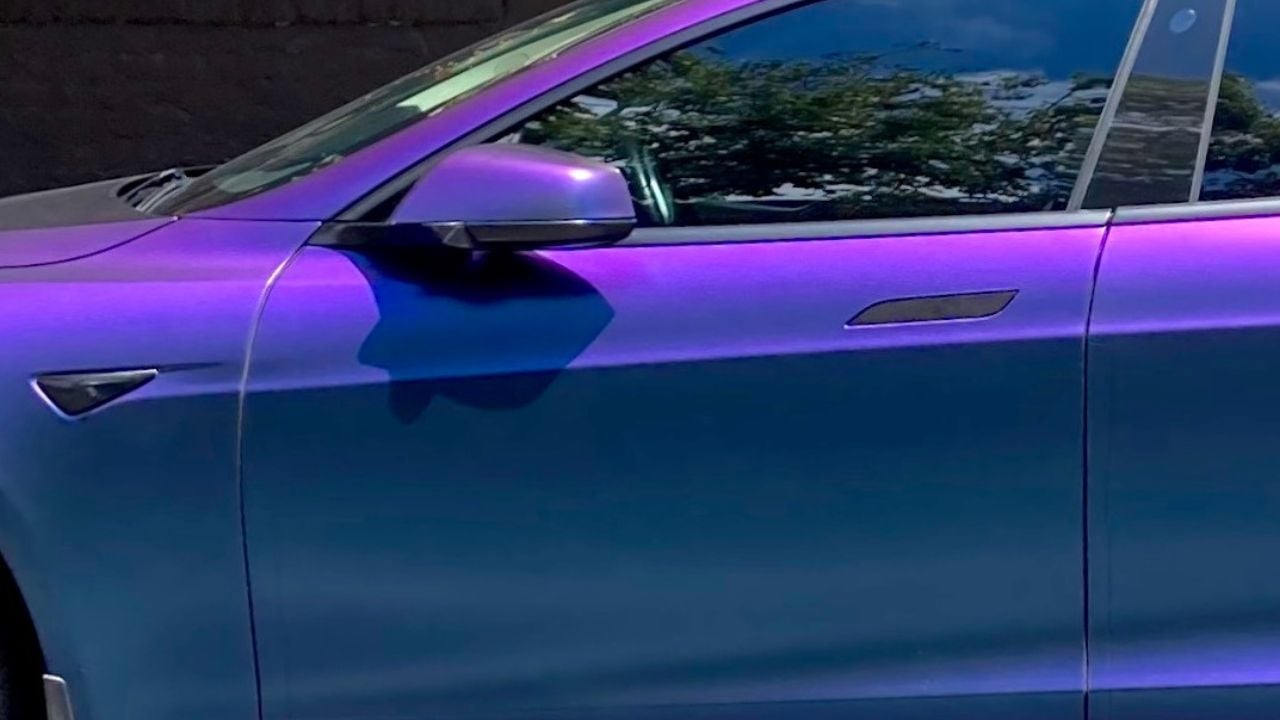
Tesla’s modern vehicles — famed for minimalism, futuristic design, and flush door handles — rely on electronic actuators and 12-volt low-voltage batteries to unlatch doors.
This architecture delivers sleek aesthetics and aerodynamic efficiency, but safety engineers and crash rescuers warn it can quickly become a liability: when the low-voltage battery is damaged or loses power in a collision, both interior and exterior door releases can become inoperable, leaving passengers unable to exit and first responders unable to open doors from the outside.

Investigators, family members, legal filings, complaints to federal agencies, and emergency responder accounts form the mosaic of cases that Bloomberg reviewed. In many of the fatal crashes, victims survived the initial impact, only to be trapped as fire engulfed the vehicle and doors would not open.
More than half of these deaths took place after November 2024, a troubling acceleration that rightly calls for intense scrutiny from regulators, safety advocates, and vehicle owners.
Electrical Design Meets Real-World Crash Conditions
The root of the problem lies in how Tesla designs door releases. Most traditional cars use mechanical cables linking exterior and interior handles directly to the latching mechanism. In contrast, most Teslas use electronic switches or “smart” handles that send a signal to a motor or solenoid to unlatch the door. When a crash severs or drains the vehicle’s low-voltage system, those electronic switches become useless.
Tesla vehicles do include manual emergency release levers as backups. For front seats, these levers usually sit near the window switches. For rear seats, their location varies by model and model year. In some cases, they are tucked under carpet tabs, behind speaker grilles, or hidden in silhouettes unfamiliar even to seasoned owners.
In a normal parking lot this might be a minor quirk. In a smoke-filled cabin, with time measured in seconds rather than minutes, finding and operating these tiny, unlabeled levers can be nearly impossible.
The National Highway Traffic Safety Administration (NHTSA) has taken action. In September 2025, the agency opened a preliminary evaluation into complaints that certain Tesla Model Y vehicles experienced inoperable door handles when low-voltage battery power dropped.
The investigation’s focus is on how difficult it can be to open doors inside and outside after a power loss, especially in emergencies. A separate, broader defect petition has led NHTSA to expand that probe to include more recent Model 3 vehicles and their manual emergency release systems.
Plaintiffs in federal court have connected these same design issues to fatal crashes. One such lawsuit filed in Washington state claims that a 2023 Tesla Model 3 crash left one spouse dead and another injured after the door handles would not respond, even when bystanders tried to force entry and help. Lawyers argue that Tesla’s design lacked intuitive emergency exits and that repeated complaints over the years were ignored.
Company Response and Safety Messaging
Tesla quietly updated its safety materials in late December 2025 with a new “Safer Aftermath” section on its website. It highlights automatic crash unlock features that enable hazard lights and emergency services notification after severe impact. The company also says advanced collision-avoidance systems and structural frames are designed for occupant protection in a crash.
However, it remains unclear whether these systems have been deployed widely through software updates or will be limited to upcoming models. Tesla did not immediately respond to external media queries commenting on the Bloomberg report.
Internal and public discussions have surfaced in which Tesla design leadership acknowledges the challenges of the current mechanisms. Work is reportedly underway to integrate electronic and mechanical release mechanisms into a single, more intuitive control, a change that could reduce emergency confusion. Industry analysts suggest this sort of redesign may be necessary for regulatory approval in both the United States and European markets, where safety standards are evolving.
Tesla’s situation has energized a broader debate in automotive safety circles about how the next generation of electric vehicles should balance innovative design with time-tested safety principles. Critics argue that a sleek handle or button cannot become a barrier that stands between a person and their chance to escape a deadly situation.
The Bloomberg analysis and subsequent regulatory actions underscore how design elegance alone is no longer acceptable when lives are at stake. Whether Tesla and other manufacturers can rapidly adapt their engineering practices will determine consumer confidence and real human outcomes on the roads of the future.