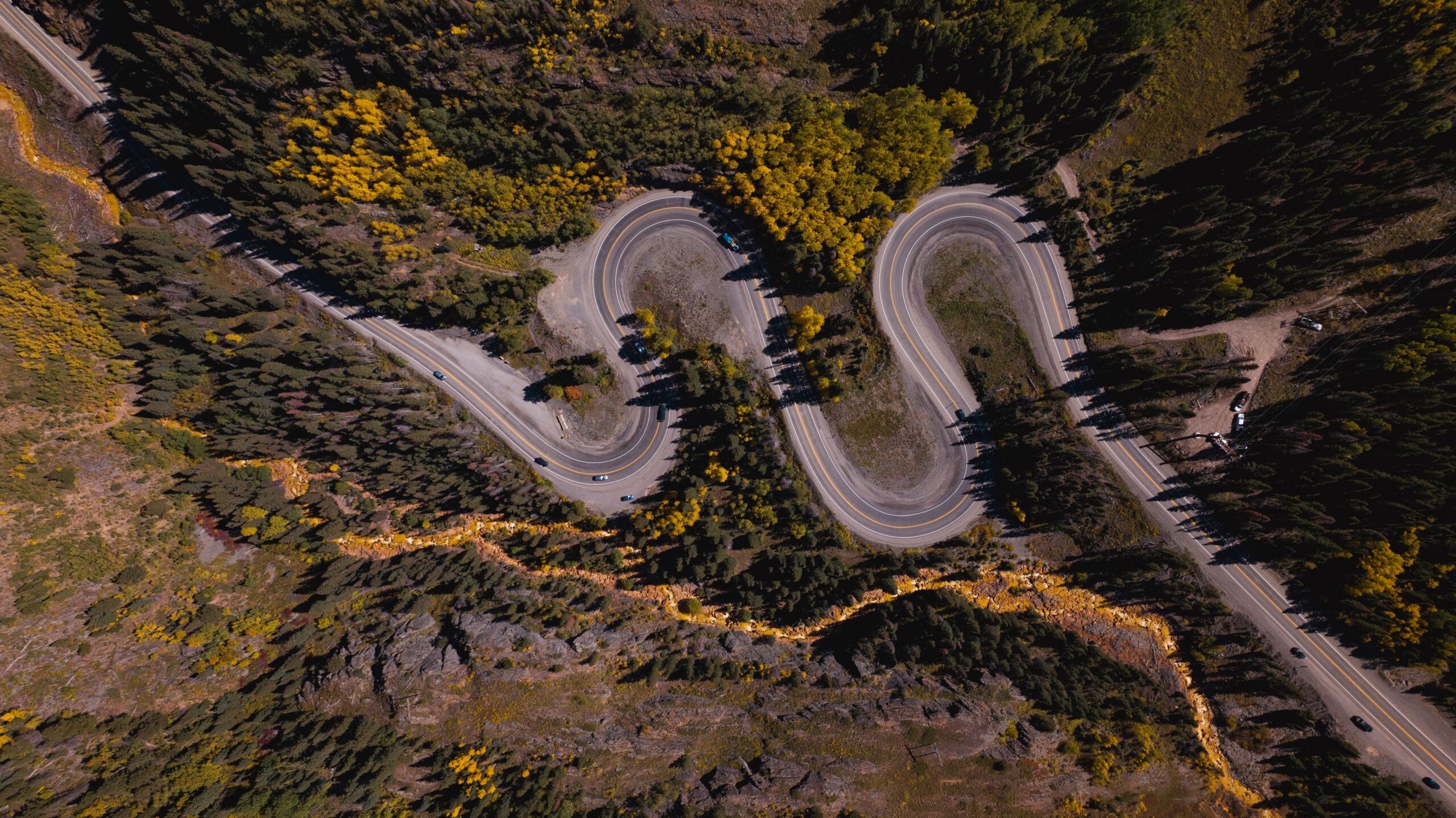
We all love a good road trip, but some American highways demand a little extra respect. Whether it’s unpredictable weather, challenging terrain, or just the sheer volume of traffic mixing with tricky conditions, certain stretches of asphalt have earned their reputations the hard way.
Understanding what makes these routes particularly demanding can help drivers prepare properly and stay alert when they’re behind the wheel. Think of this as your friendly heads-up about roads where defensive driving isn’t just recommended — it’s essential.
It’s time to cruise through some highways where paying attention really pays off.
Interstate 95, Miami to Fort Lauderdale, Florida
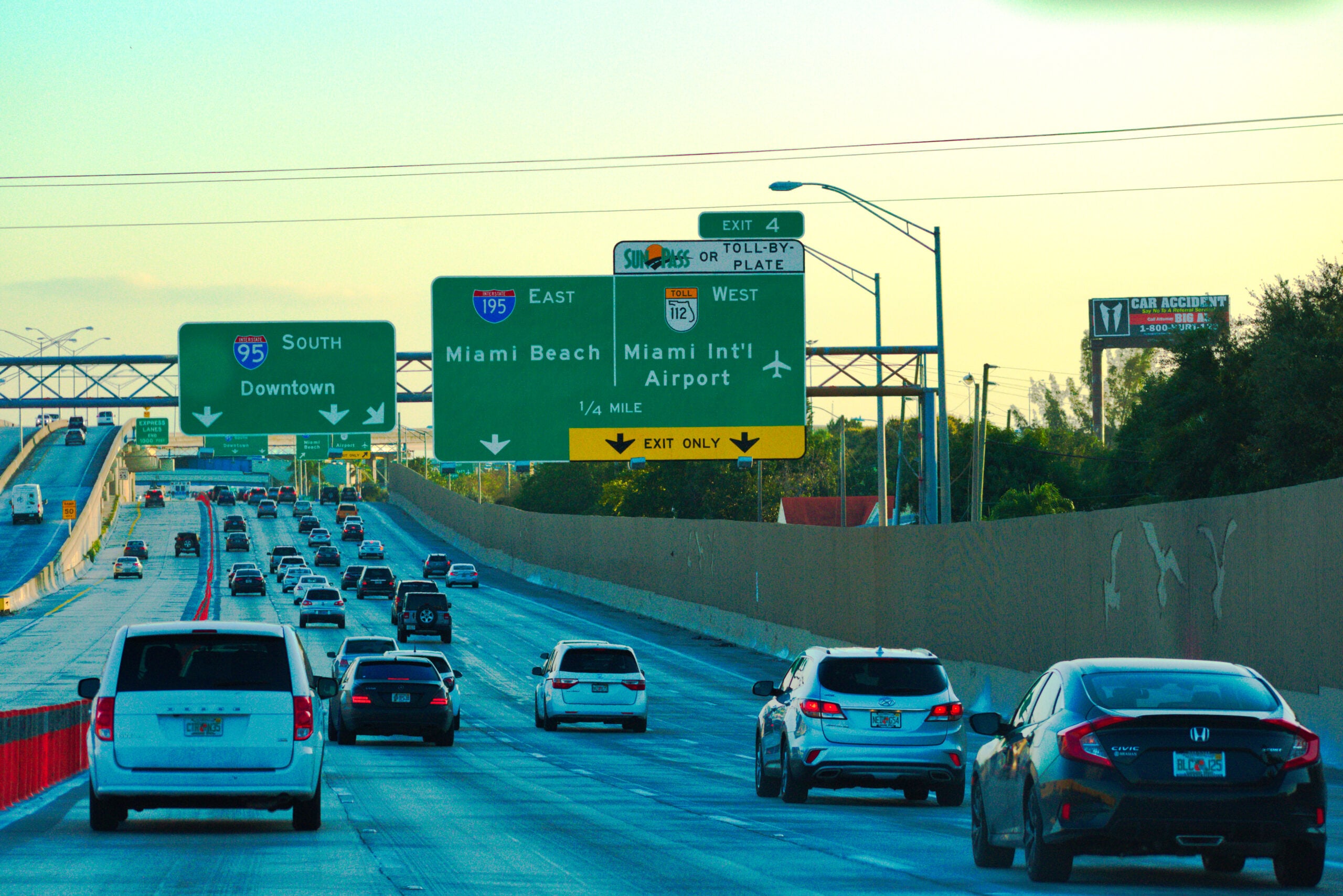
This sun-soaked stretch of I-95 combines aggressive traffic patterns with constant lane changes as tourists and locals alike navigate between South Florida’s major cities.
The mix of unfamiliar drivers, frequent construction zones, and vehicles weaving between lanes creates a challenging environment even for experienced motorists. Add in sudden afternoon thunderstorms that turn the roadway into a skating rink, and you’ve got conditions that keep everyone on their toes. The high volume of traffic means there’s little room for error, especially during rush hour when speeds can vary wildly from one lane to the next.
If you’re heading down for some beach time, just remember: the ocean isn’t the only thing that’s intense around here.
Interstate 10, Louisiana
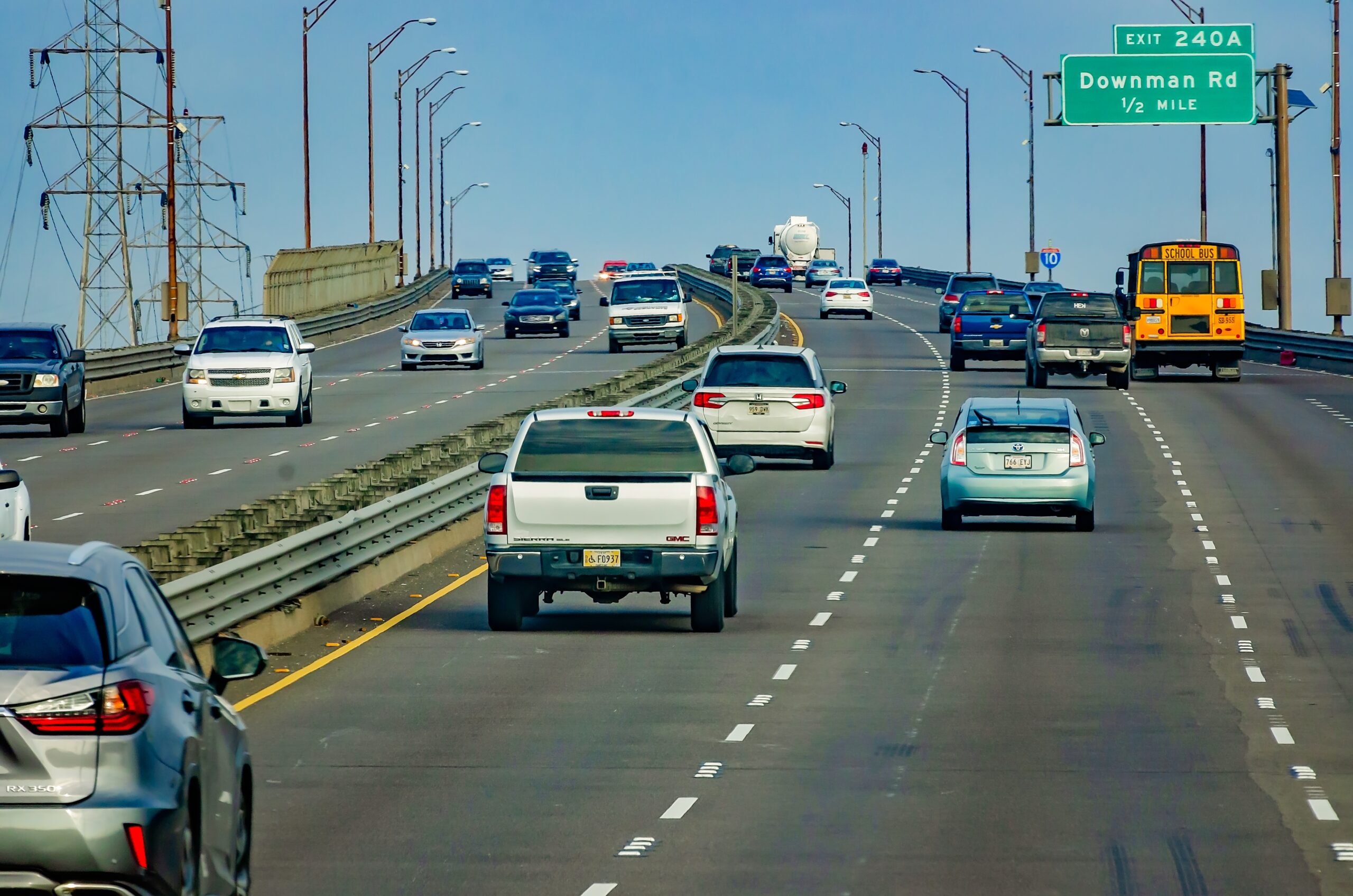
Crossing through Louisiana on I-10 means dealing with some seriously unpredictable weather, from fog thick enough to cut with a knife to sudden downpours that overwhelm your wipers.
The stretches over swampland feature elevated sections where crosswinds can push vehicles around, particularly affecting taller trucks and RVs. Wildlife encounters are surprisingly common, with wildlife, especially deer, can occasionally enter the roadway. The combination of high-speed traffic and these environmental factors means drivers need to stay especially vigilant through the Bayou State.
It’s beautiful country, but Mother Nature definitely keeps you earning your keep on this one.
U.S. Route 1, Florida Keys
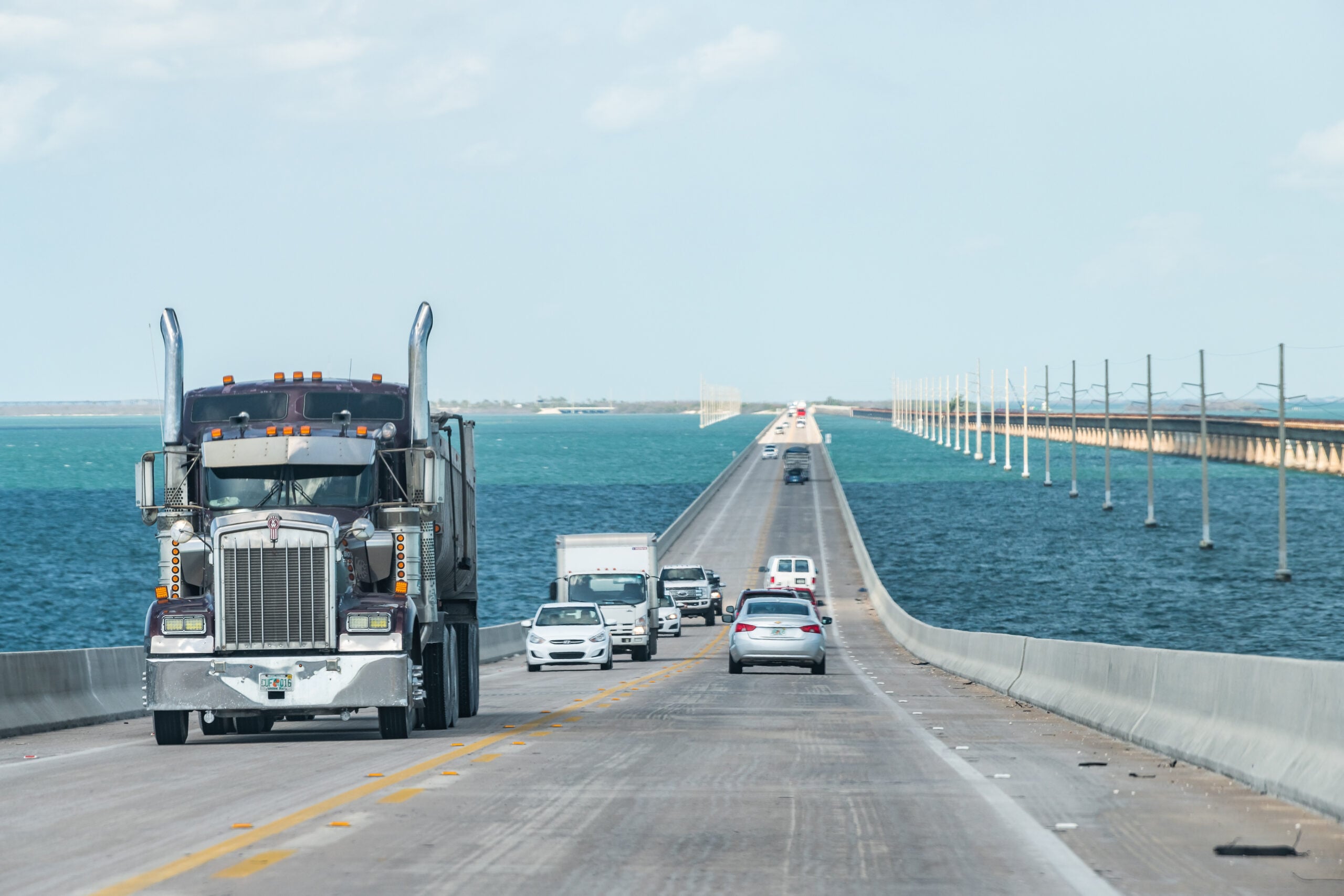
The Overseas Highway is absolutely stunning and the destinations worth the trip, but it’s also a two-lane road with minimal shoulders, surrounded by water, and packed with sightseers who might be more focused on the view than the road.
There’s basically nowhere to go if something goes wrong, and the 100-110-mile stretch from the mainland to Key West demands sustained concentration. Factor in cyclists, cyclists in certain areas and at trail segments, plus frequent tourist pull-offs, and drivers trying to snap photos of that incredible turquoise water, and you’ve got a recipe for close calls. The narrow lanes mean passing slower traffic is difficult, which can lead to frustration and risky decisions.
Pro tip: Leave early, take your time, and save the photos for when you’re actually parked at a viewpoint.
Interstate 4, Orlando, Florida
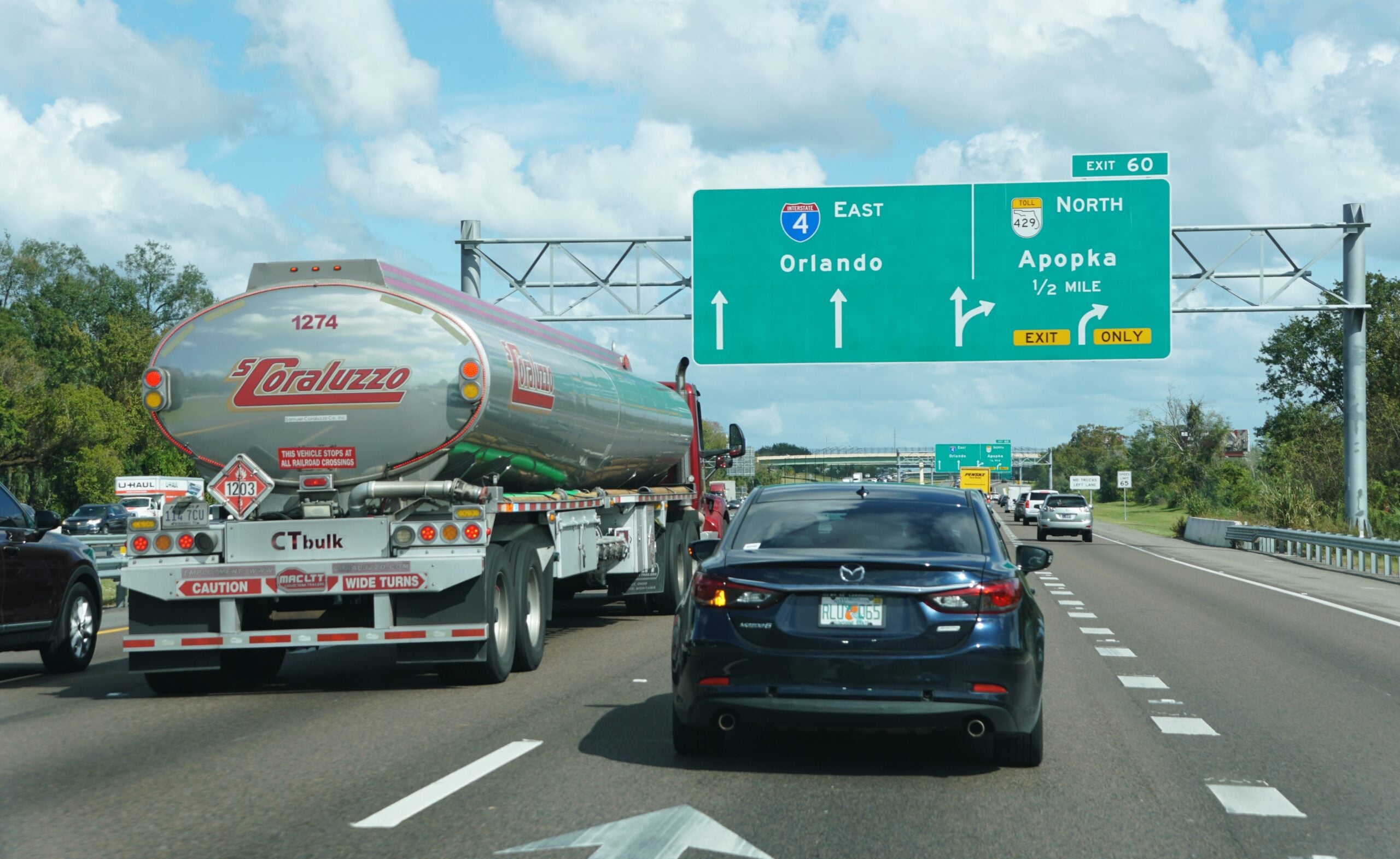
Welcome to what some insurance data has suggested is one of America’s most challenging interstate corridors.
I-4 through Orlando deals with a perfect storm of factors including constant heavy traffic, numerous interchange crossings, aggressive driving behaviors, and a steady stream of unfamiliar tourists trying to navigate to theme parks. Construction seems to be a permanent resident here, with lane shifts and changing traffic patterns that can confuse even locals. The mix of rental cars, commercial vehicles, and daily commuters all moving at different speeds creates a environment where defensive driving is absolutely essential.
Theme park excitement is great, but maybe dial it back a notch until you’re actually at the gates, not on the highway.
Highway 2, Montana
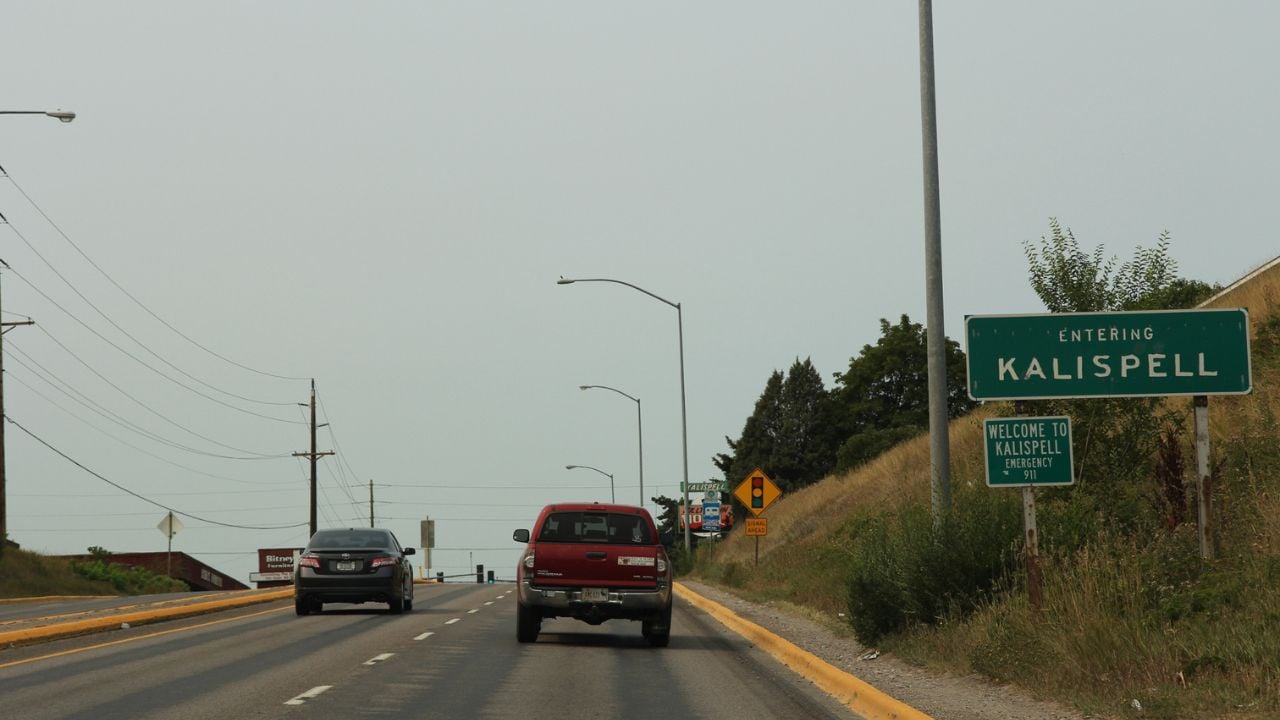
Stretching across Montana’s northern tier, Highway 2 serves up extreme weather conditions, wildlife crossings, and long stretches with limited services.
Winter driving here is genuinely challenging, with whiteout conditions, black ice, and sections where help might be hours away if you run into trouble. Deer, elk, and deer and elk are common, and bears are possible, particularly at dawn and dusk, creating hazards that appear suddenly. The rural nature means cell service can be spotty, so breaking down in winter isn’t just inconvenient, it can be genuinely concerning.
Pack an emergency kit, keep your gas tank full, and respect the Big Sky Country’s big distances.
Interstate 80, Wyoming
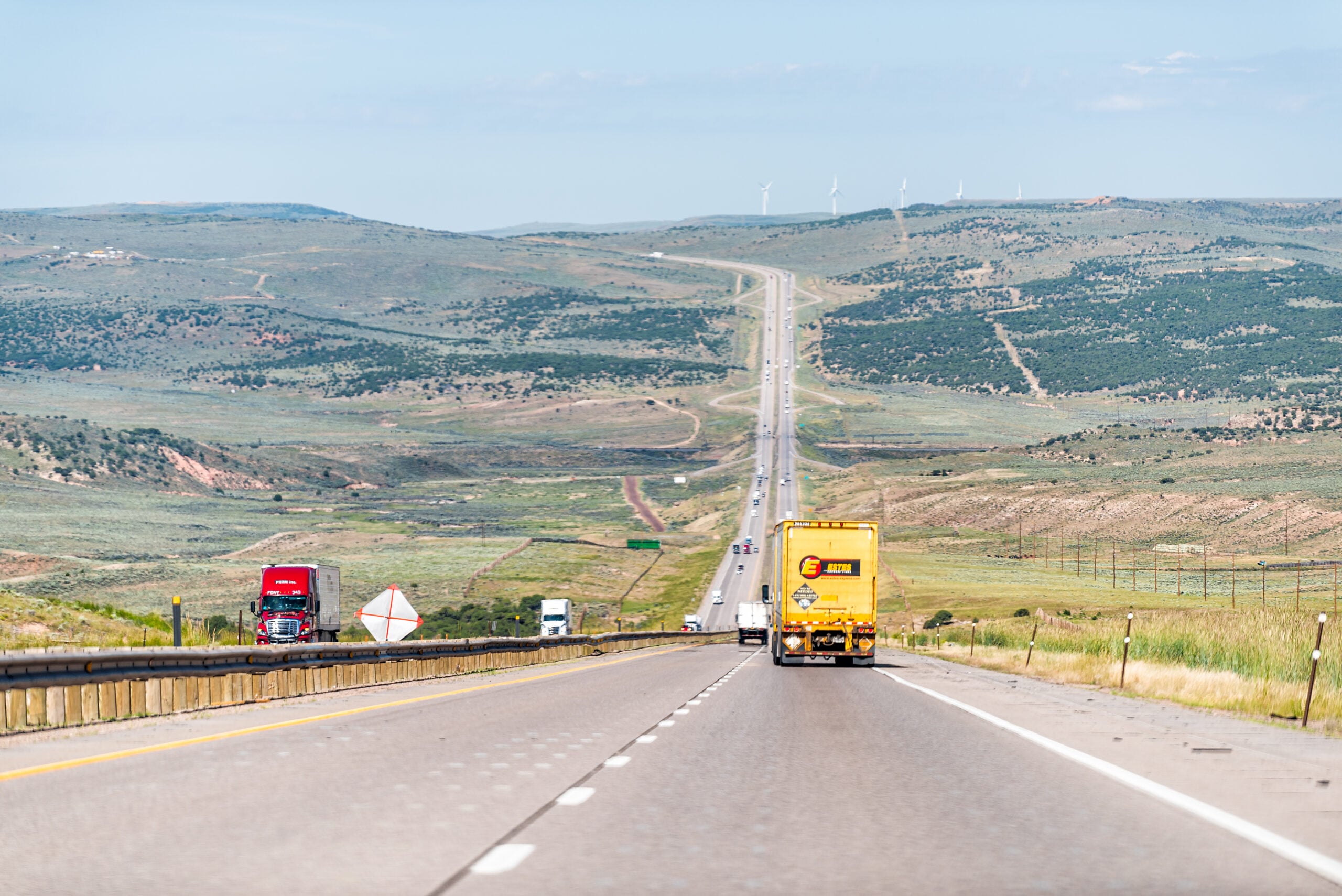
This transcontinental route through Wyoming is notorious for brutal winter weather, particularly the stretch between Rawlins and Laramie.
Wind speeds can exceed 60 mph, literally blowing vehicles off the road, especially high-profile trucks and RVs. Snow squalls reduce visibility to near zero within seconds, and the high elevation means conditions can deteriorate rapidly even when the forecast looks manageable. The state frequently closes sections of I-80 during severe weather, stranding travelers for hours or even days.
Summer isn’t exactly a cakewalk either, with those same winds creating challenging conditions for anyone towing a trailer or driving a larger vehicle.
U.S. Route 550, Colorado
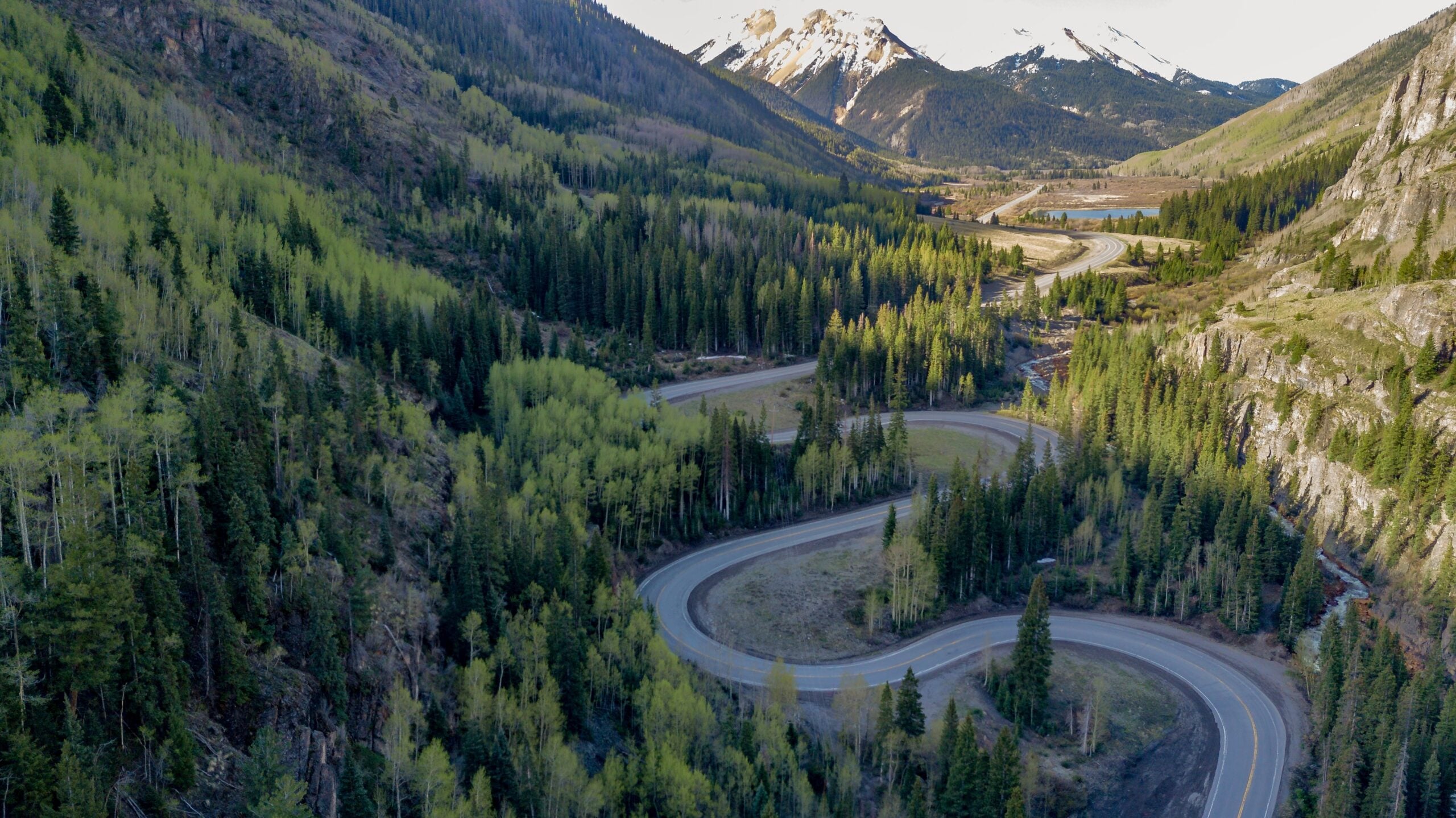
The “Million Dollar Highway” between Ouray and Silverton delivers absolutely spectacular mountain scenery alongside some genuinely white-knuckle driving.
There are sections with no guardrails, steep drop-offs and tight turns, narrow lanes, and hairpin turns that’ll have your passengers gripping their seats. Weather changes rapidly at this elevation, with summer thunderstorms appearing out of nowhere and creating slick conditions on roads that don’t have much margin for error. The grades are steep, putting serious demands on your brakes and engine, and passing is often impossible for miles at a stretch.
The views are absolutely worth it, but this is definitely one where you want to be well-rested and focused.
Interstate 15, California/Nevada Border
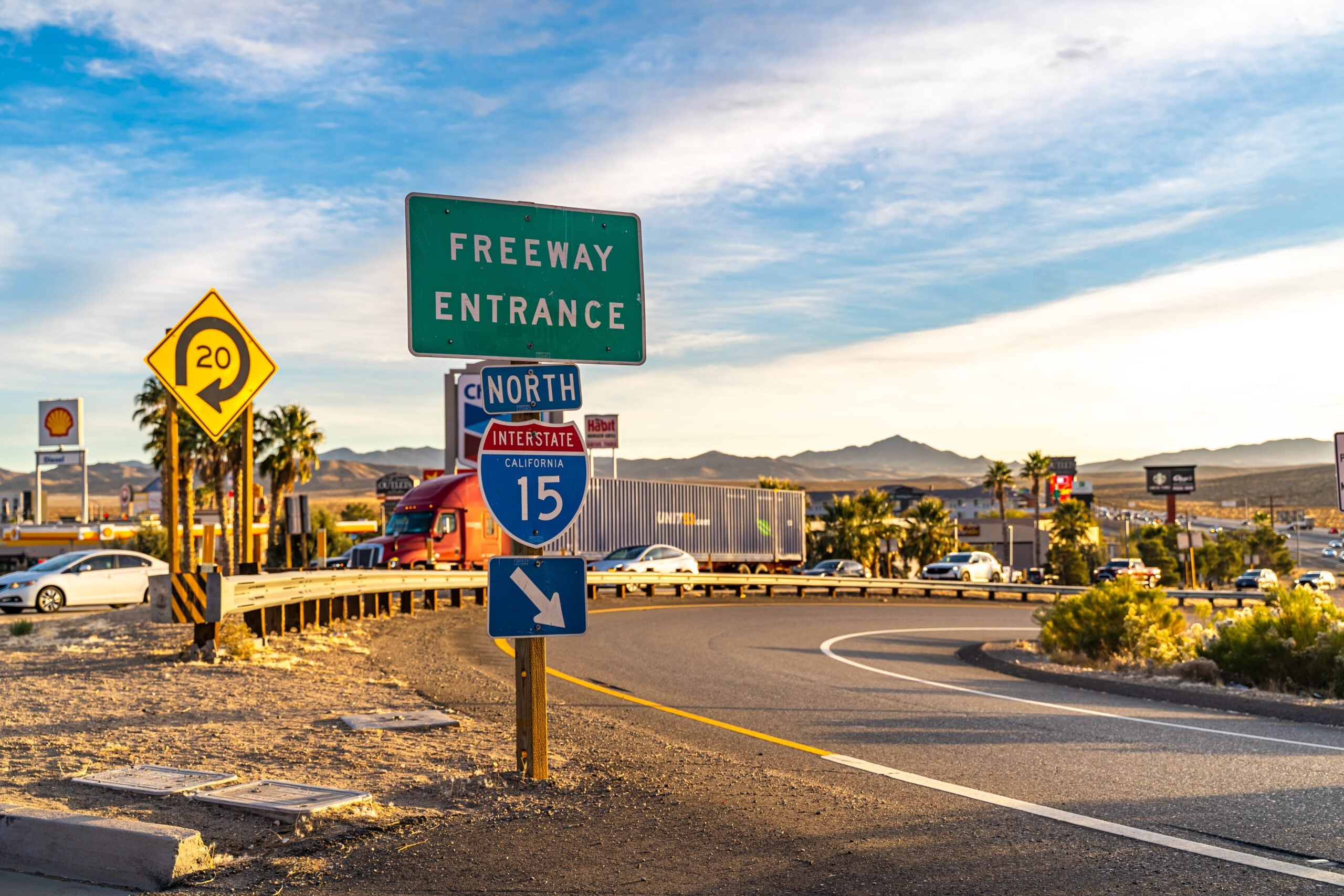
The stretch between Los Angeles and Las Vegas sees some of the highest traffic volumes in the western United States, particularly on Friday evenings and Sunday afternoons.
Desert heat can exceed 115°F, pushing vehicles to their limits and creating hazards from overheated engines and tire blowouts. Driver fatigue becomes a real factor on this relatively straight, monotonous route, and the temptation to speed in wide-open conditions leads to significant speed differentials between vehicles. Add in sudden dust storms that can reduce visibility to zero, and you’ve got conditions that demand respect.
Make sure your cooling system is solid before attempting this run in summer, and maybe save the pedal-to-the-metal excitement for after you arrive safely.
Interstate 26, South Carolina
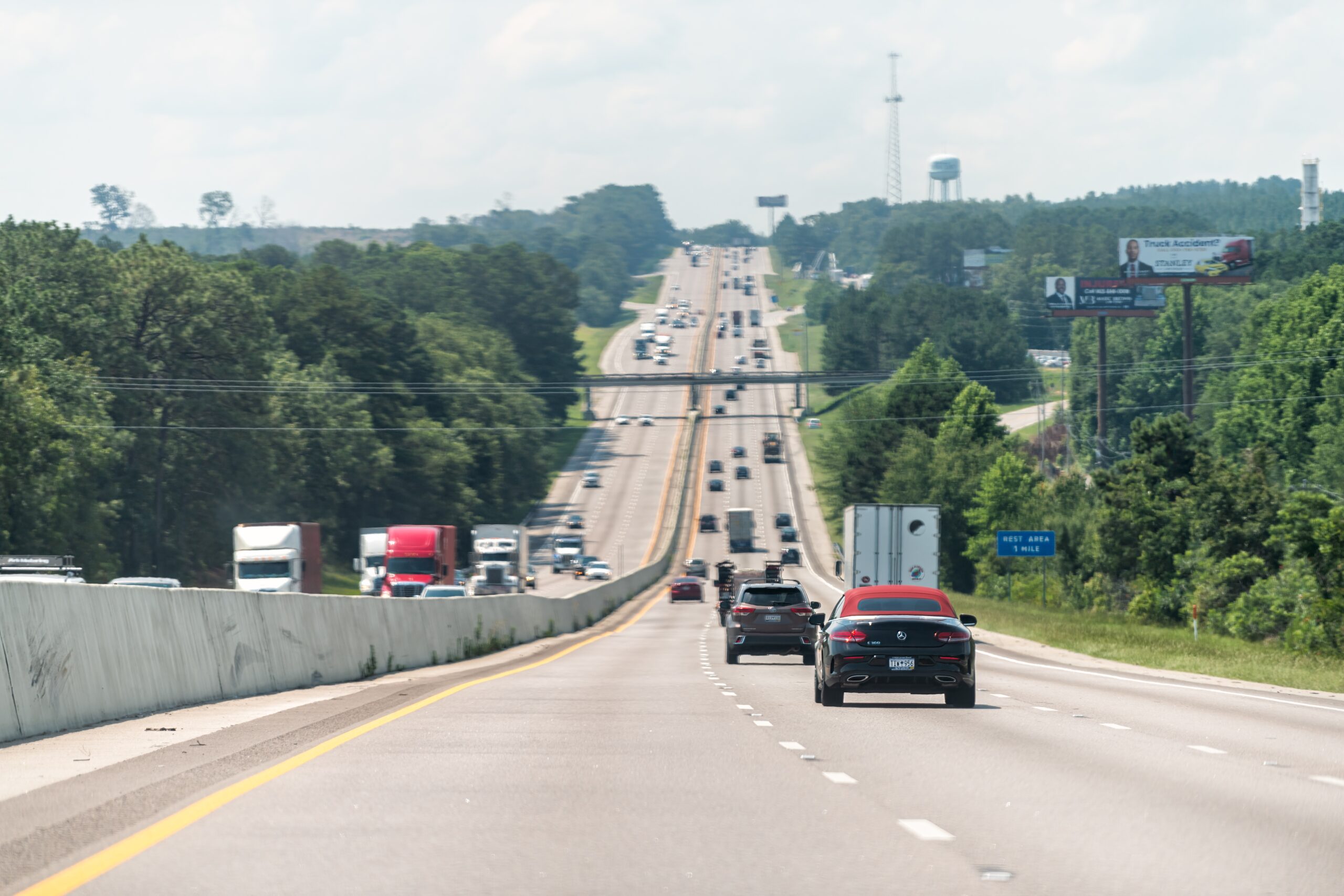
This major route through South Carolina combines high speeds with frequent weather challenges, particularly fog in low-lying areas and sudden heavy rain.
The mixture of local and long-distance traffic creates situations where experience levels vary dramatically from one vehicle to the next. Certain sections see high crash rates, particularly around major interchanges where multiple highways converge and drivers make quick decisions. Rural stretches alternate with more developed areas, meaning speed limits and traffic density change frequently.
Stay alert for changing conditions, and remember that just because the speed limit is 70 doesn’t mean that’s always the smart speed to travel.
Dalton Highway, Alaska

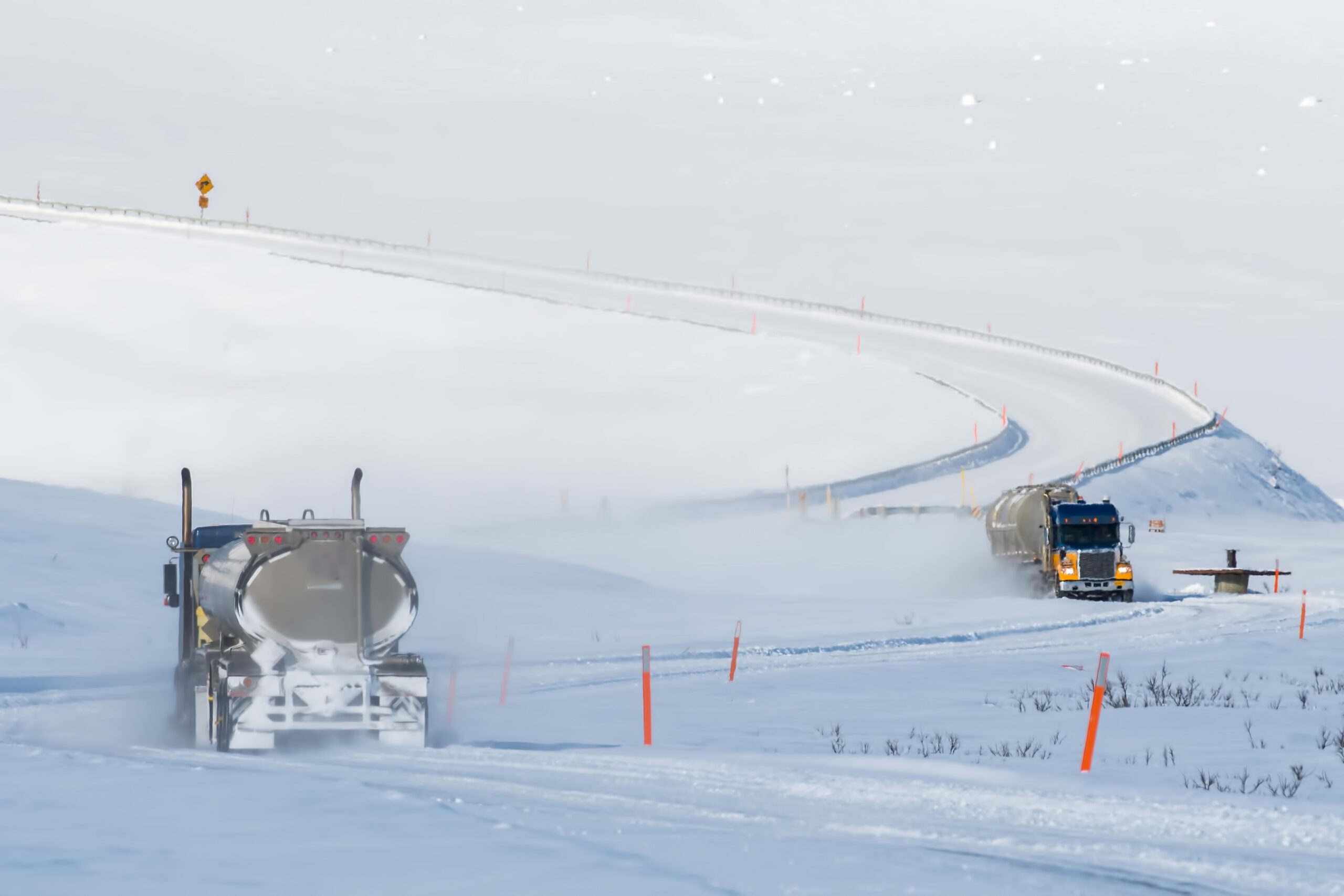
Okay, this one’s for the adventurous souls — the Dalton Highway is 414 miles of mostly gravel with some paved sections serving Alaska’s oil fields.
Services are minimal, with just three tiny towns along the entire route, and you might drive for hours without seeing another vehicle. Extreme cold, wildlife including caribou and bears, flying gravel that can crack windshields, and tire punctures from sharp rocks are all legitimate concerns. The road is shared with massive 18-wheelers servicing the oil fields, and pulling over means dealing with soft shoulders that can swallow a vehicle.
This isn’t really a highway in the traditional sense—it’s more of an expedition that requires serious preparation and respect for the conditions.
Interstate 35W, Fort Worth, Texas
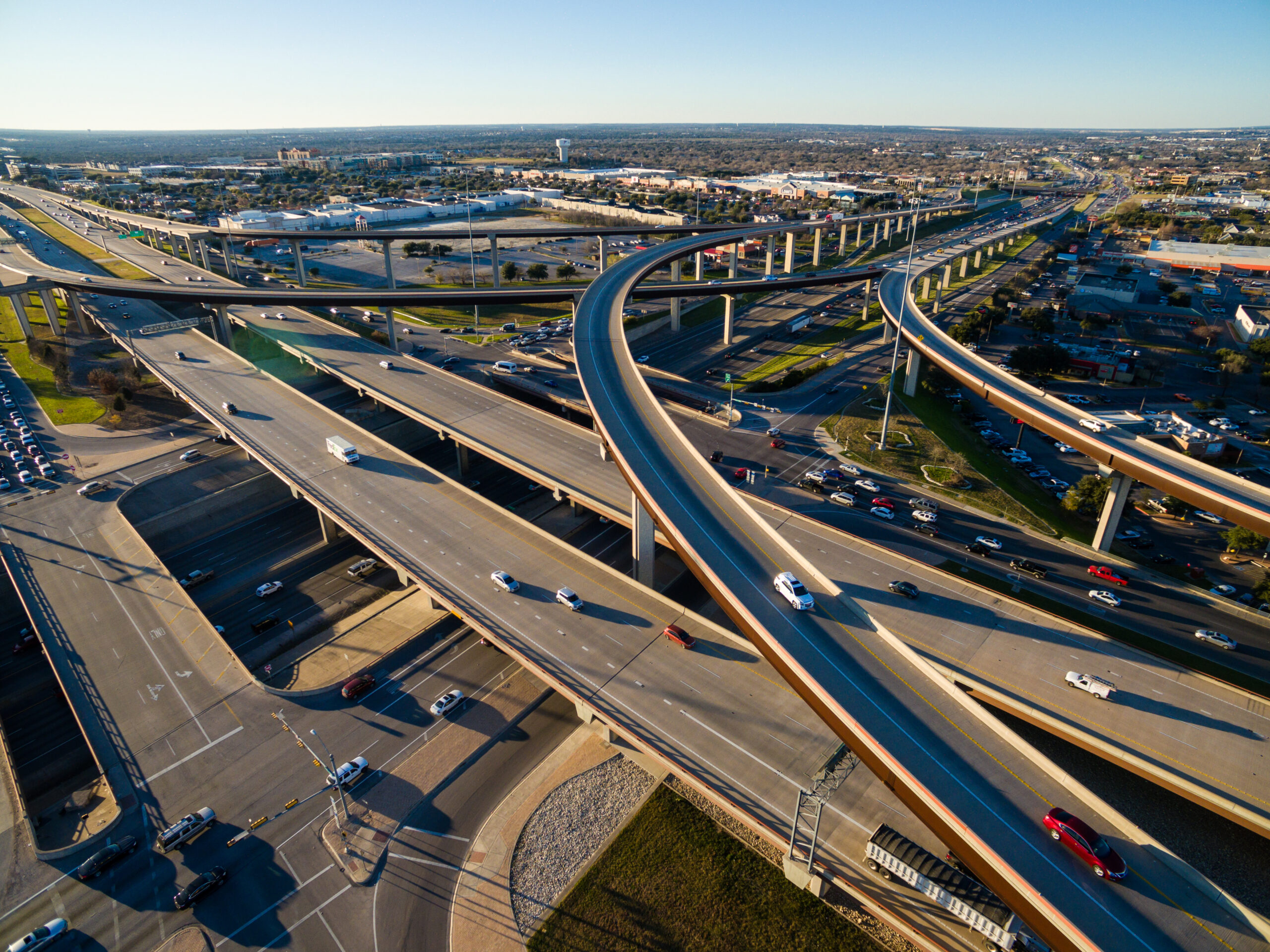
The northern portion of I-35W through Fort Worth deals with heavy traffic volumes, frequent congestion, and a mix of commuters and long-haul truckers navigating complex interchange systems.
Weather can shift quickly, with afternoon thunderstorms bringing heavy rain and occasional hail that creates hazardous conditions on already-busy roadways. The mixture of high speeds, dense traffic, and multiple lanes creates situations where split-second decisions matter. Construction zones seem to be a regular feature, adding another layer of complexity to an already demanding driving environment.
Everything’s bigger in Texas, including the traffic challenges, so give yourself extra time and extra space.
U.S. Route 93, Arizona/Nevada
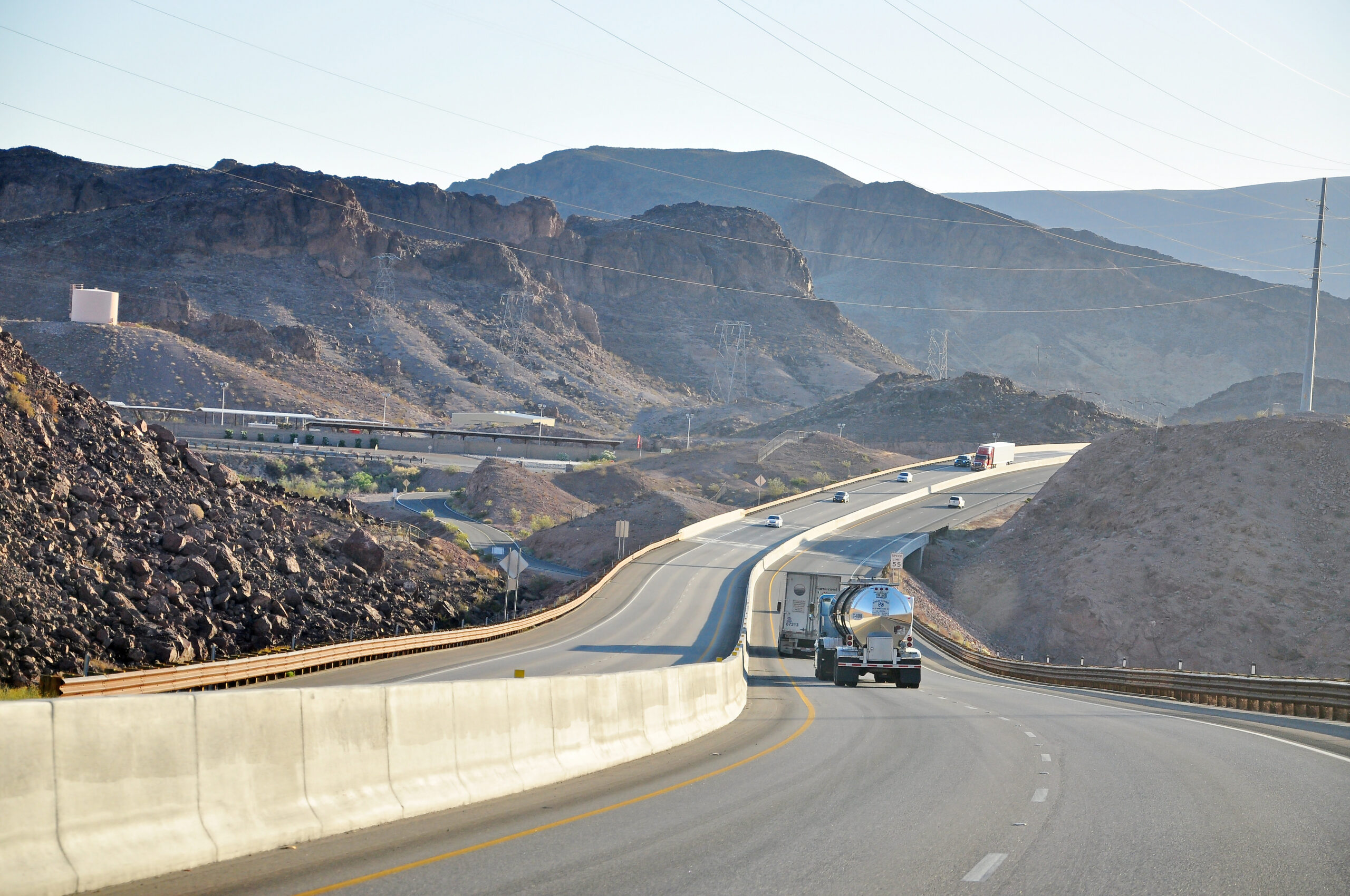
This route connecting Phoenix to Las Vegas cuts through some seriously remote desert terrain where summer temperatures regularly exceed 110°F.
Long stretches between services mean running out of gas or experiencing a breakdown can quickly become a significant problem. The Hoover Dam area brings tourist traffic to narrow, winding roads that were never designed for modern volumes. Wildlife including bighorn sheep and wild burros occasionally wander onto the roadway, and the desert heat creates mirages that can affect depth perception.
The scenery is otherworldly and amazing, but the environment is unforgiving — make sure your vehicle is in solid mechanical condition before tackling this one.
Conclusion
These highways represent just a fraction of America’s challenging roads, but they share common threads: demanding conditions that require driver attention and preparation.
The good news is that understanding these challenges means you can plan accordingly — checking weather, maintaining your vehicle properly, staying alert, and adjusting your driving to match conditions. Every one of these roads can be navigated safely with the right approach and mindset.
So pack that emergency kit, top off the tank, keep both hands on the wheel, and remember that arriving safely beats arriving quickly every single time