As housing costs continue to rise and remote work becomes more common, several U.S. states are actively offering financial incentives to attract new residents. These programs are designed to boost local economies, fill workforce gaps, and revitalize smaller cities and rural communities. For individuals and families willing to relocate, these incentives can significantly reduce the cost of moving while offering a higher quality of life. From cash grants and tax credits to housing assistance and student loan relief, these states are making relocation more appealing than ever.
Many of these programs target remote workers, entrepreneurs, healthcare professionals, and skilled laborers, although some are open to a wide range of applicants. In addition to financial benefits, these states often offer lower living costs, affordable housing, and access to outdoor recreation or tight-knit communities. The combination of economic incentives and lifestyle advantages has made these locations increasingly attractive to Americans seeking a fresh start. Below are eleven U.S. states that are actively paying people to move there.
West Virginia

West Virginia offers one of the most well-known relocation incentive programs aimed at remote workers. Qualified applicants can receive cash payments, outdoor recreation perks, and access to professional networking opportunities. The program focuses on attracting individuals who can work remotely while contributing to the local economy. This initiative has helped revitalize communities that were previously losing population.
Beyond financial incentives, West Virginia offers affordable housing and a significantly lower cost of living compared to many coastal states. Residents enjoy access to mountains, rivers, and national parks, making outdoor recreation a daily part of life. Small towns and cities provide a slower pace without sacrificing modern amenities. The natural beauty of the state adds to its long-term appeal.
The state’s central location along the East Coast also makes travel relatively convenient. Internet infrastructure has improved significantly to support remote workers and digital professionals. Community engagement is a key part of the program, encouraging newcomers to integrate locally. West Virginia combines financial support with lifestyle value in a compelling way.
Oklahoma

Oklahoma offers a relocation incentive program that provides cash grants to remote workers who move to certain cities. The program is designed to attract professionals who can work from anywhere while stimulating local economies. Participants also gain access to co-working spaces and community events. This structured approach helps newcomers settle quickly.
Housing in Oklahoma is among the most affordable in the country, allowing incentive payments to go further. Cities like Tulsa offer vibrant arts scenes, growing tech communities, and modern infrastructure. Everyday expenses such as groceries, transportation, and utilities remain well below the national average. This affordability makes long-term relocation sustainable.
Oklahoma’s central location allows easy travel to other parts of the country. The state has invested heavily in revitalizing downtown areas and improving quality of life. New residents often find a strong sense of community and opportunity. Oklahoma offers financial incentives paired with urban growth and affordability.
Arkansas
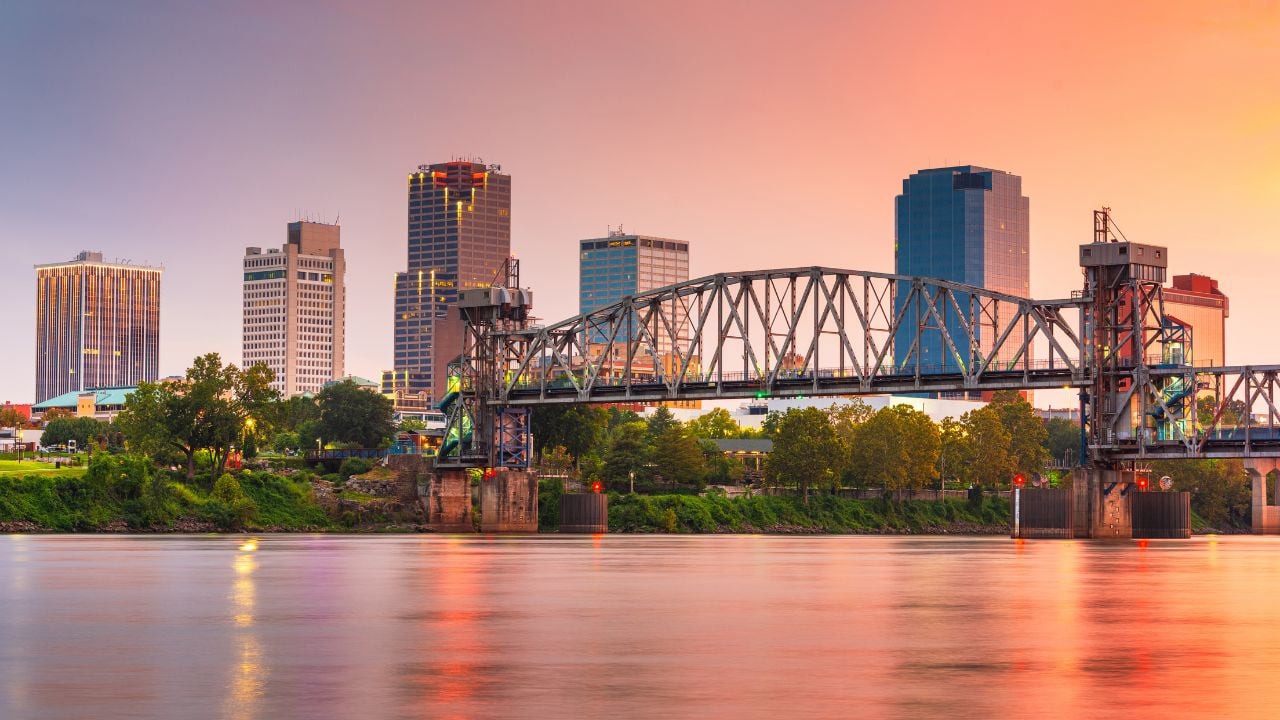
Arkansas provides relocation incentives aimed at attracting skilled workers and entrepreneurs to specific regions. These incentives may include cash payments, housing support, and access to outdoor recreation memberships. The state emphasizes economic development through population growth. Programs often focus on professionals who bring long-term value to local communities.
The cost of living in Arkansas is significantly lower than the national average, particularly in housing. Many towns offer affordable homes with generous space and proximity to nature. Outdoor activities such as hiking, fishing, and biking are easily accessible. This blend of affordability and natural beauty appeals to many movers.
Arkansas has invested in broadband expansion and small business support. Cities like Bentonville and Fayetteville have experienced cultural and economic growth. New residents often benefit from lower stress and a balanced lifestyle. Arkansas combines financial incentives with long-term livability.
Vermont

Vermont offers financial incentives to remote workers and professionals who relocate to the state. Programs often reimburse relocation expenses or provide grants for individuals working for out-of-state employers. The goal is to strengthen the local economy while preserving Vermont’s rural character. These incentives are particularly appealing to professionals seeking a quieter lifestyle.
While Vermont’s cost of living is higher than some other states on this list, the incentives help offset initial expenses. The state is known for its natural beauty, clean environment, and strong sense of community. Residents enjoy access to outdoor recreation year-round. Quality of life remains a major draw.
Vermont also emphasizes sustainability, local agriculture, and community engagement. Internet infrastructure continues to improve to support remote work. Many newcomers appreciate the slower pace and civic involvement. Vermont offers incentives for those seeking balance and purpose.
Maine

Maine provides incentives primarily through student loan repayment programs for eligible professionals. This approach targets individuals who commit to living and working in the state. The program is especially attractive to young professionals carrying education debt. It serves as both a financial benefit and a workforce development tool.
The cost of living in Maine varies, but many inland and smaller coastal towns remain affordable. Housing options include historic homes and scenic rural properties. Residents benefit from access to nature, including coastline, forests, and national parks. The lifestyle emphasizes well-being and community.
Maine’s economy continues to diversify beyond traditional industries. Improved broadband access supports remote work opportunities. New residents often find a welcoming environment. Maine offers long-term financial relief combined with scenic living.
Iowa
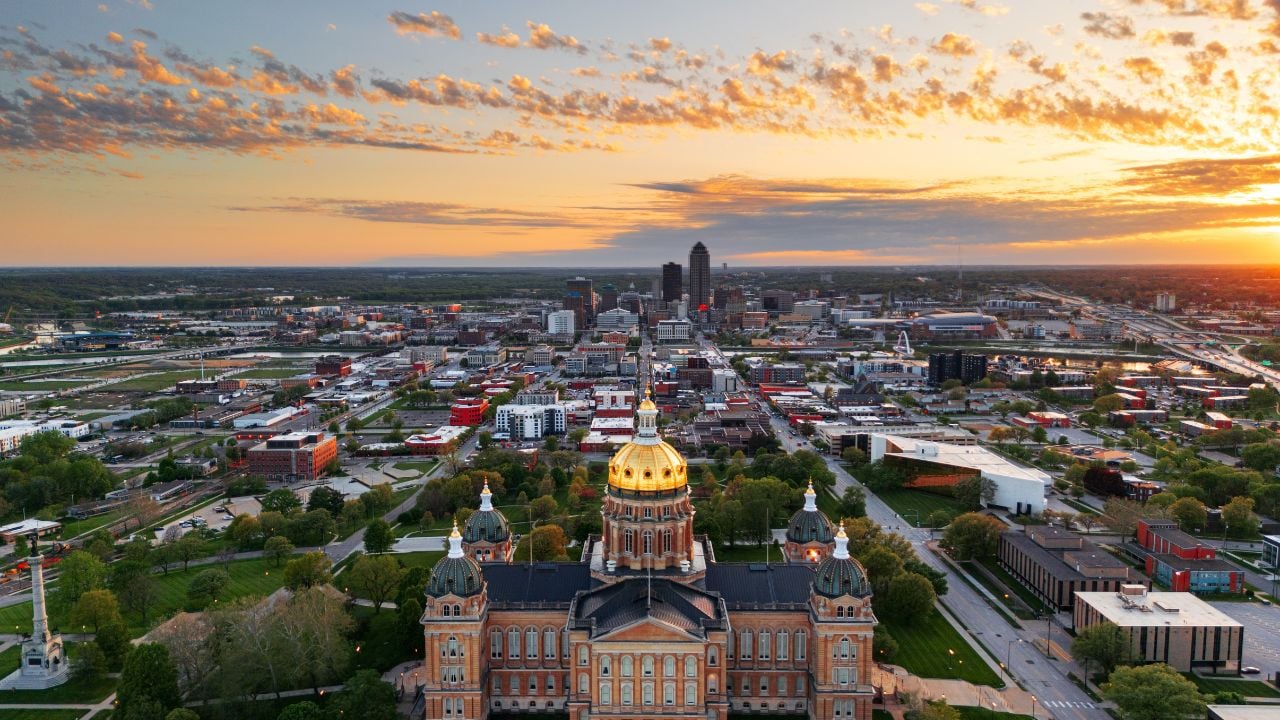
Iowa offers a variety of local incentive programs designed to attract new residents. These may include cash grants, housing assistance, and tax abatements. The programs often focus on smaller cities and rural areas seeking population growth. Iowa’s approach is community-driven and flexible.
Housing costs in Iowa are among the lowest in the Midwest. Families and individuals can purchase homes at prices far below national averages. Everyday expenses remain manageable, allowing for financial stability. The affordability supports long-term relocation decisions.
Iowa also offers strong education systems and low crime rates. Communities are known for being welcoming and family-friendly. Infrastructure and healthcare access are reliable. Iowa combines affordability, incentives, and stability.
Kansas
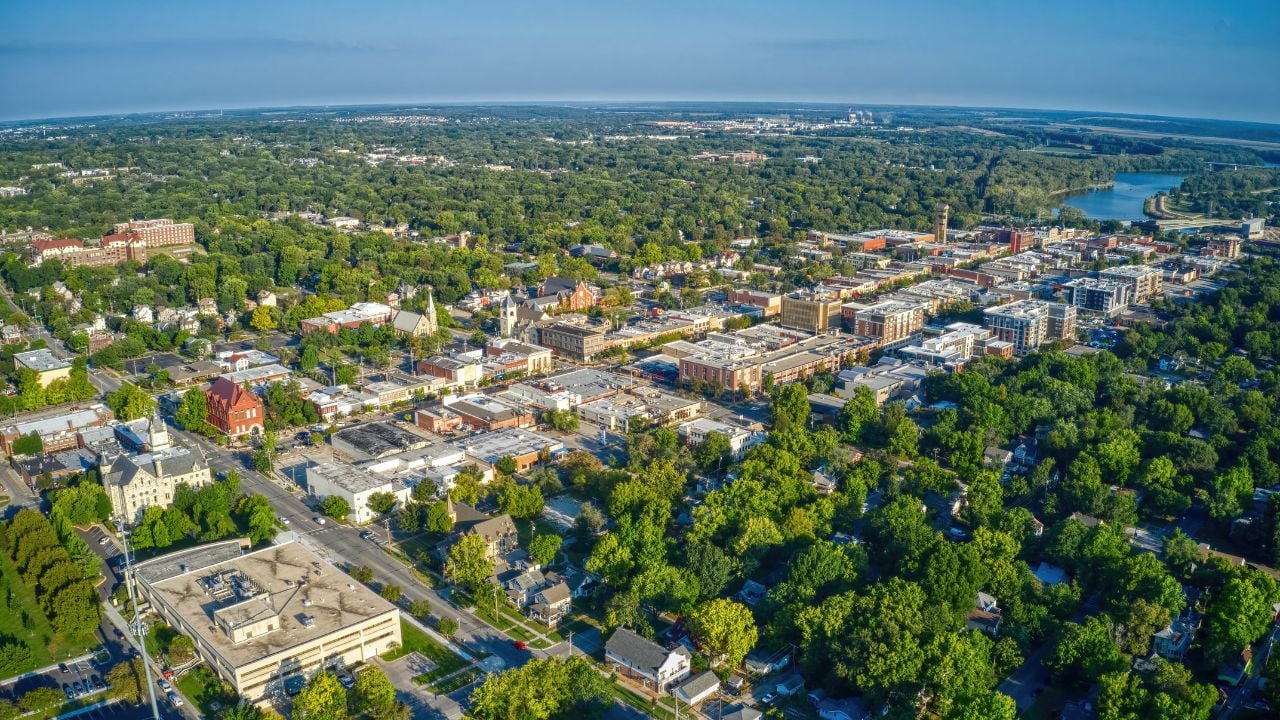
Kansas offers relocation incentives through local governments and employer-sponsored programs. These incentives may include tax waivers, housing support, and student loan assistance. The goal is to attract skilled workers to underpopulated regions. Kansas focuses on long-term economic sustainability.
The cost of living in Kansas is significantly lower than the national average. Housing remains affordable in both urban and rural areas. Transportation and utilities are also inexpensive. This allows new residents to stretch incentive funds further.
Kansas communities emphasize safety, education, and quality of life. The state’s central location supports logistics and travel. New residents often find strong local support networks. Kansas offers incentives paired with practicality.
Alaska

Alaska offers a unique incentive through its annual dividend program, which pays residents a cash amount each year. While not a relocation bonus, it provides ongoing financial benefit. The program is funded through state resource revenues. This makes Alaska distinct from other states.
Living costs in Alaska can be higher, but many residents offset expenses through dividends and wages. The state offers unparalleled natural beauty and outdoor adventure. Residents enjoy a strong sense of independence and community. Alaska attracts those seeking a unique lifestyle.
Remote work has made Alaska more accessible than ever. Infrastructure improvements continue across the state. Many communities actively welcome newcomers. Alaska offers financial benefits with unmatched scenery.
New Mexico

New Mexico offers relocation incentives aimed at remote workers and entrepreneurs. Programs often include cash grants and business development support. The state focuses on attracting creative professionals and tech workers. These incentives help stimulate innovation and growth.
The cost of living in New Mexico is relatively low, particularly in housing. Cities like Albuquerque and Santa Fe offer cultural richness and affordability. The state is known for its food, art, and history. This combination creates a unique living experience.
Outdoor recreation and warm climate add to the appeal. New residents benefit from expanding infrastructure and community programs. New Mexico blends culture, affordability, and incentives effectively.
Michigan

Michigan provides relocation incentives through city-based programs and employer partnerships. These incentives may include cash grants, housing assistance, or job placement support. The state targets skilled workers in growing industries. Michigan’s strategy focuses on urban revitalization.
Housing remains affordable in many Michigan cities. Residents enjoy access to lakes, parks, and cultural institutions. The state offers a strong balance between urban life and nature. Cost savings make relocation attractive.
Michigan continues to invest in infrastructure and economic diversification. New residents often find ample job opportunities. Community redevelopment is ongoing. Michigan offers incentives with long-term potential.
Tennessee

Tennessee offers relocation incentives through local economic development programs. These may include tax benefits, job incentives, and housing support. The state’s lack of income tax adds to its appeal. Tennessee actively recruits new residents.
The cost of living is lower than the national average. Cities like Chattanooga and Knoxville offer affordable housing and growing job markets. Outdoor recreation and cultural amenities are widely available. Quality of life remains high.
Tennessee’s central location and strong infrastructure support mobility. Communities are welcoming and diverse. New residents benefit from economic opportunity and affordability. Tennessee offers a compelling relocation package.