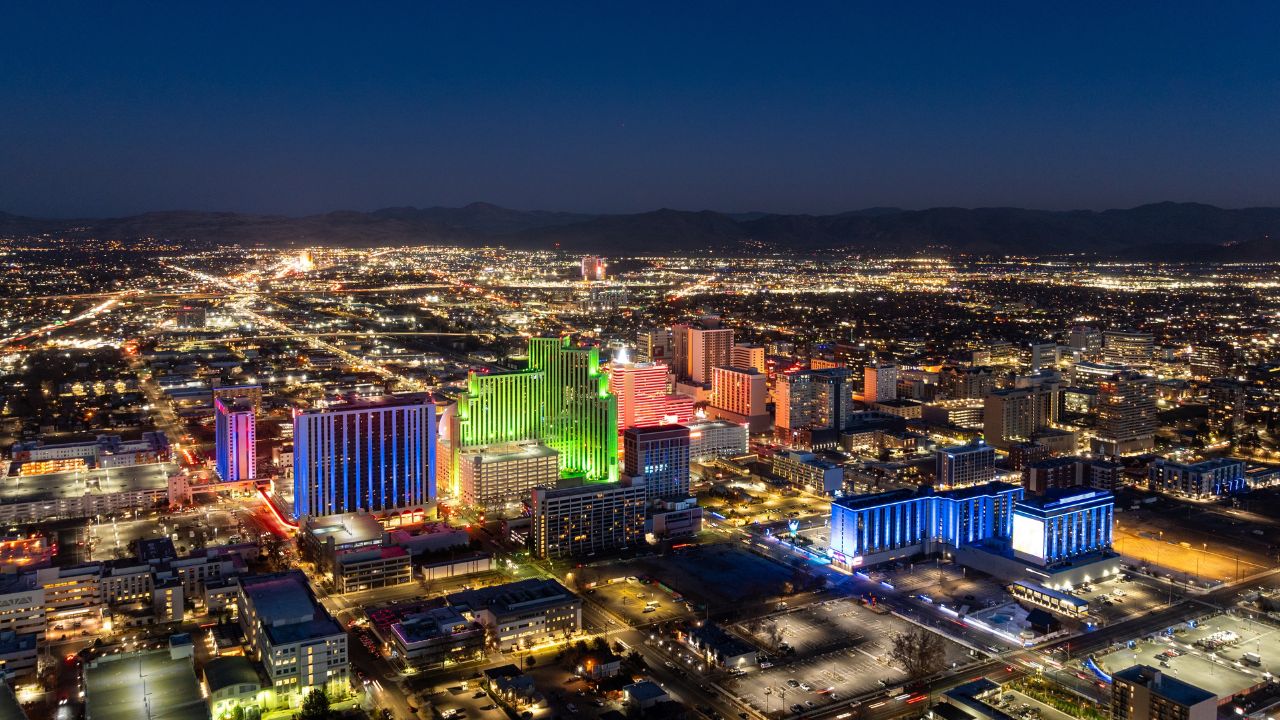
Travelers often associate vibrant cultural scenes, diverse dining, and lively nightlife with big, expensive urban centers, but there are many smaller U.S. cities that deliver similar energy without the hefty price tag. These lesser-known destinations combine walkable downtowns, arts and music communities, historic neighborhoods, and innovative food scenes that feel just as dynamic as major metropolitan areas. What sets these cities apart is their ability to offer big city experiences, from festivals and performances to craft breweries and boutique shops, while still maintaining a cost of living that won’t drain your wallet. For budget-conscious travelers or new residents seeking value without sacrificing quality of life, these small cities are ideal alternatives to their larger counterparts.
Many of these destinations also benefit from lower housing costs, reduced entertainment prices, and public amenities that make daily life affordable for locals and visitors alike. Local transportation tends to be more efficient and inexpensive compared to larger urban areas, and most attractions can be enjoyed without premium admission fees. In several of these cities, community events, outdoor concerts, and farmers markets make everyday life feel engaging and culturally rich. Whether you’re planning a weekend getaway or considering relocation, these small cities prove that you don’t need to live in a major metropolis to enjoy compelling urban amenities on a budget.
Greenville, South Carolina

Greenville’s revitalized downtown blends historic charm with modern design, creating a vibrant streetscape that rivals that of much larger cities while still offering affordable living and travel costs. The city’s picturesque Main Street is lined with local boutiques, craft breweries, and farm-to-table restaurants that reflect a strong sense of community and creativity. Greenville’s commitment to outdoor space, including Falls Park on the Reedy with its scenic waterfall and pedestrian bridges, gives residents and visitors ample places to gather without spending a fortune. Monthly festivals and free music events further reinforce the city’s lively cultural identity without the high costs associated with bigger urban centers.
Beyond the downtown core, Greenville’s neighborhoods offer diverse architectural styles, tree-lined streets, and easy access to natural landscapes that make the city feel expansive yet accessible. The regional airport and freeway connections allow for efficient travel without expensive transfers. Housing costs remain lower than in many coastal metropolitan areas, making long-term stays and relocation more feasible for budget-conscious individuals and families. With a flourishing arts scene and an ever-growing culinary reputation, Greenville delivers big-city vibes in a small-city package.
Chattanooga, Tennessee

Chattanooga’s stunning setting along the Tennessee River and against the backdrop of the Appalachian Mountains gives it a natural beauty that enhances its urban charm. The city has invested heavily in its downtown revitalization, with attractions like the Tennessee Aquarium, riverfront parks, and a vibrant arts district that draw both visitors and locals alike without requiring steep admission costs. Microbreweries, gastropubs, and food halls create an affordable dining scene that rivals much larger cities, while regular outdoor concerts and seasonal events give Chattanooga a festival-like atmosphere year-round. Walkability and an efficient public transit system make getting around easy and inexpensive, encouraging exploration without relying on costly rideshares or long car trips.
Chattanooga also boasts a thriving startup community and coworking spaces that attract remote workers seeking affordability without sacrificing connection or creative energy. Outdoor activities are woven into the city’s culture, with hiking, climbing, and water sports easily accessible just minutes from downtown. Housing and rental prices remain significantly lower than in major tech hubs while offering similar amenities and quality of life. Chattanooga proves that a smaller city can sustain big-city energy, cultural richness, and affordability all at once.
Des Moines, Iowa
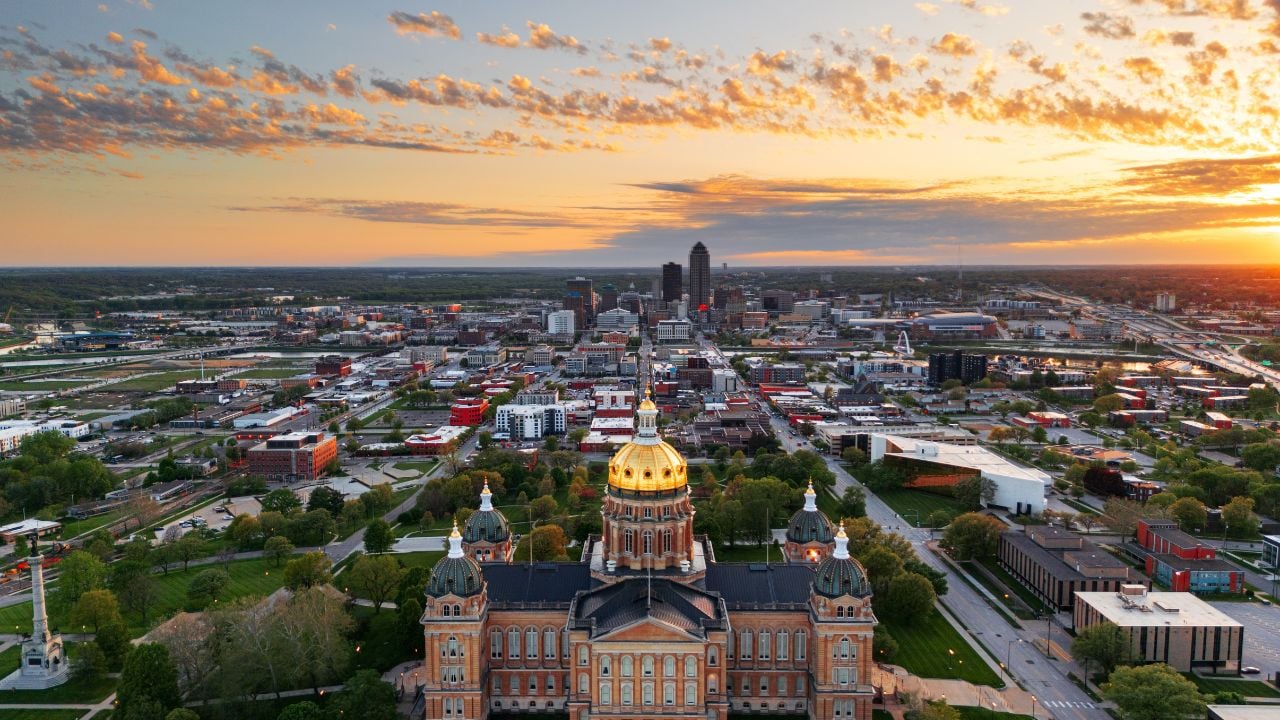
Des Moines has emerged as a Midwestern hub of cultural activity, combining affordable living with a growing reputation for arts, music, and cuisine. The downtown area features galleries, theaters, and event spaces that host exhibits and performances throughout the year, often at low or no cost to attendees. Restaurateurs and craft beverage makers have found fertile ground here, offering innovative menus and tasting experiences that rival those of larger cities without the premium prices. Despite its mid-sized population, Des Moines maintains a high quality of life with parks, riverwalks, and bike trails integrated into the urban landscape.
The city’s cost of living is consistently below the national average, which makes it attractive for young professionals, families, and retirees alike. Affordable housing, efficient public transit, and minimal traffic congestion add to its appeal as both a travel destination and a place to settle. Community-driven festivals and farmers markets give the city a strong sense of local identity. Des Moines demonstrates that budget-friendly living and big-city amenities can coexist harmoniously in America’s heartland.
Boise, Idaho

Boise’s scenic location near the foothills of the Rocky Mountains gives it an outdoor appeal that complements its urban offerings, creating a lifestyle often described as “big city energy with small town soul.” The city’s downtown is home to an expanding culinary scene, art galleries, and music venues that offer diverse experiences without the inflated prices of coastal metro areas. Boise’s river greenbelt, parks, and recreational facilities are free or very low cost, making it easy for residents and visitors to enjoy outdoor activities without spending much. Local festivals, cultural events, and community gatherings further elevate the city’s vibrant atmosphere while keeping costs accessible.
The area’s housing market has grown in recent years, yet it remains more affordable than many major West Coast cities, attracting new residents who seek quality of life on a budget. Transportation options, including bike-sharing and efficient public transit, reduce the need for expensive car travel. The local tech and startup scene contribute to an energetic vibe that feels youthful and forward-looking. Boise proves that a smaller city can offer a robust urban experience without the financial strain of a larger metropolis.
Fayetteville, Arkansas
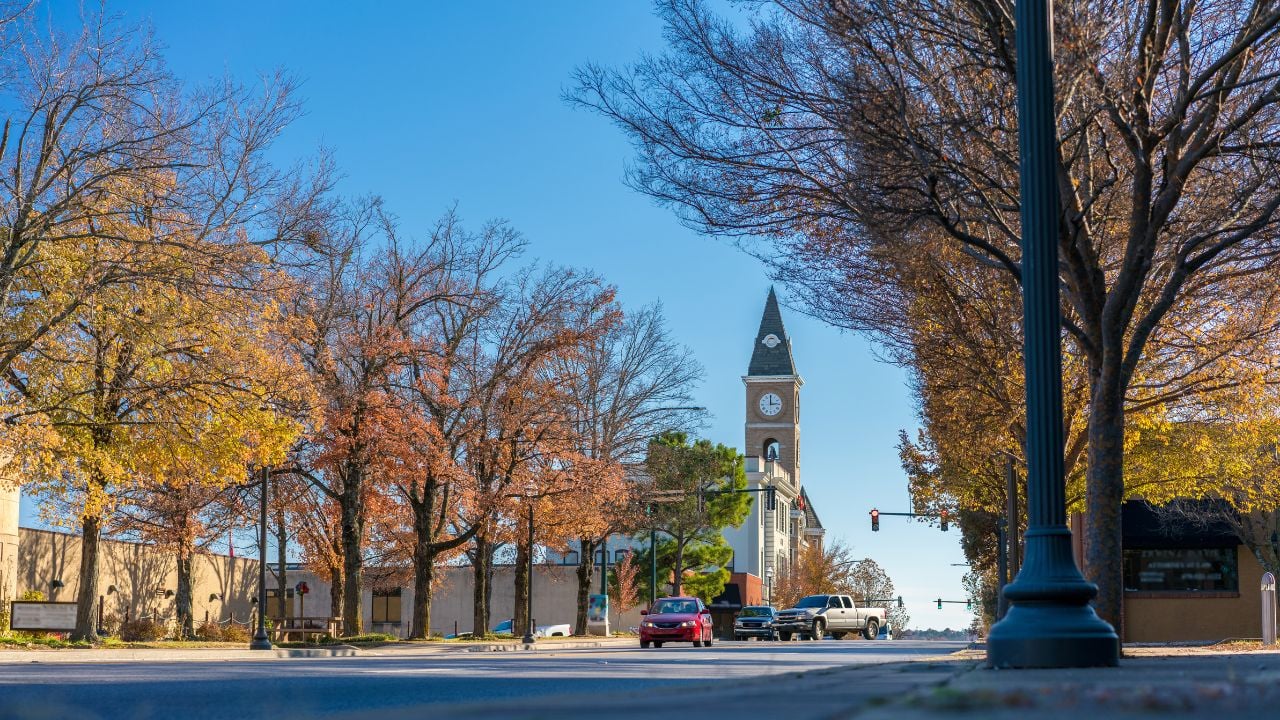
Fayetteville, home to the University of Arkansas, combines collegiate energy with a lively arts scene, craft breweries, and music venues that make it feel bigger than its size would suggest. The city’s downtown square buzzes with activity year-round, featuring independent shops, cultural events, and local eateries that attract both students and long-term residents alike. Outdoor recreation is central to local life, with trails, parks, and the nearby Ozark Mountains offering ample opportunities for affordable exploration. Community-oriented festivals and farmers markets add cultural depth without substantial costs.
Despite its dynamic lifestyle, Fayetteville remains affordable in terms of housing, food, and entertainment. The university presence ensures a rotating calendar of performances, lectures, and sporting events that enrich the social fabric. Neighborhoods reflect diverse architectural styles and offer walkability that encourages exploration. Fayetteville’s blend of urban energy and everyday affordability makes it a standout among small cities with big-city vibes.
Oklahoma City, Oklahoma

Although Oklahoma City is technically a larger metro area, it retains a small-city feel in many of its neighborhoods while delivering big-city attractions at significantly lower costs. The revitalized Bricktown entertainment district offers lively nightlife, restaurants, and outdoor activities centered around a scenic canal, creating a vibrant urban environment without the financial burden of bigger cities. Museums, performing arts centers, and cultural venues offer rich programming throughout the year, often at moderate prices that are accessible to budget travelers. Local festivals, live music, and community events further reinforce the city’s dynamic personality.
Oklahoma City’s housing and rental markets remain more affordable than in most coastal metros, making it appealing for both visitors and new residents seeking value. The city’s public transportation and rideshare options help reduce the need for personal vehicle dependence. Bite-sized neighborhoods each contribute unique character, from arts districts to historic districts, enhancing overall livability. Oklahoma City demonstrates that cost-effective living and cultural richness can thrive outside expensive urban centers.
Greenville, North Carolina
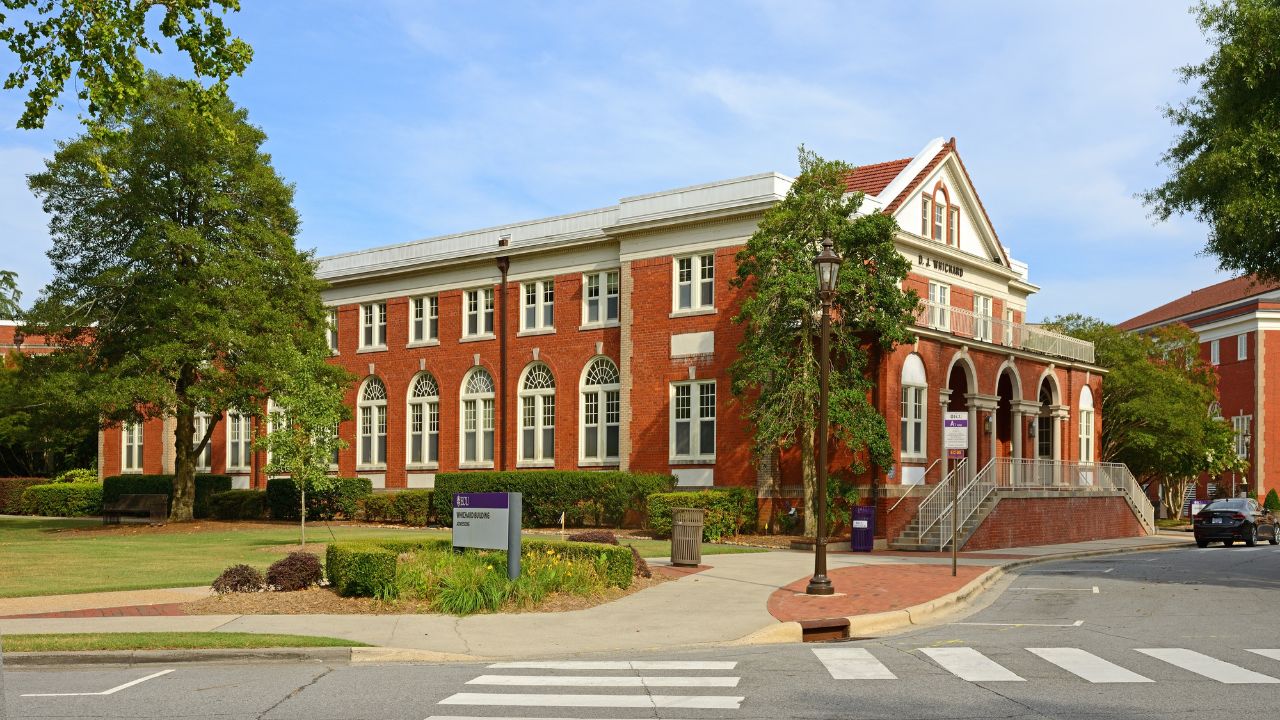
Greenville offers a vibrant mix of university energy, downtown revitalization, and cultural amenities that give it an unexpectedly urban feel. East Carolina University anchors much of the city’s social and cultural activity, creating opportunities for festivals, performances, and community events that are both inclusive and affordable. The downtown area features a growing restaurant scene, independent boutiques, and galleries that rival those in far larger Southern cities. Parks and greenways provide free or low-cost outdoor recreation options.
Despite its lively atmosphere, Greenville remains affordable in terms of housing, food, and entertainment, making it an attractive destination for students, young professionals, and long-term visitors. Cultural offerings, including free concerts, farmers markets, and public art installations, contribute to a sense of community without high costs. Walkability and accessible public transit enhance the city’s charm. Greenville proves that a smaller city can cultivate big-city vibes without a big-city budget.
Columbia, Missouri
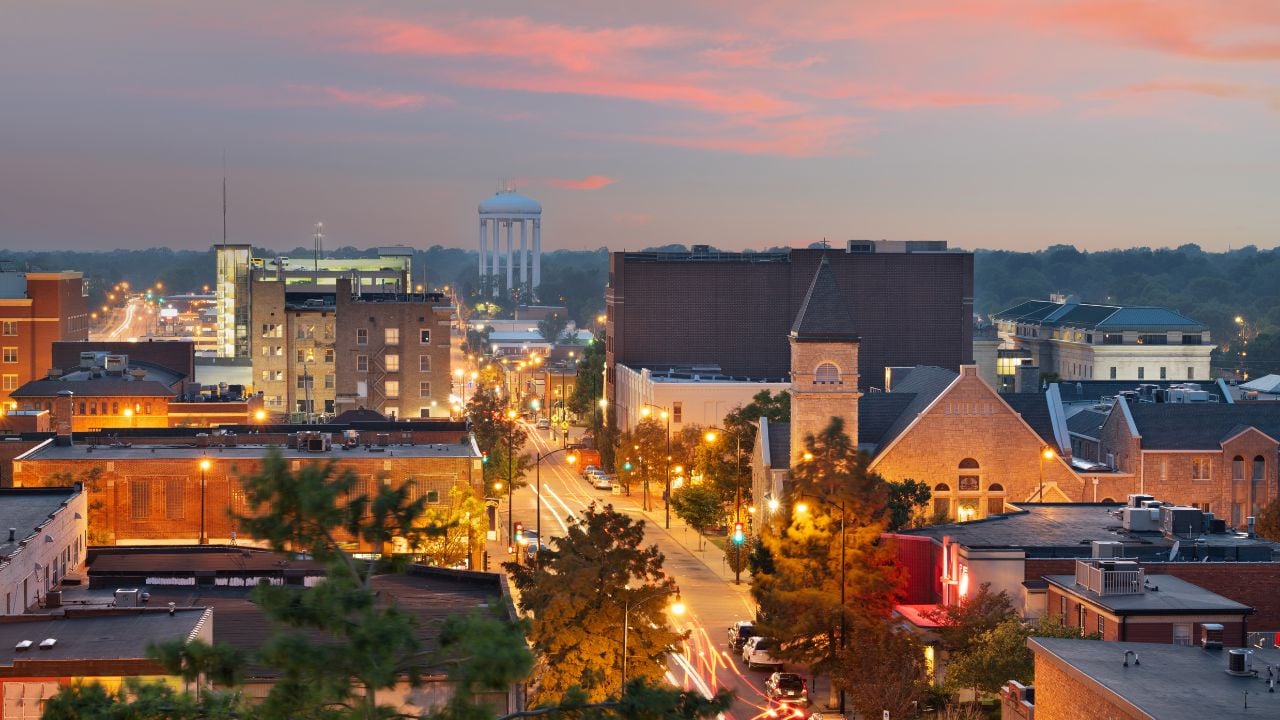
Columbia combines the energy of a major university with a thriving downtown that features eclectic eateries, live music venues, and cultural events that feel larger than the city’s size. The presence of the University of Missouri brings continuous engagement in arts, athletics, and community activities that stimulate urban excitement without high expenses. Small theaters, public art installations, and annual festivals contribute to a lively cultural calendar accessible to residents and visitors alike. Parks, trails, and outdoor spaces provide free or low-cost leisure opportunities within the city and beyond.
Columbia’s cost of living remains modest compared to larger metropolitan areas, with housing, food, and entertainment all contributing to an affordable lifestyle. Transportation access, including bike paths and public transit, encourages exploration without expensive travel costs. Creative businesses and local entrepreneurs add vibrancy to the urban core. Columbia proves that a mid-sized city can deliver dynamic cultural offerings on a budget.
Provo, Utah
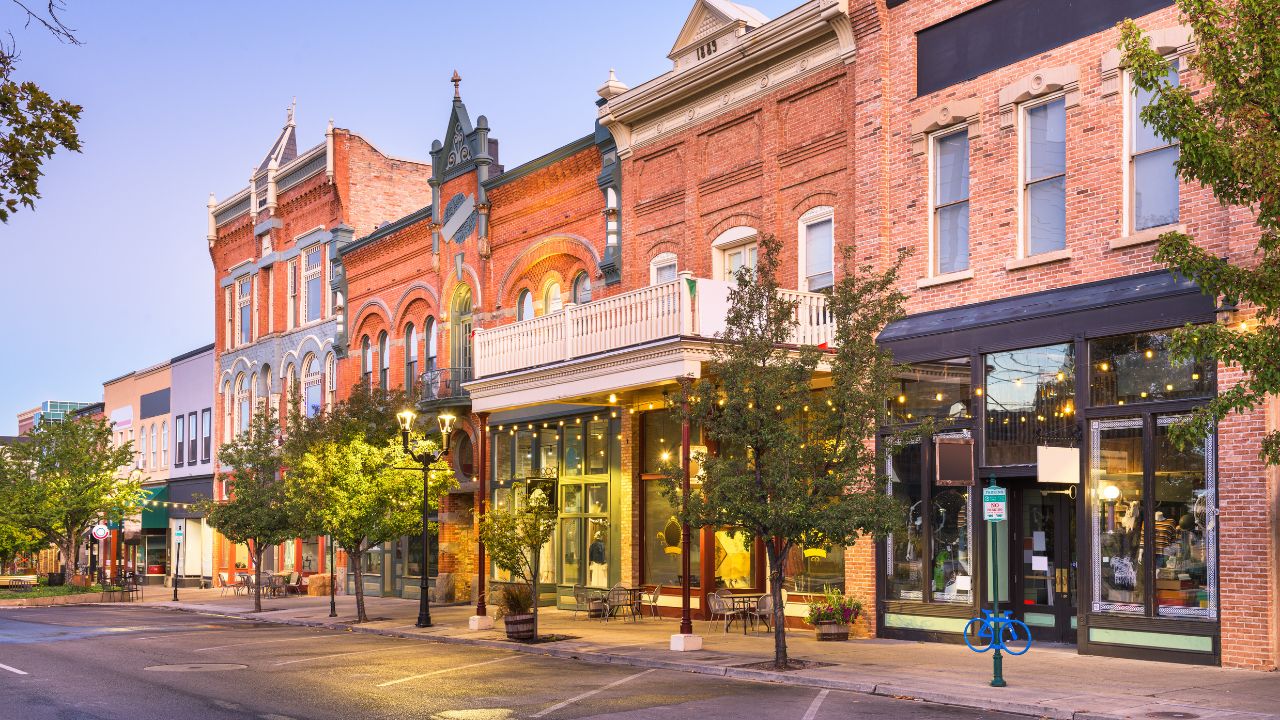
Provo’s lively downtown and close proximity to Utah Lake and the Wasatch Mountains create a mix of outdoor adventure and city amenities that make it feel both energetic and affordable. Local breweries, independent restaurants, and music venues give downtown Provo a vibrant social scene that belies its relatively small size. The downtown area hosts community events, art walks, and cultural gatherings that provide big-city feel without steep admission fees. Outdoor recreation, including hiking, biking, and water activities, is easily accessible and budget-friendly, enhancing overall quality of life for residents and visitors alike.
Despite its growing popularity, Provo retains a sense of local identity, where long-time residents, students, and visitors mingle seamlessly in cafes, parks, and public spaces. The city’s housing and rental market remains more affordable than larger West Coast metros, making it attractive for long-term stays. Public transport and bike-friendly streets reduce reliance on personal cars. Provo demonstrates how scenic surroundings and urban amenities can coexist on a modest budget.
Little Rock, Arkansas
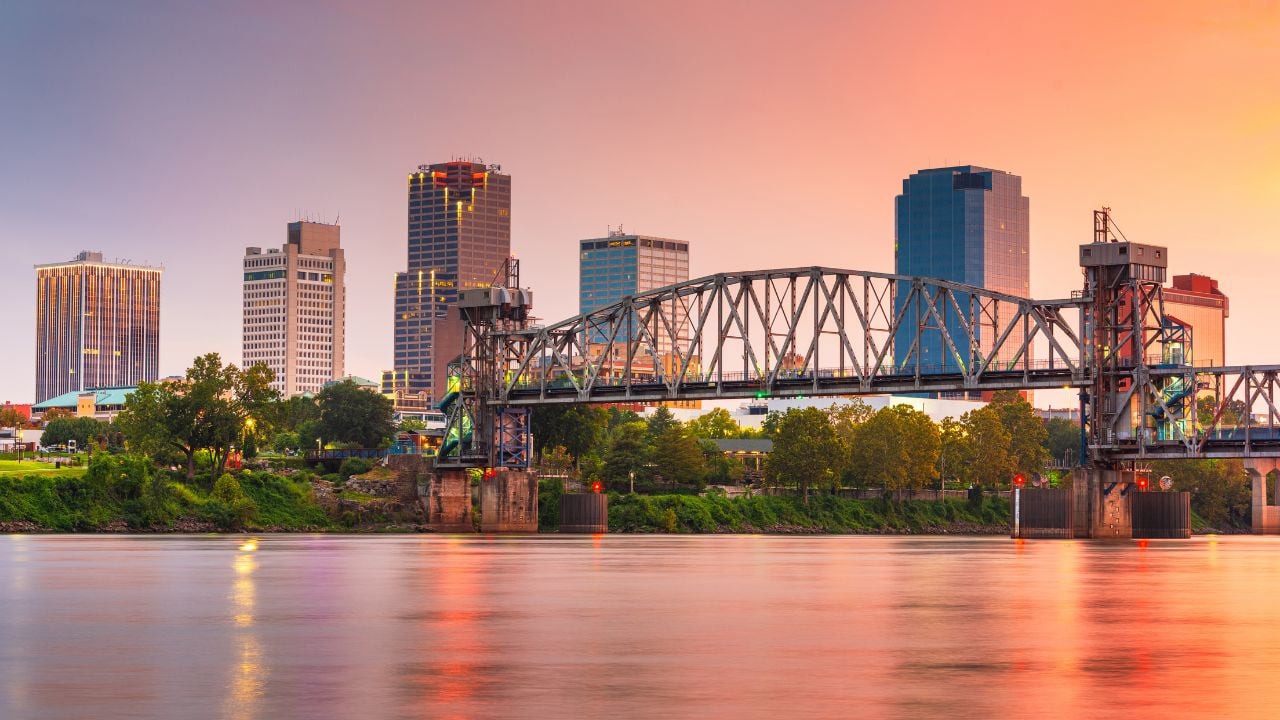
Little Rock has emerged as an affordable Southern capital with an urban core featuring historic districts, arts venues, and cultural institutions that feel vibrant and dynamic. The River Market District offers restaurants, shops, and event spaces that make downtown exploration engaging without premium prices. Museums, theaters, and galleries present diverse programming throughout the year that often includes low-cost or free admission. Parks and scenic riverfront trails provide relaxing outdoor experiences without added expense.
The cost of living in Little Rock remains below national averages, with housing and food costs contributing to its overall affordability. Neighborhoods throughout the city each offer distinct character and community energy. The city’s cultural calendar includes festivals, live music, and public art that enrich daily life. Little Rock proves that a capital city can offer big-city amenities on a small-city budget.
Reno, Nevada

Reno’s revitalized downtown blends arts, culture, and entertainment, creating a vibrant city environment that feels larger than its population suggests. Galleries, performance spaces, and creative districts provide regular cultural programming that keeps the city lively year-round. Outdoor concerts, brewery festivals, and community markets add to the urban buzz without requiring hefty price tags. Its location near Lake Tahoe also enhances recreational opportunities that feel upscale but can be enjoyed affordably with careful planning.
Housing and rental costs in Reno remain more accessible than in neighboring California metro areas, making extended visits or relocation more financially feasible. The city’s investment in public spaces, trails, and arts infrastructure encourages both residents and visitors to engage with the city on foot. Local food scenes and independent shops provide unique experiences. Reno demonstrates that small cities can sustain dynamic cultural life without major metropolitan budgets.
Durham, North Carolina
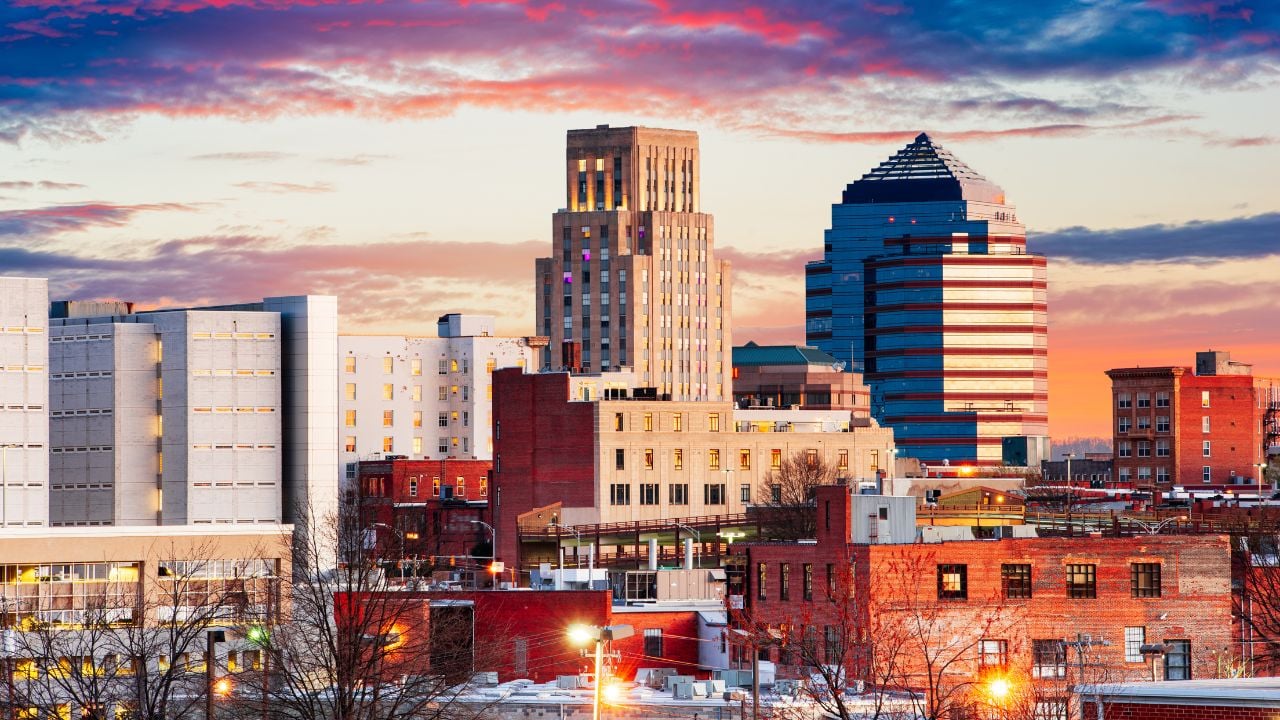
Durham’s transformation into a creative and culinary hub has given it an urban energy that rivals larger cities while maintaining affordability that appeals to both residents and visitors. The city’s downtown and historic warehouse districts are now home to innovative restaurants, craft breweries, and galleries that draw crowds without sky-high costs. Duke University’s presence contributes academic vitality and cultural programming, from lectures to music events that often accommodate public participation at low or no cost. Community festivals and neighborhood events further reinforce Durham’s energetic spirit without demanding premium admission fees.
Despite its growth, Durham retains a distinct local identity, where independent shops and eateries thrive alongside historic buildings and tree-lined streets. Affordable housing and a modest cost of living make long-term stays more feasible compared to coastal cities. Public transportation options and walkable districts enhance overall accessibility. Durham shows how revitalization and cultural vibrancy can coexist with budget-friendly living.
Santa Fe, New Mexico
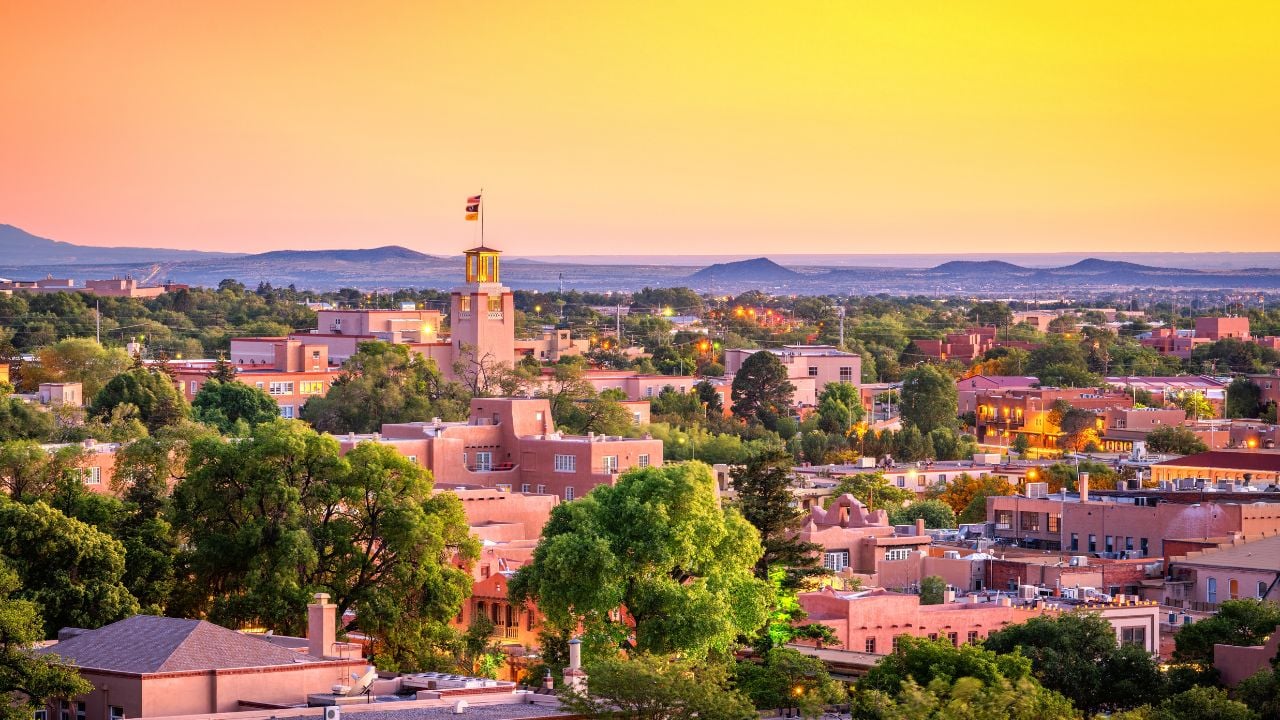
Santa Fe combines centuries-old adobe architecture with a thriving arts and culture scene that feels bold and sophisticated, yet is surprisingly accessible for budget travelers and residents who choose local experiences over luxury tourism. The city’s galleries, museums, and historic plazas offer countless opportunities for cultural engagement without premium prices, especially through frequent community events and open galleries. Outdoor markets, music festivals, and public performances further animate the city while keeping entertainment costs manageable. Historic churches, walking tours, and scenic desert landscapes create a rich and immersive urban environment that feels far broader than Santa Fe’s population size.
Despite Santa Fe’s reputation as an arts capital, the cost of living remains lower than larger cultural metros, especially in terms of housing and everyday expenses. Local eateries and markets provide creative and affordable food options rooted in regional flavors. Public plazas and parks serve as gathering places that require no admission fee. Santa Fe proves that historic beauty, cultural richness, and urban energy can thrive together without imposing big-city budgets.
Lawrence, Kansas
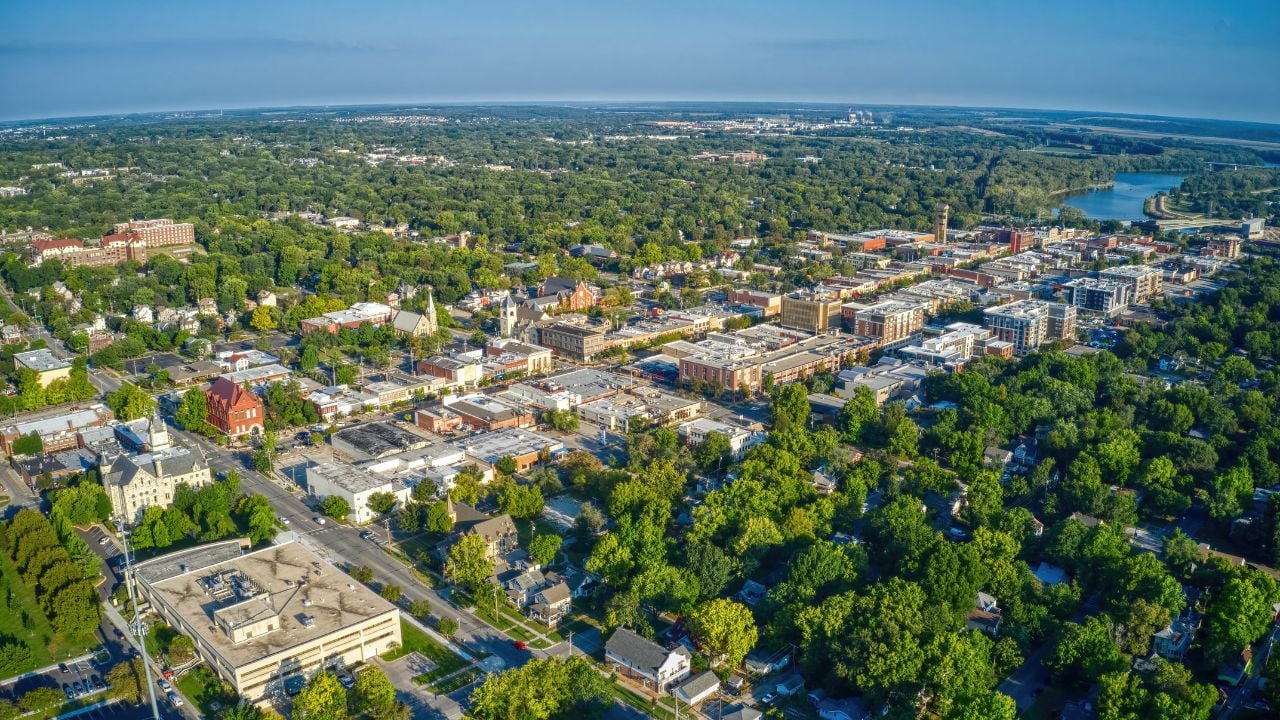
Lawrence’s vibrant college-town energy, anchored by the University of Kansas, infuses its downtown with music venues, independent bookstores, cafés, and local shops that give the city a dynamic personality that feels larger than its population suggests. Frequent live performances, art walks, and culinary events create a cultural calendar that keeps residents and visitors engaged year-round without requiring costly tickets or tours. The historic east-west corridor and riverfront areas provide scenic and walkable spaces for exploration at no or minimal cost. With a strong local identity and community ethos, Lawrence blends affordability with creative energy typically associated with bigger cities.
Housing and rental markets in Lawrence remain more accessible than in many coastal or major metropolitan regions, making relocation and long-term stays more attainable for a wide range of residents. Public transportation and walkable neighborhoods reduce reliance on cars. Seasonal festivals and community gatherings reinforce civic pride. Lawrence demonstrates that small cities can sustain urban vibrancy while keeping costs down.
Ann Arbor, Michigan

Ann Arbor merges college-town liveliness with cultural amenities, independent retailers, and restaurants that provide an urban experience without excessive cost pressures. Home to the University of Michigan, the city has a vibrant cultural scene with music, theater, film festivals, and public lectures that often accommodate broad community participation at low or no entrance cost. The city’s downtown features parks, art galleries, and eclectic eateries that appeal to both residents and visitors without imposing high price demands. Seasonal markets, community events, and walkable districts further enhance the city’s lively atmosphere without adding financial strain.
Despite regional cost increases, Ann Arbor maintains a level of affordability that keeps everyday life within reach for many while still providing big-city vibes. Housing options range from apartments to historic homes that remain more accessible than in many larger urban centers. Public transit and bicycling infrastructure support efficient and inexpensive travel within the city. Ann Arbor proves that small cities can deliver cultural vibrancy and urban amenities without big-city budgets.
Roanoke, Virginia
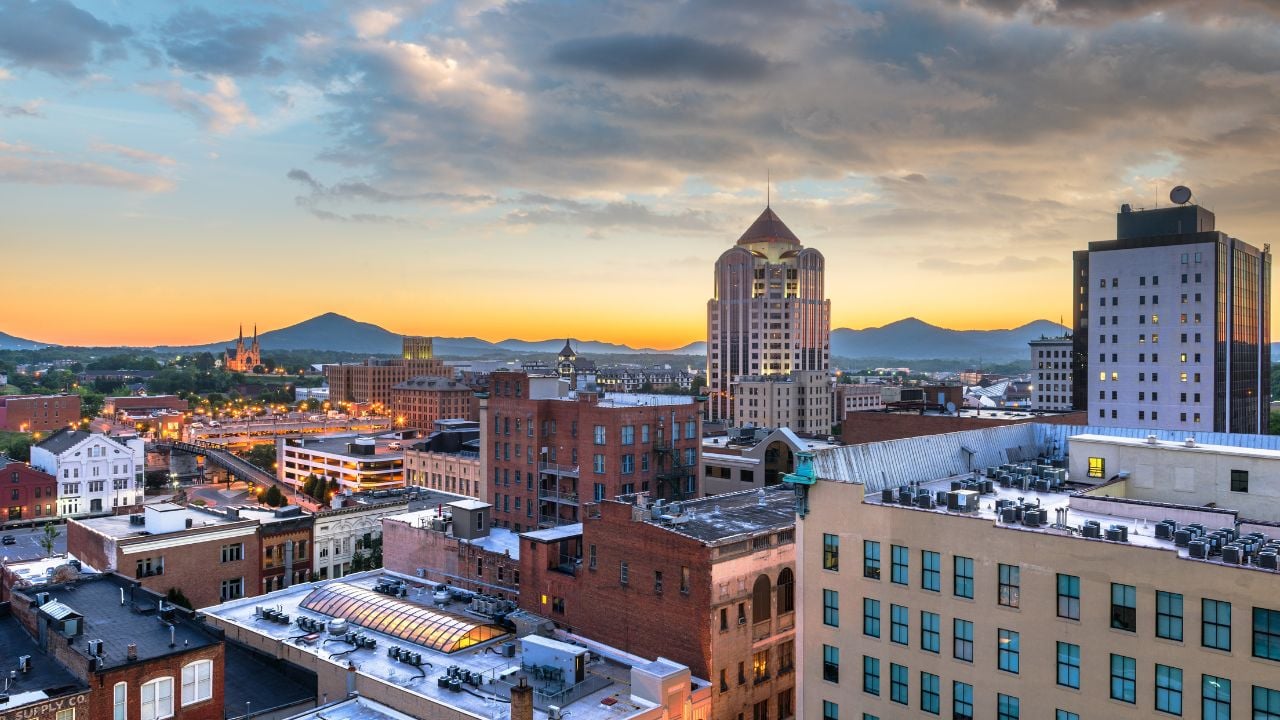
Roanoke combines Appalachian scenery with a revitalized downtown that feels far more energetic than its size suggests. Historic buildings have been transformed into restaurants, breweries, and cultural venues that give the city a creative and contemporary feel. The city’s walkable core hosts frequent festivals, outdoor concerts, and markets that add constant activity without high costs. Surrounded by mountains, Roanoke blends outdoor adventure with urban life in a way that feels both dynamic and accessible.
Housing and everyday expenses remain well below those of larger East Coast cities, making Roanoke especially attractive to budget-conscious travelers and remote workers. Public spaces and greenways encourage exploration without spending money. The local arts scene continues to grow through community-driven initiatives. Roanoke proves that natural beauty and big-city energy can coexist affordably.
Spokane, Washington

Spokane delivers an impressive urban experience anchored by a dramatic riverfront, historic neighborhoods, and a growing arts and food scene. The city’s downtown features galleries, theaters, and music venues that create cultural density typically associated with much larger cities. Riverfront Park, with its waterfalls and walking paths, provides a striking central gathering space that is completely free to enjoy. This combination of scenery and culture gives Spokane an unexpectedly metropolitan feel.
Despite its West Coast location, Spokane remains far more affordable than cities like Seattle or Portland. Housing, dining, and entertainment costs stay within reach for many visitors and residents. Public transit and bike-friendly infrastructure reduce transportation expenses. Spokane offers a compelling alternative for those seeking urban energy without coastal price tags.
Mobile, Alabama
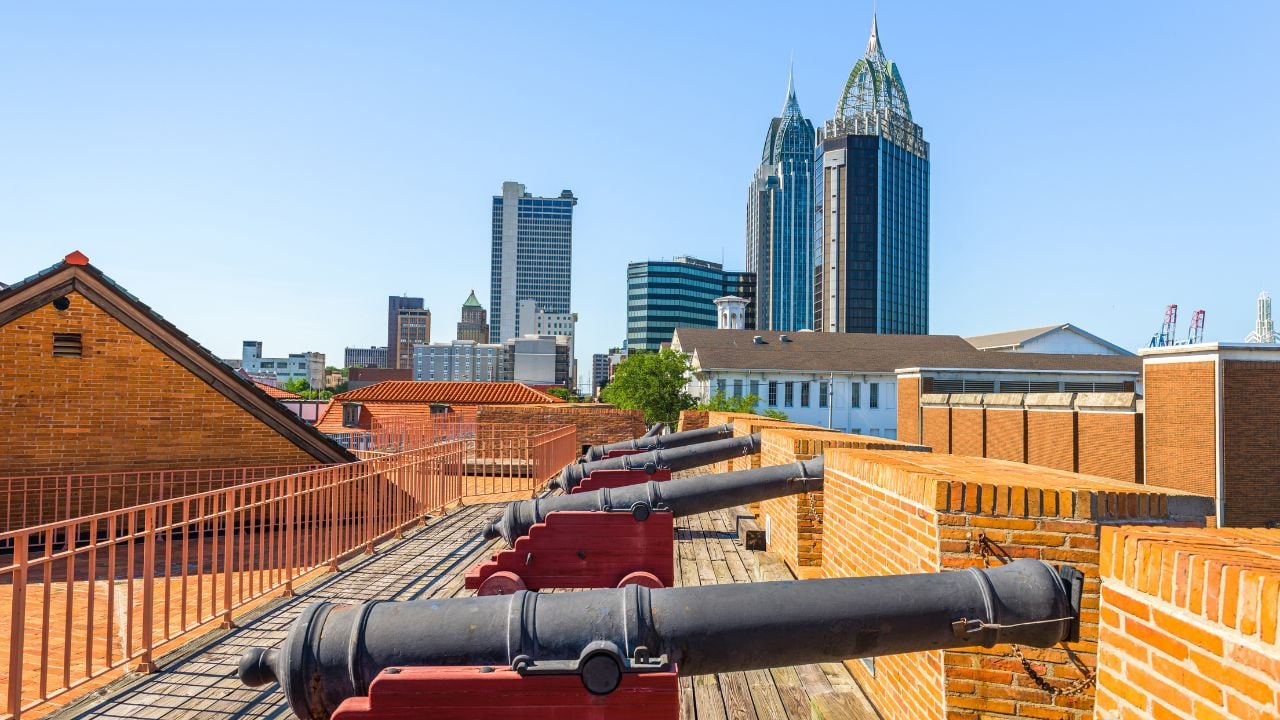
Mobile’s layered history and Gulf Coast location give it a cultural depth that feels far grander than its population size. The city’s downtown features historic architecture, museums, live music venues, and a strong culinary scene rooted in Creole and Southern traditions. Festivals, parades, and waterfront events create a lively social calendar that rivals larger Southern cities. Unlike more famous destinations, Mobile’s experiences remain accessible and affordable.
The cost of living in Mobile stays comfortably below national averages, making extended stays financially realistic. Historic neighborhoods offer charm without inflated prices. Public events and cultural institutions often provide free or low-cost programming. Mobile delivers big-city culture wrapped in a smaller, more affordable package.
Fort Collins, Colorado

Fort Collins offers a blend of outdoor lifestyle, craft beer culture, and a vibrant downtown that feels far more expansive than expected. The city’s Old Town district is filled with restaurants, music venues, and shops that create constant activity throughout the year. Colorado State University adds youthful energy and cultural programming that enhances the urban atmosphere. Easy access to hiking trails and open spaces keeps recreation affordable and integrated into daily life.
While Colorado is known for high costs, Fort Collins remains more affordable than Denver or Boulder. Transportation is easy through bike paths and walkable neighborhoods. Community events and festivals add to the city’s appeal without excessive expense. Fort Collins proves that a high-quality, urban-adjacent lifestyle doesn’t have to come with a high price tag.
New Haven, Connecticut
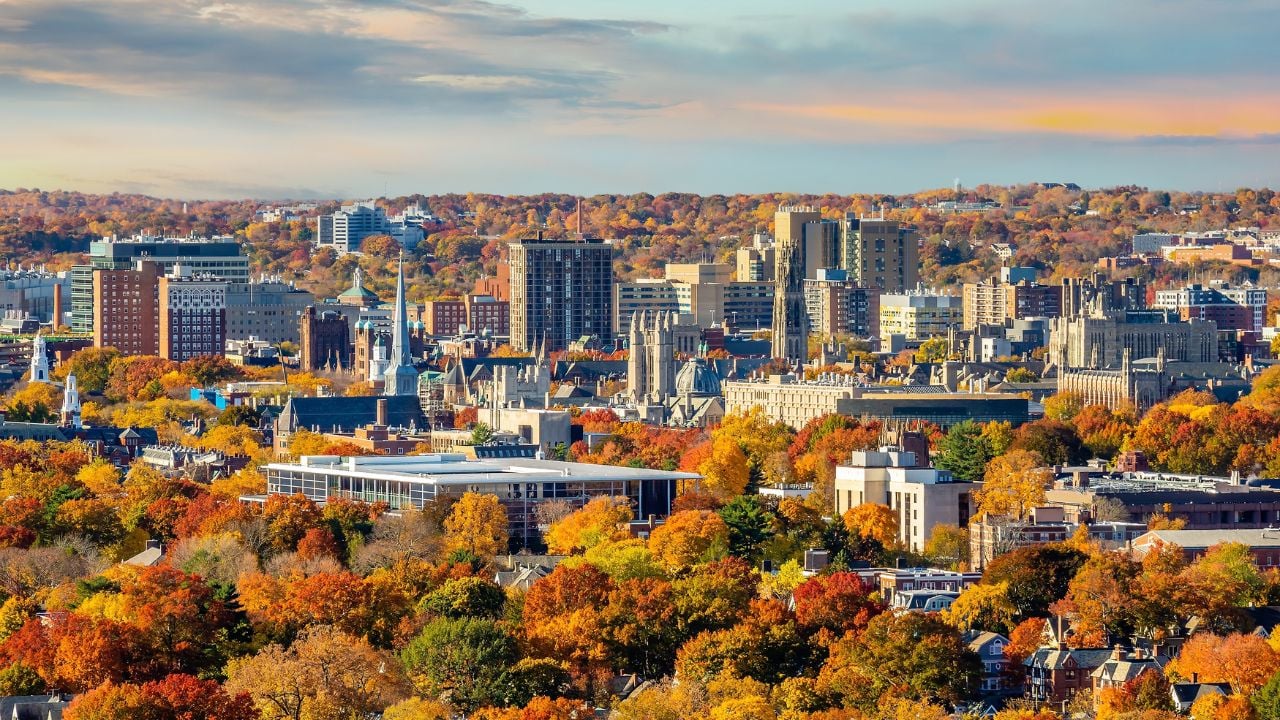
New Haven punches far above its weight culturally, offering world-class museums, music venues, and dining options anchored by Yale University. The city’s historic campus, theaters, and galleries create an intellectual and artistic energy comparable to much larger Northeastern cities. Public lectures, performances, and exhibitions are frequently available at little or no cost. This constant flow of cultural activity gives New Haven a distinctly big-city feel.
Despite its prestige, New Haven remains more affordable than nearby cities like New York or Boston. Neighborhoods outside the immediate campus area offer reasonable housing and dining options. Public transportation and walkability make getting around inexpensive. New Haven delivers sophistication and cultural richness without overwhelming budgets.16. Roanoke, Virginia
Roanoke combines Appalachian scenery with a revitalized downtown that feels far more energetic than its size suggests. Historic buildings have been transformed into restaurants, breweries, and cultural venues that give the city a creative and contemporary feel. The city’s walkable core hosts frequent festivals, outdoor concerts, and markets that add constant activity without high costs. Surrounded by mountains, Roanoke blends outdoor adventure with urban life in a way that feels both dynamic and accessible.
Housing and everyday expenses remain well below those of larger East Coast cities, making Roanoke especially attractive to budget-conscious travelers and remote workers. Public spaces and greenways encourage exploration without spending money. The local arts scene continues to grow through community-driven initiatives. Roanoke proves that natural beauty and big-city energy can coexist affordably.