Europe’s most celebrated cities have become victims of their own success, with Rome’s Colosseum drowning in selfie sticks, Paris charging $8 for coffee near the Eiffel Tower, and Amsterdam’s canals clogged with tour groups. While millions of travelers fight crowds and pay premium prices for diminished experiences, savvy explorers are discovering European gems that deliver superior architecture, richer culture, and authentic local life at prices that make the famous destinations look absurdly overpriced. These 13 cities prove that Europe’s best experiences often hide in plain sight, waiting for travelers willing to venture beyond the obvious.
Porto, Portugal

Porto delivers everything that makes Lisbon famous, stunning azulejo tiles, historic architecture, and exceptional Portuguese culture, while maintaining authenticity and affordability that the capital has largely lost to tourism. The UNESCO World Heritage old town rivals any European city center for beauty, while accommodation costs average 40-50% less than comparable Lisbon properties.
The city’s port wine cellars in Vila Nova de Gaia provide world-class tasting experiences for €10-15, while Lisbon’s tourist-focused wine bars charge double for inferior selections. Porto’s traditional tasca restaurants serve exceptional Portuguese cuisine for €12-18 per person, compared to Lisbon’s inflated tourist menus starting at €25-30.
The Livraria Lello bookstore, one of the world’s most beautiful libraries, operates in a working neighborhood rather than a tourist district, creating authentic cultural experiences impossible in Lisbon’s commercialized historic center. Porto’s azulejo-decorated São Bento Station provides Instagram-worthy visuals without the crowds that plague Lisbon’s similar attractions.
Local life continues authentically in Porto’s neighborhoods, where residents still shop at traditional markets, drink coffee at neighborhood cafes, and maintain community relationships that tourism hasn’t disrupted. This authentic urban atmosphere, combined with dramatic cost savings, creates superior Portuguese experiences.
Krakow, Poland

Krakow preserves one of Europe’s most stunning medieval city centers while avoiding the overcrowding and commercialization that has transformed Prague into a tourist theme park. The Main Market Square rivals Prague’s Old Town Square for architectural beauty while maintaining reasonable prices for dining, accommodation, and cultural attractions.
Polish cuisine in Krakow costs a fraction of Prague’s inflated restaurant prices, with exceptional pierogi, kielbasa, and traditional dishes available for €6-12 per meal compared to Prague’s €20-25 tourist restaurant pricing. Local beer costs €2-3 compared to Prague’s €5-8 tourist area prices.
Wawel Castle provides royal history and stunning architecture comparable to Prague Castle without the overwhelming crowds and long queues that define the Prague experience. Krakow’s Jewish Quarter (Kazimierz) offers authentic cultural heritage sites and excellent restaurants in a living neighborhood rather than a tourist recreation.
The city’s proximity to Auschwitz-Birkenau provides profound historical experiences, while the nearby Wieliczka Salt Mine offers underground wonders that surpass many famous European attractions. These day trip opportunities, combined with Krakow’s affordable base costs, create comprehensive Central European experiences at budget-friendly prices.
Lyon, France
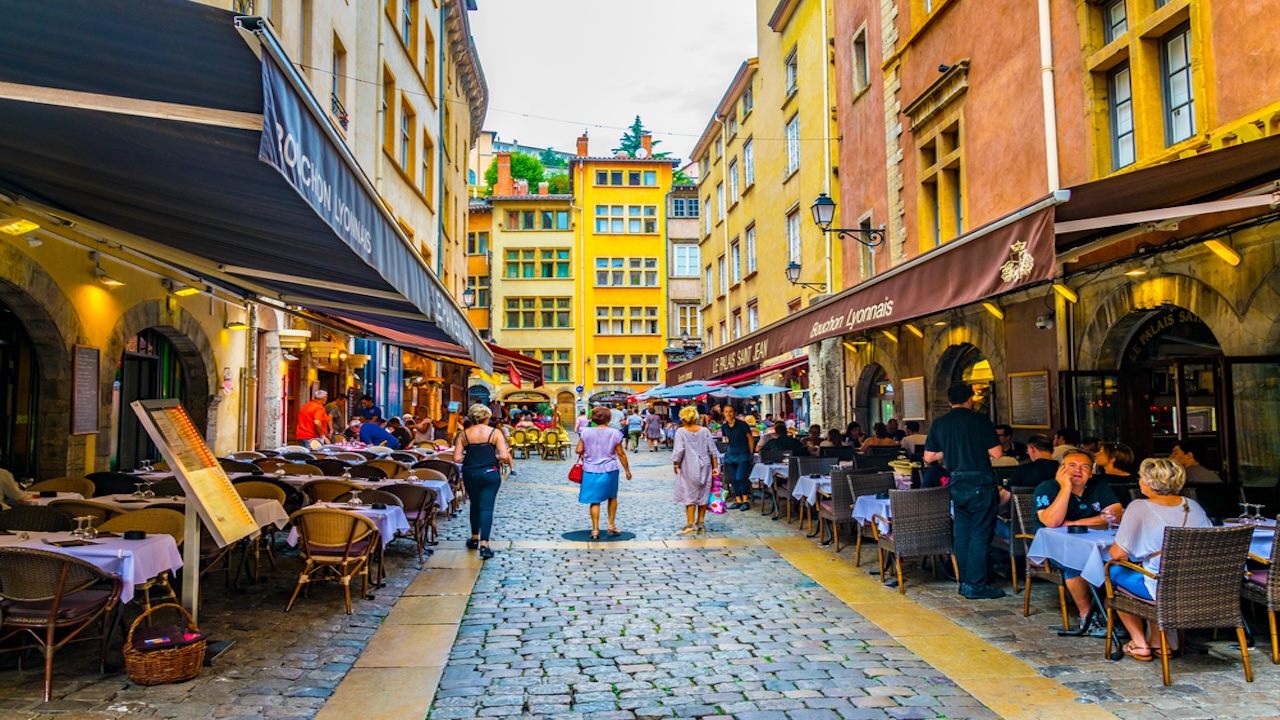
Lyon offers France’s finest culinary experiences and stunning architecture while maintaining prices and authenticity that Paris has lost to commercialization. As France’s gastronomic capital, Lyon’s restaurants deliver superior French cuisine at costs averaging 40-60% below comparable Paris establishments.
Traditional bouchons (Lyon taverns) serve authentic Lyonnaise cuisine for €15-25 per person, while similar quality meals in Paris start at €35-50. Lyon’s markets, including Les Halles de Lyon, offer exceptional French products at prices that reflect actual costs rather than tourist premiums.
The city’s UNESCO World Heritage Renaissance district provides architectural beauty comparable to Paris’s historic neighborhoods without the overwhelming crowds and commercialization. Traboules (hidden passageways) offer unique exploration opportunities impossible in Paris’s more famous but overcrowded districts.
Lyon’s opera, museums, and cultural venues operate at world-class standards while maintaining reasonable ticket prices and manageable crowds. The city’s location enables easy access to Beaujolais wine regions and Alpine destinations, creating comprehensive French experiences centered on authentic rather than touristy attractions.
Bruges, Belgium

Bruges delivers canal-side beauty and medieval charm that rivals Venice while maintaining manageable crowds and reasonable prices that make the Italian city look overpriced and overcrowded. The Belgian city’s UNESCO World Heritage center offers romantic canal walks, historic architecture, and authentic local culture without Venice’s overwhelming tourist pressure.
Belgian chocolate and beer in Bruges represent authentic local specialties at reasonable prices, while Venice’s limited culinary offerings cost premium rates for often mediocre quality. Traditional Belgian restaurants serve excellent local dishes for €18-28 per person, compared to Venice’s €40-60 tourist restaurant pricing.
Bruges’ medieval architecture and canal views provide photo opportunities and romantic experiences without the crowds that make Venice photography and relaxation nearly impossible during peak seasons. The city’s compact size allows thorough exploration on foot, while Venice’s complexity and crowds create navigation challenges.
Local lace making, brewery tours, and chocolate workshops offer authentic cultural experiences that connect visitors to traditional Belgian crafts, while Venice’s attractions have become largely commercial operations focused on tourist revenue rather than cultural preservation.
Ghent, Belgium

Ghent combines medieval architecture, vibrant university culture, and exceptional Belgian cuisine while remaining largely overlooked by tourists who flock to nearby Brussels and Antwerp. The city’s preserved medieval center rivals any European destination for architectural beauty while maintaining authentic local character.
The Gravensteen castle provides medieval history experiences comparable to famous European castles while charging reasonable admission fees and offering manageable crowds. Ghent’s cathedral houses the famous Ghent Altarpiece without the overwhelming tourist pressure that affects similar artistic treasures in more famous cities.
University life keeps Ghent vibrant and affordable, with student-friendly restaurants and bars offering excellent value alongside sophisticated cultural venues. The city’s combination of historical significance and contemporary energy creates dynamic experiences unavailable in museum-piece historic cities.
Local Belgian specialties including waterzooi (traditional stew) and exceptional beers cost significantly less than in Brussels while maintaining superior quality and authentic preparation. Ghent’s markets and local festivals provide genuine cultural immersion opportunities.
Salzburg, Austria

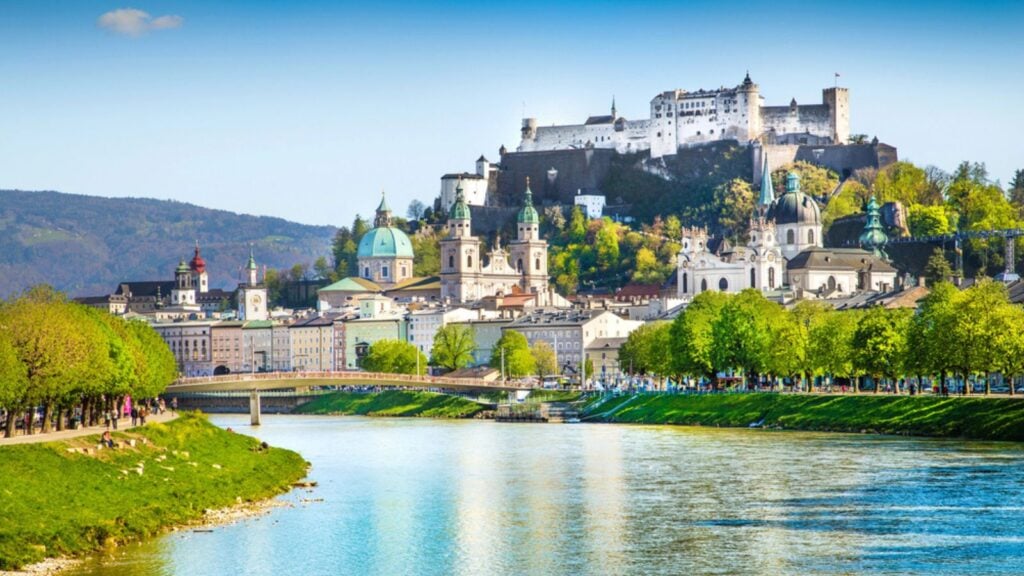
Salzburg delivers Austrian classical music heritage, baroque architecture, and Alpine beauty while avoiding Vienna’s crowds and inflated costs. Mozart’s birthplace offers world-class cultural experiences in a compact, walkable city surrounded by stunning mountain scenery.
The city’s classical music venues and festivals provide authentic Austrian cultural experiences at ticket prices well below Vienna’s tourist-oriented concert halls. Traditional Austrian restaurants serve exceptional local cuisine for €15-22 per meal, compared to Vienna’s €25-40 tourist district pricing.
Salzburg’s old town provides architectural beauty and historical significance comparable to Vienna’s most famous districts while maintaining small-town charm and manageable visitor numbers. The nearby Lake District and Alps offer outdoor recreation opportunities impossible in urban Vienna.
Local coffee houses maintain authentic Viennese coffee culture without Vienna’s commercial tourist atmosphere, while traditional markets and neighborhood shops provide genuine Austrian shopping experiences at reasonable prices.
Lecce, Italy

Lecce showcases stunning baroque architecture and authentic southern Italian culture while avoiding Rome’s overwhelming crowds and tourist-trap pricing. Known as the “Florence of the South,” this Puglian city offers exceptional Italian experiences at costs that make Rome look outrageously expensive.
Traditional Puglian cuisine, including orecchiette pasta and fresh seafood, costs €12-20 per meal compared to Rome’s €25-40 tourist restaurant prices. Local olive oil, wine, and regional specialties provide authentic Italian culinary experiences without commercial tourist markup.
The city’s baroque churches and palazzi rival Rome’s architectural treasures while remaining accessible without advance bookings, long queues, or premium pricing. Lecce’s artisan workshops continue traditional stone carving and other crafts in working neighborhoods rather than tourist-focused demonstrations.
Southern Italian hospitality remains genuine in Lecce, where visitors experience authentic local culture through family-run accommodations, neighborhood restaurants, and community festivals that haven’t been commercialized for tourist consumption.
Heidelberg, Germany
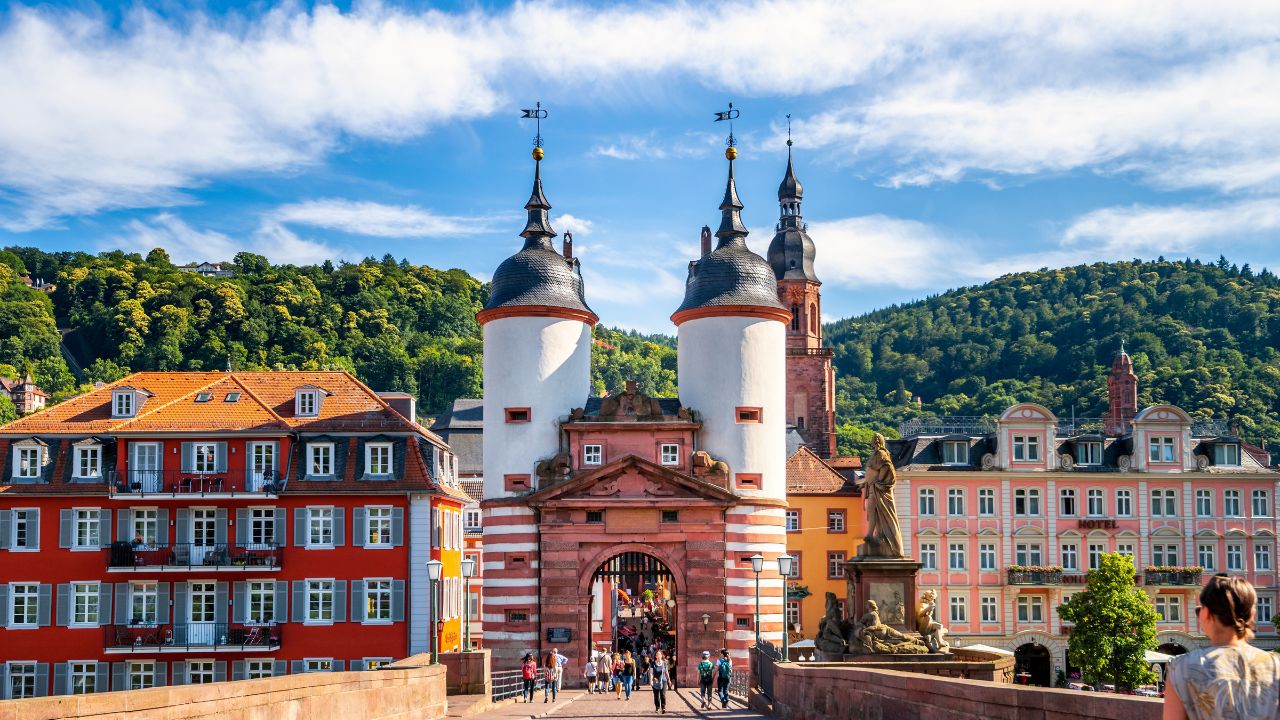
Heidelberg offers quintessential German experiences including castle ruins, university culture, and Rhine Valley beauty while maintaining authenticity and affordability that Munich has largely lost to tourism commercialization. The romantic old town and hillside castle provide classic German imagery without overwhelming crowds.
Traditional German restaurants serve authentic regional cuisine for €12-18 per meal, while Munich’s tourist-oriented establishments charge €22-35 for comparable dishes. Local beer gardens and wine taverns offer genuine German social experiences at reasonable prices.
Heidelberg University, Germany’s oldest, creates vibrant cultural atmosphere with student-friendly pricing for accommodations, dining, and entertainment. The city’s intellectual heritage and beautiful setting attract visitors interested in authentic German culture rather than tourist spectacles.
The nearby Rhine Valley provides wine tasting and scenic beauty easily accessible from Heidelberg, while Munich requires expensive day trips to reach similar Alpine or cultural destinations. This geographic advantage enhances Heidelberg’s value proposition for comprehensive German experiences.
Ljubljana, Slovenia

Ljubljana delivers Central European charm, excellent culinary scenes, and affordable luxury while remaining largely undiscovered by mass tourism. This compact capital offers architectural beauty, vibrant cultural life, and stunning natural surroundings at prices that make famous Central European capitals look overpriced.
Slovenian cuisine blends Italian, Austrian, and Balkan influences in restaurants charging €10-18 per meal for exceptional quality, while comparable dishes in Vienna or Prague cost €20-35. Local wines from nearby regions provide excellent value compared to famous European wine destinations.
Ljubljana’s old town and castle provide historical experiences comparable to more famous Central European cities while maintaining authentic local character. The nearby Alps, Mediterranean coast, and Lake Bled create diverse day trip opportunities from an affordable urban base.
Environmental consciousness and sustainable tourism practices keep Ljubljana authentic while providing modern amenities. The city’s commitment to green transportation and local food systems creates experiences that emphasize quality of life over tourist consumption.
Fez, Morocco
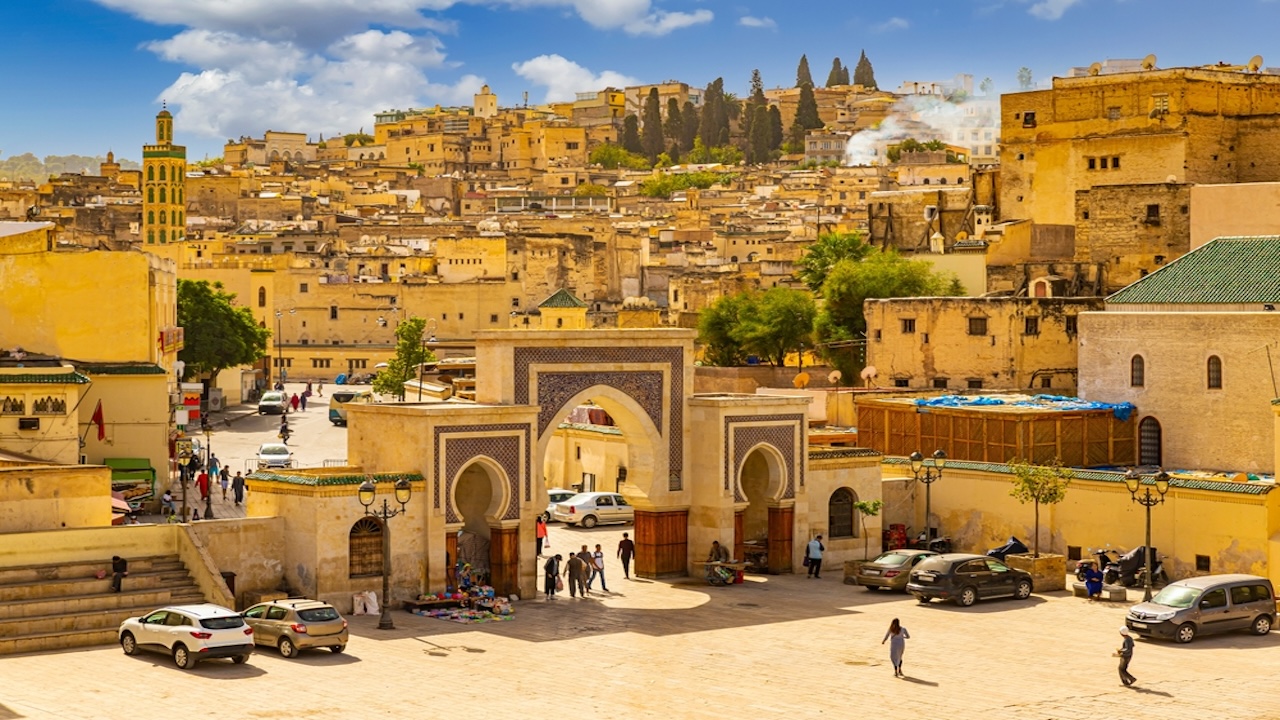
Fez preserves authentic Moroccan culture and stunning Islamic architecture while avoiding the commercialization and tourist saturation that has transformed Marrakech into a tourist theme park. The UNESCO World Heritage medina provides genuine medieval experiences at costs that make Marrakech look overpriced.
Traditional Moroccan cuisine in Fez costs €6-12 per meal for authentic tagines, couscous, and local specialties, while Marrakech’s tourist-oriented restaurants charge €15-25 for often inferior quality. Artisan workshops in Fez continue traditional crafts for local markets rather than tourist consumption.
The medina’s narrow alleys and historic madrasas offer authentic exploration opportunities without the aggressive vendor tactics and commercial atmosphere that define the Marrakech experience. Fez’s intellectual heritage as Morocco’s spiritual capital creates cultural depth unavailable in more touristy destinations.
Traditional riads in Fez provide authentic accommodations at prices well below Marrakech’s inflated boutique hotels, while hammams and traditional services maintain local pricing rather than tourist premiums.
Tallinn, Estonia
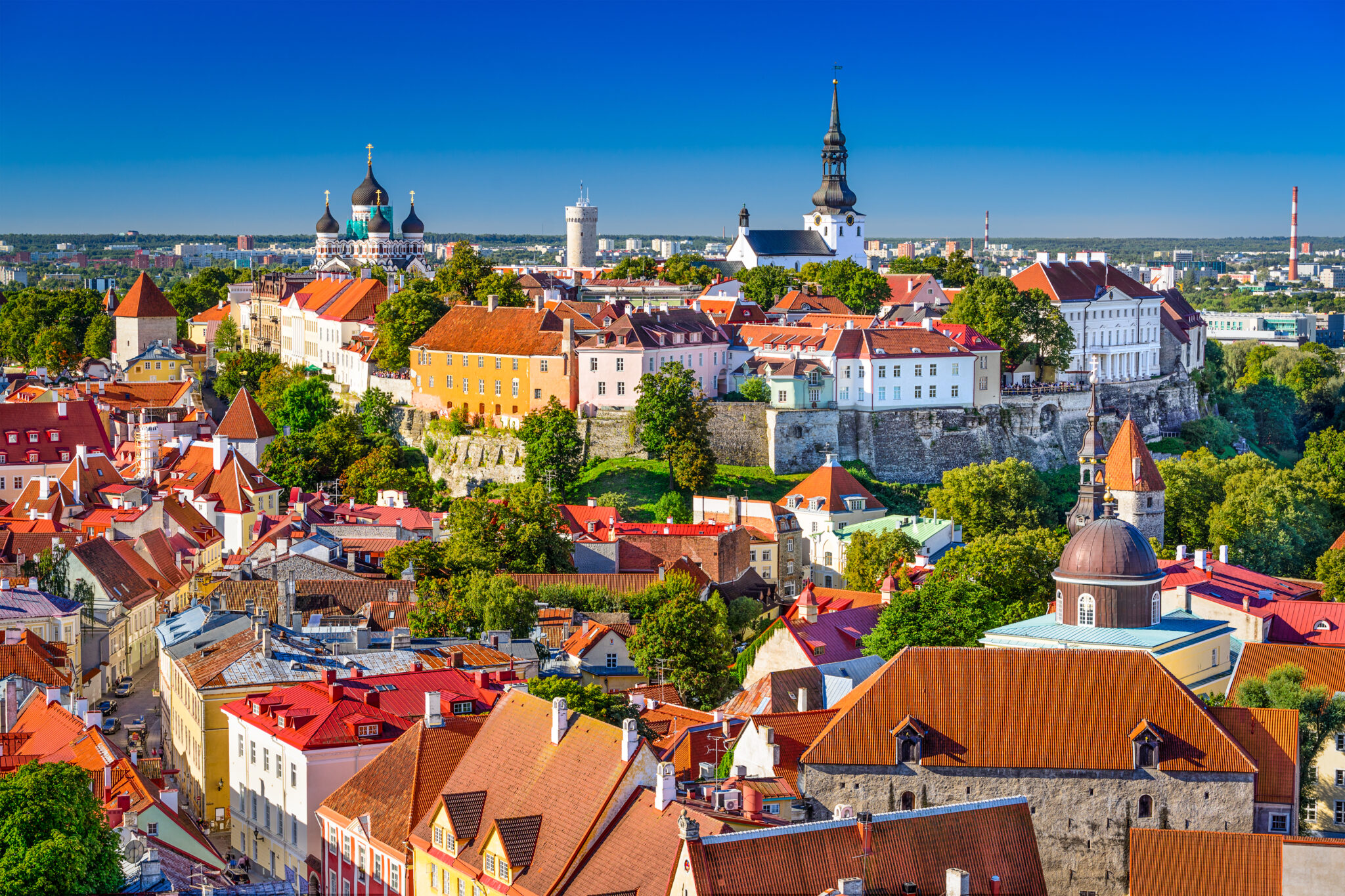
Tallinn’s UNESCO World Heritage old town provides exceptional medieval architecture and Nordic culture while maintaining affordability and authenticity that Stockholm and other Scandinavian capitals have lost to high costs and tourist commercialization.
Estonian cuisine and craft beer offer excellent value at €8-15 per meal, while Stockholm’s restaurants charge €25-40 for comparable quality. Traditional Nordic experiences including saunas and local markets operate at reasonable prices rather than premium tourist rates.
The city’s digital innovation and modern amenities complement its medieval architecture, creating unique combinations of historical and contemporary experiences. Estonia’s tech culture provides modern conveniences while preserving traditional Baltic character.
Tallinn’s location enables affordable exploration of Nordic and Baltic cultures through regional connections, while expensive Scandinavian capitals strain travel budgets without offering superior cultural experiences.
Plovdiv, Bulgaria
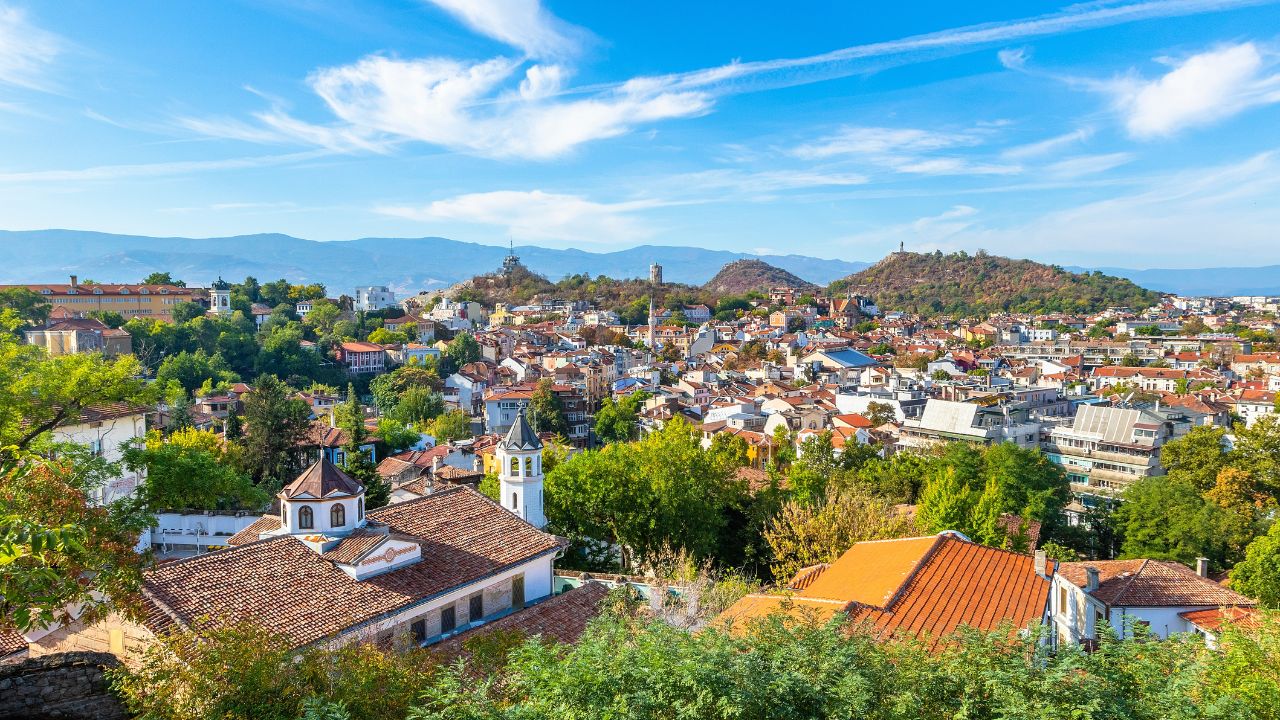
Plovdiv offers exceptional ancient Roman ruins, traditional Bulgarian culture, and stunning architecture while maintaining some of Europe’s lowest costs for accommodations, dining, and cultural attractions. This ancient city provides historical experiences comparable to Athens at prices that make Greek tourism look expensive.
Traditional Bulgarian cuisine costs €5-10 per meal for generous portions and authentic flavors, while Greek tourist restaurants charge €15-25 for often mediocre quality. Local wines from nearby regions provide excellent value compared to famous Mediterranean wine destinations.
Roman ruins, Ottoman heritage, and Bulgarian revival architecture create diverse historical experiences in a compact, walkable city center. Plovdiv’s designation as European Capital of Culture demonstrates its cultural significance while maintaining affordable access to attractions.
The nearby Rhodope Mountains provide outdoor recreation and traditional village experiences at costs that make comparable Greek island or mountain destinations look overpriced and overcrowded.
Sibiu, Romania
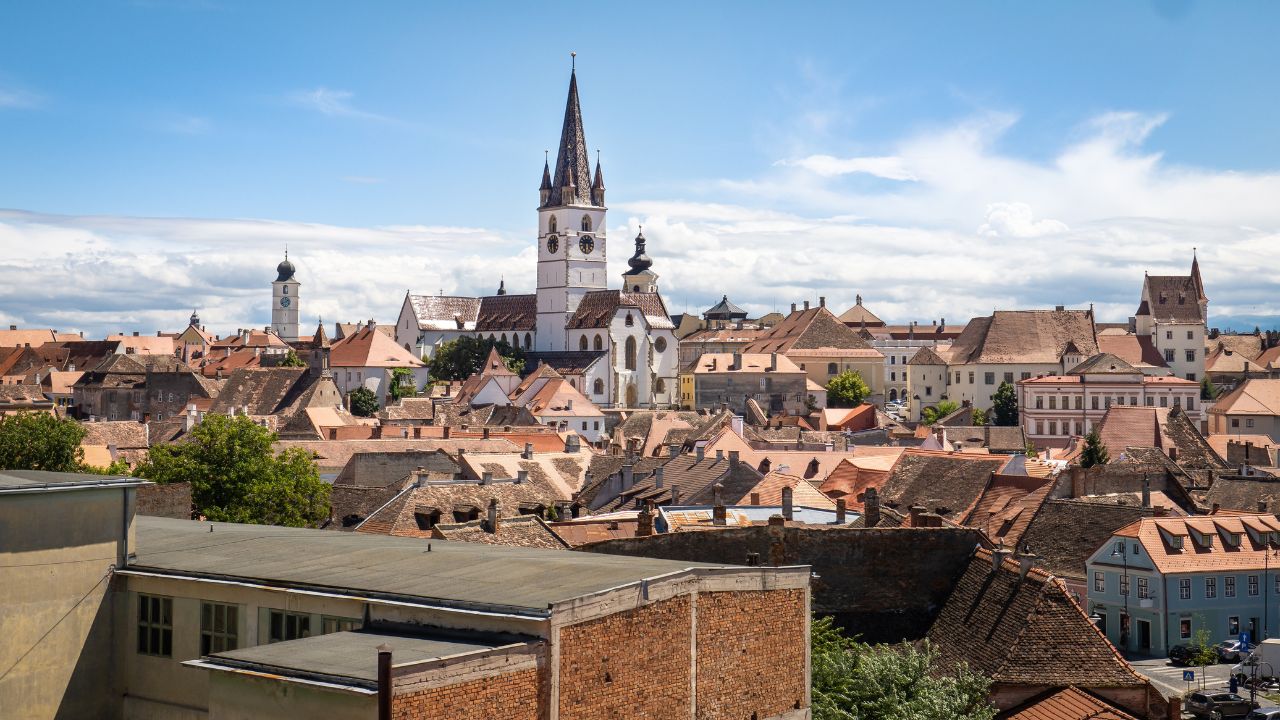
Sibiu showcases exceptional medieval architecture and authentic Eastern European culture while maintaining some of Europe’s most affordable prices for comprehensive travel experiences. This Transylvanian city provides fairy-tale beauty comparable to Prague without the crowds and commercial tourism infrastructure.
Romanian cuisine and local wines offer exceptional value at €6-12 per meal, while Czech tourist restaurants charge double for comparable quality. Traditional Romanian culture remains authentic in Sibiu rather than commercialized for tourist consumption.
The city’s German heritage and medieval squares provide unique Central European experiences, while nearby Carpathian Mountains offer outdoor recreation and traditional village visits. These diverse opportunities create comprehensive Romanian experiences at budget-friendly costs.
Sibiu’s role as European Capital of Culture highlights its cultural significance while maintaining accessibility for budget-conscious travelers seeking authentic Eastern European experiences without tourist-trap pricing and overcrowding.
The Alternative Europe Advantage
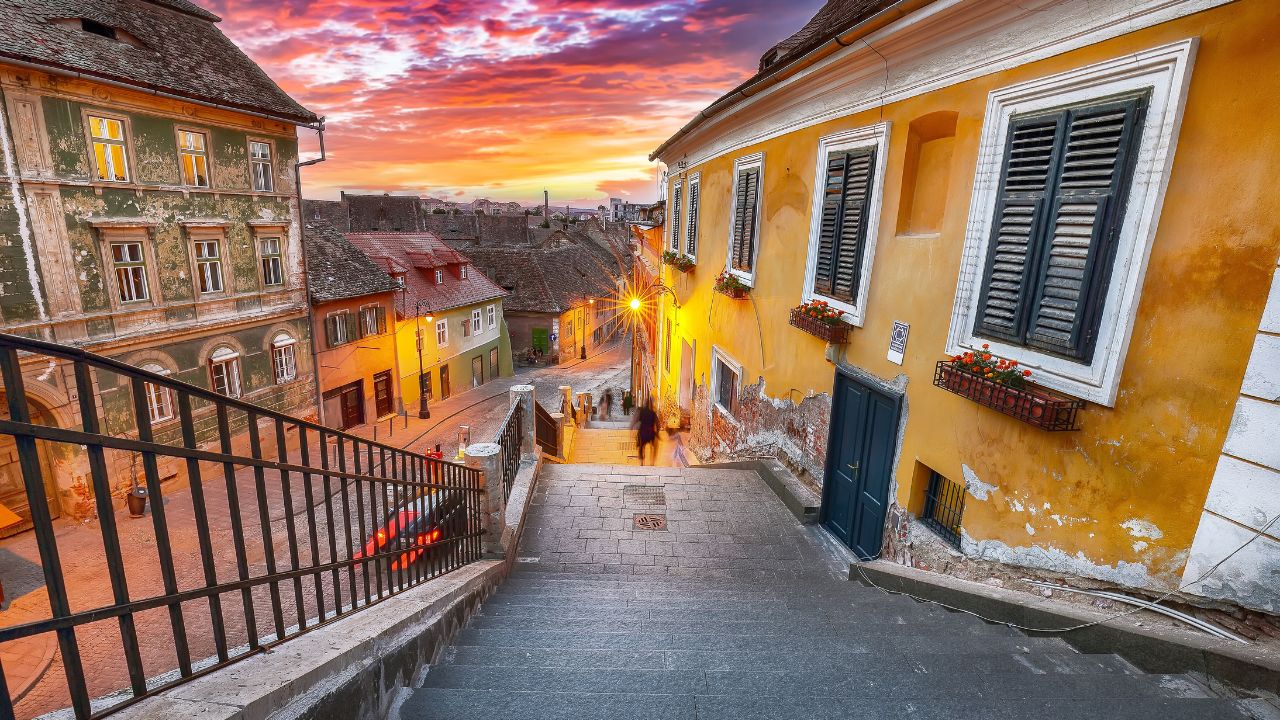
These 13 cities prove that Europe’s best experiences often exist outside the famous destinations that dominate travel marketing and social media. Each offers superior value through authentic local culture, reasonable pricing, and manageable crowds that enhance rather than detract from travel experiences.
The cost savings extend beyond accommodation and dining to include cultural attractions, transportation, and shopping opportunities that create comprehensive European experiences at prices that preserve travel budgets for extended exploration rather than brief, expensive visits to famous cities.
Most importantly, these destinations provide authentic European culture through genuine local interactions, traditional markets, neighborhood restaurants, and community festivals that tourism hasn’t commercialized. For travelers seeking real European experiences rather than Instagram opportunities, these cities deliver superior value and memorable encounters that famous destinations can no longer match.