Italy is still one of the most beautiful countries on Earth, but its most famous cities often feel overwhelmed by their own popularity. Rome and Florence remain stunning, yet endless lines, packed piazzas, and streets dominated by tour groups can drain the joy out of even the most anticipated trip. For many travelers, the dream of slow espresso mornings and peaceful evening walks gets lost in the noise.
What’s often forgotten is that Italy’s true magic stretches far beyond its headline destinations. Across the country are cities just as rich in history, food, and atmosphere, but far less crowded. These places offer a version of Italy where daily life still comes first, beauty feels natural, and visitors are welcomed rather than processed.
Bologna

Bologna feels deeply authentic, a city where history and everyday life exist side by side. Its medieval center is famous for miles of porticoes that shade the streets, creating an atmosphere that encourages wandering rather than rushing. The buildings are worn in a beautiful way, shaped by centuries of real use rather than preservation for show.
Food in Bologna isn’t designed for visitors, it’s designed for locals who care deeply about tradition. This is the birthplace of tagliatelle al ragù and tortellini, and the difference is immediately obvious. Meals are generous, unpretentious, and affordable, with markets and trattorias buzzing with real daily activity.
What sets Bologna apart is balance. It’s lively without being chaotic, cultural without being overwhelming. Museums, churches, and historic towers are easy to enjoy, and the city never feels like it’s competing for your attention.
Lecce

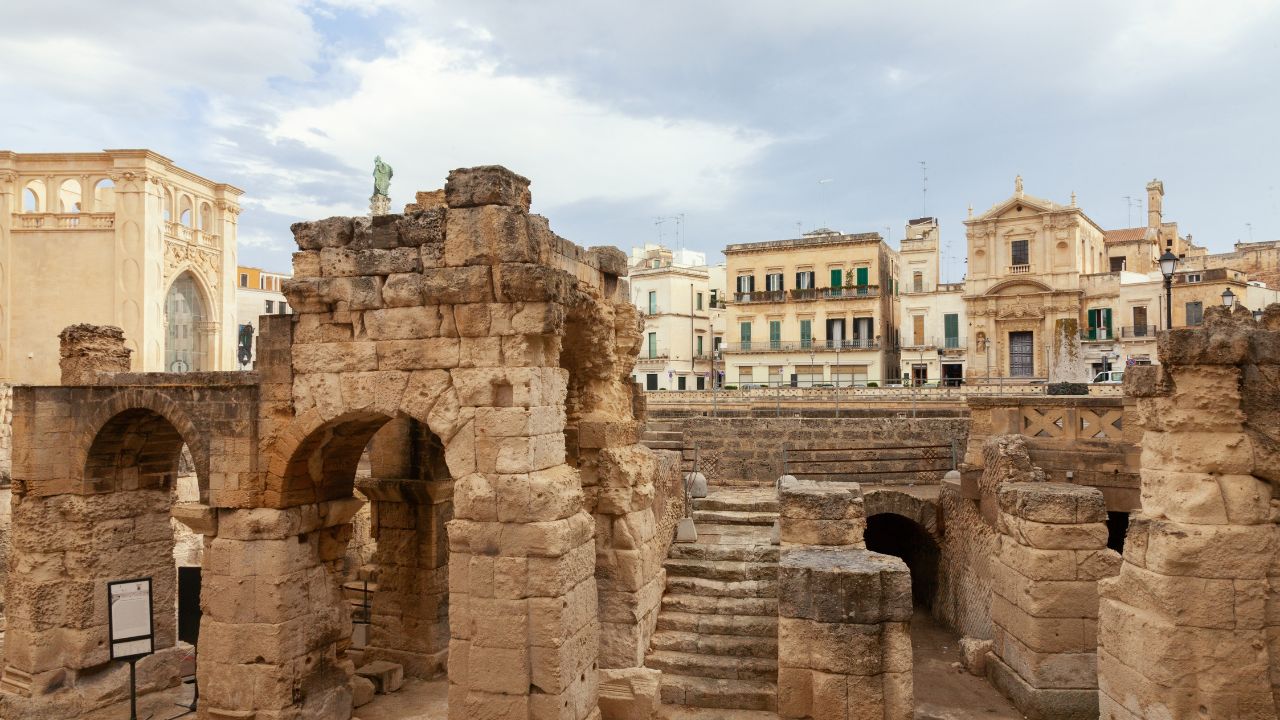
Lecce is visually breathtaking, yet remarkably calm. Its Baroque architecture glows in warm tones, turning even quiet side streets into works of art. Unlike Florence, where beauty is often surrounded by crowds, Lecce’s elegance feels spacious and unforced.
Life here moves at a southern rhythm. Afternoons slow down, conversations linger, and evenings revolve around strolling and socializing rather than schedules. Cafés and restaurants cater to locals first, keeping prices reasonable and experiences genuine.
Lecce also benefits from its surroundings. Olive groves, small villages, and two coastlines sit nearby, making it easy to combine city life with nature, all without the pressure of mass tourism.
Turin
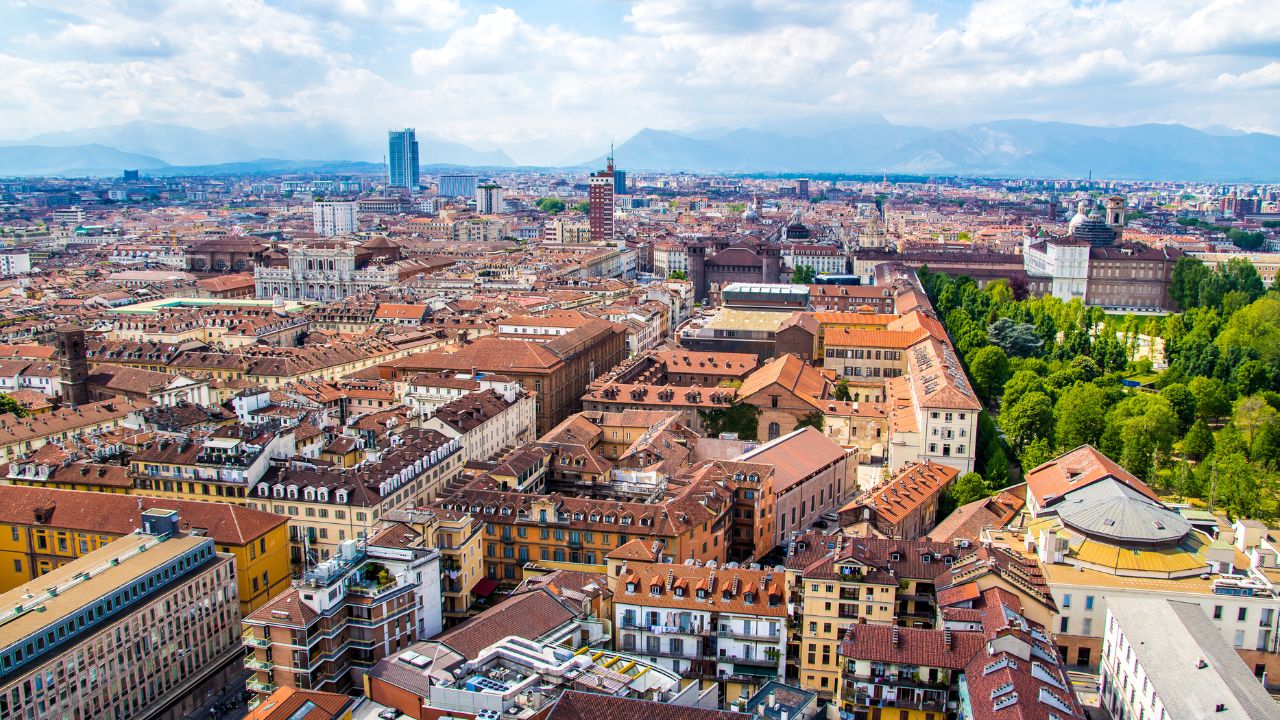
Turin is elegant in a quiet, confident way. Once Italy’s first capital, it carries itself with restraint rather than drama. Wide boulevards, arcaded streets, and historic cafés give the city a refined atmosphere that never feels performative.
Culturally, Turin rivals Italy’s biggest cities. Its museums are world-class, yet they remain calm enough to explore without stress. You can stand still, read, and absorb, a rare experience in Italy’s more famous destinations.
Daily life in Turin feels grounded. Coffee culture is taken seriously, meals are deliberate, and the nearby Alps provide easy access to nature, adding to the city’s sense of balance.
Verona
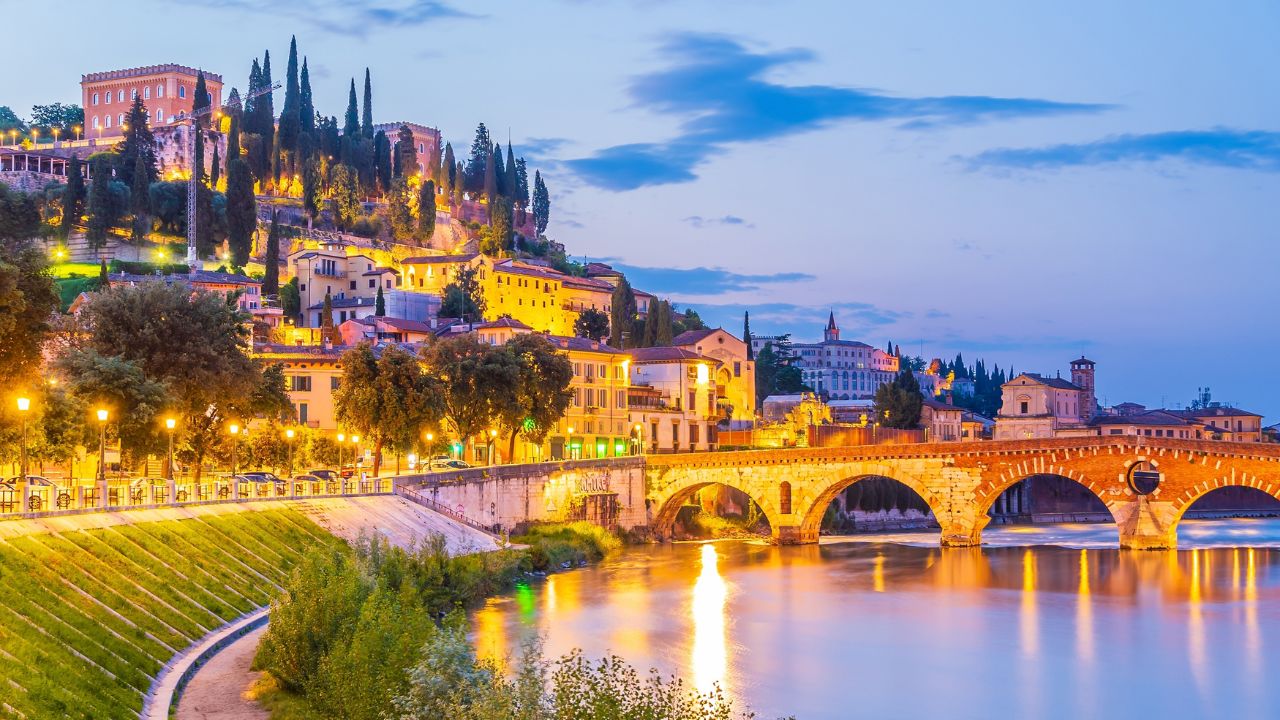
Verona’s reputation often stops at Romeo and Juliet, but the city itself offers far more depth. Roman ruins, medieval bridges, and Renaissance palaces create a layered historic center that feels cohesive rather than crowded.
Unlike Florence, Verona allows space to breathe. Streets and piazzas remain walkable even in peak seasons, and attractions can be enjoyed without navigating dense crowds. The city feels aware of its heritage without being consumed by it.
Evenings in Verona are especially memorable. Locals gather along the river, wine bars fill slowly, and the city’s charm reveals itself through atmosphere rather than spectacle.
Perugia

Perugia sits high above the Umbrian countryside, offering sweeping views and a deeply historic center. Etruscan walls and medieval streets give the city a sense of depth that feels earned rather than staged.
As a university town, Perugia remains youthful and affordable. Restaurants serve locals, not tour groups, and cultural life feels organic. Music, conversation, and movement fill the city without overwhelming it.
Perugia’s location makes it ideal for slow travel. From here, Umbria’s vineyards, stone villages, and quiet landscapes are easily accessible, offering an Italy that feels intimate and untouched.
Trieste
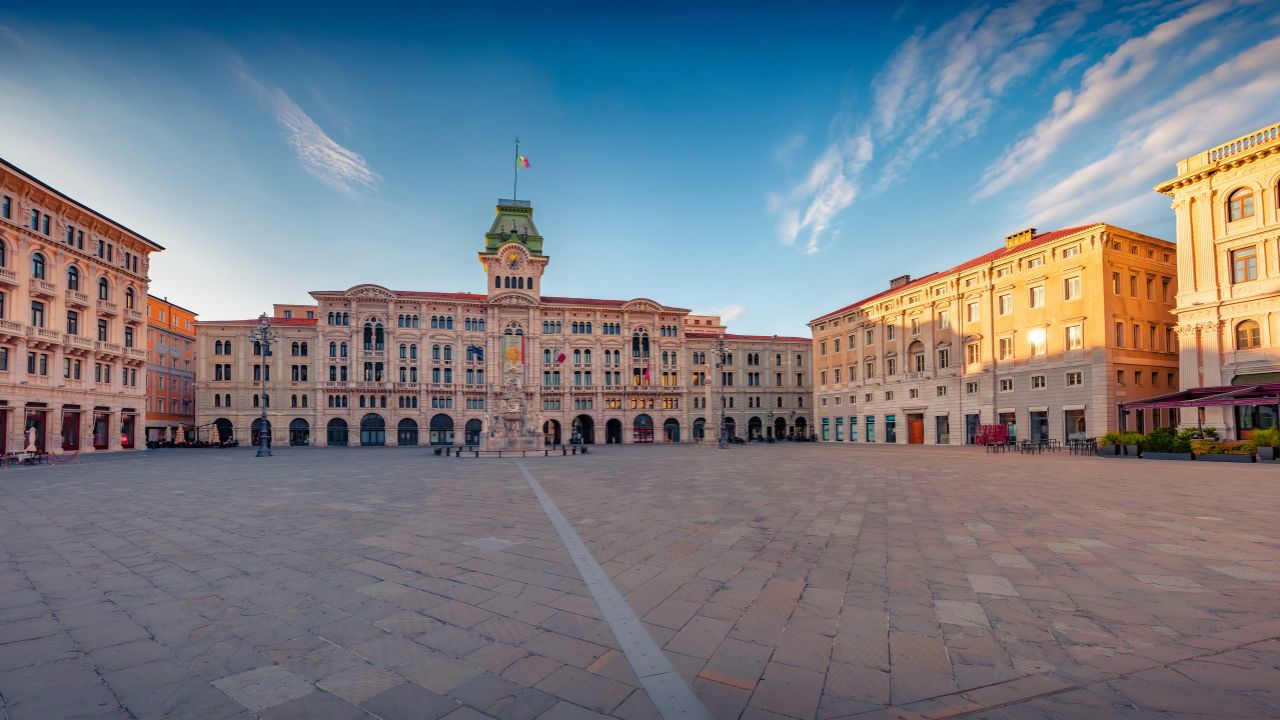
Trieste feels different from the rest of Italy, and that’s exactly its appeal. Influenced by Central Europe, the city blends Italian warmth with Austro-Hungarian elegance, creating a unique cultural atmosphere.
Coffee culture here is legendary, rooted in tradition rather than trends. Cafés are places to sit, think, and talk, not just grab a quick drink. The city encourages reflection and routine.
Trieste’s position between sea and mountains gives it a sense of openness and calm. It remains uncrowded because it doesn’t fit expectations, making it especially rewarding for curious travelers.
Parma

Parma is refined without being showy. Its historic center is elegant and manageable, with art, music, and architecture woven seamlessly into daily life.
Food defines the city, but without excess. Parmigiano Reggiano, prosciutto, and handmade pasta are everyday staples, enjoyed casually rather than celebrated loudly.
Parma feels complete. Nothing competes for attention, and nothing feels missing. It’s a city best appreciated slowly, through small moments rather than major attractions.
Ravenna

Ravenna holds some of Italy’s greatest artistic treasures, yet remains astonishingly peaceful. Its Byzantine mosaics are breathtaking, and the absence of crowds allows for quiet, almost personal experiences.
The city itself is flat and walkable, with a gentle rhythm shaped by bicycles, local cafés, and everyday routines. Ravenna feels contemplative rather than busy.
Instead of overwhelming visitors, Ravenna invites stillness. Its beauty rewards patience and attention, not urgency.
Bergamo

Bergamo is divided into a modern lower city and a medieval upper city perched above it. The upper city, surrounded by walls, offers panoramic views and timeless streets that feel suspended above the present.
Despite its beauty, Bergamo remains calm. Visitors can explore churches, piazzas, and viewpoints without pressure, allowing the city’s character to reveal itself naturally.
Its proximity to the Alps adds another layer, making Bergamo ideal for travelers who want both cultural depth and access to nature.
Lucca

Lucca is defined by its Renaissance walls, now transformed into a peaceful, tree-lined walkway encircling the city. Inside, streets remain quiet, elegant, and deeply livable.
Unlike Florence, Lucca doesn’t overwhelm the senses. Cafés feel local, churches feel serene, and daily routines take priority over spectacle.
Lucca shows that Italy’s beauty doesn’t require crowds. It offers a version of the country that feels calm, timeless, and genuinely welcoming.