
Germany is famous for its beer halls, medieval towns, and hearty comfort food, but the country offers far more variety than most first-time travelers expect. Beyond the clichés lies a culture shaped by centuries of craftsmanship, intellectual curiosity, and regional traditions that feel almost like visiting dozens of mini-countries in one trip.
Many visitors arrive anticipating predictable tourist routes, only to discover an unexpected mix of innovation, nature, and deeply rooted rituals that make everyday experiences feel special. Germany blends old-world charm with modern efficiency in a way that constantly surprises even seasoned travelers.
Whether you’re wandering through cathedral squares, sipping regional wines, or exploring architectural wonders, the country rewards slow travel and open-minded curiosity. These experiences showcase how German identity goes far beyond beer and sausages, revealing a dynamic nation with a strong sense of pride, community, and storytelling.
Travelers who dive into these cultural moments end up forming far richer memories than they imagined, often returning home with a newfound appreciation for German lifestyle. Germany, at its best, is both familiar and full of delightful contradictions.
Oktoberfest Traditions in Munich
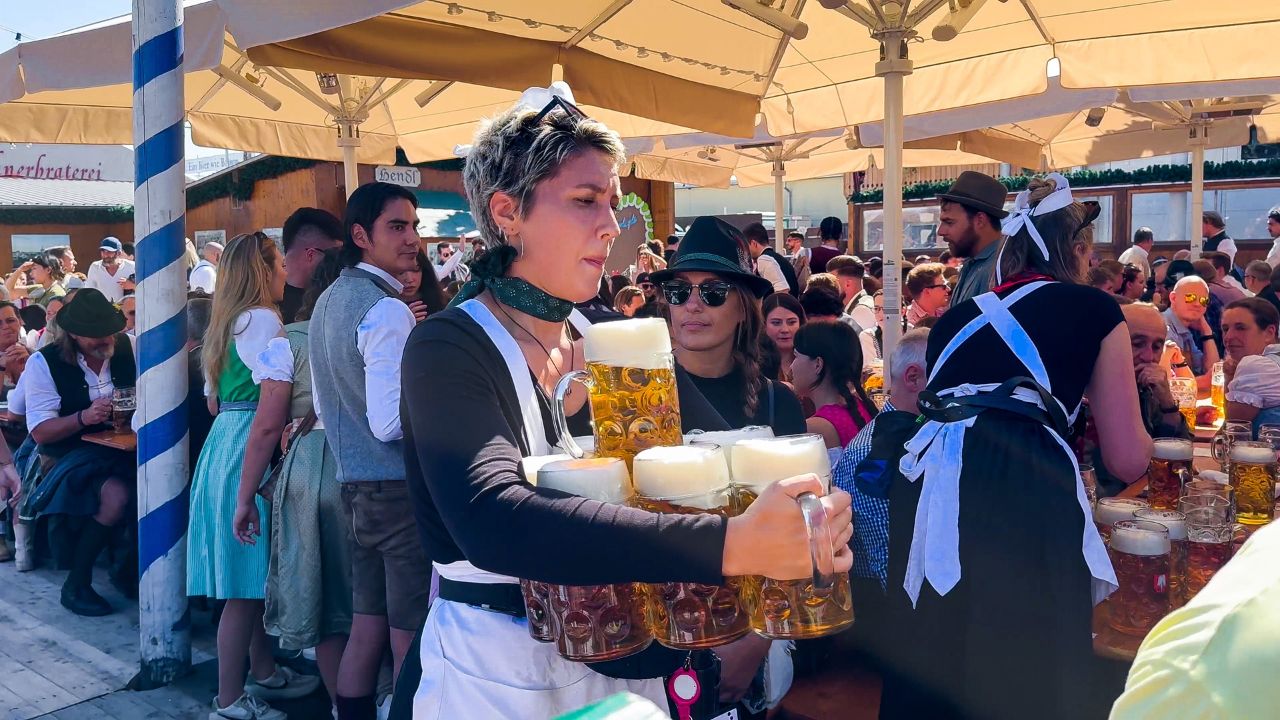
Oktoberfest is more than just giant mugs of beer, it’s a deeply rooted celebration that blends Bavarian pride, folk culture, and centuries-old brewing traditions. Visitors often arrive expecting a rowdy party, but what they discover is a massive, carefully orchestrated festival filled with history, ritual, and community spirit.
Locals dress in traditional outfits not because it’s trendy but because it’s part of preserving an identity tied to craftsmanship, agriculture, and family heritage. Walking through the tents reveals a world where music, food, and camaraderie feel almost ceremonial.
What surprises many visitors is how much of the festival is centered on storytelling and regional customs, making each tent feel like its own cultural universe. From brass bands to giant pretzels and festival parades, the atmosphere carries a nostalgic charm that evokes an earlier era of Bavaria. Travelers who take time to engage with locals often find themselves invited into toasts, songs, and traditions that feel unexpectedly intimate. Oktoberfest becomes a warm, human experience far richer than its global reputation.
Exploring the Fairy-Tale Castles of Bavaria
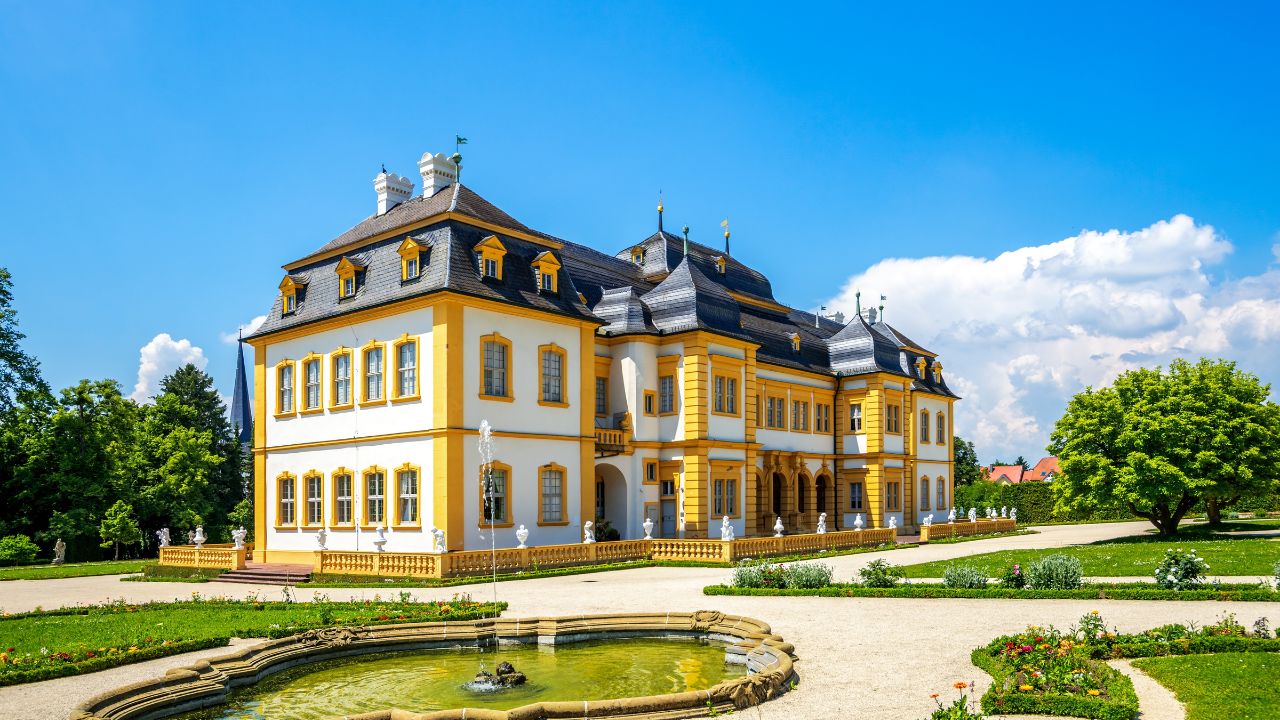
Many travelers dream of seeing Neuschwanstein, but Bavaria’s castle culture extends far beyond the famous postcard view. Each fortress and palace tells a story of kings, artists, architects, and political intrigue that shaped German identity over centuries. Visitors often expect a tourist site and instead find landscapes that feel straight out of myth and legend. The dramatic alpine backdrop only amplifies the magical effect.
As you wander through frescoed halls and ornate courtyards, it becomes clear how deeply romanticism influenced Bavarian architecture and culture. The castles are emotional expressions of a time when imagination and aesthetics mattered as much as practicality.
Many travelers leave feeling as if they’ve stepped into a storybook universe that challenges the modern perception of Germany as purely efficient and contemporary. The fairytale aesthetic becomes one of the most enchanting surprises of a trip to the region.
Sampling Germany’s Regional Sausages

Bratwurst is only the beginning, Germany has over 1,500 sausage varieties, each with flavors shaped by local traditions. Visitors often expect a single classic version and are stunned by how different sausages taste from region to region.
Whether it’s Thüringer Rostbratwurst cooked over charcoal or Nürnberger sausages served in sets of six or twelve, each bite tells a cultural story. The diversity reflects centuries of butchery skills passed down through families.
Eating sausages becomes an exploration of geography and history, not just food. Every region takes pride in its spices, preparation methods, and serving rituals, making even simple meals meaningful. Travelers who explore local markets and small taverns discover that sausage culture is deeply woven into community identity. It becomes one of those unexpectedly rich experiences that define a German journey.
Driving the Romantic Road
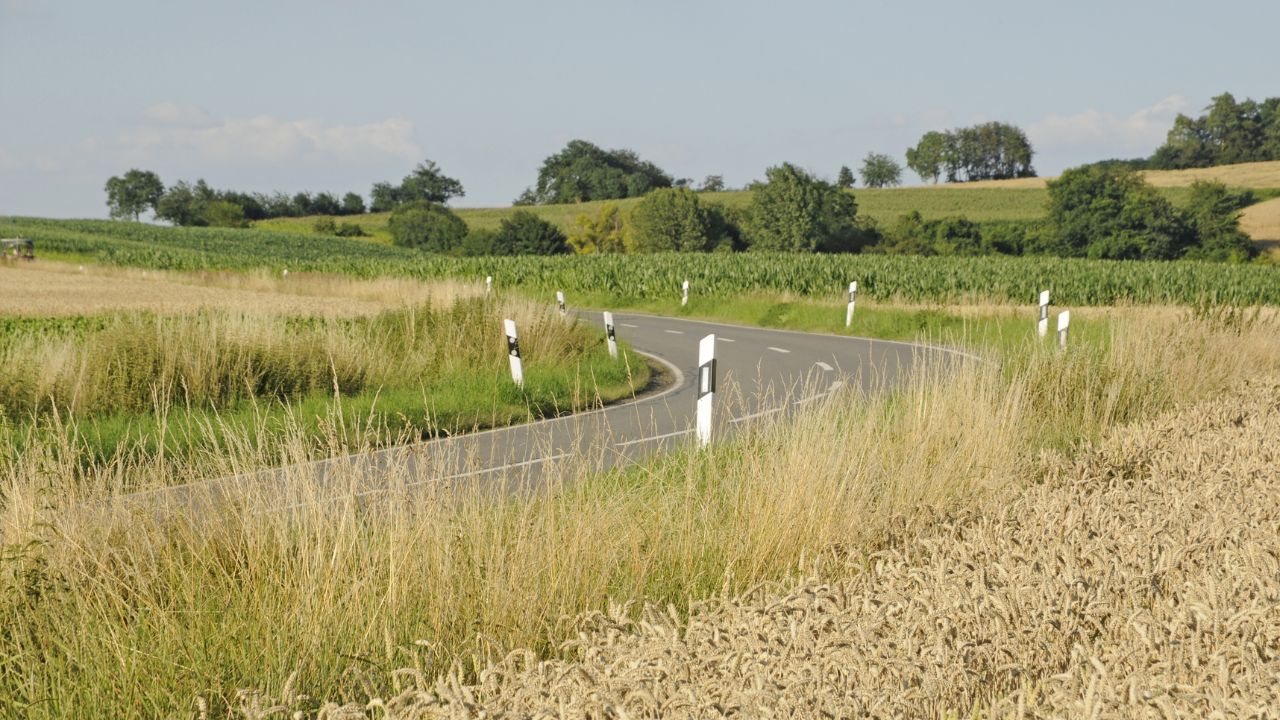
The Romantic Road is a journey through half-timbered villages, rolling hills, and medieval towns that feel frozen in time. Visitors quickly realize it’s not just a scenic drive but a cultural route that ties together centuries of art, architecture, and traditions.
Each stop reveals a different facet of German heritage, from fortified walls to cobblestone squares filled with bakeries and flower boxes. The landscapes evoke an emotional response that surprises many who associate Germany with industry and modernity.
What makes the road special is the intimate sense of discovery it fosters. Travelers drift between regions with distinct personalities, stumbling into festivals, vineyards, and local eateries that make every pause feel meaningful. The pace is slow, reflective, and full of small, beautiful moments. It becomes a journey that captures a softer, more romantic side of Germany.
Discovering Berlin’s Street Art Culture
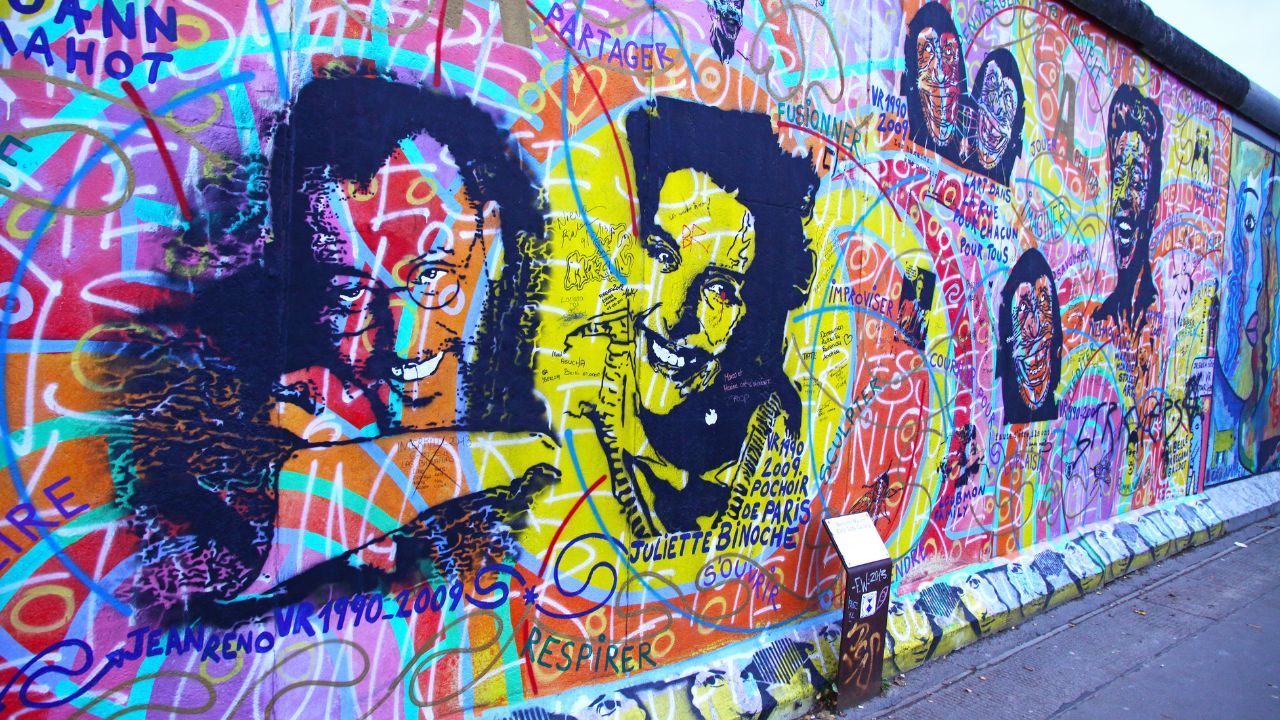
Berlin’s street art scene reflects the city’s rebellious energy and its history of reinvention. Visitors expecting a polished capital often find themselves captivated by walls filled with political messages, surreal imagery, and vibrant murals. The art feels alive, constantly evolving with new layers appearing overnight. It represents a creative freedom that has come to define Berlin’s identity.
Exploring the street art becomes a deep dive into the city’s social memory, shaped by division, reunification, and cultural experimentation. Every neighborhood offers its own visual language, making urban exploration feel like visiting an open-air museum. Travelers often leave with a deeper understanding of Berlin’s emotional complexity and its commitment to expression. The city’s art becomes one of its most surprising and moving elements.
Exploring Germany’s Christmas Markets
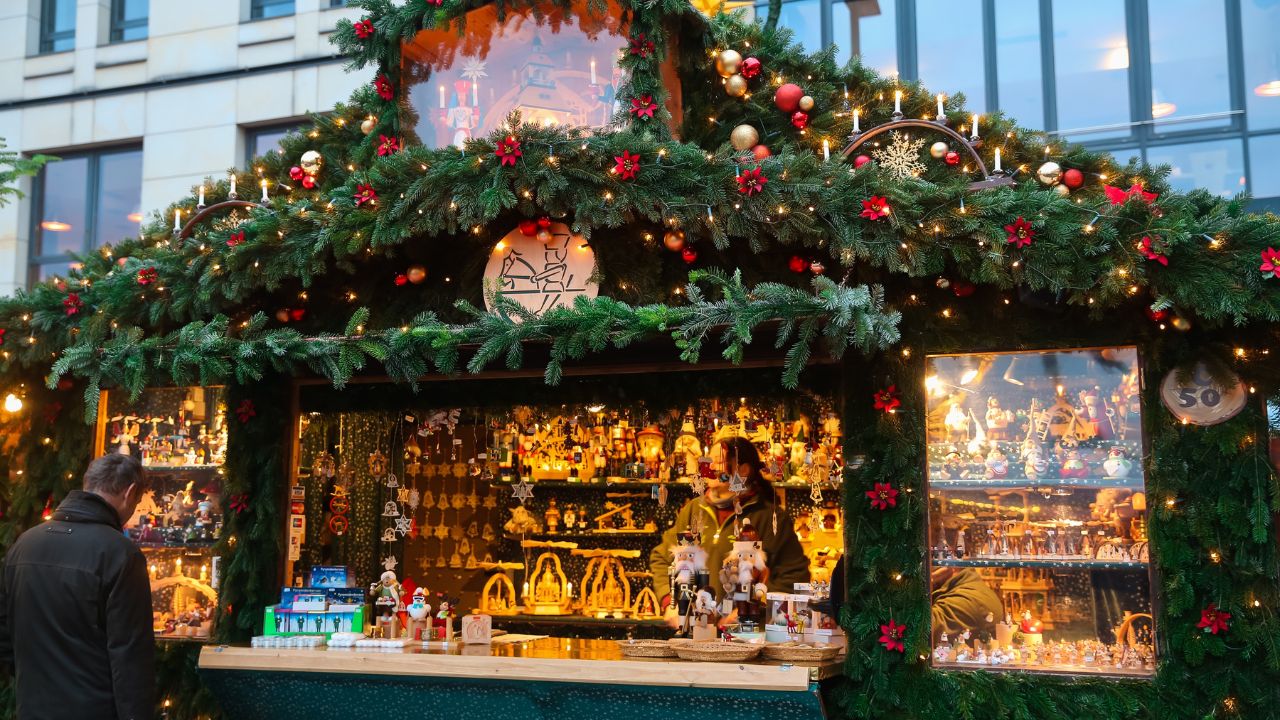
Germany’s Christmas markets transport visitors into a world filled with warm lights, wooden stalls, and the smell of mulled wine drifting through crisp winter air. Travelers expecting commercialized holiday scenes are surprised to find markets rooted in centuries-old traditions that feel authentically nostalgic. Crafts, candles, and handmade ornaments showcase regional artistry that has been preserved for generations. Each market offers its own specialties, making exploration a joyful ritual.
What makes the markets magical is the atmosphere of warmth and togetherness. Locals gather under twinkling lights to share bratwurst, gingerbread, and seasonal treats, creating a sense of community that feels almost storybook-like. Many travelers come away feeling a childlike wonder they hadn’t expected. Germany’s markets redefine what holiday spirit can feel like.
Hiking the Black Forest
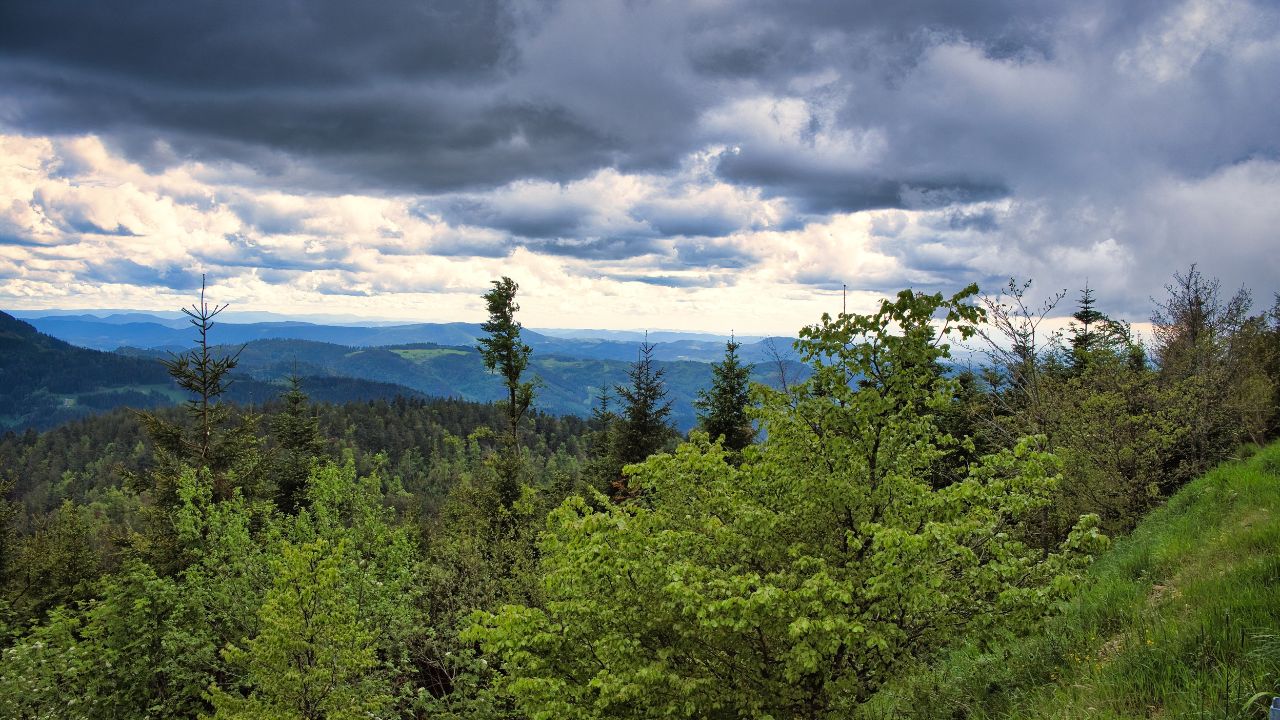
The Black Forest surprises many visitors with its vastness and beauty, offering deep valleys, dense woods, and peaceful villages. Travelers often imagine a simple hike but instead find landscapes that feel almost mythical. Trails wind past waterfalls, lakes, and panoramic viewpoints that evoke old tales of witches, wolves, and folklore. The air feels crisp, clean, and deeply calming.
The region’s culture adds another layer to the experience. Local farms, cherry cake traditions, and spa towns create a balance between nature and comfort that feels uniquely German. Travelers end up connecting with the landscape in an emotional way, finding quiet moments that stay with them long after they leave. The Black Forest becomes a highlight that exceeds expectations.
Tasting Germany’s Under-the-Radar Wines
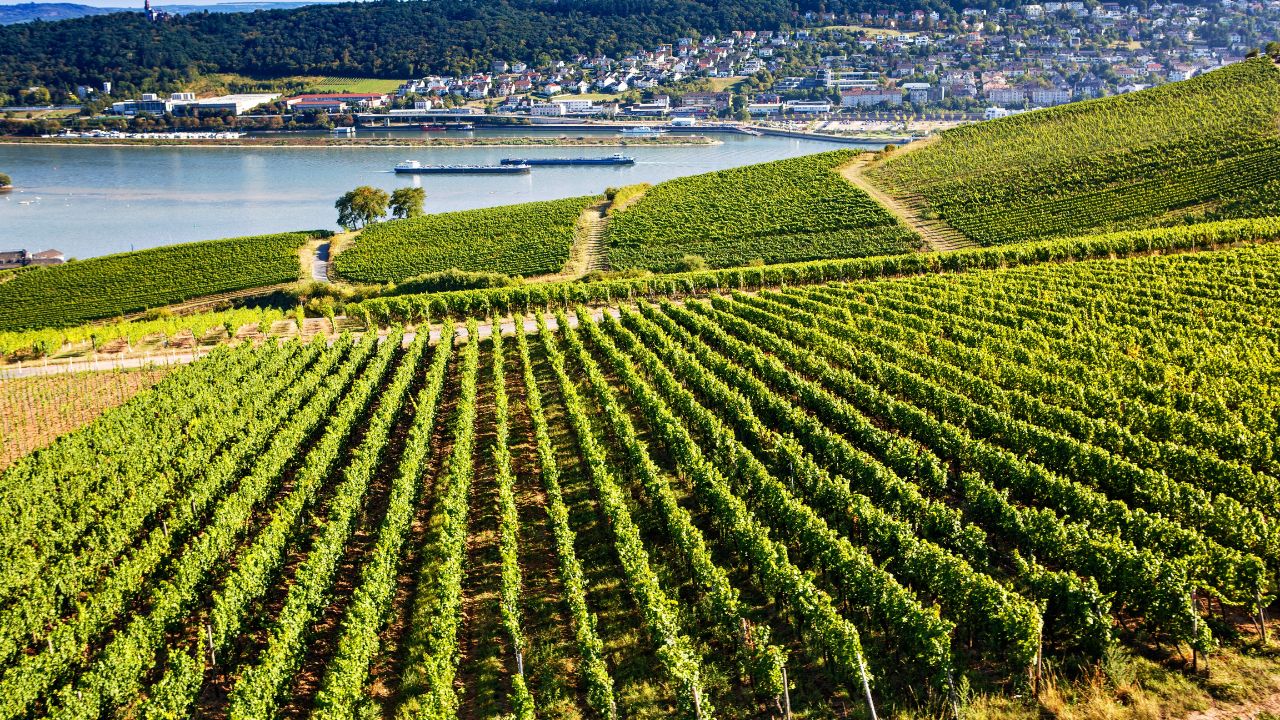
Germany’s wine culture surprises many travelers who associate the country mostly with beer. Regions like Mosel and Rheingau produce world-class Rieslings and Pinot varieties that reflect centuries of viticulture knowledge. The vineyard landscapes are striking, with steep terraces dropping into rivers and cozy villages tucked between hills. Wine tastings become intimate, educational, and deeply scenic experiences.
What often shocks visitors is the complexity and elegance of German wines. Winemakers explain how soils, slopes, and microclimates shape flavor in ways that feel almost scientific. Travelers leave with a newfound appreciation for the country’s winemaking traditions and often become lifelong fans. The wine regions quickly become one of Germany’s best-kept secrets.
Touring Germany’s Historic Breweries
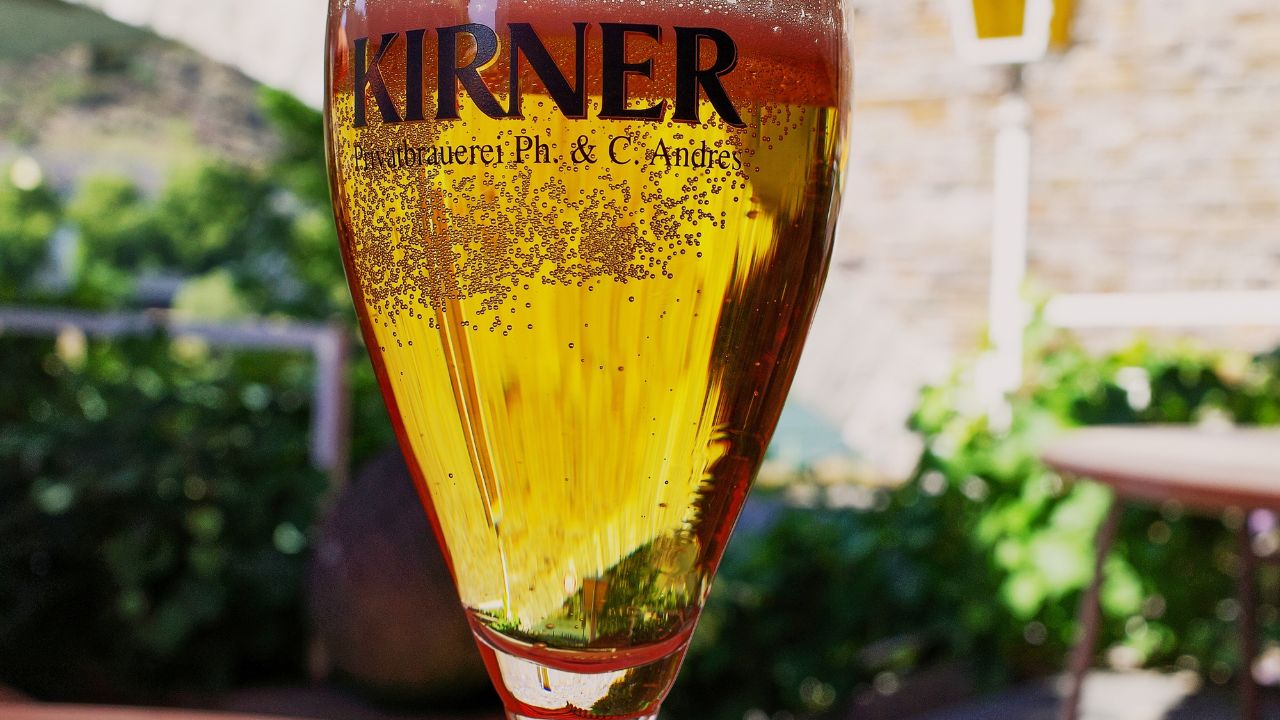
Germany’s brewing culture runs far deeper than Oktoberfest, and visiting historic breweries reveals a meticulous craftsmanship that spans generations. Travelers expecting simple beer tasting find themselves immersed in stories about purity laws, ancient brewing methods, and regional specialties. The breweries feel almost monastic, with cellars, copper kettles, and centuries-old rituals. Each tour becomes a rich cultural lesson.
The experience often leaves visitors amazed by how seriously Germans take their beer — not as a drink, but as heritage. Brewery-run taverns offer hearty meals and warm atmospheres that reflect community and hospitality. The combination of storytelling and flavor creates a memorable impression. It becomes a highlight that reshapes how travelers think about beer.
Experiencing Hamburg’s Harbor Culture
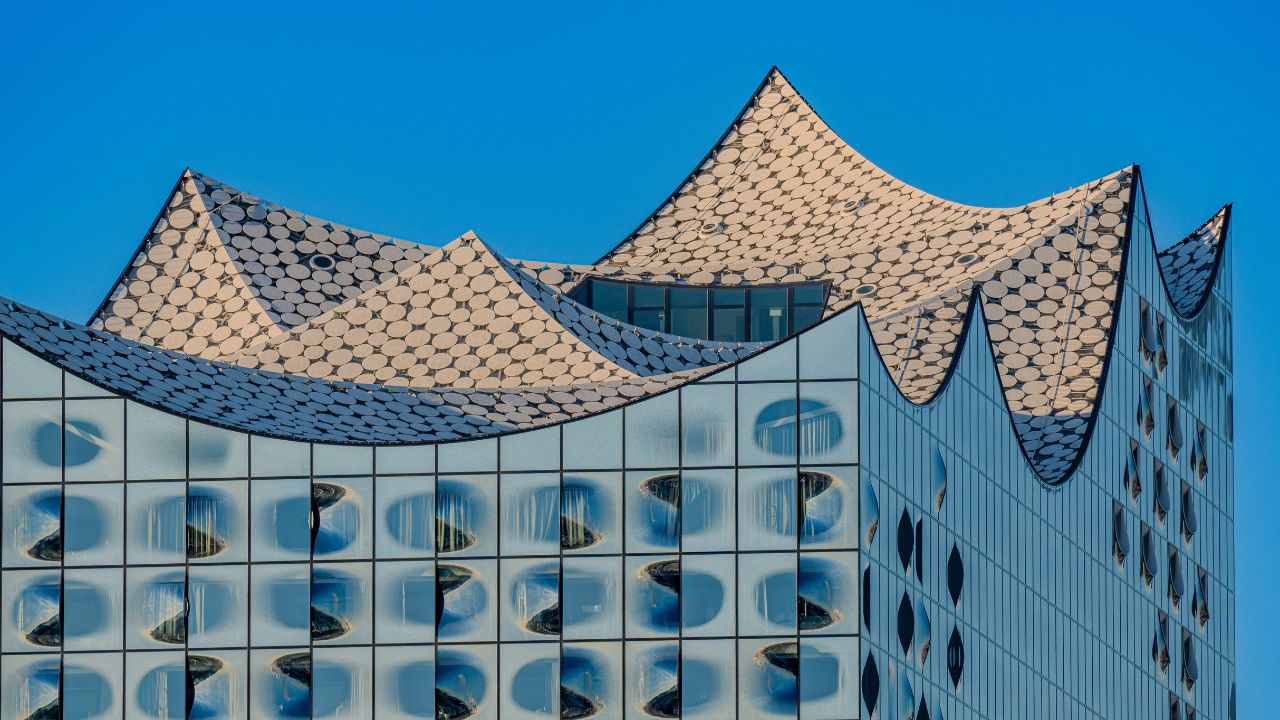
Hamburg’s harbor is a world of its own, shaped by maritime traditions and a cosmopolitan spirit. Travelers often expect a business-oriented port city but discover a waterfront filled with history, culture, and striking architecture. The Elbphilharmonie, old warehouses, and bustling quays coexist in a dynamic, energetic rhythm. Boats, markets, and promenades create a distinct feeling found nowhere else in Germany.
What captivates visitors is the sense of openness and international influence that permeates the city. Hamburg feels both gritty and refined, offering everything from street food to world-class performances. The harbor becomes a gateway into understanding how trade shaped German culture. It’s an experience that lingers long after departure.
Exploring Cologne’s Cathedral and Riverside Charm
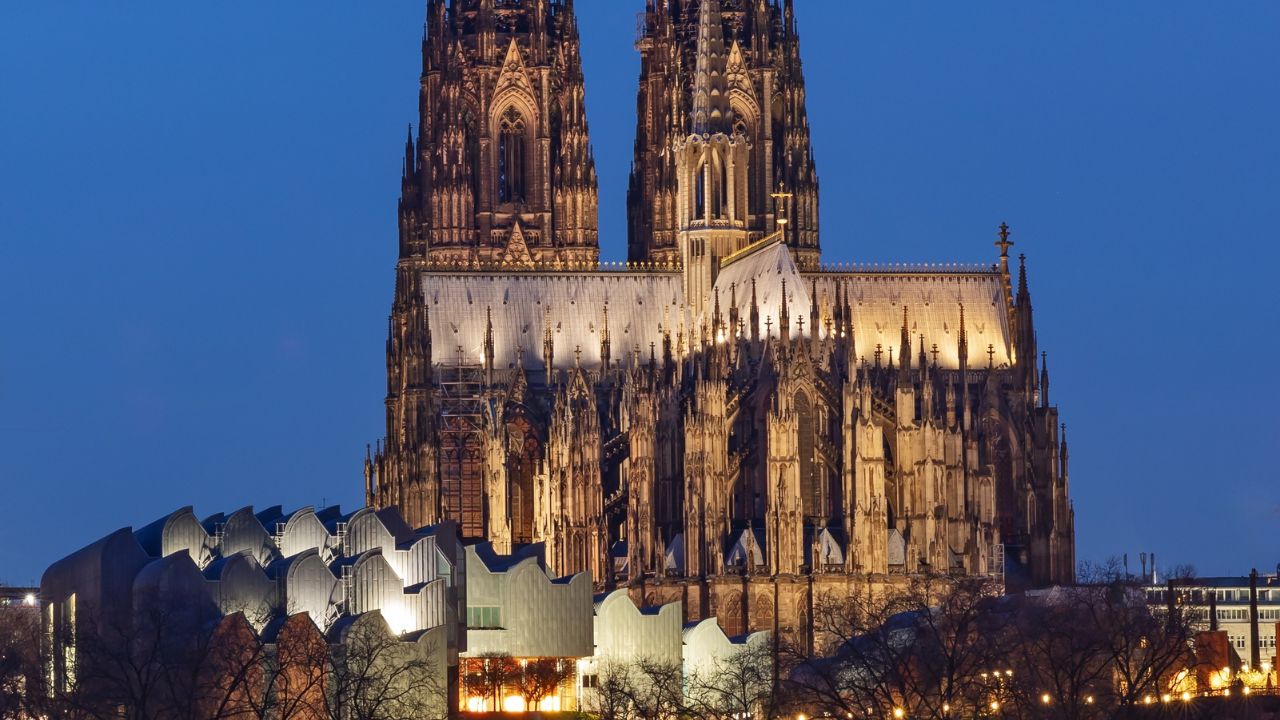
Cologne’s cathedral leaves visitors awestruck with its towering Gothic presence and intricate details that took centuries to complete. Many arrive expecting a typical landmark but find a structure that feels almost spiritual in scale and craftsmanship. The city around it is vibrant and youthful, creating a contrast that feels uniquely German. Riverside promenades bring warmth and life to the historic core.
Visitors often stay longer than planned because the city’s atmosphere feels welcoming and full of hidden corners. Breweries, museums, and river cruises create a sense of leisurely exploration. Cologne becomes a place where old and new blend effortlessly. Travelers leave feeling unexpectedly attached to its charm.
Visiting Dresden’s Reborn Old Town
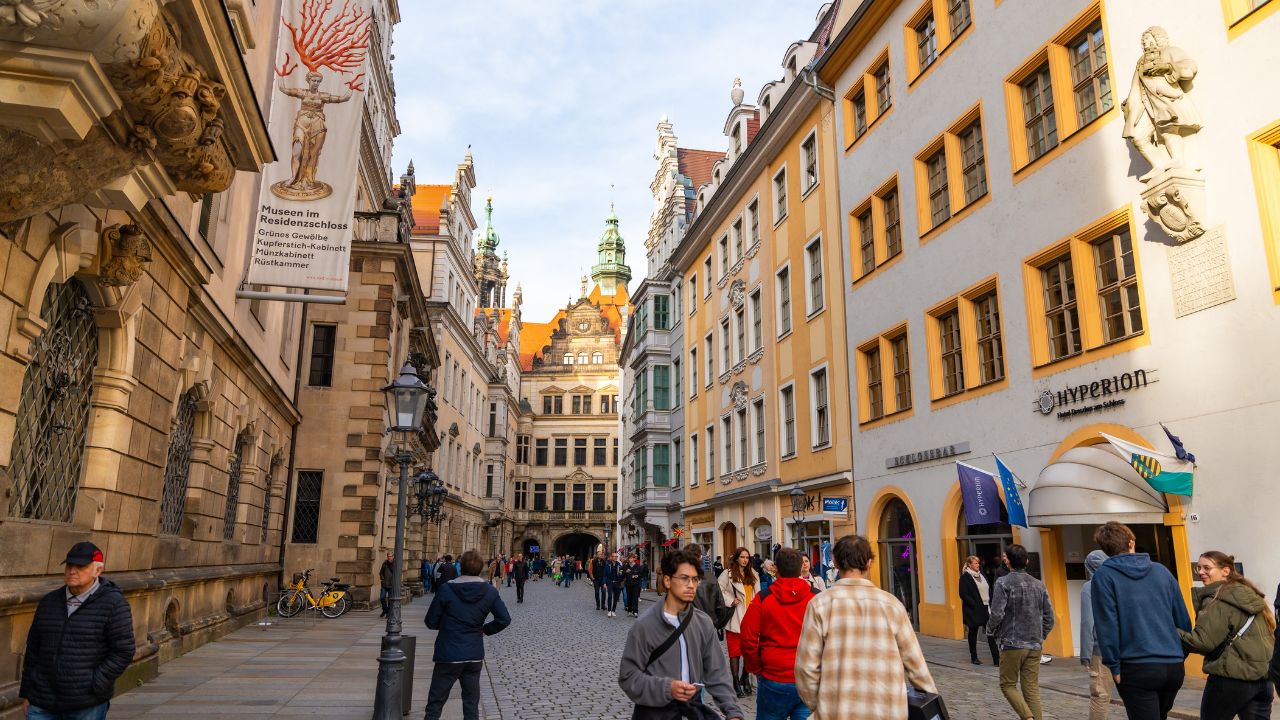
Dresden’s rebuilt Old Town astonishes travelers who know its tragic wartime history. The meticulous reconstruction brought baroque architecture back to life with breathtaking beauty. Visitors often wander in disbelief, marveling at how modern craftsmanship restored a lost world. The city feels like a testament to resilience and cultural pride.
What surprises many guests is the depth of Dresden’s artistic legacy. Museums, opera houses, and riverside views create a sophisticated cultural landscape. The city becomes a symbol of renewal and the power of preservation. Travelers leave moved by its emotional story and elegant surroundings.