Germany is a country where the past isn’t just preserved, it’s woven into everyday life in ways that feel both effortless and fascinating. Medieval walls rise beside gleaming glass towers, half-timbered squares blend into sleek tram lines, and ancient traditions coexist with modern urban design.
This contrast gives travelers the chance to move through centuries within a few steps, experiencing both heritage and innovation without compromise. In an era where many cities choose one identity over another, Germany boldly embraces both.
Across the country, cities large and small have mastered the balance of honoring their roots while shaping the future. Historic guild houses now host tech startups, restored market squares sit beside contemporary cafés, and Gothic cathedrals share skylines with ambitious architectural projects. The result is a travel experience that feels rich, textured, and endlessly layered. Here are 14 German cities where the old and the new don’t just meet, they elevate each other.
Nuremberg

Nuremberg is one of Germany’s most visually striking medieval cities, crowned by an imposing castle overlooking a maze of old streets and half-timbered houses. Its historic center feels like a living time capsule, filled with markets, stone bridges, and preserved walls that showcase centuries of craftsmanship.
Yet the city also pulses with modern life, from contemporary art spaces to lively squares and an evolving culinary scene. The atmosphere blends traditional charm with creative energy that gives Nuremberg a distinctive rhythm. Walking through the city feels like a seamless dialogue between past and present.
Innovative museums and efficient transit reveal a forward-thinking side that complements the medieval character. Technology companies and design studios inhabit refurbished historic buildings, adding vitality to preserved districts. Seasonal festivals animate the streets with a mix of legacy and modern entertainment. The city’s scale makes exploration comfortable, offering depth and variety without overwhelming visitors. Nuremberg embodies Germany’s signature blend of heritage and reinvention.
Cologne

Cologne’s Gothic cathedral dominates the skyline as one of Europe’s greatest architectural masterpieces, anchoring a city rich in Roman, medieval, and baroque heritage. Narrow lanes, old breweries, and riverfront promenades give Cologne a timeless texture.
Just beyond these historic quarters lies a modern urban environment filled with skyscrapers, creative industries, and cutting-edge museums. The city has rebuilt and reimagined itself many times, giving it a unique spirit shaped by resilience and reinvention. Cologne feels both rooted and refreshingly forward-leaning.
Its contemporary neighborhoods buzz with youthful energy, supported by the media, design, and technology sectors. Art galleries, music venues, and modern public spaces reflect a culture that values creativity and openness. The contrast between ancient stone buildings and sleek architectural lines creates a dynamic visual landscape. Visitors can move effortlessly from historic taverns to trendy bars, from medieval churches to experimental exhibitions. Cologne’s blend of eras gives the city an unmistakable identity.
Lübeck

Lübeck welcomes travelers with a skyline of red-brick Gothic architecture and striking medieval gates that reveal its Hanseatic past. Winding alleys and grand merchant houses reflect centuries of maritime commerce and cultural exchange. Yet Lübeck also embraces contemporary life with vibrant waterfront cafés, modern exhibitions, and accessible infrastructure that keeps the city moving forward. Its Baltic location adds a breezy, ocean-inspired modernity to the historical backdrop. The old town feels beautifully preserved yet full of current energy.
Museums dedicated to Hanseatic heritage coexist with bold contemporary installations, creating an engaging cultural landscape. Lübeck’s food scene blends traditional specialties with creative interpretations, giving visitors a taste of innovation within classic surroundings. Bike paths, river walks, and community spaces reveal a lifestyle that balances calm tradition with modern comfort. The city’s pace invites slow exploration, letting history and modernity unfold naturally. Lübeck offers a refreshing mix of depth, charm, and subtle sophistication.
Freiburg
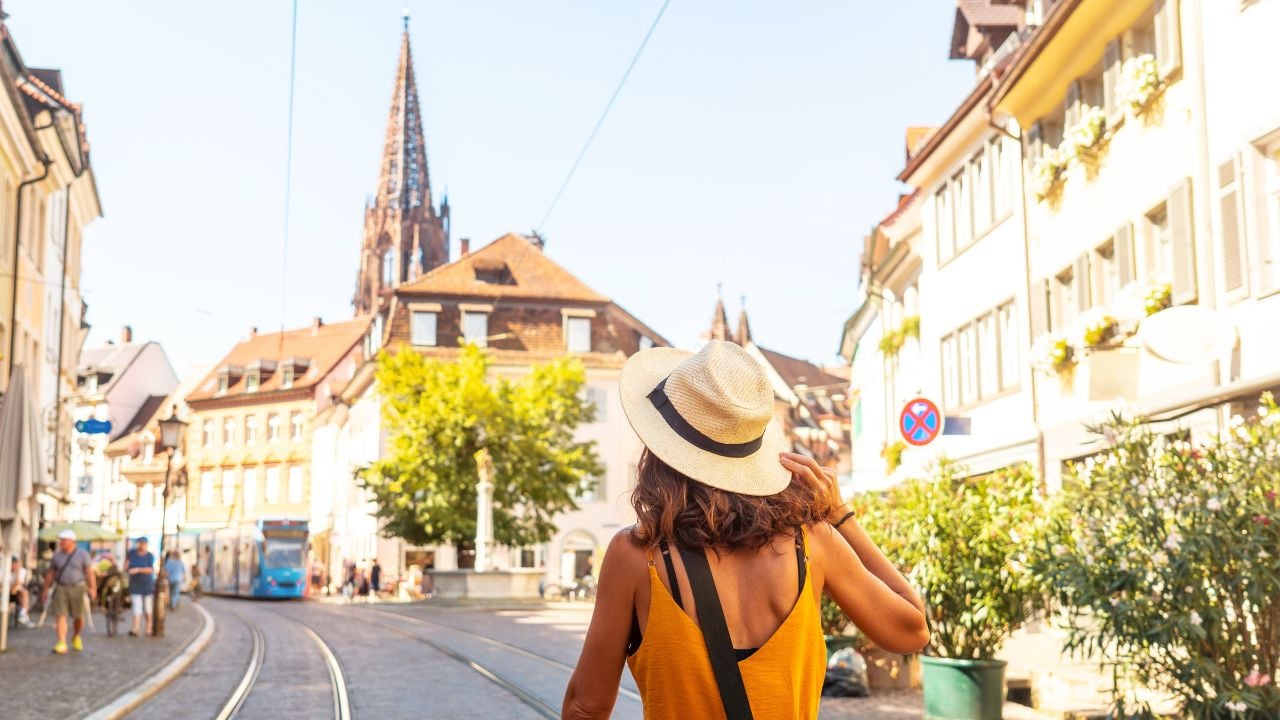
Freiburg’s medieval old town is defined by cobblestone lanes, colorful squares, and its soaring Gothic Münster, creating a fairy-tale atmosphere that feels instantly captivating. Streams known as Bächle run through pedestrian streets, adding a unique charm rarely found elsewhere.
Freiburg is just as famous for its modern eco-conscious identity, with solar-powered neighborhoods, sustainable architecture, and an emphasis on cycling and public transit. The city has become a model of green urban design, blending history with environmental innovation. This duality makes Freiburg both timeless and progressive.
The efficient tram system weaves through historic quarters, demonstrating how the city integrates past and future with ease. Trendy cafés and bustling markets bring contemporary life to old squares. The surrounding Black Forest adds nature into the urban experience, reinforcing the city’s harmonious atmosphere. One moment you’re admiring medieval craftsmanship, the next you’re exploring a groundbreaking modern district. Freiburg’s ability to merge beauty, sustainability, and heritage makes it one of Germany’s most distinctive cities.
Erfurt
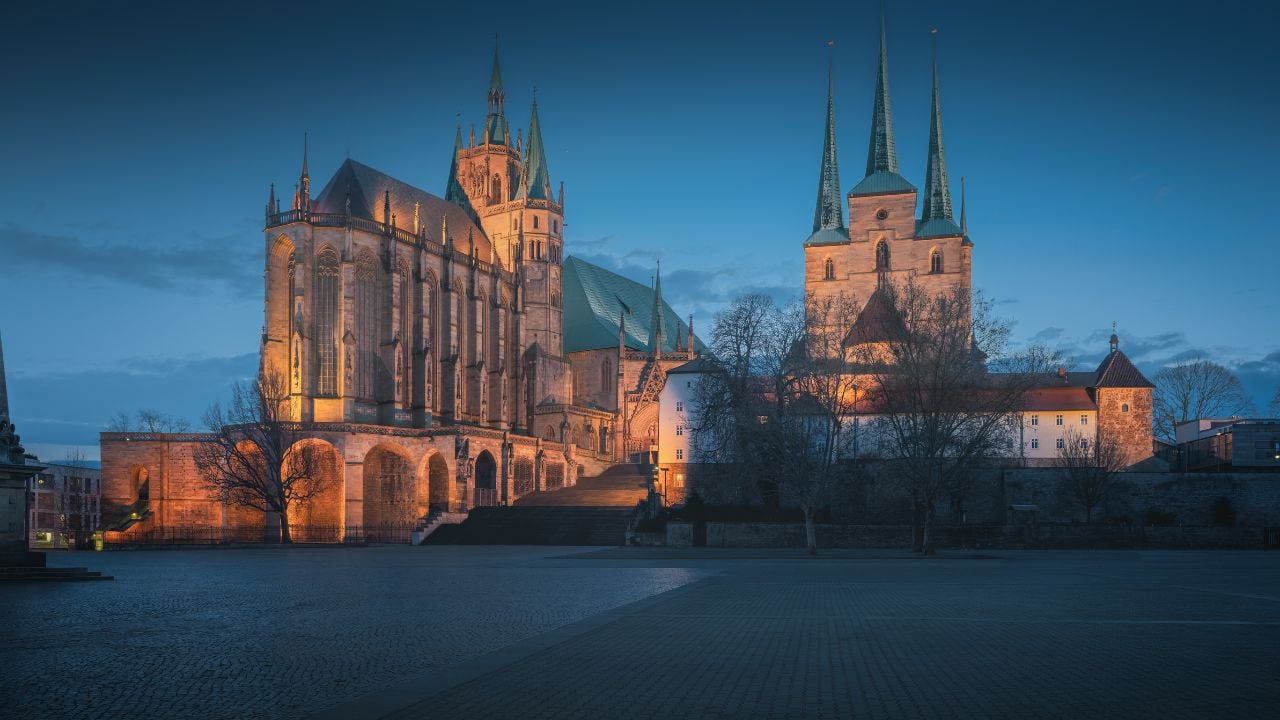
Erfurt boasts one of Germany’s best-preserved medieval centers, featuring beautifully restored townhouses, old monasteries, and charming bridges that evoke centuries of history. The Krämerbrücke, a bridge lined entirely with shops and residences, feels like a world of its own and stands as one of Europe’s most unusual architectural treasures. Despite its deep historical roots, Erfurt has embraced modern academic, cultural, and economic development. The city feels simultaneously ancient and forward-moving, offering a well-rounded experience for travelers. Its appeal lies in its calm but vibrant character.
A strong university presence adds youthful energy and creativity to the historic surroundings. Modern trams glide past centuries-old buildings, symbolizing the seamless transition between eras. Cultural festivals and public events animate squares that have served as gathering spaces for generations. Local markets and riverfront areas provide inviting spots for relaxation and exploration. Erfurt’s mix of intimacy and innovation gives it a balanced, memorable personality.
Regensburg

Regensburg’s old town is one of the most authentic medieval districts in Europe, with Roman remnants, Gothic towers, and narrow passageways that reveal a rich trading past along the Danube. Its colorful facades and historic stone bridge create a timeless atmosphere that draws visitors into the city’s layered story.
Yet Regensburg is also modern, lively, and youthful thanks to its universities, boutiques, and fresh culinary scene. The blend of preserved architecture and contemporary culture creates an environment that feels vibrant rather than nostalgic. The city’s heritage remains central but never overwhelming.
Modern arts venues, tech companies, and student life bring new energy into the ancient streets. Cafés spill into open squares, creating lively social spaces that feel both traditional and current. The river promenade offers scenic views and inviting places to unwind. Regensburg’s charm lies in how effortlessly its eras coexist, offering a sophisticated yet down-to-earth atmosphere. Visitors find the city immersive, elegant, and engaging in equal measure.
Augsburg
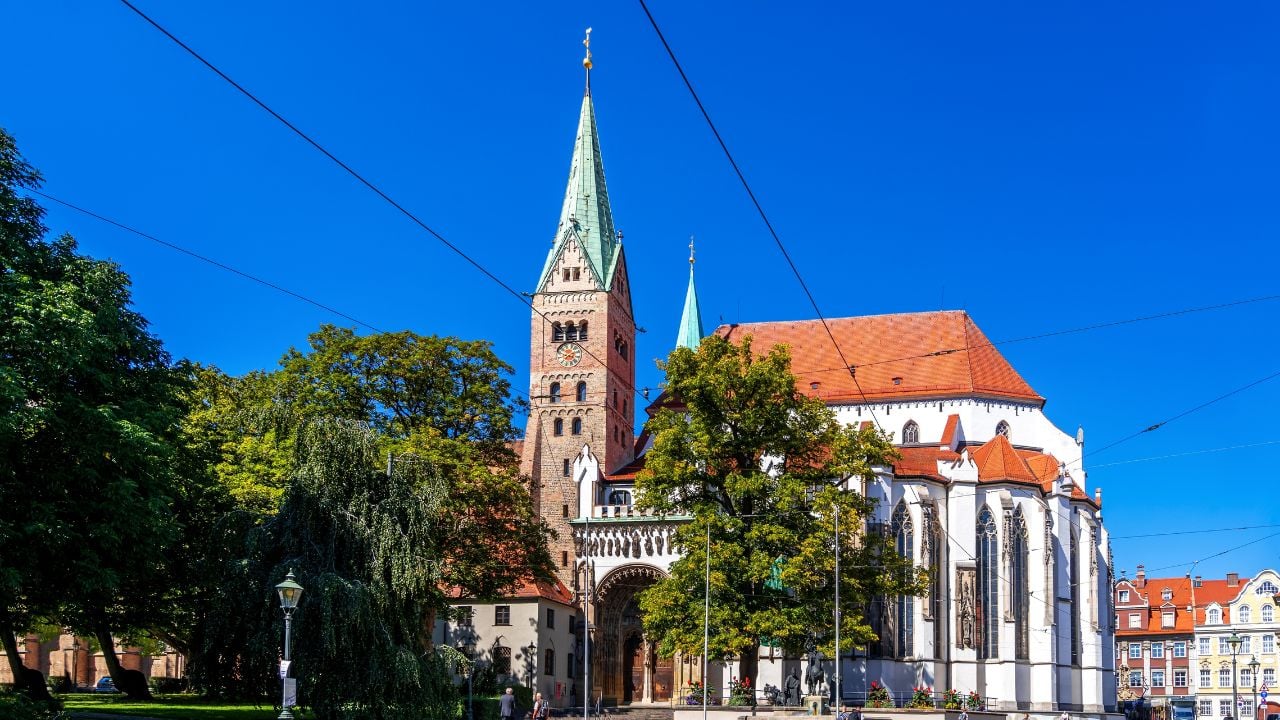
Augsburg’s history stretches back to the Roman Empire, and its medieval and Renaissance landmarks highlight the city’s long-standing significance. The Fuggerei, established in the 16th century, remains the world’s oldest social housing complex still in use and stands as a remarkable symbol of civic history.
Despite its deep roots, Augsburg also embraces modernity with progressive industries, creative communities, and contemporary universities shaping its identity today. The city feels substantial yet approachable, combining grandeur with everyday comfort. Its streets offer countless glimpses into the past without feeling static.
The cultural scene is active and diverse, with theaters, galleries, and innovative spaces giving traditional districts fresh appeal. Public transportation and green initiatives highlight the city’s forward-looking mindset. Markets, cafés, and community events fill Augsburg with local warmth and activity. The juxtaposition of historic monuments and modern life creates a dynamic urban experience. Augsburg’s character is layered, engaging, and quietly sophisticated.
Braunschweig
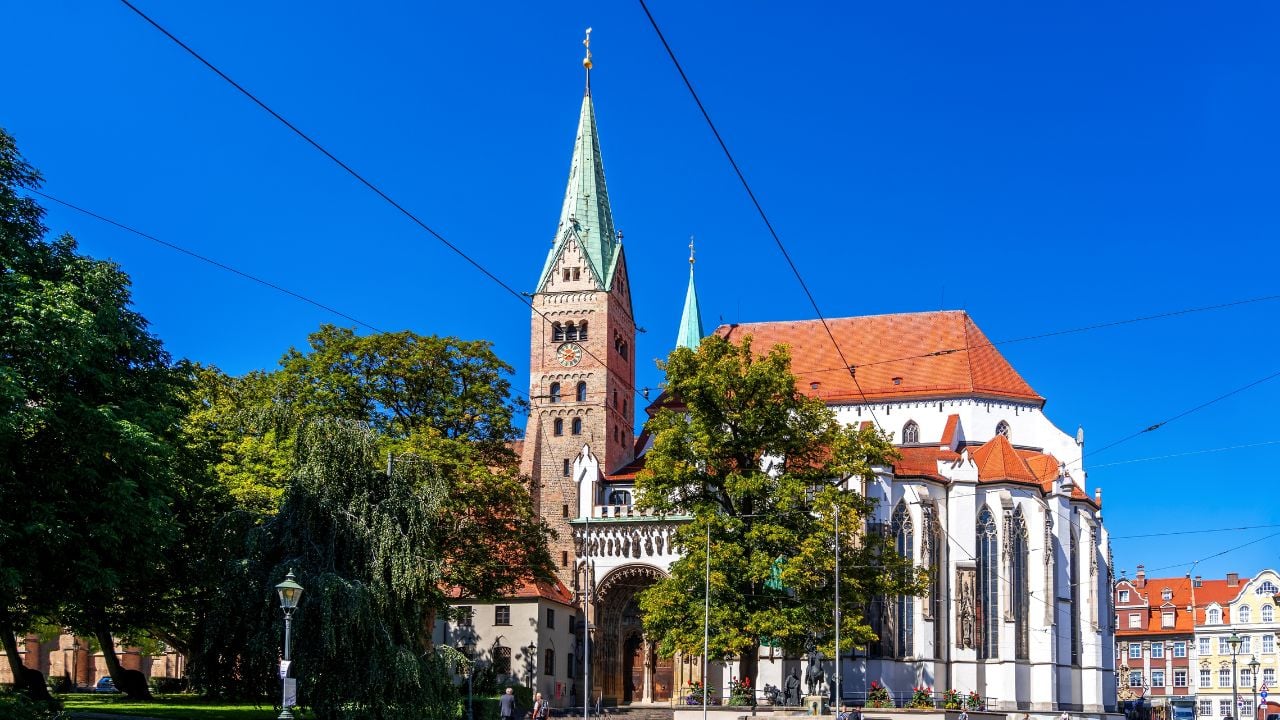
Braunschweig reflects its medieval roots through grand squares, old churches, and castle complexes that once symbolized ducal power. The historic core is carefully restored, preserving the charm and architectural depth of earlier centuries. At the same time, the city has developed into a center of research, technology, and contemporary culture. Its modern facilities, innovative districts, and bold public projects breathe new life into traditional spaces. Braunschweig feels balanced, energetic, and thoughtful in its evolution.
Research institutes and creative studios contribute to a forward-moving urban identity that integrates well with historical surroundings. The city’s transportation network, parks, and public amenities make exploration smooth and enjoyable. Shops, galleries, and restaurants bring modern vibrancy to streets lined with centuries-old buildings. Braunschweig’s blend of eras feels considered rather than accidental, giving visitors a sense of harmony and depth. The city approaches its heritage as a foundation for innovation.
Rothenburg ob der Tauber

Rothenburg ob der Tauber looks like a perfectly preserved medieval illustration, with its city walls, watchtowers, and half-timbered houses creating an enchanting historical scene. Its atmospheric streets feel suspended in time, offering one of Europe’s most immersive old-town experiences.
Despite its famous medieval appearance, Rothenburg provides modern comforts through boutique hotels, stylish shops, and well-managed tourism that keeps the town clean and accessible. The result is an experience that blends authenticity with contemporary ease. Its charm is undeniable and enduring.
Cultural events and museums add depth to the medieval setting, showing how the town continues to grow creatively. Infrastructure improvements and updated services help support visitors without compromising history. Quiet alleys reveal a gentler, more lived-in side of the town away from the main roads. Rothenburg manages to stay true to its heritage while embracing thoughtful enhancements. The balance gives the destination lasting appeal for travelers seeking both romance and comfort.
Bremen
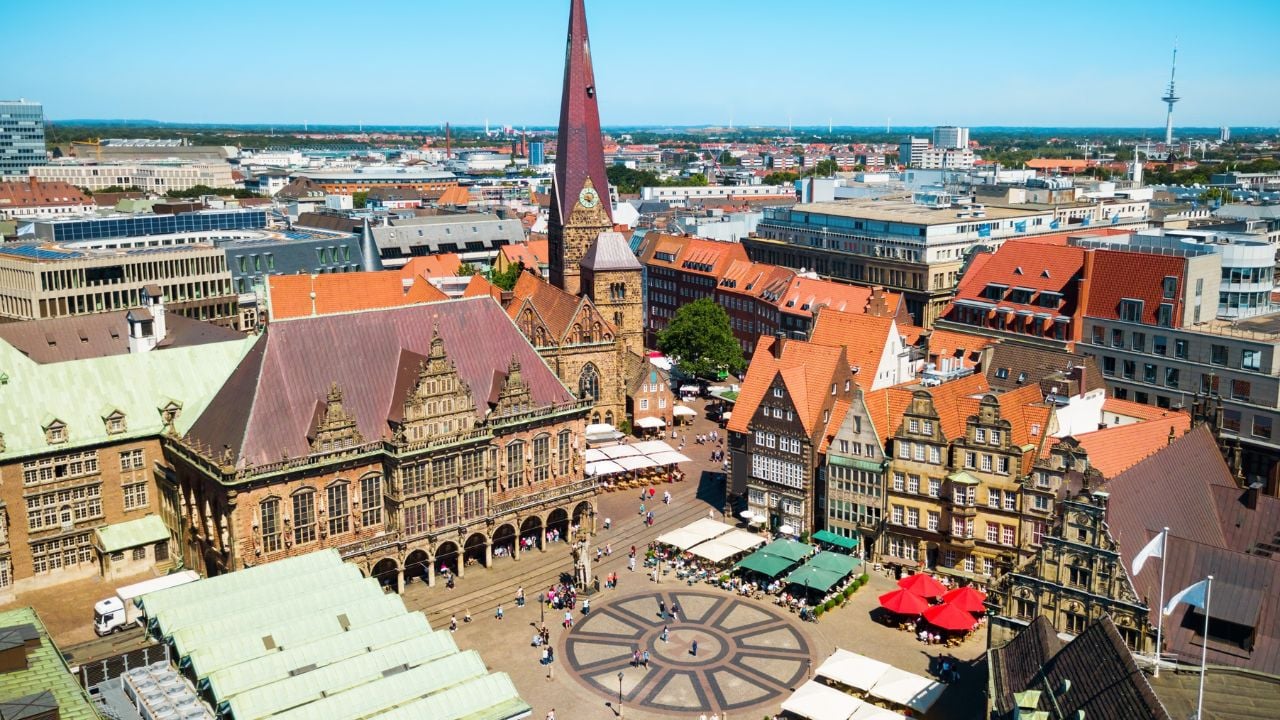
Bremen brings together maritime heritage and modern innovation in a way that feels natural and engaging. Its UNESCO-listed market square, ornate town hall, and iconic Roland statue anchor a beautifully preserved medieval center. Beyond this historic heart, modern waterfront districts, contemporary architecture, and creative neighborhoods express the city’s progressive spirit. Trade has always shaped Bremen, fostering openness and curiosity throughout its history. This global outlook continues to define its character today.
Along the Schlachte promenade, medieval warehouses stand beside modern restaurants and lively terraces, blending eras effortlessly. The city’s cultural institutions and scientific centers highlight its commitment to both tradition and advancement. Public transit and green spaces make the urban experience pleasant and accessible. Visitors can easily transition from old streets to modern exhibits, capturing the city’s diverse identity. Bremen feels both welcoming and stimulating, offering depth at every turn.
Heidelberg
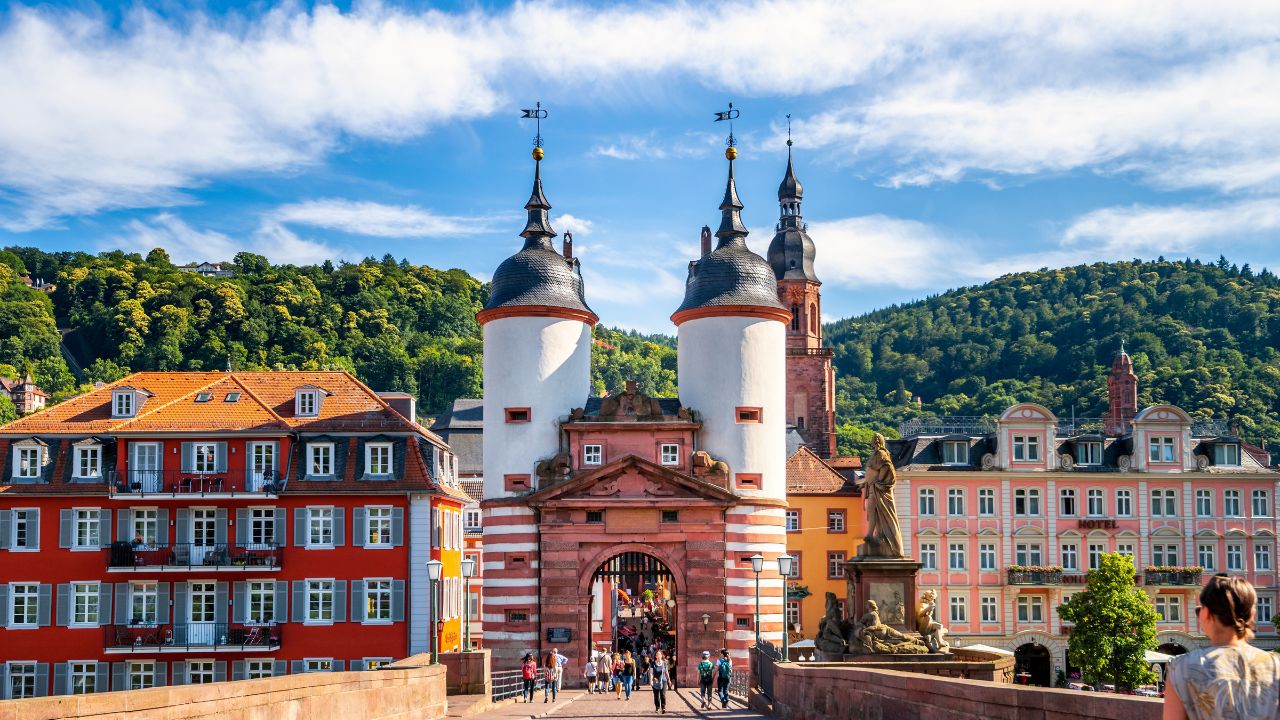
Heidelberg’s castle ruins and historic old town have inspired artists and thinkers for centuries, creating a romantic atmosphere unlike anywhere else. The baroque streets, riverside scenery, and classic architecture give the city a soft, poetic quality. At the same time, Heidelberg is a hub of academic excellence and scientific advancement, thanks to its world-renowned university and research institutions. The student presence adds energy, diversity, and modernity to the city’s historic charm. This combination gives Heidelberg a uniquely layered personality.
Cafés, festivals, and cultural venues reflect a creative and intellectual community thriving amid traditional streets. Modern research facilities stand near centuries-old buildings, illustrating Heidelberg’s commitment to progress. Eco-friendly transit and scenic walkways enhance daily life and exploration. The interplay between intellectual curiosity and historical beauty makes the city deeply engaging. Heidelberg feels simultaneously serene, vibrant, and inspiring.
Dresden
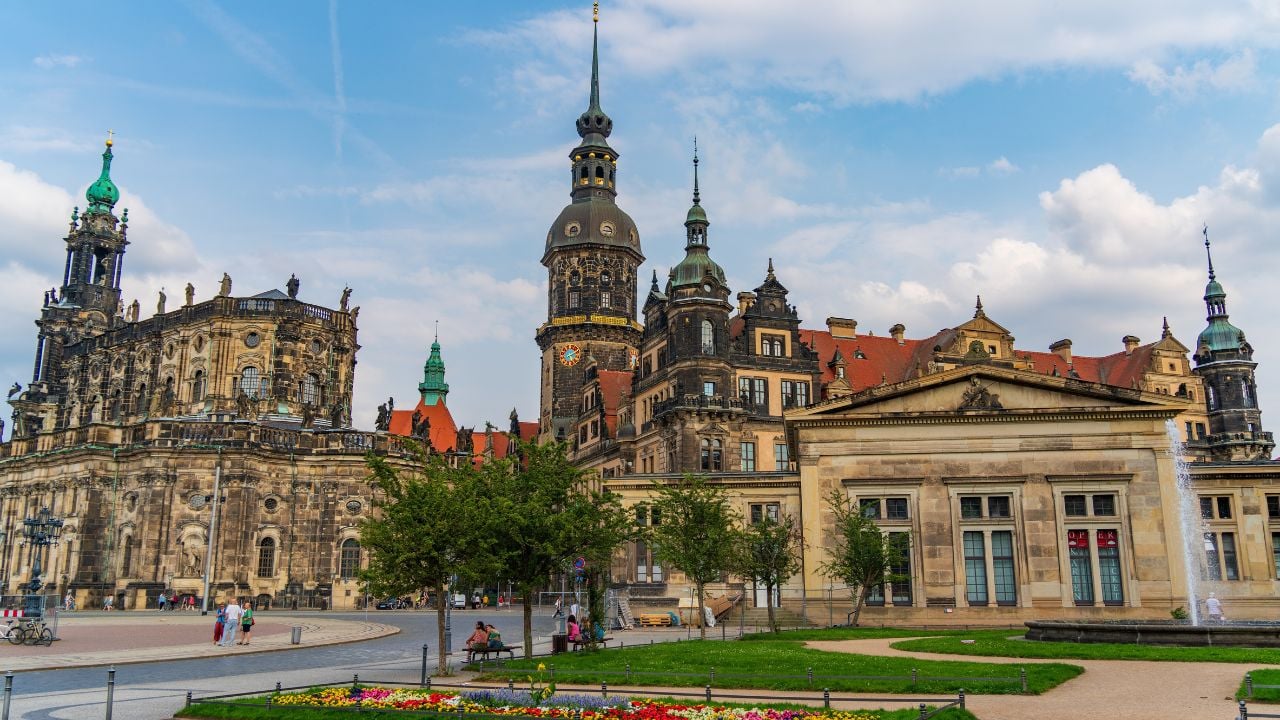
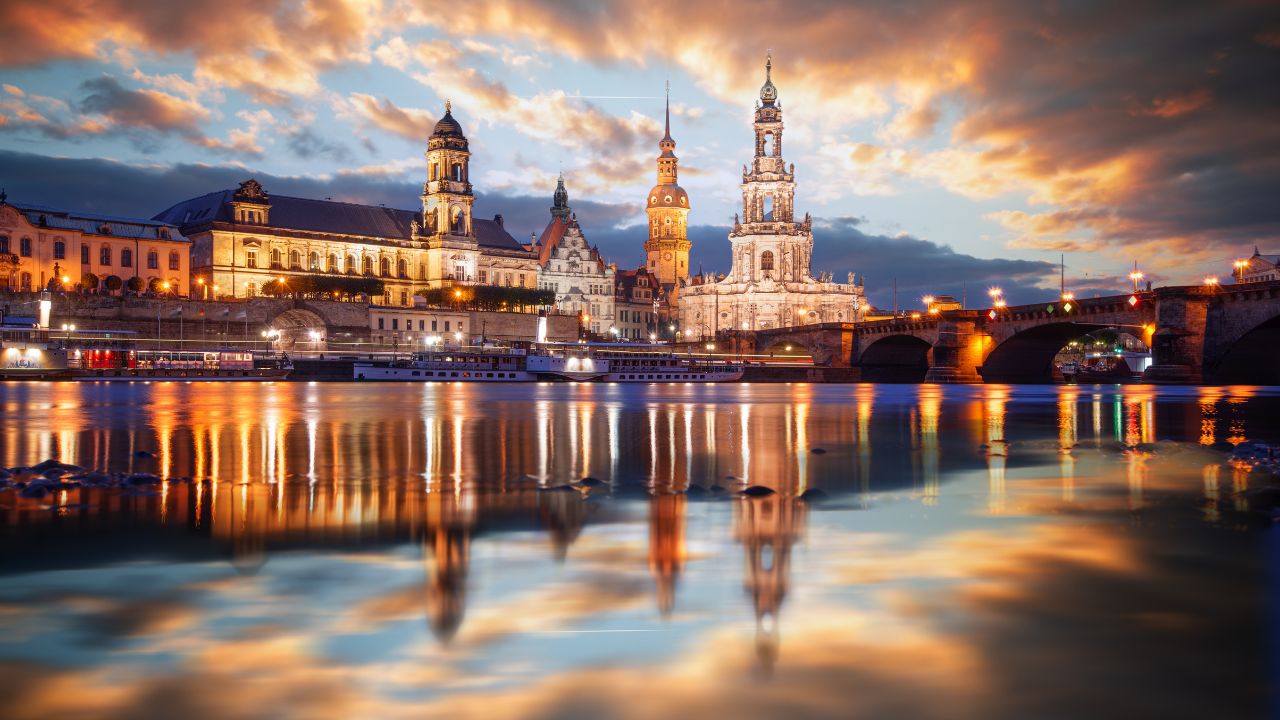
Dresden is a symbol of cultural rebirth, famous for its stunning baroque architecture and careful reconstruction of landmarks lost during wartime. The old town’s domes, palaces, and ornate facades create a sense of grandeur that speaks to the city’s historic importance.
Yet Dresden also embraces the contemporary through modern districts, experimental arts, and a strong tech and research sector. The contrast between old and new is dramatic but harmonious, embodying the city’s spirit of resilience. Dresden feels both reflective and forward-looking.
Along the riverbank, sleek buildings and dynamic public spaces add modern flair to the historic skyline. Museums blend classical works with boundary-pushing contemporary exhibitions. The city’s cultural life is rich, diverse, and constantly evolving. Walks across bridges offer panoramic views of eras coexisting in a single frame. Dresden’s journey from past devastation to modern vitality gives it a profound emotional depth that resonates with visitors.
Ulm
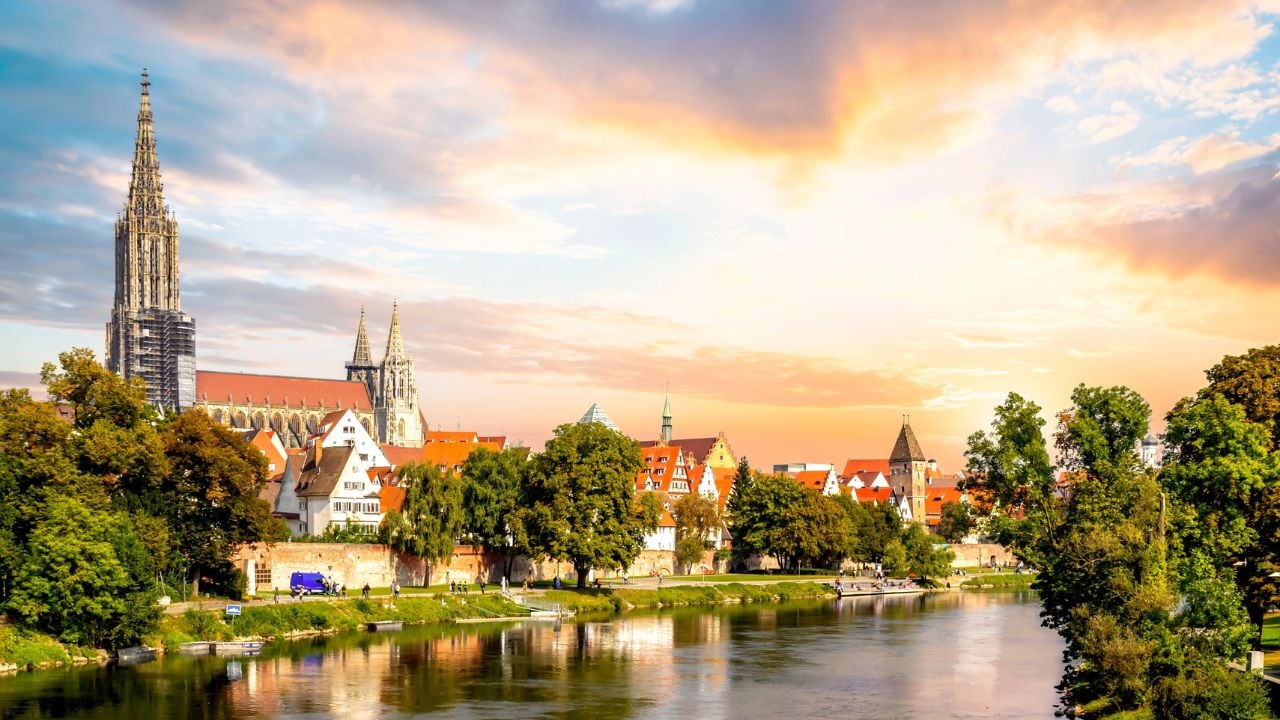
Ulm is instantly recognizable thanks to its towering Gothic cathedral, whose spire is the tallest in the world and dominates the city’s silhouette. The old town, with its half-timbered houses and winding alleys, provides a classic medieval setting. Ulm also boasts bold modern architecture, innovative public spaces, and a contemporary cultural scene that contrasts strikingly with its historic heart. The interplay of eras gives Ulm a dynamic and memorable identity. Visitors often find the city more modern than expected.
The Danube waterfront showcases sleek buildings and fresh urban design, while museums highlight both traditional craftsmanship and contemporary art. Educational institutions contribute to the city’s progressive outlook and research-driven culture. Streets lined with historic buildings open into modern plazas, creating surprising transitions. Ulm’s blend of styles feels confident and intentional, revealing a city comfortable with reinvention. This balance makes it both visually compelling and intellectually stimulating.
Hamburg
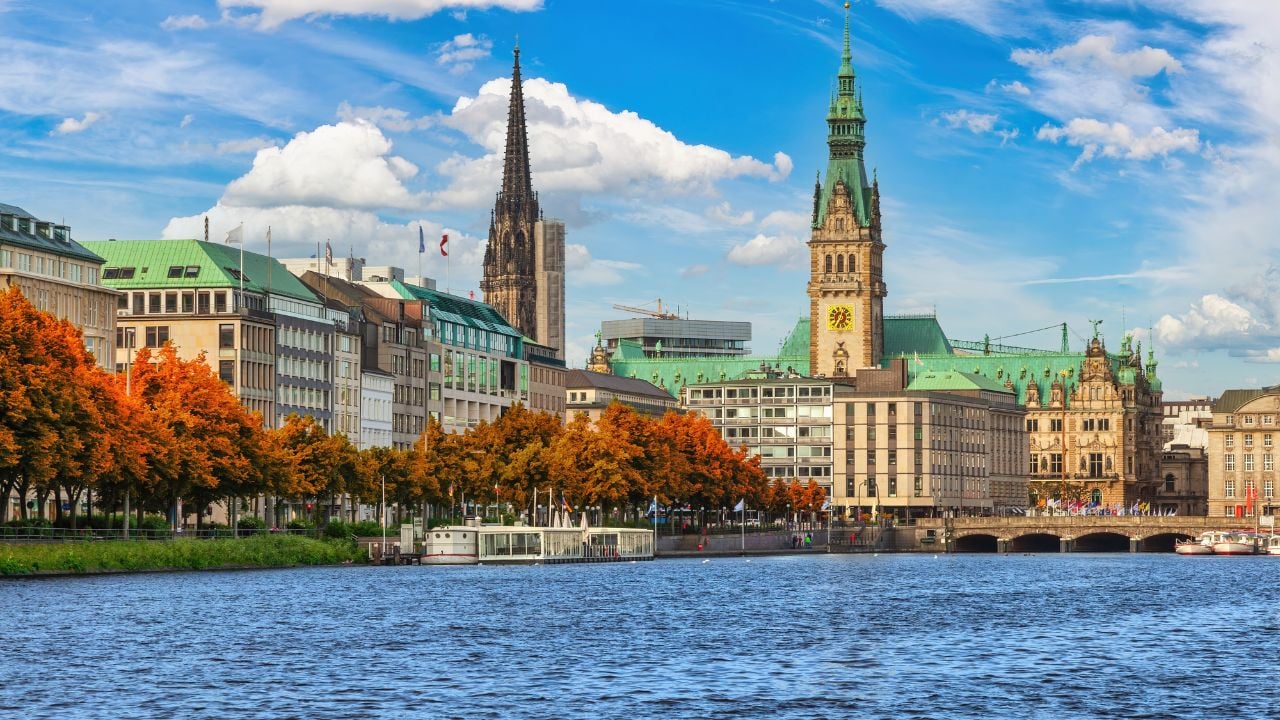
Hamburg’s maritime heritage defines its historic districts, with old warehouses, canals, and grand merchant buildings telling the story of a powerful port city. These traditional elements coexist with some of Germany’s most exciting modern architecture, especially in HafenCity, a waterfront neighborhood filled with innovative designs. The iconic Elbphilharmonie concert hall, built atop an old warehouse foundation, perfectly symbolizes Hamburg’s past-meets-future character. The city feels international, bold, and deeply connected to its roots.
Modern public spaces, efficient transit, and expansive promenades add sophistication to the city’s contemporary side. Historic neighborhoods retain their charm with bustling markets, unique shops, and long-standing traditions. Hamburg’s cultural life is one of the most vibrant in Germany, blending maritime spirit with creative ambition. Visitors can explore centuries of history in the morning and immerse themselves in futuristic environments by afternoon. Hamburg’s ability to merge grit, elegance, and innovation makes it endlessly fascinating.