
The ongoing government shutdown has created a cascading crisis in America’s skies, with unpaid air traffic controllers calling in sick at unprecedented rates and causing thousands of flight delays across the country. As the shutdown enters its fourth week with no resolution in sight, aviation experts and government officials are warning travelers to expect significant disruptions that could worsen as the holiday season approaches.
Controllers Working Without Pay Face Financial Crisis
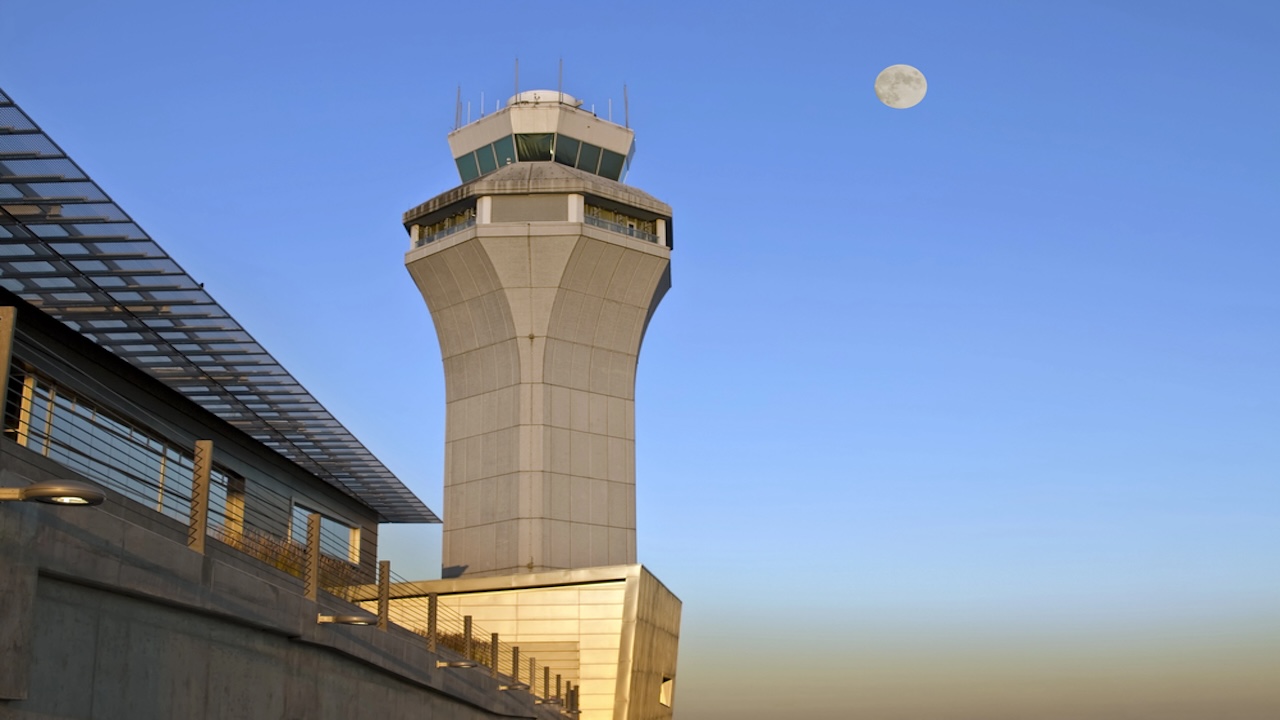
Air traffic controllers missed their first full paychecks on Tuesday as the shutdown continues, while Transportation Secretary Sean Duffy reported that flight delays due to staffing shortages have dramatically increased. Controllers received their first “$0 paycheck” on October 28, after receiving only a partial paycheck on October 14 for hours worked before the shutdown began.
Controllers are considered essential workers, so they must work during the shutdown, but are not being paid. The financial strain is forcing many to seek alternative income sources. “They’re taking second jobs, they’re out there looking, ‘Can I drive Uber, can I find another source of income to make ends meet?'” Transportation Secretary Sean Duffy said.
Some controllers are now driving for DoorDash or Uber after their grueling work schedules, prompting a few to call in sick due to the job’s stress and the extra hours off the clock. The air traffic control industry is understaffed, and current controllers had already been working six-day weeks, 10-hour shifts, before the shutdown.
Dramatic Increase in Flight Delays
The impact on air travel has been severe and growing worse daily. Duffy told reporters that 44% of flight delays on Sunday, and about 24% on Monday, were due to air traffic controller staffing, compared with around 5% of delays so far this year. On the worst days, staffing shortages have caused up to 53% of flight delays, compared to the typical 5%.
More than 50 staffing shortages have been reported since Friday morning, causing delays from Los Angeles to Washington, D.C. Flight delays in Dallas are averaging around 30 minutes and Chicago delays are averaging 40 minutes, according to FAA advisories.
Flights for Los Angeles International Airport were temporarily halted Sunday because of a staffing shortage at the Southern California TRACON, which handles flights arriving or departing. At Reagan National Airport in Arlington, Virginia, staffing issues caused a ground delay Sunday that was expected to last until midnight.
Safety Concerns Mount
The lapse in government funding makes air travel “less safe,” according to Nick Daniels, president of the National Air Traffic Controllers Association. “As this shutdown continues and air traffic controllers are not paid for the vital work that they do… that leads to an unnecessary distraction, and they cannot be 100% focused on their jobs, which makes this system less safe,” Daniels said. “Every day that this shutdown continues, tomorrow, we’ll be less safe than today.”
“We are here to ensure that the flying public is safe every time they get on an airplane. We have to be 100% focused, 100% of the time,” Pete LeFevre, an air traffic controller out of Washington Dulles International Airport, said. “And all we’re looking for is to be relieved of the financial uncertainty that comes with the government shutdown, and we’d like to be paid as soon as possible.”
Long-term Recruitment Crisis
The shutdown is also hampering efforts to address the existing air traffic controller shortage. Duffy said the shutdown is hurting government air traffic training and recruiting, and that some funds for trainee stipends are “about to run out”. “Controllers in the academy, and some who have been given spots in the next class of the academy are bailing. They’re walking away,” Duffy said.
The FAA Academy, which trains U.S. air traffic controllers, only has limited funding from the previous federal budget for current students. The shutdown means no new students can begin training.
Historical Precedent
This scenario has played out before with dramatic results. The government shut down for 35 days from December 2018 to January 2019. The shutdown ended after 10 air traffic controllers stayed home, snarling air traffic – though TSA staffing shortages at some of the nation’s largest airports were also a contributing factor.
Travel Tips for Navigating the Crisis

With no end to the shutdown in sight and holiday travel season approaching, aviation experts recommend several strategies for travelers:
Arrive Early and Plan for Delays Given the unprecedented nature of these staffing-related delays, travelers should arrive at airports 20-30 minutes earlier than they normally would, or a full 2-2.5 hours early for domestic flights. The unpredictable nature of controller shortages means delays can happen at any airport at any time.
Choose Non-stop Flights or Long Connections Book non-stop flights whenever possible to avoid the compounding effects of delays at multiple airports. If connections are necessary, build in longer layover times of at least 2-3 hours to account for potential air traffic control delays that could cause you to miss tight connections.
Use Travel Credit Cards with Insurance Use a travel credit card that offers trip delay and cancellation insurance. Many premium travel cards provide reimbursement for meals, hotels, and other expenses when flights are delayed or cancelled due to circumstances like government shutdowns.
Monitor Your Airline App Constantly Download your airline’s mobile app and enable push notifications. Watch the app closely for real-time updates on delays and gate changes, as air traffic control issues can develop rapidly and airlines may need to make last-minute adjustments to schedules and operations.
Industry Response
“It is safe to fly, but ATC staffing shortages strain the system and cause flights to be spaced out, slowing down everything. In some cases, flights may be delayed or even cancelled,” Airlines for America, the industry trade group, said. “The bottom line is that anyone heading to the airport right now is encouraged to pack their patience,” the group added.
As lawmakers continue negotiations to end the shutdown, travelers face an uncertain period where the very people responsible for safely managing the nation’s skies are struggling to pay their bills while doing one of the most stressful jobs in aviation. The mounting delays serve as a stark reminder of how essential these federal workers are to the smooth functioning of air travel across America.