For decades, the word “recall” sent shivers down the spines of car owners and automakers alike. It implied something had gone wrong: a faulty part, a safety lapse, or a hidden defect waiting to surface. In the past, recalls often came only after serious incidents or government intervention, and they carried the stigma of poor quality and corporate failure.
Fast forward to 2025, and that definition is evolving. Today’s recalls often tell a very different story of faster detection, greater transparency, and a more substantial commitment to preventive fixes. Automakers are identifying issues sooner, regulators are acting more swiftly, and consumers are better informed than ever before.
Yes, recall counts are up, sometimes dramatically, but higher recall totals do not automatically mean modern cars are less reliable. In many cases, higher recall volume reflects faster detection, closer oversight, and a lower tolerance for software and electronics issues that can trigger formal campaigns. The growing number of recalls reflects an industry learning to move at the speed of data, where even minor glitches in software or sensors prompt quick action long before they become real-world problems.
The Headline Stat and What It Really Means
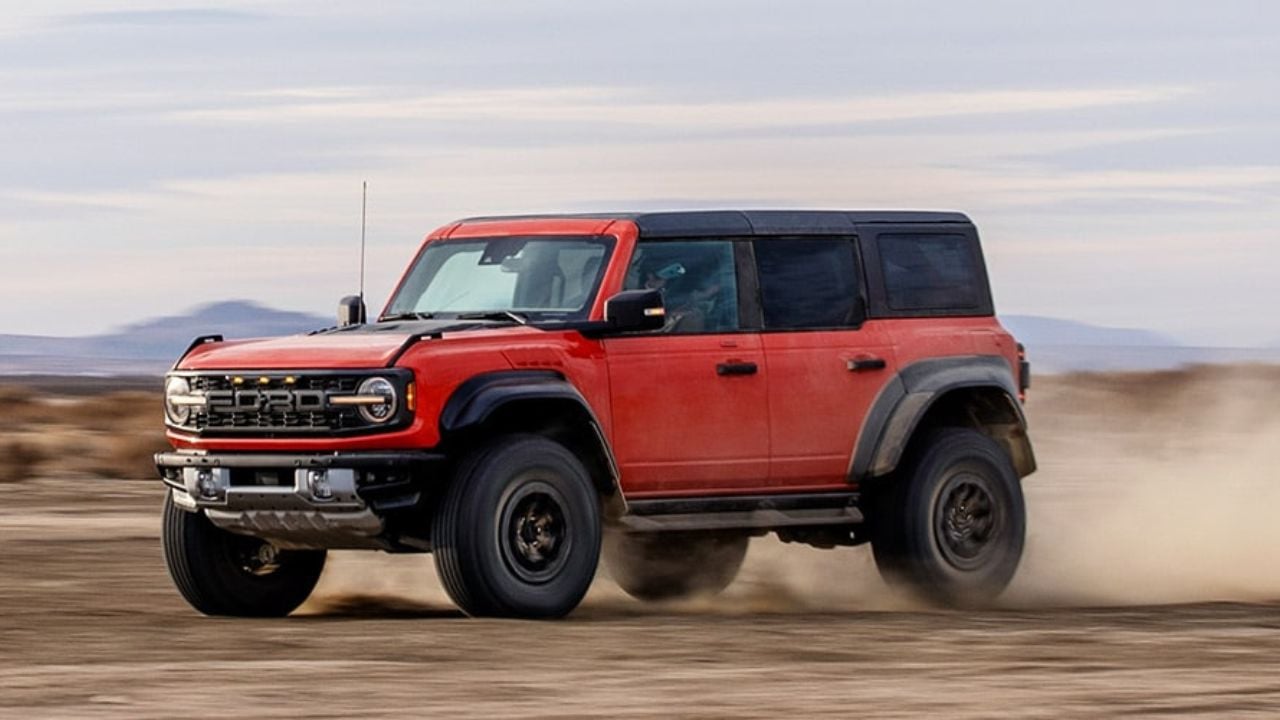
As of July 2025, Ford had issued 94 U.S. safety recalls covering more than 6.3 million vehicles, accounting for about 39% of all U.S. safety recalls so far in 2025, surpassing GM’s previous full-year record of 77 safety recalls set in 2014.
At first glance, that looks alarming. In context, Ford says the spike reflects more aggressive testing and more safety staff, not lower quality. The company has doubled its safety and technical experts and increased systems testing, moves that tend to surface more issues earlier.
Ford is also under tighter oversight after a November 14, 2024 NHTSA consent order that includes a $165 million civil penalty tied to delayed action and reporting on a rearview-camera recall first filed in 2020 and later expanded. The order also requires investments such as safety data analytics infrastructure and a new testing lab intended to improve the speed and scope of future recalls.
Why Recall Counts Are Climbing
- Complexity: Modern vehicles are software-defined machines. More code and connected systems mean more potential glitches, but also better diagnostics to catch them.
- Proactive culture: Regulators and the public expect quicker action; automakers increasingly recall before widespread failures occur.
- Software fixes: Many issues today are electronic or software-related and can be handled rapidly (sometimes via updates), not catastrophic mechanical defects.
Owner surveys and quality studies reflect this shift. Infotainment- and software-related issues remain frequent pain points, including smartphone integration and connectivity problems that can contribute to recall campaigns alongside other safety concerns.
Are Cars Actually Safer and Better?

Safety performance has never been stronger across the mainstream market, and advanced driver-assistance features are widespread. Meanwhile, initial quality for many brands remains competitive. In J.D. Power’s 2025 Initial Quality Study, the industry average improved to 192 problems per 100 vehicles (PP100), and Ford received the most segment awards among brands that year, with four segment wins.
Long-term reliability is a different lens. In J.D. Power’s 2025 Vehicle Dependability Study, Ford improved to 13th place, while Lincoln also improved to 19th. The study tracks problems reported by original owners after three years of ownership.
And Americans are keeping cars longer than ever. S&P Global Mobility reported the average age of vehicles on U.S. roads hit a record 12.6 years in 2024.
The Recall Paradox, Explained.
More recalls and better cars can both be true, because recalls now function like quality control in public:
- Better detection through analytics and telemetry finds issues early.
- Stronger oversight (and penalties for delays) accelerates action.
- Higher expectations for user experience mean minor electronic glitches can trigger formal campaigns.
- Preventive fixes reduce the chance of real-world incidents.
What Drivers Should Do (And Not Do)
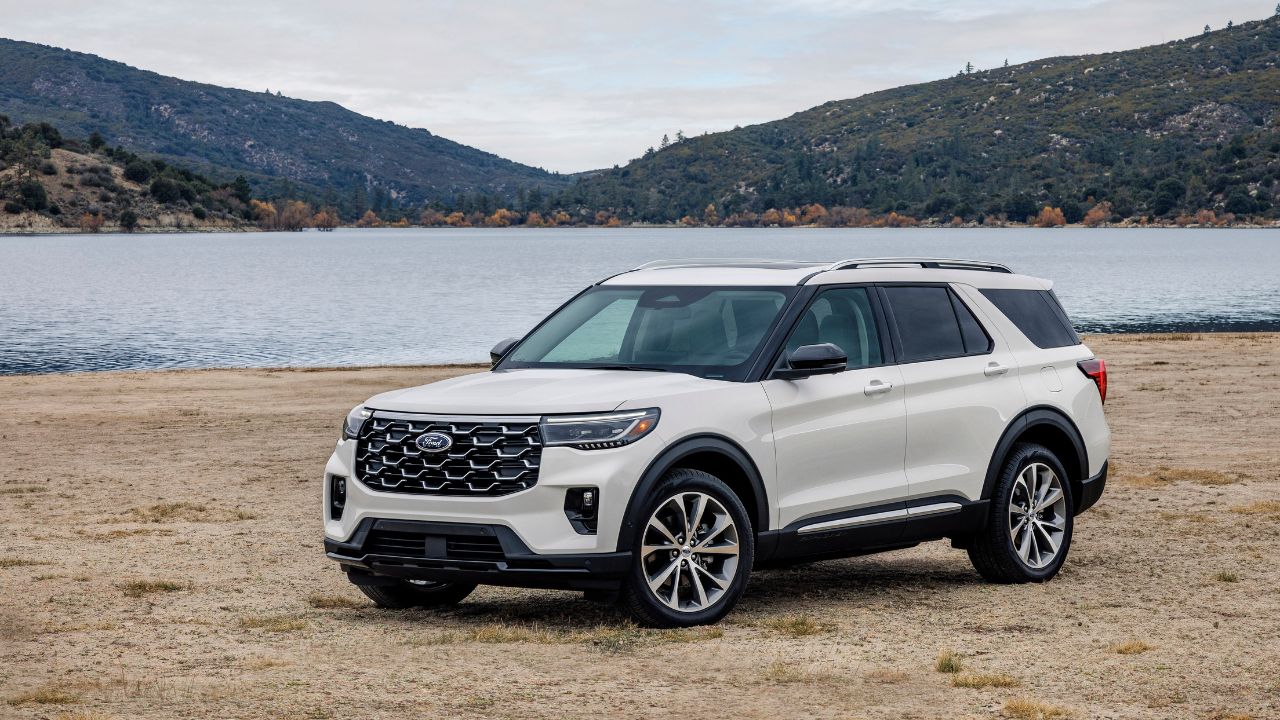
- Don’t panic, respond. Use your VIN at NHTSA’s recall lookup and your automaker’s site to check status and schedule free fixes. (Process details: NHTSA recall portal and OEM recall tools.)
- Stay current on software. Many modern “recalls” are software calibrations that dramatically improve day-to-day usability.
- Read recent owner reviews. Initial quality and longer-term dependability measure different things; checking both gives a fuller picture.
The Big Picture
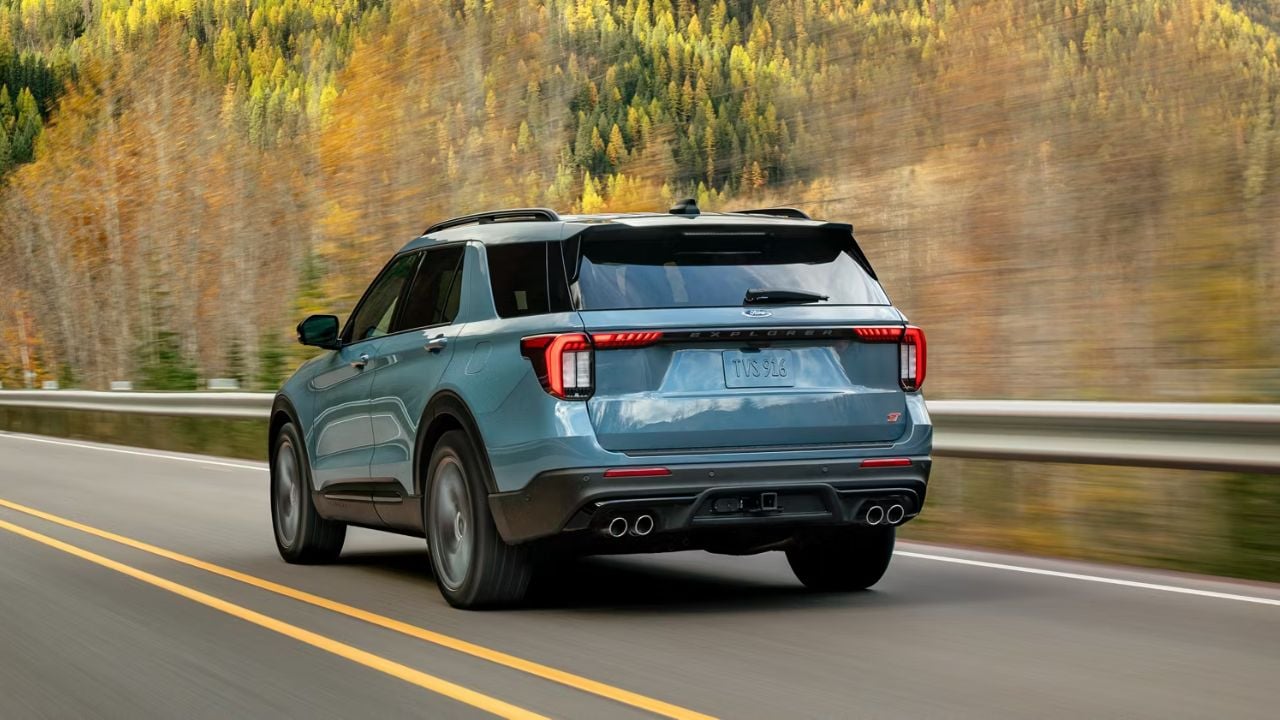
Ford’s record recall streak grabbed headlines in 2025, and the scrutiny is warranted. But stepped-up testing, faster campaigns, and greater public accountability are signs of progress, not failure.
With improving quality metrics and stronger dependability scores across the industry, drivers today are experiencing the safest and most transparent era of vehicle ownership in history.
The modern recall no longer signals poor craftsmanship. It reflects an evolving industry that uses data, technology, and continuous feedback to keep vehicles performing at their best. For consumers, that means more confidence on the road and a greater sense that manufacturers are paying attention.
So the next time a recall notice arrives, take it as reassurance that the system is working exactly as it should.