There’s something fascinating about a car that makes you stop and stare, whether you’re admiring it or wondering what the %#$! designers were thinking. Throughout automotive history, certain vehicles have sparked heated debates at dinner tables, car shows, and online forums, splitting enthusiasts right down the middle.
Some people see bold innovation and artistic courage, while others see a design that missed the mark. These polarizing vehicles often become the most memorable ones, living rent-free in our collective automotive consciousness long after their production runs end. The beauty of car design is that it’s subjective, and what one person considers an eyesore might be another’s dream garage centerpiece.
Let’s take a cruise through some of the most divisive automotive designs that had everyone picking sides.
Pontiac Aztek (2001-2005)

The Pontiac Aztek has become the poster child for controversial automotive design, though its reputation might be harsher than it deserves. With its angular body panels, prominent plastic cladding, and unusual proportions, the Aztek looked like it was designed by three different teams who never talked to each other.
Critics lambasted its appearance, yet the vehicle was actually ahead of its time in terms of functionality, offering features like a built-in tent, removable cooler, and versatile cargo space. Today, some enthusiasts have embraced the Aztek ironically, while others genuinely appreciate its quirky personality and practical innovations. Its starring role in Breaking Bad certainly didn’t hurt its cult status.
Whether you think it’s charmingly weird or just plain weird, there’s no denying the Aztek made an impression that lasts to this day.
My Opinion: I’m always shocked that the Aztek is so controversial. To me, it’s just plain boring and I’d never pick it out of a crowd of SUVs without my glasses on. For me, it’s a miss.
BMW 5 Series (E60)

BMW’s radical design departure under Chris Bangle sent shockwaves through the automotive world, and the E60 5 Series became ground zero for the controversy. The flame-surfaced bodywork, prominent trunk lid shelf, and controversial “Bangle Butt” rear end made traditionalists cry foul over the abandonment of BMW’s clean, classic lines.
Purists felt the sharp creases and unconventional proportions betrayed the brand’s heritage, while others praised BMW for taking risks and pushing design boundaries. Bangle later said the team felt strongly about staying close to an early concept during the E60’s development, especially after the loss of designer Davide Arcangeli.
Over time, many of Bangle’s design elements became industry trends that other manufacturers adopted. The E60 has aged surprisingly well in some eyes, with its bold stance now looking more visionary than outrageous. Love it or hate it, this generation forced everyone to have an opinion, and it proved that even established luxury brands aren’t afraid to shake things up.
My Opinion: I’m not a BMW enthusiast, so I may not be the one to judge. To me, this looks like a regular ol’ BMW with its oversized grille and sorta safe design. But okay, I can see some of the unflattering lines. For me, it’s another miss.
Nissan Juke (2011-2017)

The Nissan Juke arrived on the scene looking like a bullfrog that hit the gym, with its elevated driving position and muscular haunches creating a love-it-or-hate-it silhouette. Those distinctive headlights, split into upper position lights and lower main beams, became the most debated design element, giving the front end an expression that some found aggressive and others found confused. The high beltline and thick C-pillars created a bunker-like appearance that made the cabin feel snug, though critics argued it felt claustrophobic.
Despite the polarizing looks, the Juke found a strong following among younger buyers who appreciated its quirky personality and zippy performance, especially in NISMO trim. It carved out a niche in the subcompact crossover segment and proved there was a market for unconventional styling. The Juke taught the industry that sometimes being weird is better than being forgettable.
My Opinion: The Juke is not for me (me being a “young” buyer is debatable), but I do think it has its appeal. If you’re gonna get an SUV, why not get a fun one? For me, it’s a hit.
Chrysler PT Cruiser (2001-2010)
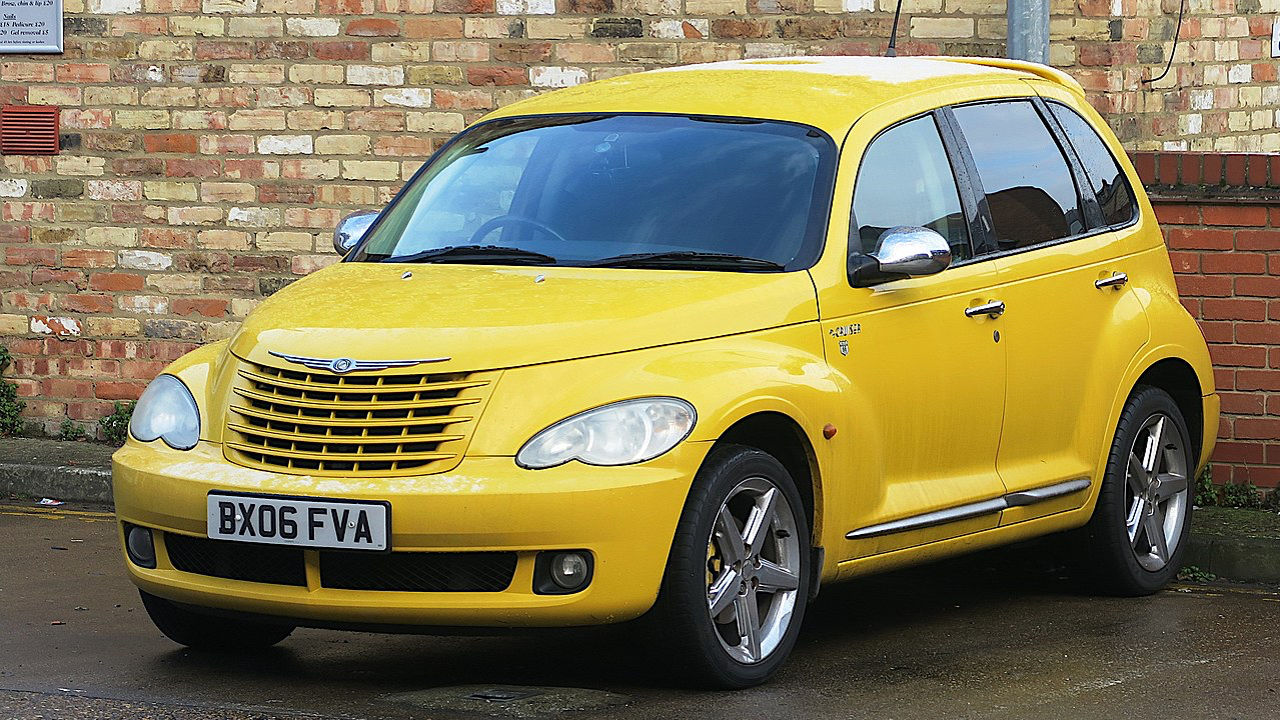
The PT Cruiser’s retro-inspired design was either a charming throwback to 1930s hot rods or a confused styling exercise, depending on who you asked. When it launched, the distinctive design drove significant sales as buyers flocked to something different in a sea of bland sedans. The high roof, curved fenders, and distinctive grille created instant recognition, making every PT Cruiser immediately identifiable from blocks away.
However, the novelty wore off for many, and the design that once seemed fresh began to feel gimmicky as the years passed. Critics pointed to the execution of interior details and materials that didn’t quite live up to the exterior’s ambitions.
Still, the PT Cruiser sold over 1.3 million units during its run, proving that divisive design can still translate to commercial success when the timing is right. The designer, Bryan Nesbit, became a bit of a reluctant celebrity when the PT Cruiser went 2000’s version of viral. But for Nesbit, all he wanted to do was get a job: “I had just graduated from the Art Center [College of Design in California, in 1993] with lots of debt, my marriage was breaking up, my friends got jobs at Ford and Audi, I couldn’t get a job… it was a huge disappointment.”
My Opinion: My sibling adamantly hates the PT Cruiser, calling it “undatable” after it appeared in some video of the most unappealing cars a man can own. However, I think it’s a bit cute. For me, it’s a hit.
Tesla Cybertruck (2023-Present)
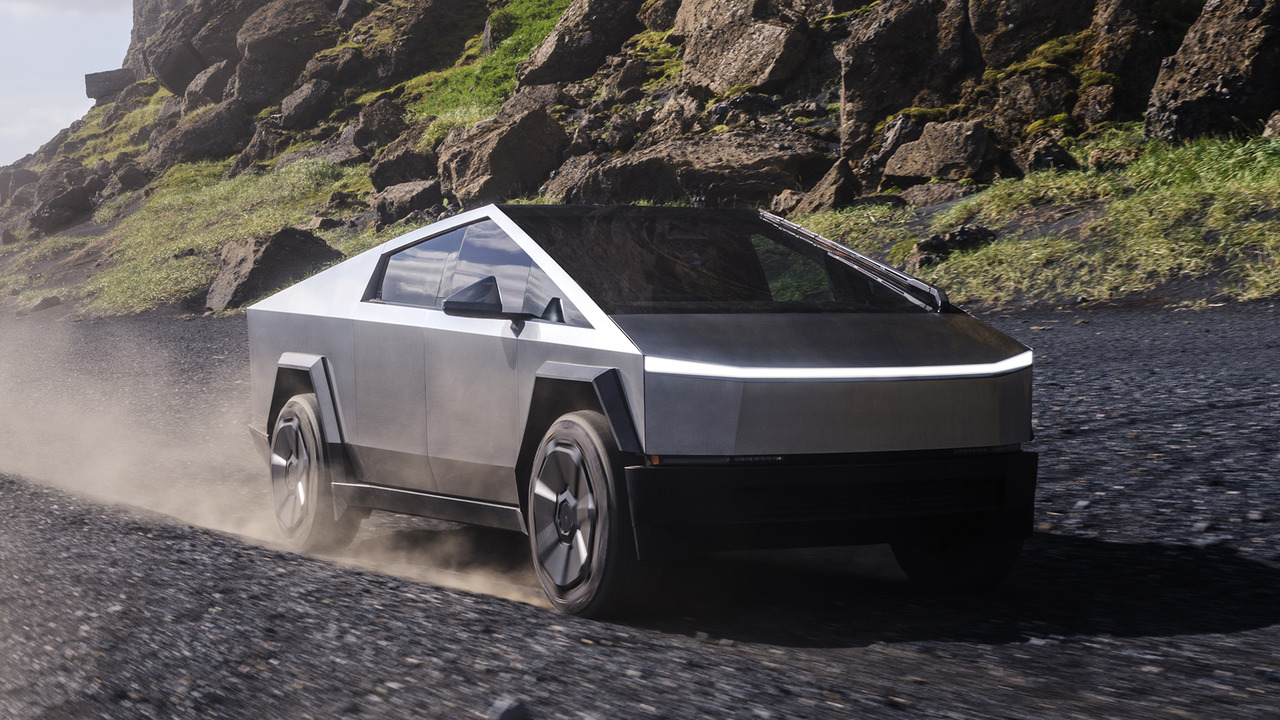
When Tesla unveiled the Cybertruck’s angular, stainless steel exoskeleton, the internet practically broke in half with reactions ranging from awe to disbelief. The design looks like it drove straight out of a 1980s sci-fi movie, with its flat panels, sharp angles, and complete rejection of traditional truck aesthetics.
Some see it as a revolutionary departure from cookie-cutter pickup designs, while others think it looks unfinished or overly gimmicky. The polarizing appearance has been one reason for the mixed reception since the Cybertruck’s late 2023 launch. Its supporters argue that the unconventional design serves functional purposes, from aerodynamics to durability.
Whether the Cybertruck’s design will age like fine wine or milk remains to be seen, but it’s certainly got people talking.
My Opinion: I think the Cybertruck is going for “future” with its featureless, pointy design. But to me, it looks like “future bad investment.” For me, it looks like “future bad investment.” For me, it’s a miss.
AMC Pacer (1975-1980)

The AMC Pacer was supposed to be the car of the future, with its wide body, massive glass area, and distinctive rounded profile meant to revolutionize compact car design.
At about 77.3 inches wide and about 171.8 inches long, the Pacer was nearly as wide as a full-size car, creating proportions that some found appealingly unique and others found just plain odd. The fishbowl-like greenhouse provided excellent visibility but also made occupants feel like they were sitting in a display case. AMC’s marketing called it the “first wide small car,” though critics called it other things entirely. The Pacer found a second life in pop culture, becoming an icon of 1970s design excess in movies like Wayne’s World.
Its reputation oscillates between misunderstood innovation and automotive punchline, with enthusiasts still arguing both sides today.
My Opinion: Yeah, it’s a bit quirky and maybe a bit unneeded. However, I like its distinctive appearance, especially the windows. For me, it’s a hit.
Nissan Cube (2009-2014 in US)

The Nissan Cube brought Japanese quirk to American shores with its asymmetrical rear window, wraparound rear glass, and boxy proportions that divided opinions instantly. The interior featured creative touches like circular gauges, rippled headliner, and available shag dashboard trim that felt more like a boutique hotel lobby than a vehicle.
Some buyers embraced the unconventional design as refreshingly different and practical, with its tall roofline and square shape maximizing interior volume. Others couldn’t get past the eccentric styling, particularly the rear window that wrapped around the driver’s side but not the passenger side. The Cube cultivated a small but devoted following among urban drivers who appreciated its personality and fuel efficiency. The Cube cultivated a small but devoted following among urban drivers who appreciated its personality and fuel efficiency, even if they admitted it was not conventionally pretty.
Sales in the US never reached Nissan’s expectations, proving that Japanese-market quirkiness doesn’t always translate to American tastes.
My Opinion: Not gonna lie, I like it! I wouldn’t buy one, but I’d smile if I saw one. It has a bit of a fun edge to it and you can’t fault a driver that just wants to smile on the way to work. For me, it’s a hit.
Lincoln MKT (2010-2019)

Lincoln’s MKT attempted to bring bold design to the luxury crossover segment, but its split rear window and unusual proportions left many scratching their heads. The distinctive rear styling, where the side glass wraps around the D-pillar, created a look that some found sophisticated and others found awkwardly executed. Up front, the large chrome grille and horizontal headlights gave it presence, though critics argued it looked overstyled compared to German competitors.
Inside, the MKT offered genuine luxury and impressive comfort, with available features that rivaled pricier European alternatives. The controversial styling likely kept it from reaching its full sales potential, though it developed a loyal following among buyers who wanted something different. Lincoln’s design language has evolved significantly since then, but the MKT remains a fascinating example of American luxury’s attempt to stand out.
My Opinion: This is just a forgettable SUV with a shiny grille. For me, it’s a miss.
Subaru Baja (2003-2006)

The Subaru Baja looked like someone cut the back off an Outback wagon and installed a tiny pickup bed, which is essentially what it was. This car-truck hybrid puzzled traditional truck buyers who wanted more capability and confused car buyers who didn’t understand the compromise. The design featured Subaru’s signature rugged styling cues, but the proportions never quite looked resolved, with the bed seeming like an afterthought rather than an integrated design element.
Despite the lukewarm reception, the Baja offered genuine versatility with its all-wheel drive, pass-through rear window, and surprising cargo flexibility. Today, the Baja has developed a cult following among enthusiasts who appreciate its weirdness and practicality in equal measure. It proved there was a narrow market for car-based pickups, even if Subaru couldn’t quite crack the formula.
My Opinion: It’s not anything I’d want, seeing as I’m not in the market for a bubbly, bulky car or an undersized truck. Honestly, it’s probably not what most people want, but I can respect Subaru’s attempt at something unique. For me, it’s a hit.
Chevrolet SSR (2003-2006)

Chevrolet’s SSR (Super Sport Roadster) was a retro hot rod pickup with a power-retractable hardtop that tried to be too many things at once.
The design borrowed heavily from 1940s and 1950s Chevy trucks, with exaggerated curves, prominent fenders, and chrome details that screamed nostalgia. Some thought it was a cool throwback that captured classic hot rod spirit, while others saw it as overwrought and impractical. With only two seats and a tiny bed, the SSR wasn’t practical as a truck, and its hefty weight meant it wasn’t exactly a sports car despite the V8 power. The concept was intriguing, a retro convertible pickup, but the execution left many wondering who exactly the target buyer was.
Despite limited sales, SSRs have maintained decent value among collectors who appreciate their uniqueness and relatively limited production numbers.
My Opinion: My sibling was in love with this thing when it first came out. It’s probably the most unique take on a pickup I’ve seen and it somehow works. I mean it doesn’t, but it does. You know? For me, it’s a hit.
Fiat Multipla (1998-2010, No U.S. Market Presence)

Though the Fiat Multipla never officially sold in the US market, it deserves mention as one of the most polarizing designs in automotive history. The two-tier windscreen and bulging front end created a face that looked perpetually surprised, earning it both design awards and endless mockery. The unusual styling served a purpose, allowing six passengers to sit in two rows of three seats, maximizing space efficiency in a compact footprint.
European design critics actually praised its functionality and innovative packaging, while the general public mostly recoiled at its appearance. The Multipla became internet-famous years after production ended, regularly appearing on “ugliest cars” lists while simultaneously earning praise from design schools.
Sometimes the most functional designs can’t prioritize conventional beauty, and that’s okay.
My Opinion: I feel bad because it sorta looks like an alien baluga whale, but it just feels a bit slapped together like a lazy Frankenstein creation. I think it proves that the seat arrangement just didn’t work, with the car bulging in the most uncomfortable ways. For me, it’s a miss.
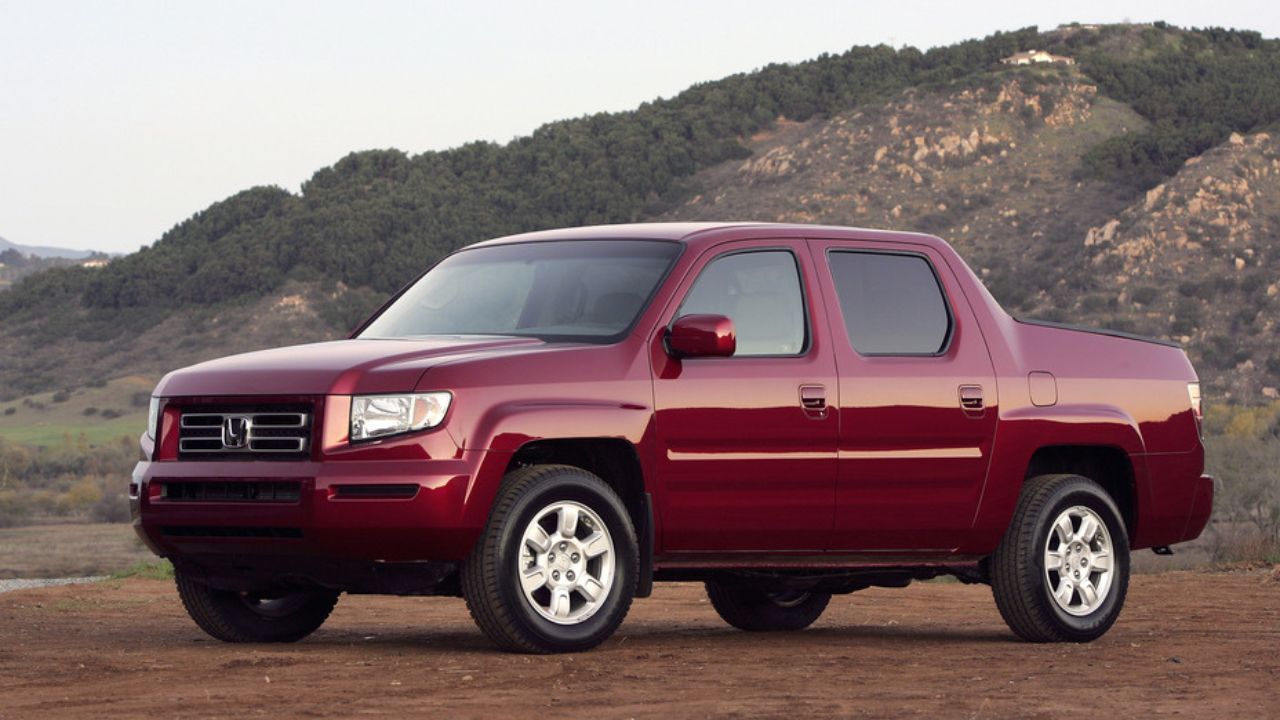
Honda Ridgeline (2006-2014, First Generation)
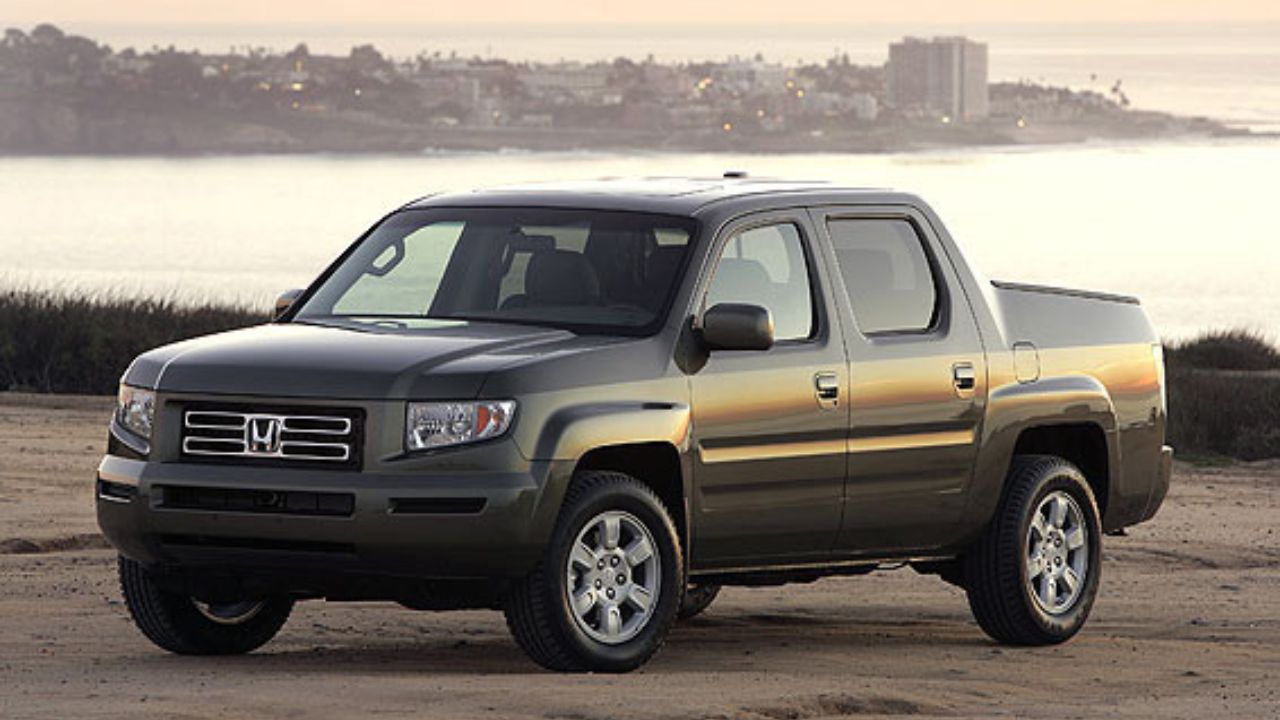
Honda’s first attempt at a pickup truck confused traditional truck buyers who couldn’t understand the car-like unibody construction and unconventional styling. The Ridgeline’s flying buttress C-pillar, dubbed the “Sport Utility Truck” bed design, created a divisive silhouette that looked nothing like Ford, Chevy, or Ram trucks.
Honda fans appreciated the practical features like the in-bed trunk, dual-action tailgate, and car-like ride quality that made it easy to live with daily. Traditional truck enthusiasts dismissed it as not a “real truck,” though the Ridgeline could handle most tasks the average pickup owner actually performs. The styling has grown on some people over time, and the second-generation design addressed many criticisms while keeping the practical innovations.
The first-gen Ridgeline remains a fascinating case study in what happens when an automaker challenges established segment conventions.
My Opinion: It looks like the bulkiest car ever made. I’m scared Dr. Now is going to pop up outta nowhere and offer me a gastric bypass surgery. For me, it’s a miss.
Conclusion

The most divisive car designs often teach us more about automotive culture than the universally beloved ones ever could. These vehicles remind us that design is deeply personal, and that taking risks sometimes means alienating half your potential audience while creating devoted fans in the other half.
Many of these controversial vehicles have aged better than expected, with time softening harsh initial judgments and revealing innovative thinking that wasn’t appreciated at launch. The automotive landscape would be incredibly boring if every manufacturer played it safe, sticking to proven formulas without experimenting with bold ideas. Whether these designs represent brave innovation or misguided experiments, they’ve all contributed to the rich tapestry of automotive history.
Here’s to the cars that made us argue, debate, and ultimately care deeply about the metal, glass, and rubber rolling down our roads.