
Remember your dad’s friend who kept his 1980s Corvette locked away in the garage, convinced it would skyrocket in value one day? Or that neighbor who refuses to put miles on his sports car because he’s “protecting the investment”?
These are not those cars.
No one sealed them away like rare action figures or parked them, hoping for a payday. However, with today’s excitement over anything vintage and the way even basic commuter cars are commanding big prices, it’s easy to assume that anything old with a little chrome should be worth a fortune by now.
That’s not how it always works.
Some of these models prove that age doesn’t automatically equal value. Others might still see their moment as nostalgia shifts and clean examples get harder to find. And a few? They may never earn collector status, but they make great entry points, projects, or just fun weekend toys you can actually enjoy driving.
Methodology & Definitions
For this story, we’re using a practical definition of ‘classic’: roughly 20–25 years old or older, since that’s a common eligibility window used across many classic-car insurance programs and state registration categories (though the exact cutoff varies by state and insurer).
Of course, for a car to truly be considered a classic, age alone isn’t enough; it also needs a measure of cultural or historical significance. The tricky part is that people rarely agree on what qualifies. Sure, there are the undisputed legends we all recognize, but there’s still plenty of room for debate about what else deserves a spot in the conversation.
Over time, perceptions shift. As clean survivors disappear, even once-overlooked models can start to earn nostalgic appeal. Pop culture has a way of rewriting reputations, turning forgotten oldies into cult favorites or even ironic icons. The AMC Pacer’s pop-culture moment in Wayne’s World helped cement it as a cult oddball for new audiences, while the much-maligned Pontiac Aztek got a second life in pop culture thanks to Breaking Bad.
1979-1985 Cadillac Eldorado
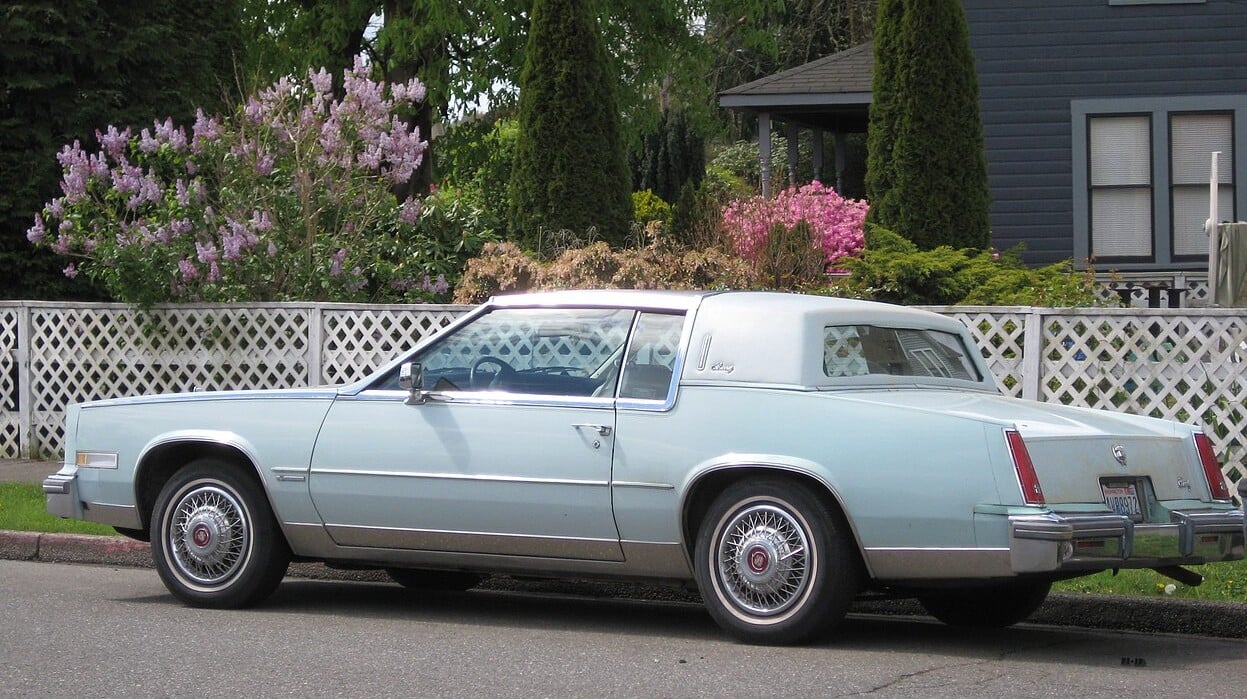
The downsized Eldorado was meant to showcase American luxury, but it never really caught on with collectors. Today, you’ll often see driver-quality examples selling in the high single digits to the mid-teens, depending on condition and trim (with many price guides putting “good” early-’80s cars in the $7,000–$9,000 range). That still feels surprisingly low when you consider the Eldorado’s original sticker price, about $14,668 when new, which works out to roughly the mid-$60,000s in today’s money when adjusted for inflation.
The problem is they’re not quite old enough to be truly classic, not quite stylish enough to be desirable, and not quite reliable enough to be practical daily drivers.
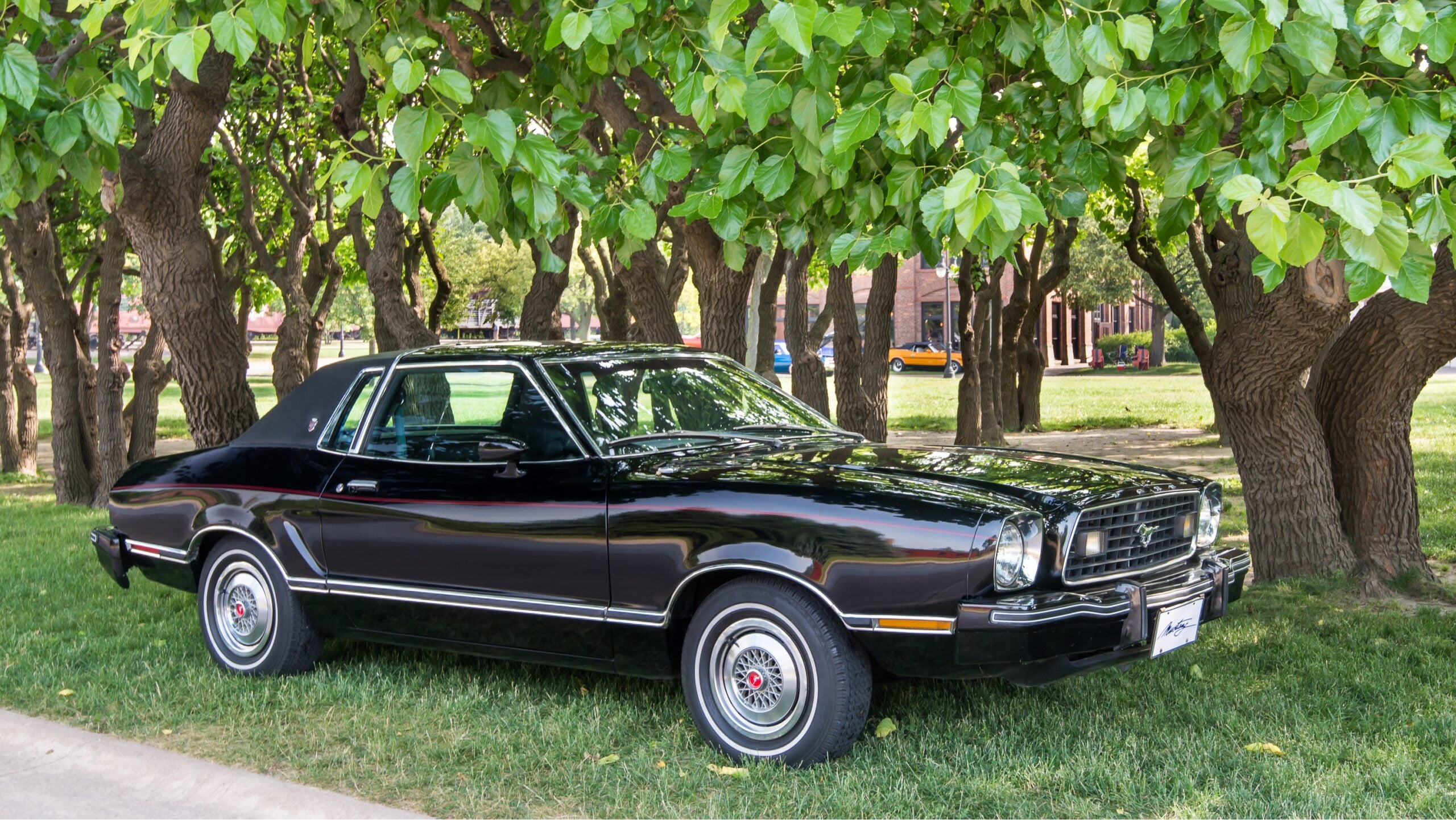
1974-1978 Ford Mustang II

When the Mustang II came out, Ford figured they’d created another instant classic by keeping the nameplate alive during the fuel crisis. These cars remain stubbornly cheap; values swing hard by trim and condition, but many driver-quality cars land around $10k–$13k, with nicer/rarer variants higher.
The styling doesn’t inspire passion, the performance was anemic compared to earlier Mustangs, and collectors largely pretend this generation doesn’t exist.
1980-1982 Chevrolet Corvette
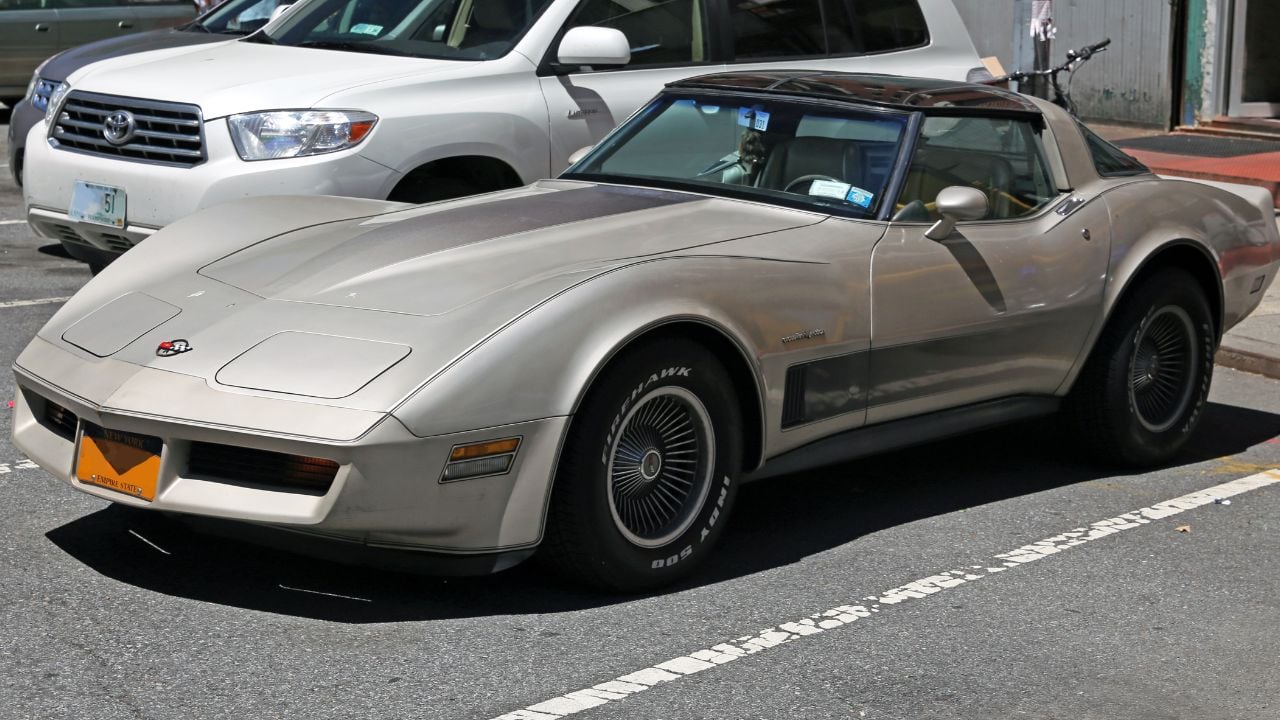
You’d think any Corvette would be worth serious money by now, but these late-model, early-1980s C3s, especially the California-spec cars, are the exception. Values often land in the mid-teens for decent drivers, with rougher projects lower and clean examples higher, far below what you’d pay for the earlier chrome bumper models or the sharper C4s that followed.
Sure, the smog era power output didn’t do them any favors, but that doesn’t mean they deserve their forgotten middle child reputation. With pop-up headlights, T-tops, and unmistakable curves, these cars are pure 1970s-meets-1980s Americana.
At today’s prices, they’re one of the most affordable ways to own a classic Corvette you can actually enjoy driving. Plus, nothing’s stopping you from modernizing it with an LS swap and turning it into the car it always should have been.
1970s Jaguar XJ6

British luxury sedans from the 1970s seemed like obvious future collectibles with their elegant lines and wood-trimmed interiors. Instead, most XJ6s from this era often change hands in roughly the $10k-ish to mid-teens range when they’re actually sorted and drivable, which is the whole challenge.
The maintenance costs and reliability issues have scared away all but the most dedicated enthusiasts, who actually enjoy working on cars more than driving them.
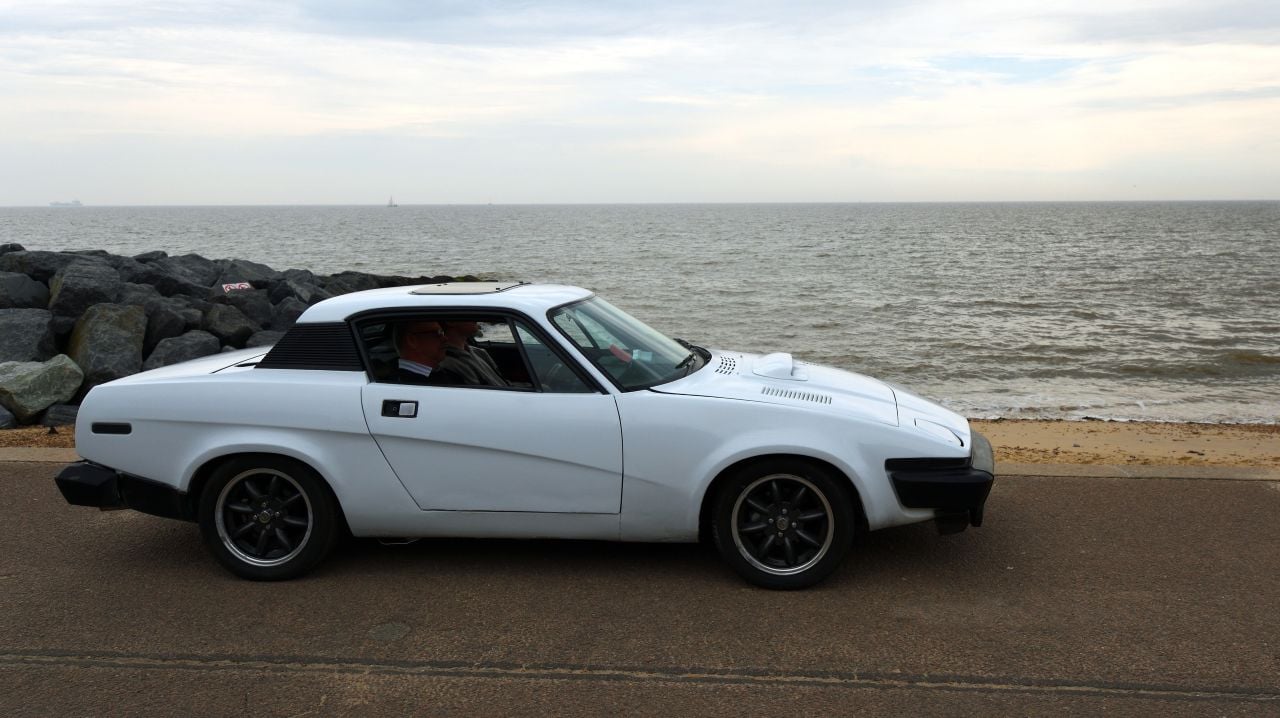
1974-1981 Triumph TR7
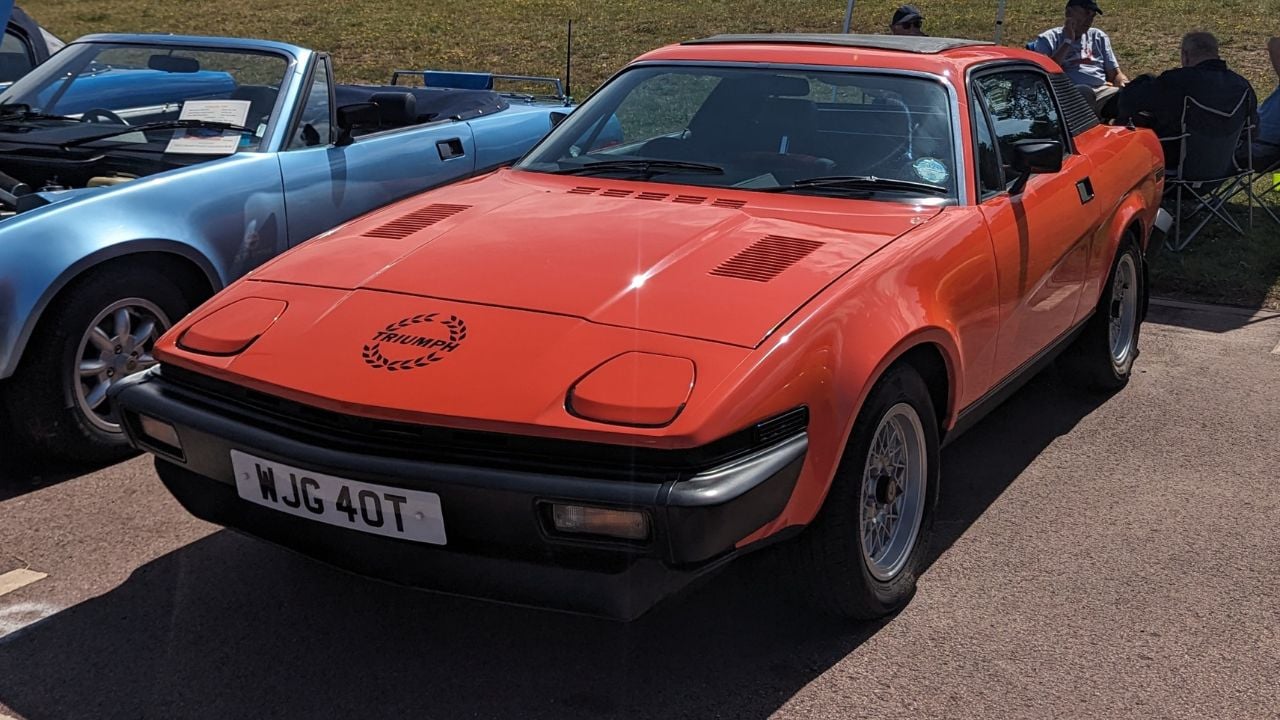
According to Hemmings, Triumph marketed the TR7 as “the shape of things to come,” but its wedge design never became the classic look people hoped for. These British sports cars often sit around the mid-single-digits for decent drivers, with the best examples climbing higher, which barely covers restoration costs on most examples.
The reliability problems and the fact that it replaced the beloved TR6 mean collectors have never really warmed to it.
1975-1980 AMC Pacer

The quirky Pacer seemed destined to become valuable simply because it’s so distinctive and relatively rare. Even nice examples often stay under the mid-teens, and plenty of driver-quality cars still trade in the single digits to low teens.
The problem is that being weird doesn’t automatically make something collectible, especially when that weirdness comes with mediocre performance and questionable build quality.
1983-1988 Chevrolet Monte Carlo SS

GM’s attempt to revive performance in the mid-1980s should have resulted in a future classic, and the Monte Carlo SS had the right look. Many land in the high teens for driver-quality cars, with better examples higher, which is reasonable but not the investment many expected.
Production wasn’t exactly rare; for example, over 41,000 Monte Carlo SS models were produced for 1986, and the performance numbers don’t impress compared to modern standards.
1971-1973 Ford Mustang

The biggest Mustangs ever made seemed destined to be collectible based on presence alone, with a wide stance, long hood, and plenty of screen time in ’70s movies. Yet, despite their dramatic looks, most examples still trade between $12,000 and $25,000, depending on condition, far below the values of their 1960s predecessors.
Collectors tend to associate this generation with bloat and emissions-era compromise rather than the pure pony car spirit that defined the original. Performance dropped, weight went up, and by the time Ford downsized again in 1974, these models were already fading from memory.
1978-1987 Pontiac Grand Prix
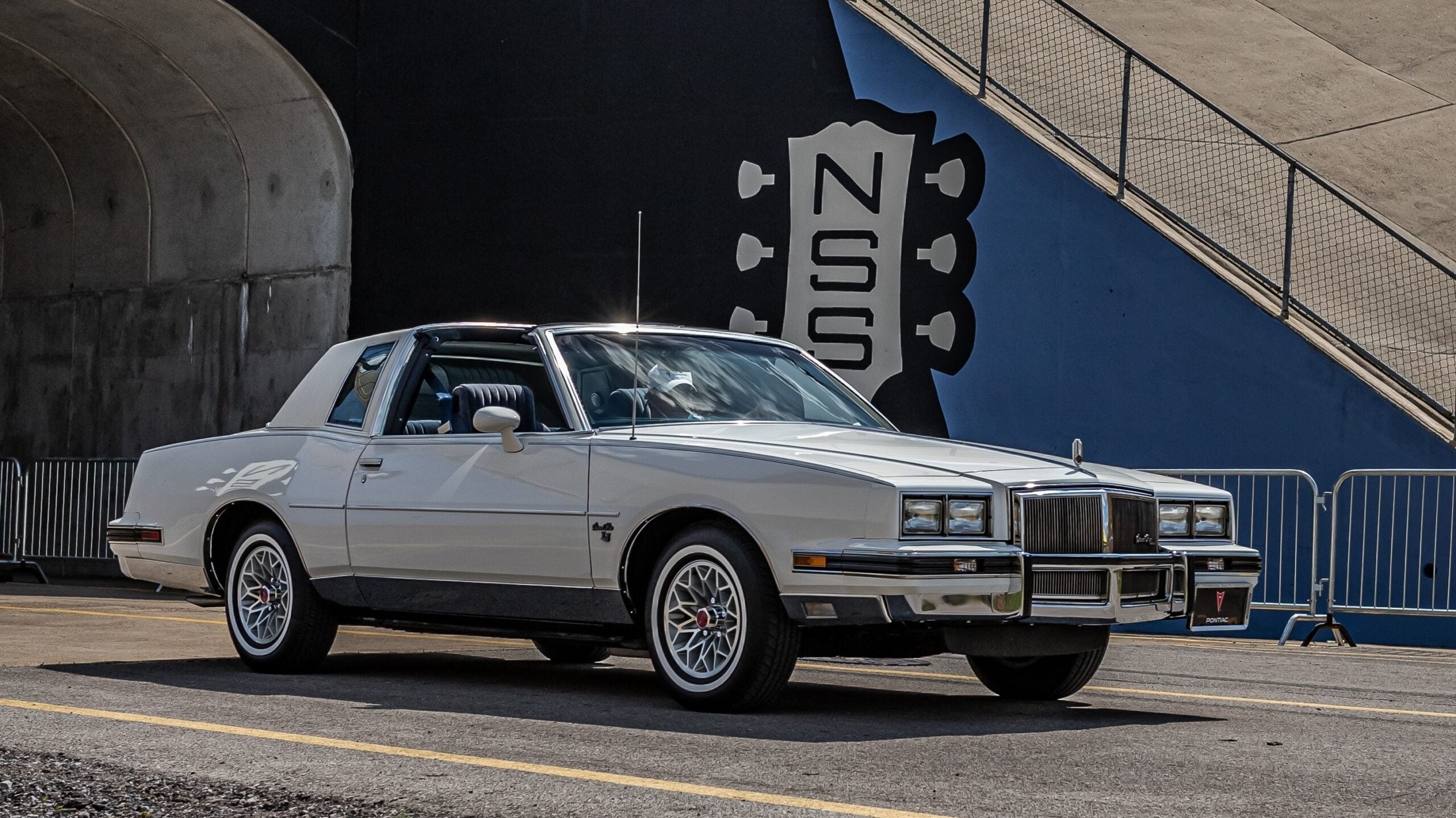
Prices vary a lot by trim and condition, but Hagerty’s own quoting data shows the 1978–87 generation averaging around $15,000 in quote values (with real-world sales spanning well below and well above that depending on spec).
They’re nice enough cars, but they don’t inspire the passion needed to drive prices higher.
1980-1986 Ford Bronco

Before the early Broncos became six-figure investments, people assumed the full-size versions would follow suit. Decent drivers often start in the teens, but clean, well-kept examples can push into the $20k–$30k range in today’s market, though prices have crept up slightly.
They’re practical and capable, but collectors want the smaller, earlier Broncos with more vintage appeal.
1978-1987 Buick Regal

Even the turbocharged Grand National’s less powerful siblings seemed like they’d gain value over time. Most standard Regals from this era stay in the single digits to low teens, depending on condition and spec (with base cars often valued in the mid-single digits), entirely overshadowed by their performance variants.
Being related to an icon doesn’t automatically make you one, especially when you’re missing the turbo and the menacing black paint.
1975-1979 Chevrolet Nova

The Nova had been a performance platform in the 1960s and early 1970s, so these later versions seemed like reasonable investments. Clean examples typically sell for $8,000 to $18,000, respectable but not exciting.
The emission-strangled engines and more formal styling just don’t create the emotional connection that drives collector car prices into the stratosphere.
The Bottom Line
The classic car market reminds us that nostalgia alone doesn’t create value. These cars prove that even vehicles with solid pedigrees, recognizable names, or distinctive styling can remain affordable if they don’t capture collectors’ imaginations. For buyers, that’s actually good news since these models offer an accessible entry point into classic car ownership without the investment pressure.
Just remember to buy the car you actually want to drive rather than the one you think will make you rich.