There’s something irresistible about the idea of driving a proper performance car every single day. The sound, the speed, and the sheer drama of it all seem like they would make even the most mundane grocery run feel like a track day.
But here’s the thing: many of these machines were built with one purpose in mind, and commuting through rush hour traffic wasn’t it. What makes them brilliant on a winding backroad or race circuit can make them absolute nightmares in the real world.
From seats that feel like park benches to clutches that’ll give you a left leg like a Tour de France cyclist, these cars demand sacrifices that most of us just aren’t willing to make at 7 AM on a Tuesday.
Lotus Elise

I made the mistake of driving my Elise six hours to Monterey Car Week, which inspired this article. The Elise is a masterclass in lightweight engineering, but getting in and out requires the flexibility of a yoga instructor and the determination of someone who really, really loves driving. The unassisted steering is heavy at parking lot speeds, the ride is punishingly stiff, and those fixed-back bucket seats aren’t adjustable beyond fore and aft.
After an hour in stop-and-go traffic, you’ll understand why this car was meant for Sunday morning canyon runs, not weekday commutes.
Dodge Viper (Any Generation)

The Viper’s V10 ranged from 8.0 to 8.4 liters, making roughly 400–645 horsepower depending on generation, but it also makes enough heat to turn the interior into a sauna on warm days. The side-exit exhaust will cook your leg, the clutch pedal requires serious effort, and the cabin is so loud you’ll struggle to hear your passenger talking. Later generations used the 8.4-liter V10, keeping the same heat-and-noise drama, and are as good as the one mentioned above.
Forget about visibility too, those massive fenders and tiny windows make parking a game of faith and prayer.
Porsche GT3 RS

This track-focused 911 variant is often equipped with a rear roll cage as part of track-focused packages (e.g., Weissach/Clubsport depending on generation/market), carbon fiber seats, and suspension tuned for lap times, not comfort. The ride quality is borderline brutal on normal roads, and the mechanical noise from the engine bay is constant and intrusive.
Sure, it’ll do 0–60 mph in around 3 seconds (varies by generation, tires, and conditions), but your spine will feel every expansion joint on your commute.
Ariel Atom
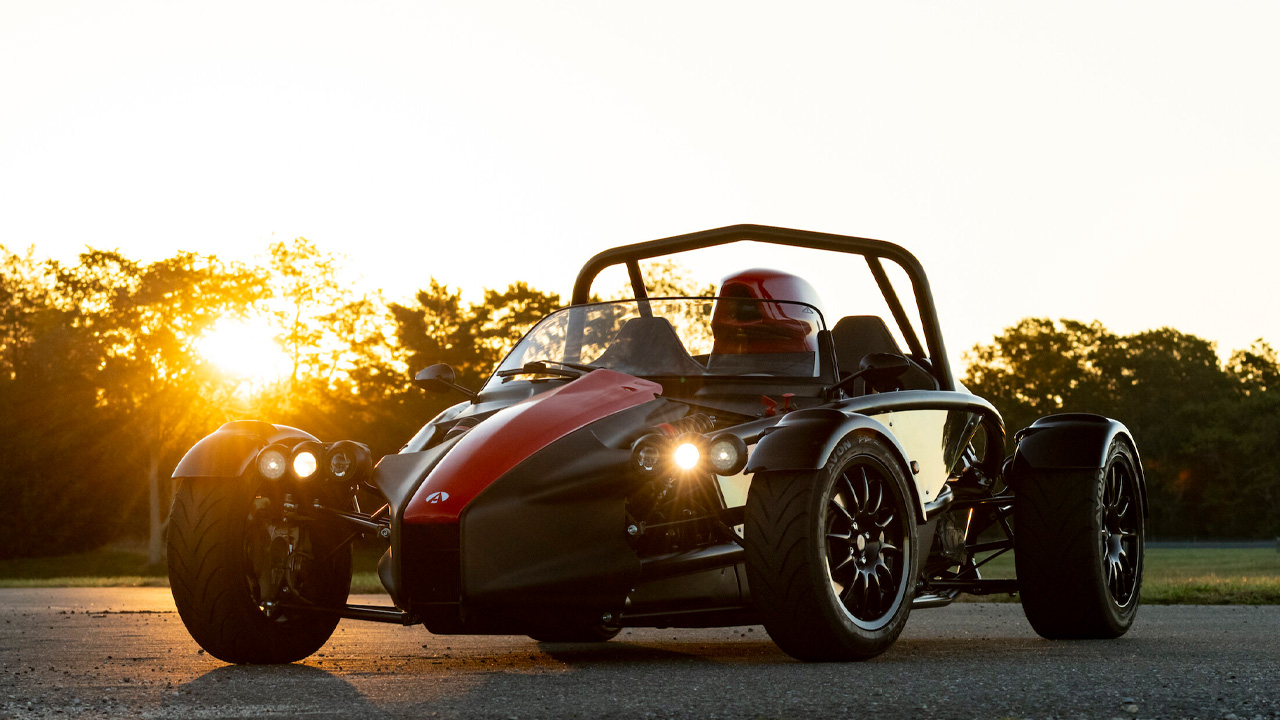
With no roof, no doors, and no conventional windshield (many use a small aeroscreen), the Atom is essentially a street-legal go-kart on steroids. Every bug becomes a projectile, every raindrop feels like a BB gun, and the wind noise makes conversation impossible above 40 mph.
There’s nowhere to store anything either, so that briefcase or grocery bag is staying home.
Ford GT (2005-2006 and 2017-2022)

Both generations of the GT suffer from comically poor visibility, with massive blind spots and a driving position that feels like you’re sitting in a bathtub. The ride is extremely stiff, the cabin gets hot, and the door sills are so wide you’ll need to plan your entry and exit strategy.
Plus, with an original starting price around $450,000 (for the new generation), you’ll spend the entire commute worried about door dings.
Alfa Romeo 4C

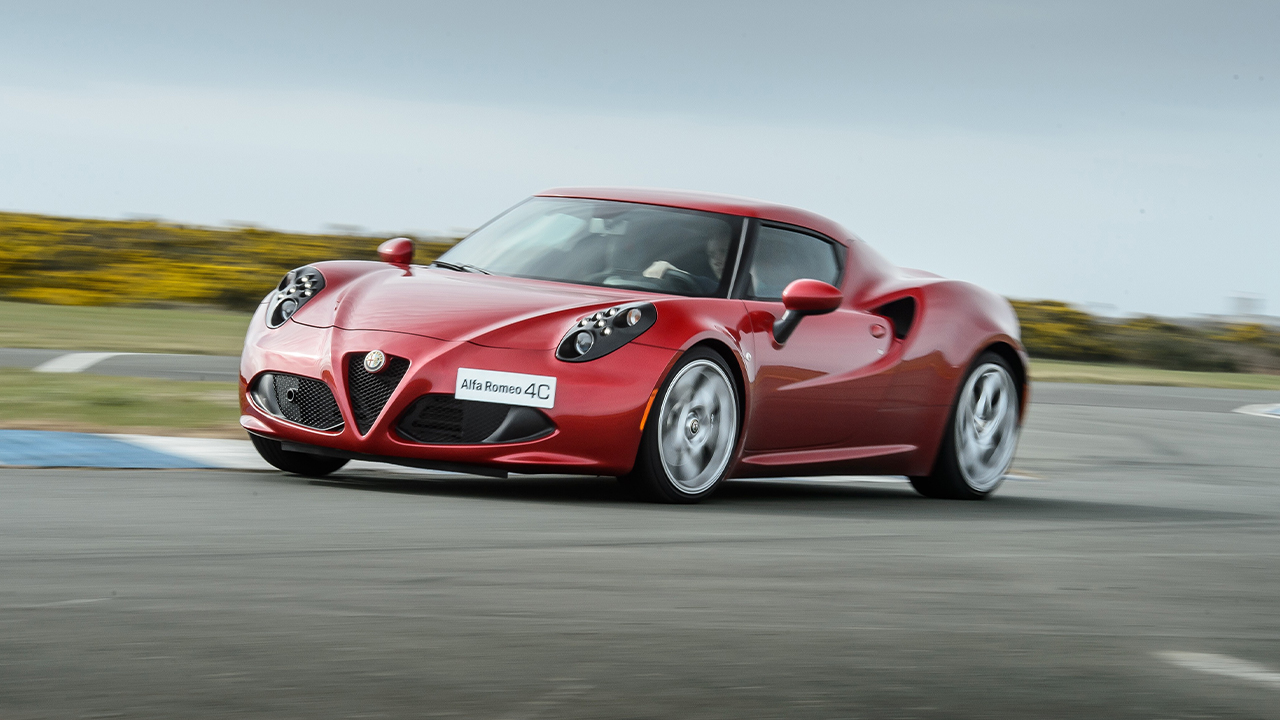
This Italian featherweight has no power steering, which makes low-speed maneuvering a workout. The carbon fiber tub means road noise is amplified, the ride is harsh, and the interior is cramped with minimal storage space.
The engine sits right behind your head, too, so expect to shout if you’re trying to have a conversation while driving.
McLaren Senna

Named after the legendary driver, the Senna prioritizes downforce and lap times over everything else. The suspension is incredibly stiff, the seats are fixed-back racing buckets, and the huge rear wing obstructs your rearview mirror.
It also costs nearly a million dollars and has ground clearance measured in millimeters, making speed bumps and driveways genuine obstacles. If you insist on driving a McLaren to the gym, I’d suggest a 720S..
Chevrolet Corvette Z06 (C7 Generation)

The supercharged Z06 is a beast, but that supercharger whine becomes tiresome after the hundredth time you’ve heard it in traffic. The magnetorheological dampers help, but the car still feels stiff in daily driving, and the low nose scrapes on everything.
The clutch is also quite heavy, and in stop-and-go traffic, your left leg will be begging for mercy.
Lamborghini Huracán Performante

The Performante strips out comfort for performance, with a harsh ride and an exhaust note that’s glorious for about ten minutes before becoming fatiguing. Visibility is terrible; those thick A-pillars and small windows make merging an adventure, and parking sensors are mandatory equipment.
The low seating position and tight cabin make it feel claustrophobic during long commutes.
Caterham Seven 620R
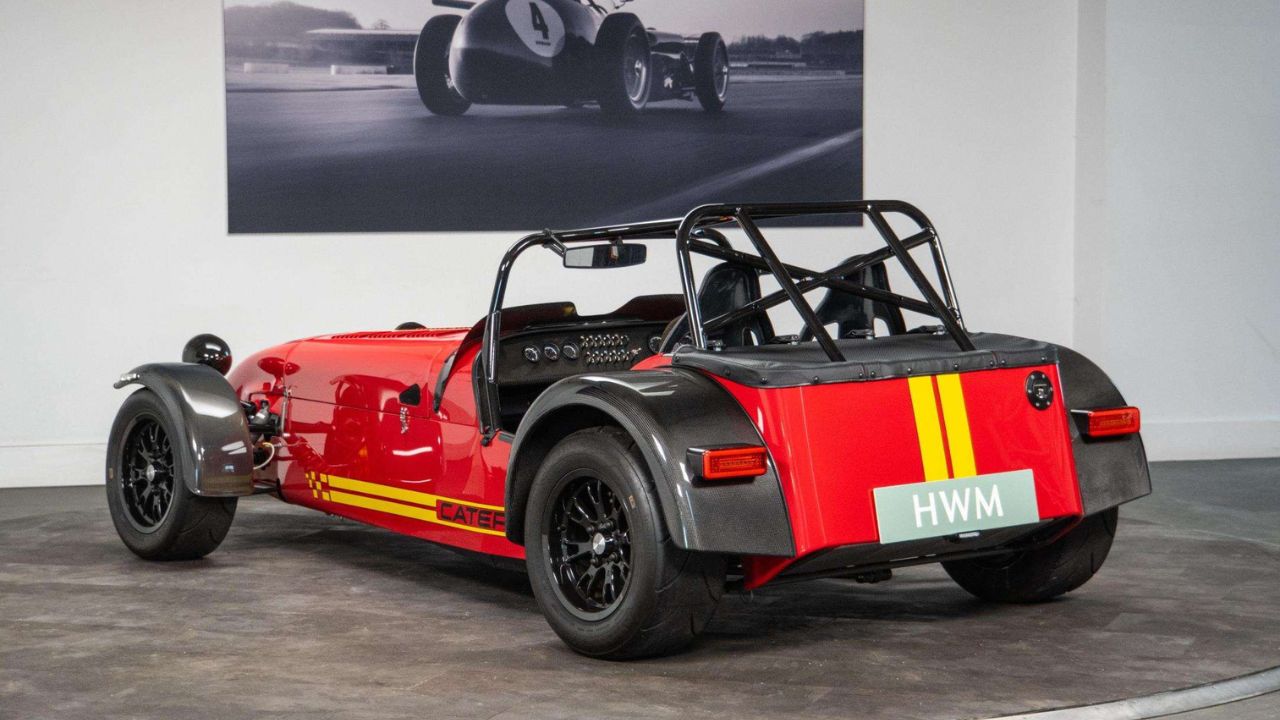
This British lightweight is essentially a modernized 1960s race car that happens to be road legal. There’s no weather protection worth mentioning, no sound deadening, and the exposed suspension means you feel every pebble.
The seating position is awkward for taller drivers, and there’s barely enough space for a backpack, let alone actual luggage.
Noble M600

This hand-built British supercar uses a twin-turbo Yamaha V8 making 650 horsepower, but it famously skips a lot of modern nanny tech; it’s generally described as having very limited traction control, and ABS availability varies by build/spec, and a completely analog driving experience. The ride is extremely firm, the cabin is loud, and the manual transmission requires focus and effort.
It’s thrilling when you’re in the mood but absolutely exhausting when you’re not.
Ferrari 488 Pista

Track-focused Ferraris like the Pista trade comfort for performance without apology. The suspension is unforgiving on regular roads, the racing seats are minimally padded, and the exhaust drone at highway speeds is relentless.
Add in the fact that people will photograph your car at every stoplight, and your commute becomes a spectacle you might not always want to be part of.
Stick to Track Day

The truth is, these cars are spectacular at what they were designed to do, they’re just allergic to routine. They’re weekend toys, special occasion machines, and track day weapons that happen to have license plates.
If you’re genuinely considering one for daily duty, make sure you test it in the real world first: rush hour traffic, parking garages, speed bumps, and all. Your back, your bank account, and your sanity will thank you for the reality check.
Don’t make the same mistake I did!