You know that feeling when you hop in a modern sports car and it just feels… sterile? Sure, it’ll do 0-60 in 3.2 seconds while checking your email, but where’s the drama? Classic cars offer something different. They make you work for every mile per hour, and when you finally get there, you feel like you’ve actually accomplished something.
Here are eight vintage machines that can still make your pulse quicken, even in our hyperconnected world.
1970 Dodge Challenger R/T 440 Six Pack

The 440 Six Pack wasn’t Mopar’s most powerful engine, but it might have been their smartest. With three two-barrel carburetors feeding 390 hp (SAE gross), this big block delivers power in a way that feels both urgent and controlled. The car weighs about 3,600 pounds, according to Muscle Cars, which means it’s got enough heft to feel substantial without being a complete boat.
What really sells the experience is the sound – that deep, rumbling exhaust note that modern cars just can’t replicate.
1967 Shelby GT500

Carroll Shelby took Ford’s already potent Mustang and stuffed a Shelby-tuned 428 V8 based on Ford’s Police Interceptor under the hood, creating something that felt genuinely dangerous. The GT500 produces around 355 horsepower, but more importantly, it delivers 420 lb-ft of torque that hits like a freight train. The steering is heavy, the clutch is unforgiving, and the whole car feels like it’s barely containing its own power.
It’s the automotive equivalent of riding a barely tamed wild horse.
1970 Plymouth ‘Cuda 440

The ‘Cuda 440 sits in that sweet spot between the more common small blocks and the legendary Hemi, offering serious performance without the Hemi’s maintenance headaches. With 375 hp (SAE gross) in standard 440 form—or 390 hp in 440 Six Barrel (440-6) trim—it’s got enough grunt to chirp the tires at will, but it’s the car’s relatively compact size that makes it feel so quick.
The short wheelbase and aggressive suspension tuning mean every input translates directly to the road, creating an involving driving experience that modern cars often miss.
1969 Camaro SS 396

Chevy’s 396 big block in the ’69 Camaro creates one of the most balanced muscle car experiences you can find. The L78 version pumped out 375 horsepower, but it’s the engine’s willingness to rev that sets it apart from other big blocks of the era. The Camaro’s relatively low weight and well-sorted suspension mean it actually handles reasonably well for a car from this period.
You can hustle it through corners without feeling like you’re fighting the car’s natural tendencies. Some muscle cars are good at spirited driving after all.
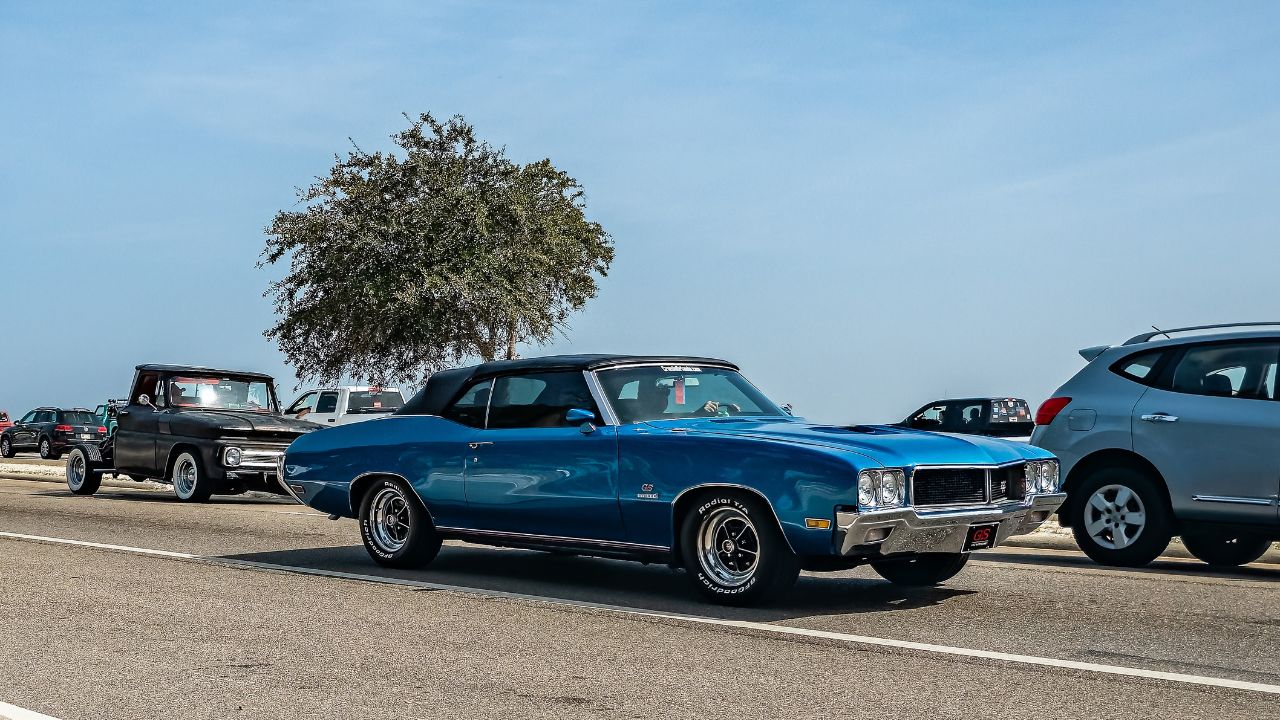
1970 Buick GSX Stage 1

Here’s the muscle car that flew under everyone’s radar. Buick’s 455 cubic inch Stage 1 engine produced a conservative 360 hp (SAE gross) rating, and Buick quoted 510 lb-ft of torque—though period testing and real-world performance suggest it was underrated. The real secret weapon was the torque – 510 lb-ft that arrived early and stayed strong through the rpm range.
The GSX feels deceptively quick because that massive torque curve means you’re always in the power band, making acceleration feel effortless and continuous.
1969 Mustang Boss 429

The Mustang Boss 429 exists because NASCAR rulebooks once mattered more than accountants. Built purely to homologate Fords massive 429 cubic-inch V8 for stock car racing, the Boss 429 was less a muscle car and more a barely disguised race engine wrapped in a street-legal shell. Its unique hemispherical-style cylinder heads and oversized internals made it vastly understressed, even though Ford officially rated it at a conservative 375 horsepower.
The reality was far more potent. Stuffing that engine into the Mustang required extensive reengineering by Kar Kraft, resulting in a car that feels heavy in the nose but brutally honest in its intent. Theres no pretense of refinement herejust raw mechanical presence, a thunderous soundtrack, and the constant sense that the car is capable of far more than Ford ever admitted.
1967 Corvette 427/435
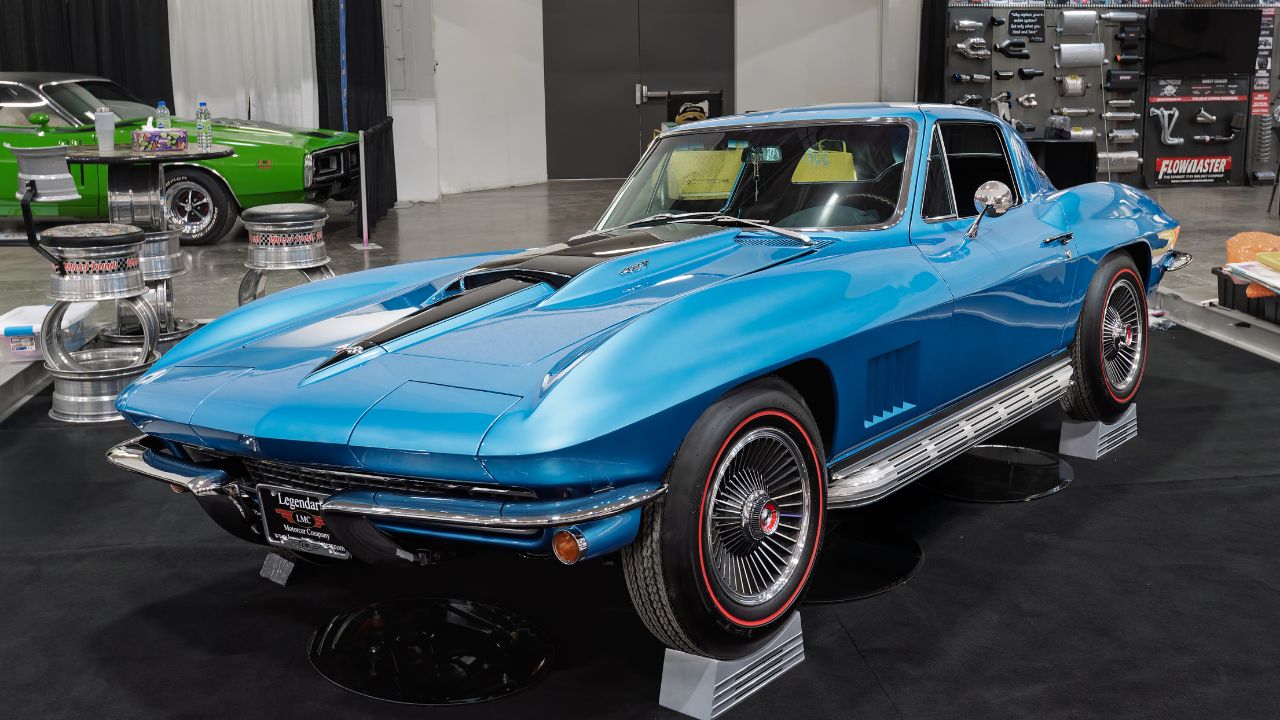
The L71 big block in the ’67 Corvette represents GM at their engineering peak. With 435 horsepower from 427 cubic inches, it’s got the power to embarrass modern sports cars, but it’s the Corvette’s lightweight fiberglass body that makes it feel truly quick.
At around 3,200–3,300 pounds, depending on body style and equipment, this ‘Vette has a better power-to-weight ratio than many current performance cars. The independent rear suspension means it actually puts that power down effectively, creating acceleration that feels both violent and controlled.
1970 Chevelle SS LS6

The LS6 454 is often called the greatest muscle car engine ever built, and spending time behind the wheel explains why. With 450 hp and 500 lb-ft (SAE gross), outlined by MotorTrend, it’s got the raw numbers to back up its reputation. But what really impresses is how civilized this engine can be when you’re just cruising, then how completely unhinged it becomes when you mat the throttle.
The Chevelle’s solid construction means all that power feels manageable rather than terrifying, creating confidence-inspiring performance.
Forward and Fast

Modern cars might be faster, safer, and more efficient, but they often lack the visceral connection these vintage machines provide. Every drive becomes an event, every acceleration run feels earned rather than given. Sure, you’ll spend more time at gas stations and your mechanic might become your new best friend, but sometimes the journey is more important than the destination.
In a world of increasingly isolated driving experiences, these classics remind us what it feels like to actually drive rather than just operate a vehicle. Raw speed isn’t just about numbers on a spec sheet.