The 1990s were a golden era for SUVs that actually looked like they meant business. Before every family hauler started resembling a minivan in disguise, these boxy, purposeful SUVs dominated driveways and off-road trails with equal confidence.
They weren’t trying to be sleek or aerodynamic: they were built to be tough, practical, and undeniably cool. Sport Utility Vehicle? More like Seriously Undeniably… I don’t know. But you get it!
Ford Bronco
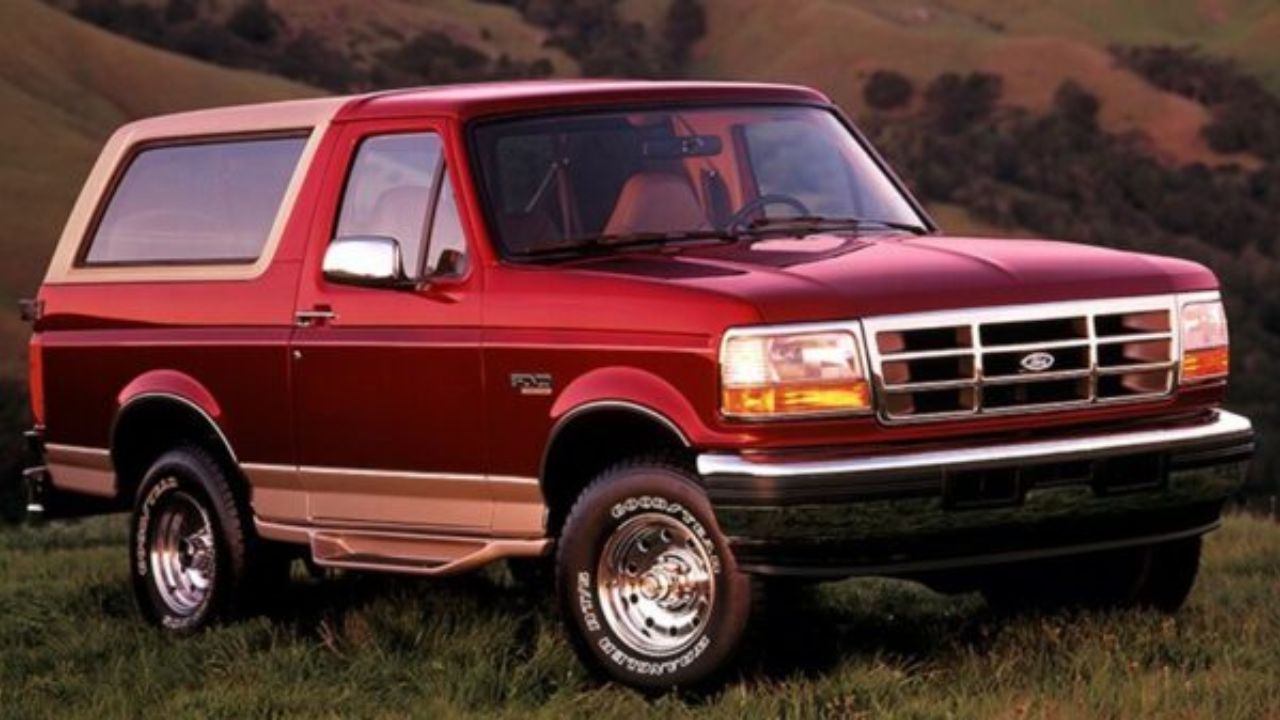
The fifth-generation Ford Bronco became an instant icon with its clean, angular design that screamed capability. Its removable hardtop gave drivers the freedom to customize their ride for any adventure, while the squared-off wheel wells and upright stance made it instantly recognizable from miles away.
The Ford Bronco became more than transportation for families in the 1990s. It was a lifestyle statement that said you were ready for whatever the weekend might bring.
Jeep Cherokee XJ

Jeep’s Cherokee XJ perfected the art of functional design with its unibody construction wrapped in crisp, geometric lines. The flush-mounted headlights and flat glass panels weren’t just stylish choices – they helped keep manufacturing costs down while creating one of the most capable compact SUVs ever built.
Its boxy proportions maximized interior space while maintaining the kind of off-road prowess that made it a favorite among serious trail enthusiasts. Car and Driver found that its 0-60 was surprisngly quick.
Toyota 4Runner

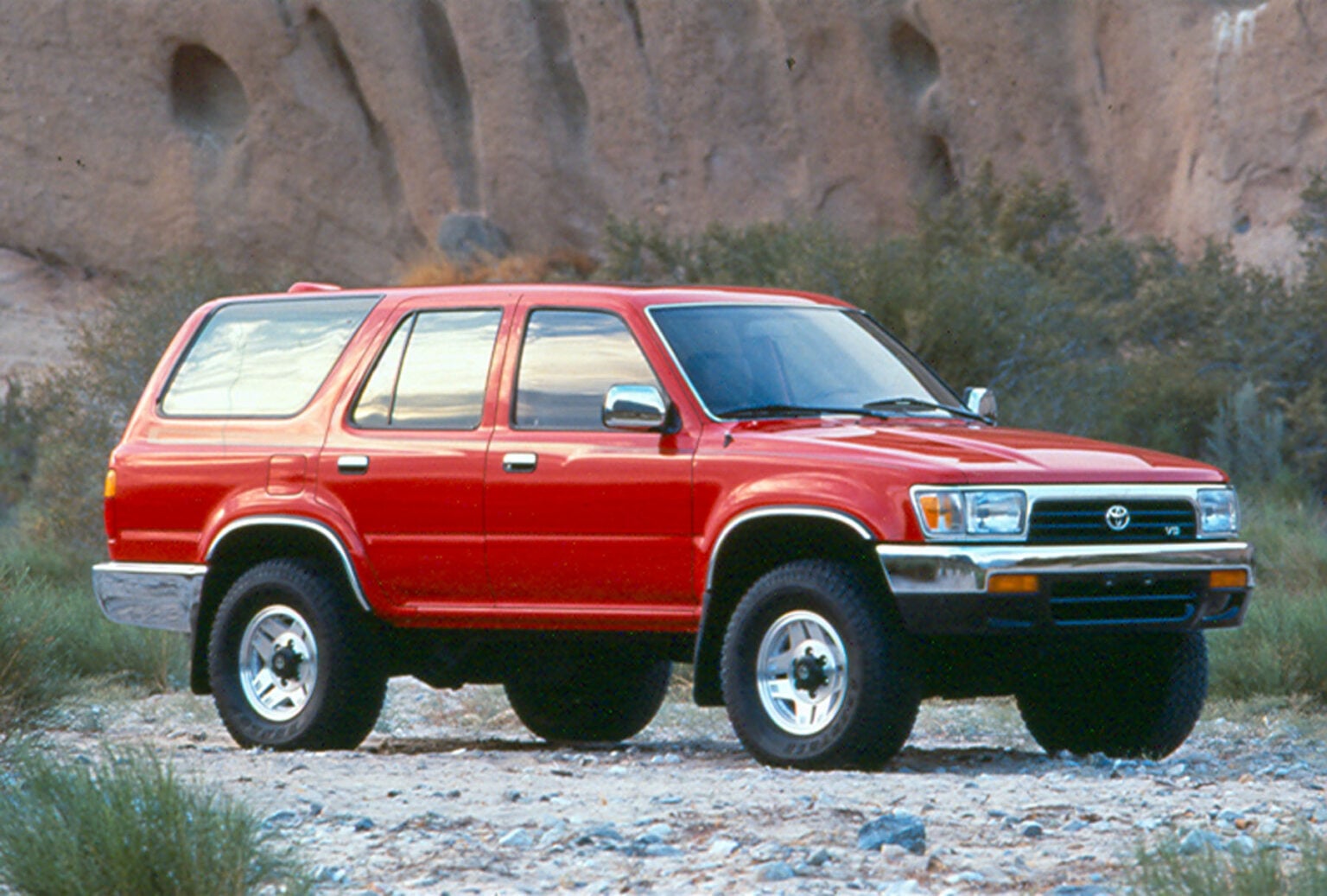
The second- and third-generation 4Runners embodied that perfect 90s balance of ruggedness and refinement. Toyota’s designers crafted a vehicle that looked equally at home parked at a ski lodge or navigating rocky mountain trails, with flared fenders and a high beltline that gave it an athletic stance.
Chevrolet Tahoe

When Chevy launched the Tahoe in 1995, it created a full-size SUV that managed to look both imposing and approachable. The tall, upright greenhouse and prominent grille gave it a serious presence on the road, while the squared-off rear end maximized cargo space for growing families.
It represented the sweet spot where utility met comfort, without the overwrought styling that would dominate later decades.
Nissan Pathfinder

The early Pathfinder brought Japanese reliability brought Japanese reliability to the SUV game with distinctively 90s angular styling. Its geometric headlight design and clean body lines created a look that was both modern and timeless, while the high seating position gave drivers a commanding view of the road.
Nissan proved you didn’t need excessive chrome or complicated curves to create a memorable design.
Isuzu Trooper

The Trooper’s distinctive upright proportions and geometric design language made it one of the most visually striking SUVs of the decade. Its tall, narrow windows and vertical rear gate created maximum visibility and cargo access, while the clean body sides and minimal ornamentation let the proportions do the talking.
This was honest design at its best – every line served a purpose, and the result was timelessly functional.
The Legacy Lives On

These SUVs succeeded because they understood their mission and executed it with confidence. They weren’t trying to be cars, crossovers, or lifestyle accessories: they were purpose-built machines that looked the part.
Today’s SUV market could learn something from this era’s commitment to honest, functional design that prioritized capability over flash.
Looking for our favorite 1990s cars? We got you. Check these fly cars out!