
There’s probably no topic that gets classic car enthusiasts more fired up than arguing about what counts as a “real” muscle car. Walk into any car show or cruise night, and you’ll hear passionate debates about whether certain beloved American classics deserve the muscle car badge.
The lines have gotten pretty blurry over the decades, with marketing departments and nostalgia sometimes clouding the waters.
What Actually Makes a Muscle Car?

Before we dive into specific cars, let’s establish the ground rules. A muscle car is generally defined as an American-made two-door performance coupe from the mid-1960s to early 1970s, typically based on an intermediate-size platform and factory-available with a high-output V8. This means it had to be an intermediate-sized platform (not full-size, not compact) with serious horsepower straight from the dealership. There are plenty of cars that have been confused for muscle cars, but only a select few make the cut.
The muscle car era was brief but brilliant, ending when insurance rates skyrocketed and emissions regulations tightened in the mid-70s.
1970 Plymouth ‘Cuda: 99% Yes

The ‘Cuda walks the line between muscle car and pony car, and it’s a close call. Plymouth built the Barracuda on the compact A-body platform in the 1960s before switching to the E-body for 1970, when the ’Cuda became the headline performance version.
When you could order one with a 440 Six Pack or the legendary 426 Hemi, factory-rated at 425 horsepower (SAE gross), it’s hard to argue against its muscle car credentials based on its earlier size alone.
1969 Dodge Charger R/T: Yes, Because the Car Community Said So

Here’s where things get even more confusing: the Charger R/T is often called a muscle car, but it was actually built on Chrysler’s B-body intermediate platform.
The R/T package with its 440 Magnum or 426 Hemi certainly had the power. So even though it was marketed as a personal luxury car, the R/T usually gets a pass from the car community.
1968 Chevrolet Chevelle SS 396: Heck Yes, Brother

Now we’re talking! The Chevelle SS hits all the marks perfectly. It was built on GM’s mid-size A-body platform, was available with big-block power, SS396 models centered on the 396, and later Chevelle SS models could be optioned with the 454 and were offered in two-door SS forms, including hardtop and convertible.
The SS package was pure performance focus, with heavy-duty suspension, dual exhausts, and aggressive styling. This is muscle car DNA at its finest, with a 0–60 time around 5.8 seconds in period testing.
1967 Pontiac GTO: The OG Muscle Car
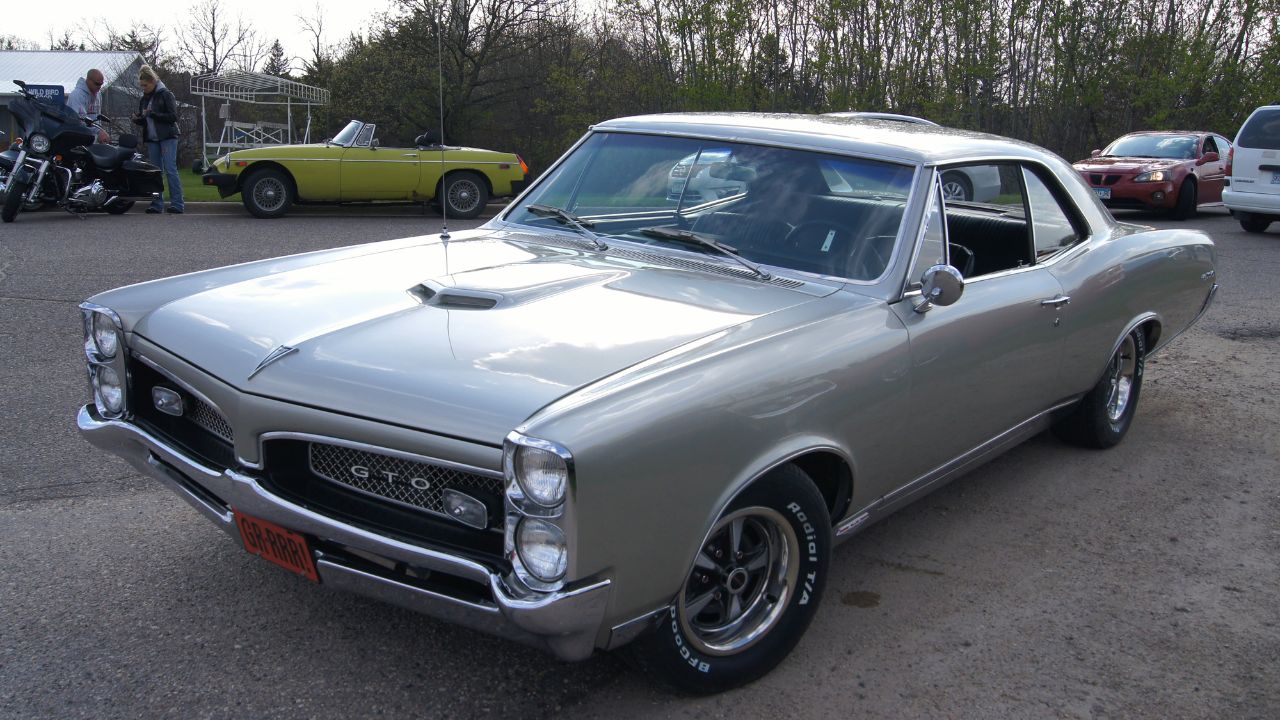
Often credited as the original muscle car, the GTO earns its title fair and square. Pontiac took their intermediate Tempest platform and stuffed a 400 cubic inch V8 under the hood, creating the template that everyone else would follow.
The GTO proved that mid-size cars could handle big engines and that buyers were hungry for affordable performance. It’s the car that started the whole muscle car movement, according to Hot Rod.
1970 Buick Gran Sport Stage 1: Yes, And Don’t You Forget It
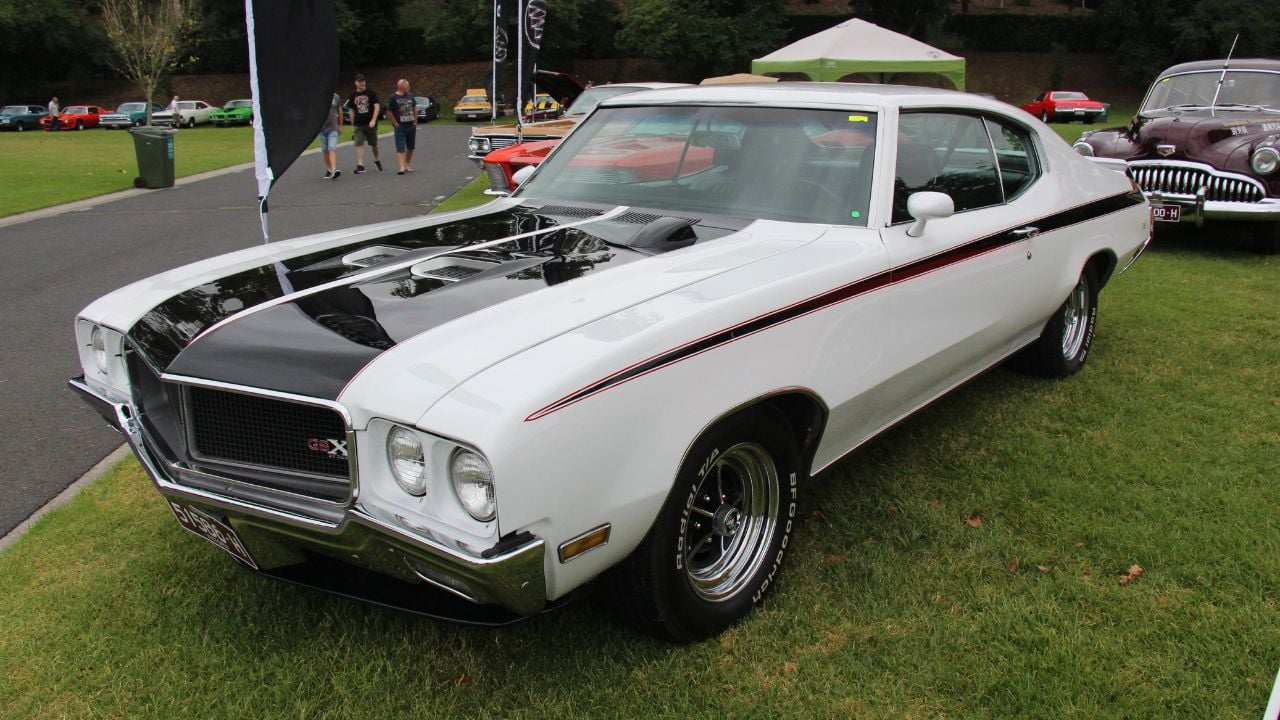
The Gran Sport often gets overlooked in muscle car discussions, which is a shame because it fits the definition perfectly. Built on the same A-body platform as the Chevelle, the GS came with Buick’s underrated 455 cubic inch V8 that produced massive torque.
The Stage 1 package added high-flow heads and a hotter cam, making it one of the strongest muscle cars of the era – even if it didn’t get the same attention as its flashier cousins.
1969 AMC AMX: Not Quite
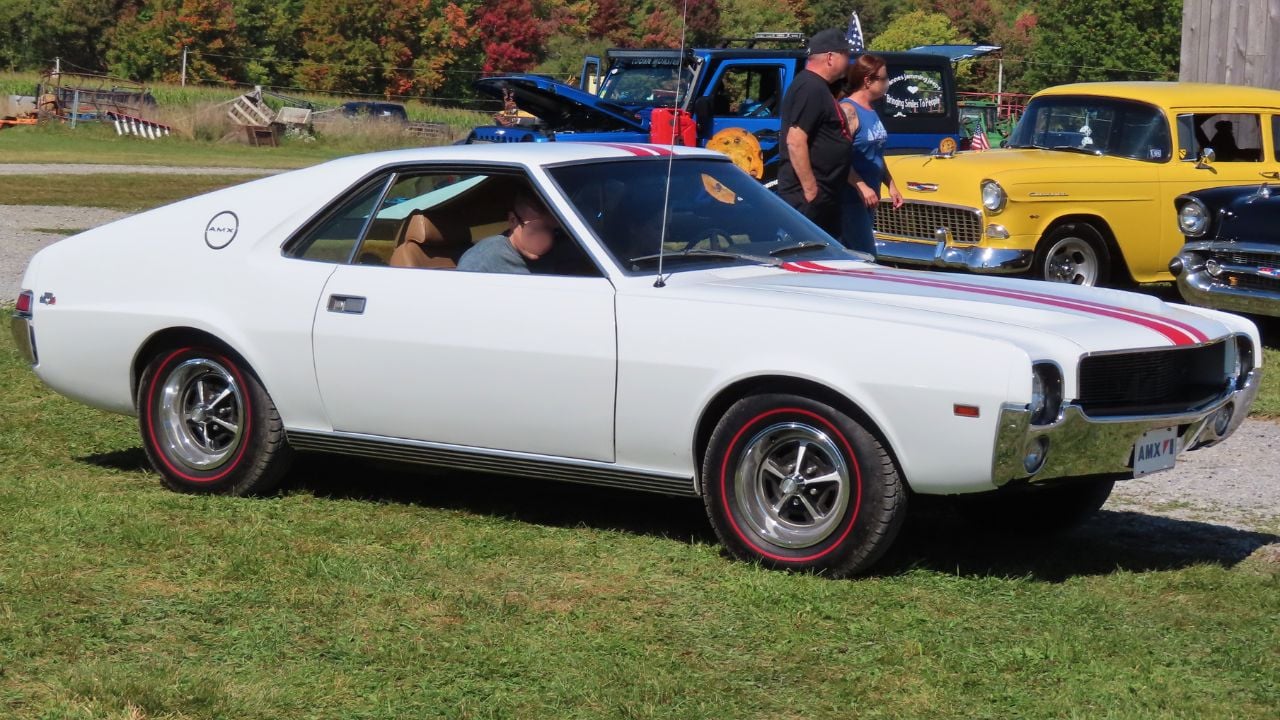
The AMX presents an interesting case because it was technically a two-seater sports car rather than a sedan. American Motors built it on a shortened version of their Javelin platform and offered it with serious V8 power, including a 390 cubic inch option.
While it had the right performance and timeframe, the AMX was more of an American answer to the Corvette than a traditional muscle car.
The Verdict

The muscle car definition might seem restrictive, but it helps preserve the meaning of what made these cars special. They represented a specific moment in automotive history when manufacturers discovered that young buyers wanted affordable, mid-sized cars with big-car engines. Not every fast classic American car is a muscle car, and that’s perfectly fine – there’s room in the garage for pony cars, personal luxury cars, and sports cars.
The real magic happens when you turn the key and hear that rumble, regardless of what category the car fits into.