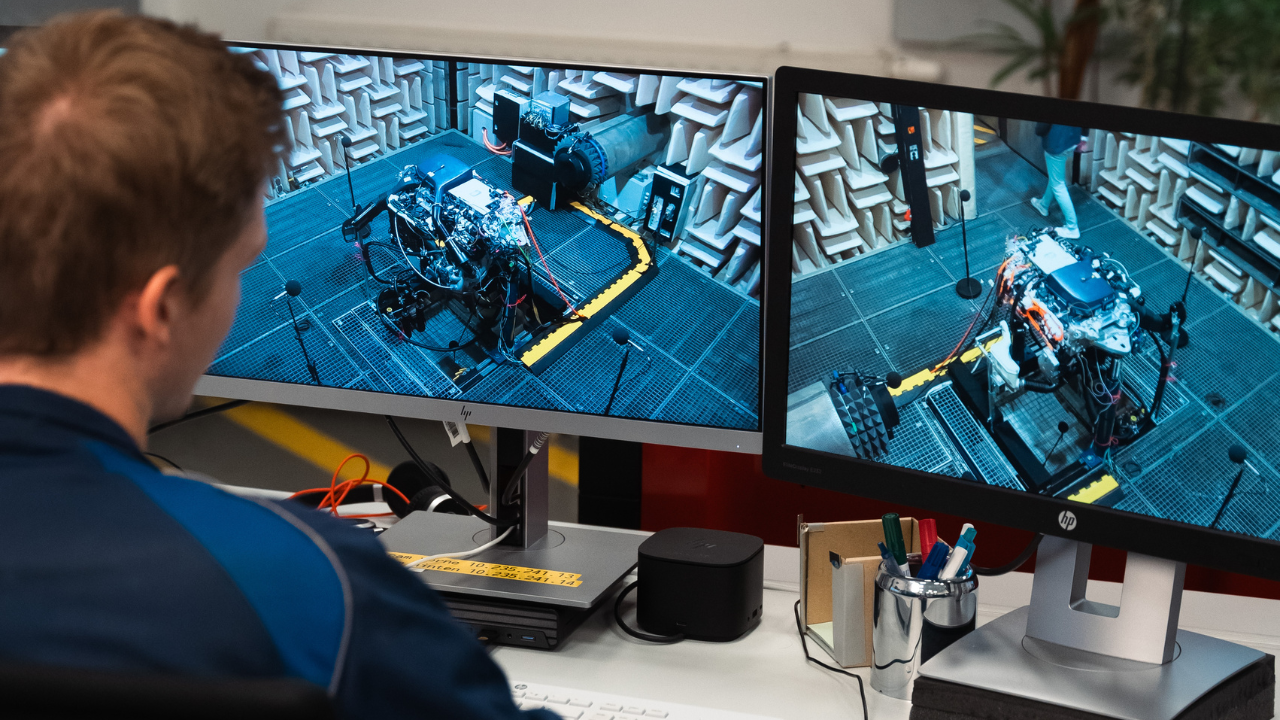
BMW just moved its hydrogen story from pilot fleets to a production plan. The company says its third-generation fuel-cell system will enter series production in 2028, with component development already underway across multiple German and Austrian sites.
The first customer model powered by a BMW fuel cell is slated to launch the same year.
From Pilot Tech to a Production Powertrain

Prototypes of the new system are being built now at BMW’s hydrogen competence centers in Munich and Steyr, while the BMW Group Plant Steyr in Austria is preparing to manufacture the complete third-generation fuel-cell assemblies for series vehicles. Additional hardware will come from BMW’s Landshut technology hub. “
The launch of the first-ever fuel cell production model from BMW in 2028 will add another exceptionally efficient high-performance drive system with zero emissions to our technology-open product portfolio,” said Joachim Post, BMW board member for Development. He added that selecting Steyr underlines BMW’s “European innovation footprint.”
BMW’s path to this point has unfolded in steps. The first-generation fuel-cell setup (sourced entirely from Toyota) was trialed a decade ago in a BMW 5 Series mule. The second generation arrived in the iX5 Hydrogen pilot fleet, where BMW integrated Toyota-supplied fuel cells into a BMW-developed system. For generation three, BMW and Toyota are jointly developing the passenger-vehicle powertrain, sharing core fuel-cell technology while retaining brand-specific models and tuning. The aim is to leverage purchasing and engineering synergies that work for both passenger and commercial applications.
What Changes in Generation Three
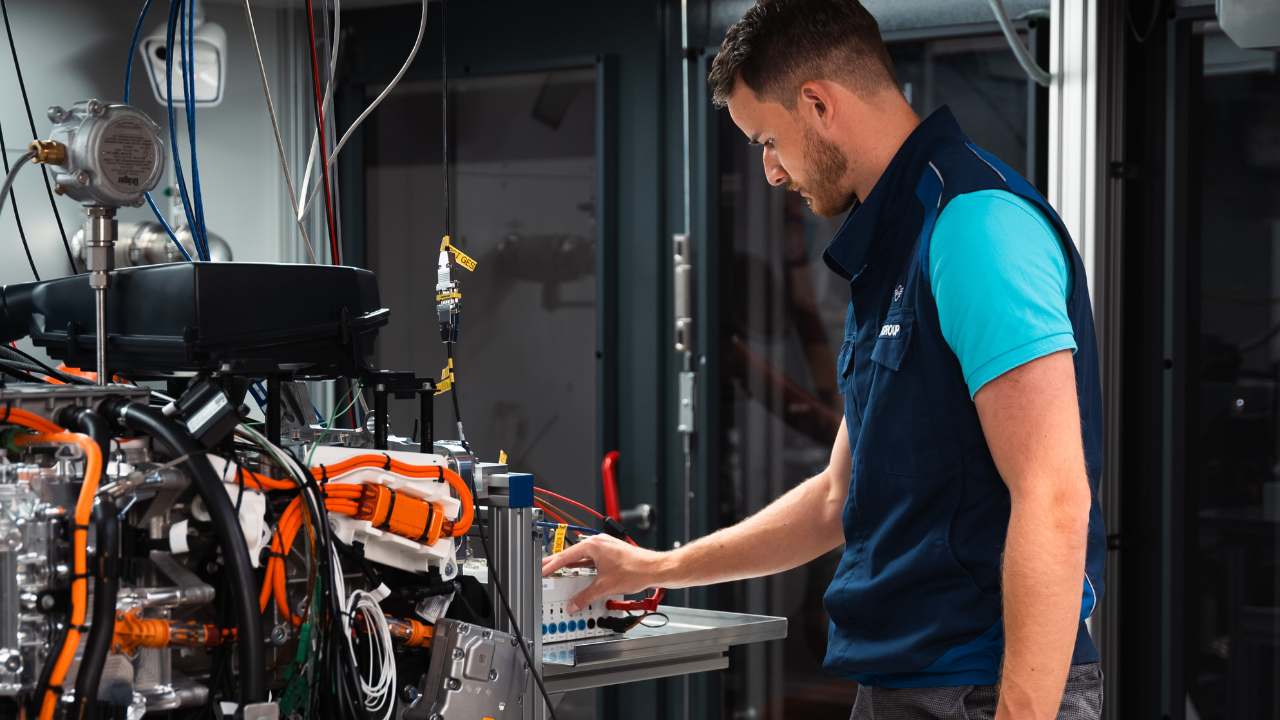
BMW outlines three significant advances for the new stack and its supporting hardware:
- More compact package: about 25 percent less installation volume than the previous system, reflecting higher power density.
- Higher integration: the system is designed to drop into future BMW vehicle architectures, enabling customers to choose among battery-electric, fuel-cell electric, or efficient combustion options on the same platform.
- Greater efficiency: upgraded components and improved operating strategies target a wider range and output with lower energy consumption than the second-generation setup.
Behind the scenes, Munich’s team is validating assembly and test processes with a view to industrialization, quality assurance, and scale. In parallel, BMW is running system- and vehicle-level validation to lock down operating strategy and safety targets. That work is the bridge from a limited pilot like iX5 Hydrogen to an actual series program.
Where It Will Be Built, and by Whom
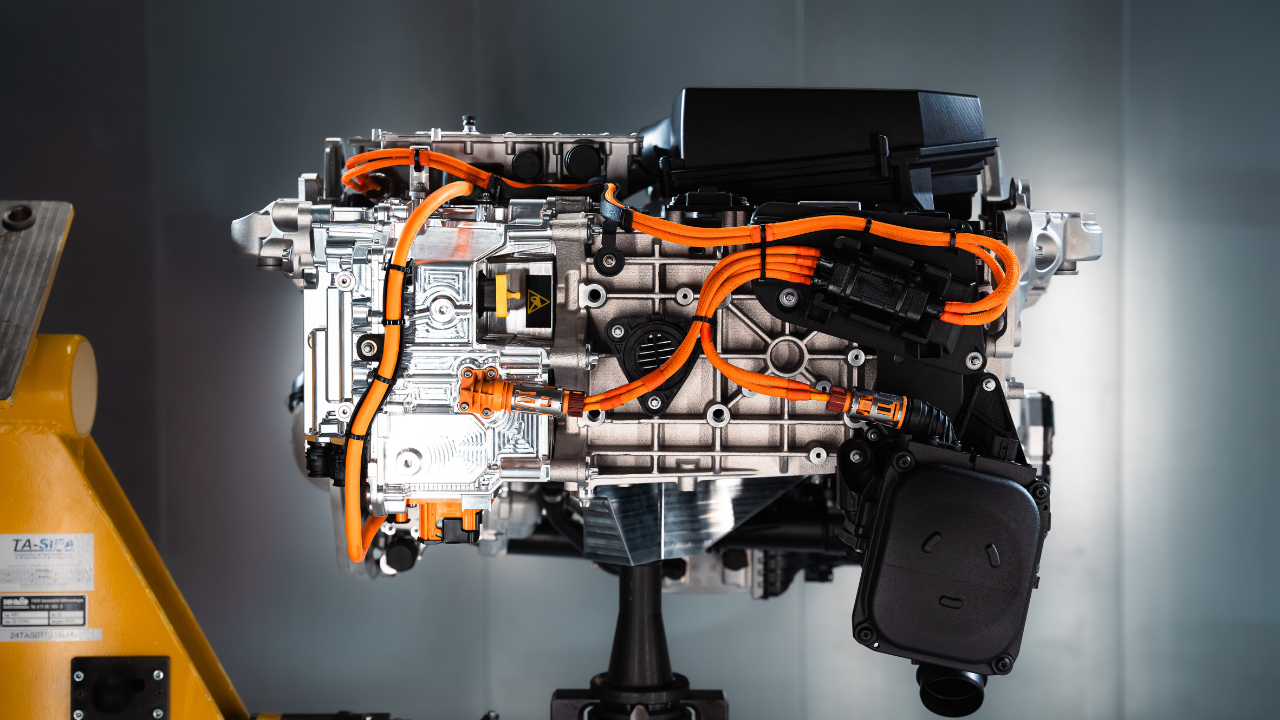
The Steyr plant, long a pillar in BMW’s global driveline network, is adding new test rigs and production facilities to get ready for the 2028 start-of-production. “We are proud to be producing another innovative drive technology at Plant Steyr in the future alongside the latest generation of electric motors and combustion engines,” said Klaus von Moltke, SVP Engine Production and plant director. He framed the mix as a real-world example of BMW’s “technology-open approach.”
BMW’s Landshut plant will manufacture key components, including a hydrogen-specific version of the BMW Energy Master power unit. That device manages high-voltage power distribution across 400 to 800 volts and acts as an interface to the high-voltage battery in fuel-cell vehicles. Landshut will also produce housings and pressure plates similar to those used on the iX5 Hydrogen fleet. Prototype builds of the hydrogen-specific Energy Master will begin in mid-2026 at Dingolfing, where prototypes of the unit for BMW’s Neue Klasse battery-electric models will be built. Construction of the series production equipment at Landshut is scheduled to start in late May 2026.
Why Hydrogen, and Why Now
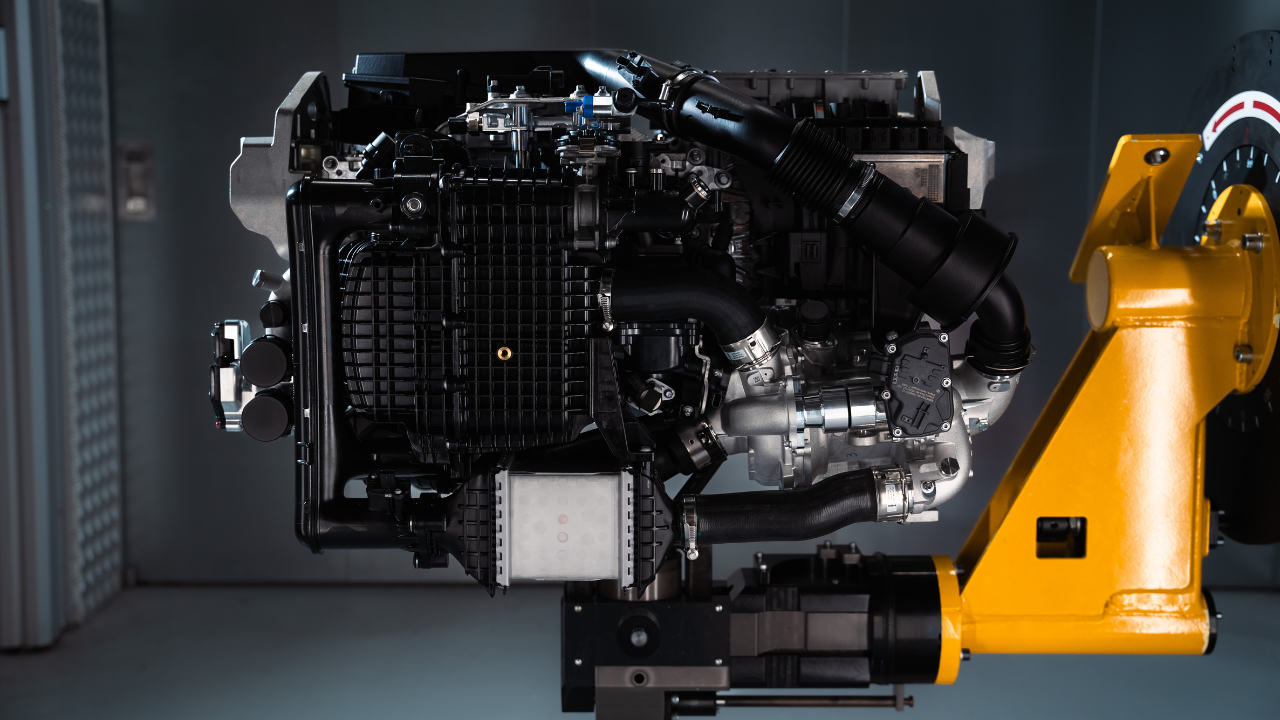
BMW continues to argue for multiple zero-emission pathways. Pure BEVs fit many use cases, but a fuel-cell electric vehicle can refuel quickly and maintain long range under heavy loads or in cold climates, provided hydrogen infrastructure is available. By engineering its third-generation system to integrate cleanly into future multi-energy platforms, BMW keeps flexibility to match powertrains to markets and use cases as they evolve through the late 2020s.
The strategic bet is also about timing and maturity. The company is using the next three years to industrialize the stack, validate efficiency gains, and line up a supplier base that benefits from the Toyota collaboration. If those pieces land as planned, BMW will have a series-built fuel-cell passenger model in 2028, assembled around hardware produced inside its own network. That turns hydrogen from an experiment into a product line with a VIN and a warranty.
The Takeaway
BMW has been unusually consistent about keeping hydrogen in the conversation, and this update is its clearest signal yet that a customer fuel-cell BMW is not a science project. With a smaller, more efficient stack, production mapped to Steyr, key components at Landshut and Dingolfing, and a renewed tie-up with Toyota on core cell tech, the brand is setting the table for a 2028 launch.
The remaining variables are the ones outside any automaker’s factory gates: infrastructure build-out and policy support. On BMW’s side of the fence, the line in the sand is drawn.