You’re scrolling through old auto show coverage, and suddenly you stumble across a concept car that makes you think, “Whoa, that thing looks sick. When is it coming out?” Then you do a dramatic double-take when you see it came out decades ago. It looks like it just rolled out of tomorrow’s showroom! While most concept cars age about as gracefully as millennial gray, some manage to look fresh decades later.
These innovative autos represent those magical moments when designers threw caution to the wind, pushing boundaries beyond their limits. These are cars that still turn heads, start conversations, and make production vehicles look like they’re stuck in traffic on the innovation highway.
Renault Trezor
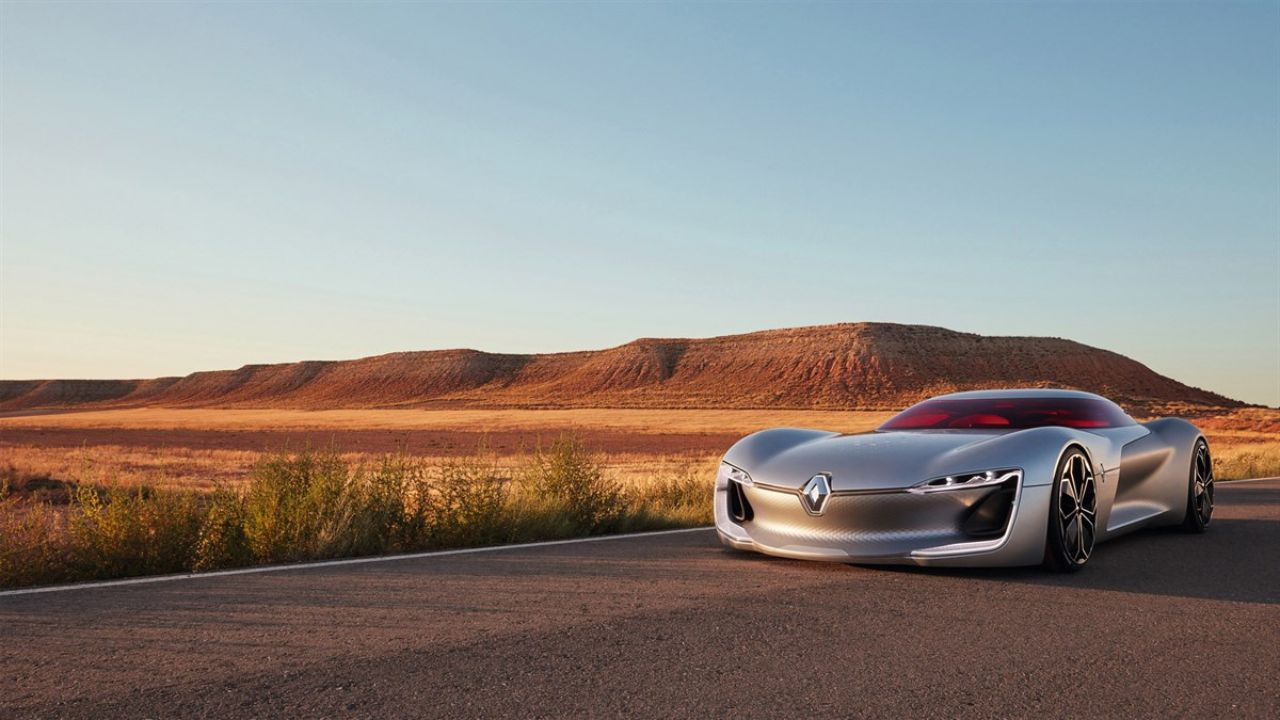
The Renault Trezor showed up at the 2016 Paris Motor Show looking effortlessly cool, like those 2000s sitcoms where the overly stunning woman doesn’t know she’s hot because she’s wearing glasses. This electric GT packs 260 kW (350 hp) from an electric motor derived from the Renault e.dams Formula E team’s unit, and Renault said it could reach 0–100 km/h (0–62 mph) in under 4 seconds.
At about 15.4 feet long (4,700 mm), 7.15 feet wide (2,180 mm), and 3.54 feet tall (1,080 mm), the Trezor has the proportions of a proper GT, but it tips the scales at about 3,527 pounds (1,600 kg). That’s lighter than most SUVs these days, which is saying something considering it’s with two batteries (one front, one rear) for balance; reports also noted each battery had its own cooling system.
The real party trick is that massive clamshell canopy that opens like a jewelry box, hence the “Trezor” name, which means “treasure” in French. No traditional doors here, just one giant piece of glass and carbon fiber that lifts to reveal an interior that looks like a luxury hotel lobby designed by someone who really, really likes hexagons.
Cadillac Sixteen
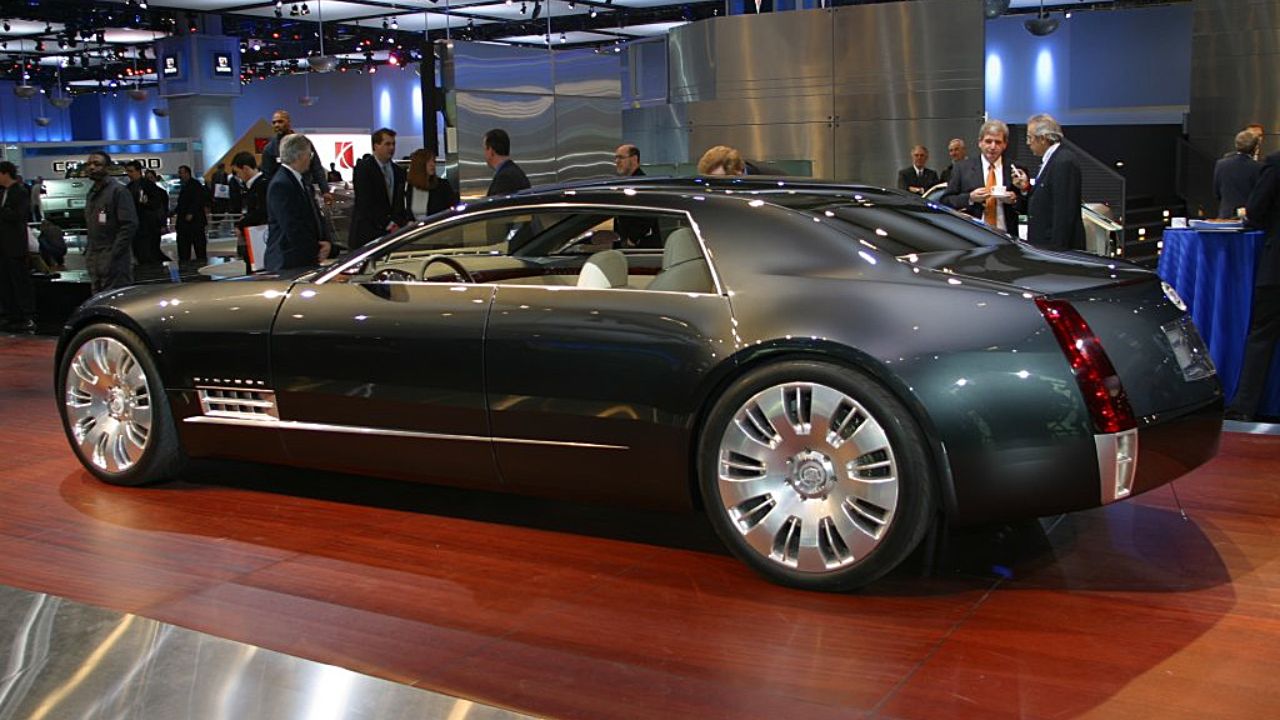
Back in 2003, Cadillac was having something of an identity crisis. The brand that once made cars for kings was known more for retirement home parking lots than red carpets. Enter the Sixteen: a concept so audacious it basically announced, “We’re back, and we brought a 13.6-liter V16 engine.”
Yes, you read that right. While everyone else was downsizing, Cadillac showed up with a motor that displaced more than most pickup truck engines. The V16 was said to produce at least 1,000 horsepower and at least 1,000 lb-ft of torque without forced induction and was a Cadillac-developed V16 based on GM’s Generation IV LS architecture, because apparently Cadillac’s engineers were feeling particularly American that day.
But the Sixteen wasn’t just about absurd power figures. This thing was 18.5 feet of pure American confidence on wheels, longer than some studio apartments and more imposing than a bank building. The interior featured hand-stitched leather, actual wood trim (not that fake stuff), and rear seats that reclined like first-class airline seats.
Chrysler Firepower

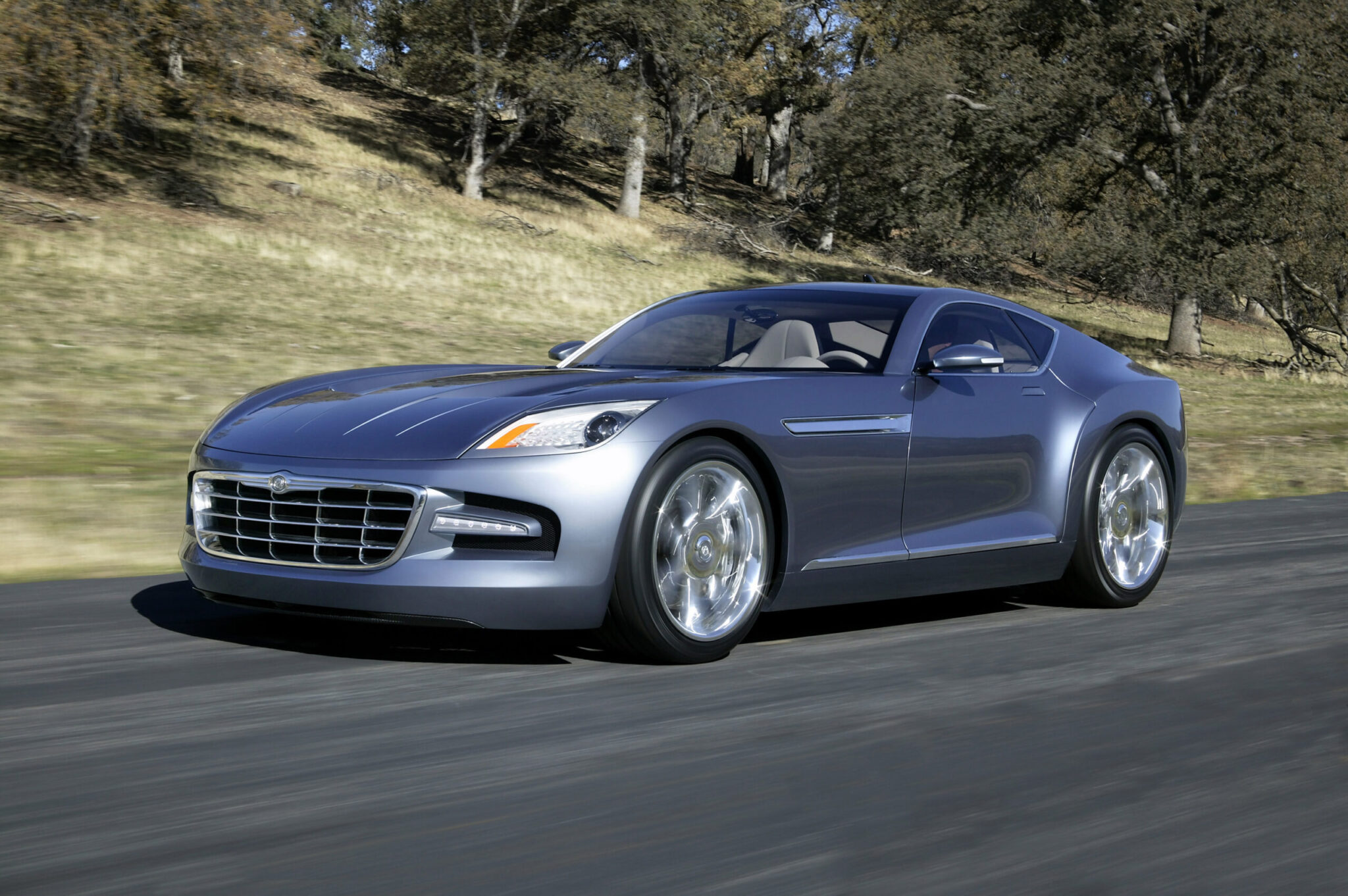
The Chrysler Firepower was essentially what happened when someone asked, “What if we took a Dodge Viper, put it through charm school, and gave it European manners?” Built on the Viper’s platform but dressed in a sophisticated suit, the Firepower represented Chrysler’s brief flirtation with the idea of being a legitimate luxury brand.
Under that elegantly sculpted hood sat a 6.1-liter Hemi V8, pumped up to around 425 horsepower. Not quite Viper-crazy numbers, but enough to remind you that this wasn’t just a pretty face. The Firepower combined American muscle with European refinement in a way that made you wonder why Chrysler didn’t just build the thing.
The design walks that fine line between aggressive and elegant: it looks fast standing still, but you could also imagine it parked at a country club without causing a scene. The interior continued this theme with hand-crafted materials and a layout that put the driver at the center of the universe.
BMW Gina Light Visionary Model

Just when you thought you’d seen everything in the automotive world, BMW showed up with a car covered in fabric. Not vinyl, not leather – actual polyurethane-coated Spandex that was elastic, water-resistant, and translucent. It was like BMW’s designers had been watching too much science fiction and thought, “You know what cars need? To be more like living organisms.”
The GINA (Geometry and Functions In ‘N’ Adaptations – BMW loves their acronyms) could literally change shape. The fabric skin stretched over a movable metal frame made of aluminum wires and flexible carbon struts, allowing elements like headlights to appear and disappear like the car was winking at you. The doors opened upward by splitting the fabric skin, which then seamlessly closed again.
This wasn’t just a wild styling exercise: it was BMW questioning every assumption about how cars should be built. Why use stamped metal panels when you could have a flexible skin? Why have fixed air intakes when they could appear only when needed? The GINA made every other concept car look positively conventional.
Karma SC2

When Karma Automotive needed to prove they were more than just a footnote in automotive history, they rolled out the SC2: a concept that screamed, “We’re not going down without a fight.” This wasn’t just another electric car concept; it was a full-blown supercar that happened to run on batteries.
The SC2 featured the classic supercar proportions – long hood, short rear deck, and a stance so low you’d need a ramp to get over a speed bump. Those dramatic butterfly-style doors weren’t just for show; they were a statement that Karma wasn’t content to build sensible electric sedans. The aggressive bodywork, sharp LED lighting, and wide fender flares gave it a presence that could hold its own against any Italian exotic.
Inside, Karma went full sci-fi with a cockpit that looked like it belonged in a spaceship rather than a car. Advanced driver assistance tech, immersive digital displays, and premium materials throughout showed that electric performance cars could be both thrilling and luxurious.
Toyota FT-HS
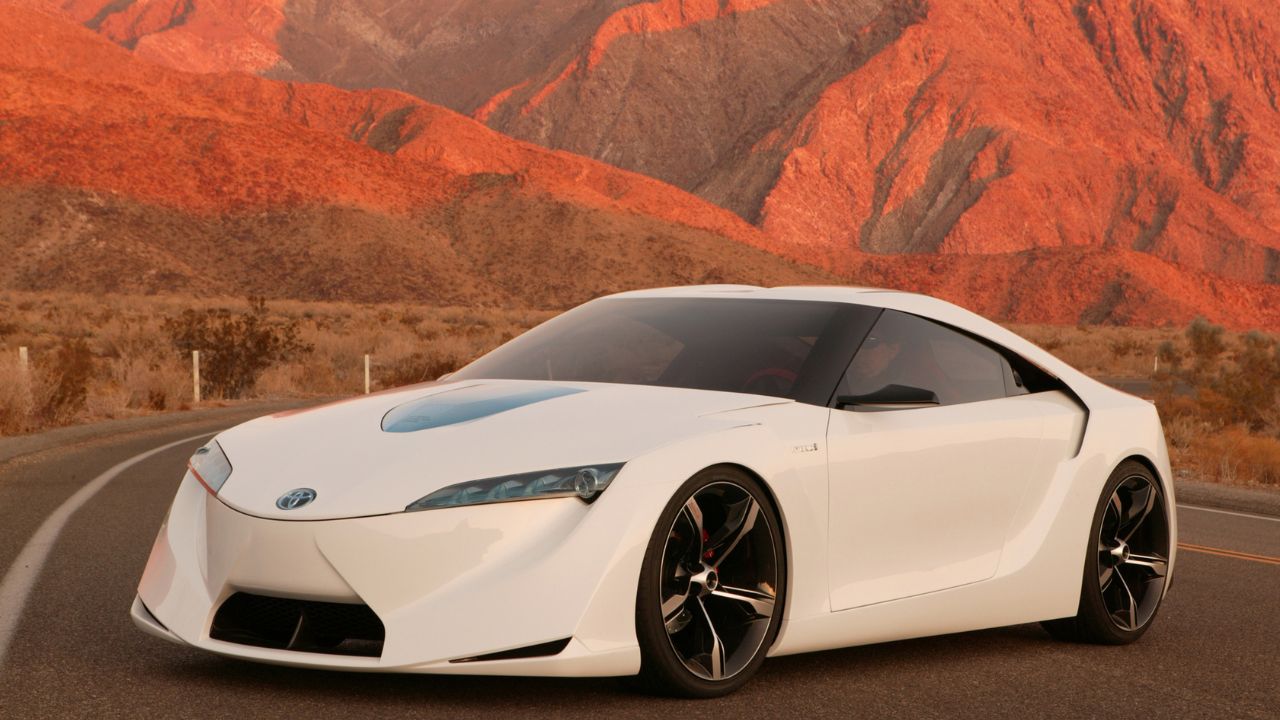
Before hybrid sports cars became mainstream, Toyota showed up with the FT-HS (Future Toyota Hybrid Sports), a concept that basically said, “Hey, environmentally conscious driving doesn’t actually have to be boring.” Still a novel thought to this day! This was Toyota’s answer to critics who claimed hybrid technology was the enemy of automotive enthusiasm.
The FT-HS featured sharp, aerodynamic lines that looked like they’d been carved by the wind itself. That distinctive floating roof design and those aggressive wheel arches gave it a presence that screamed performance, while the hybrid powertrain whispered “responsible citizenship.” It was the perfect car for someone who wanted to save the planet without sacrificing their street cred.
The influence of the FT-HS can’t be overstated: it’s widely regarded as the design grandfather of the Toyota 86 and Subaru BRZ. While those production cars didn’t get hybrid power (that came later), they carried forward the FT-HS’s emphasis on driver engagement and distinctive styling.
A Glimpse Into the Future That Never Ages

These concepts remind us why we fell in love with cars in the first place. They represent those rare moments when designers and engineers are given free rein to chase their wildest ideas without worrying about cost, regulations, or whether people will actually buy them.
Sure, most concept cars are destined to remain one-offs, living their lives moving from auto show to museum. But the best ones do something more important: they plant seeds of inspiration that bloom in future production cars. They show us what’s possible when creativity meets engineering, when dreams meet reality.
Years from now, we’ll still be looking back at these concepts and marveling at how fresh they look. Because truly great design doesn’t just capture the spirit of its time: it transcends it entirely. These cars prove that the future isn’t just about what we can build; it’s about what we dare to imagine.
And honestly, isn’t that what makes car culture so endlessly fascinating? The fact that somewhere in a design studio right now, someone is sketching the next car that’ll make us say, “Wait, that’s from when?”