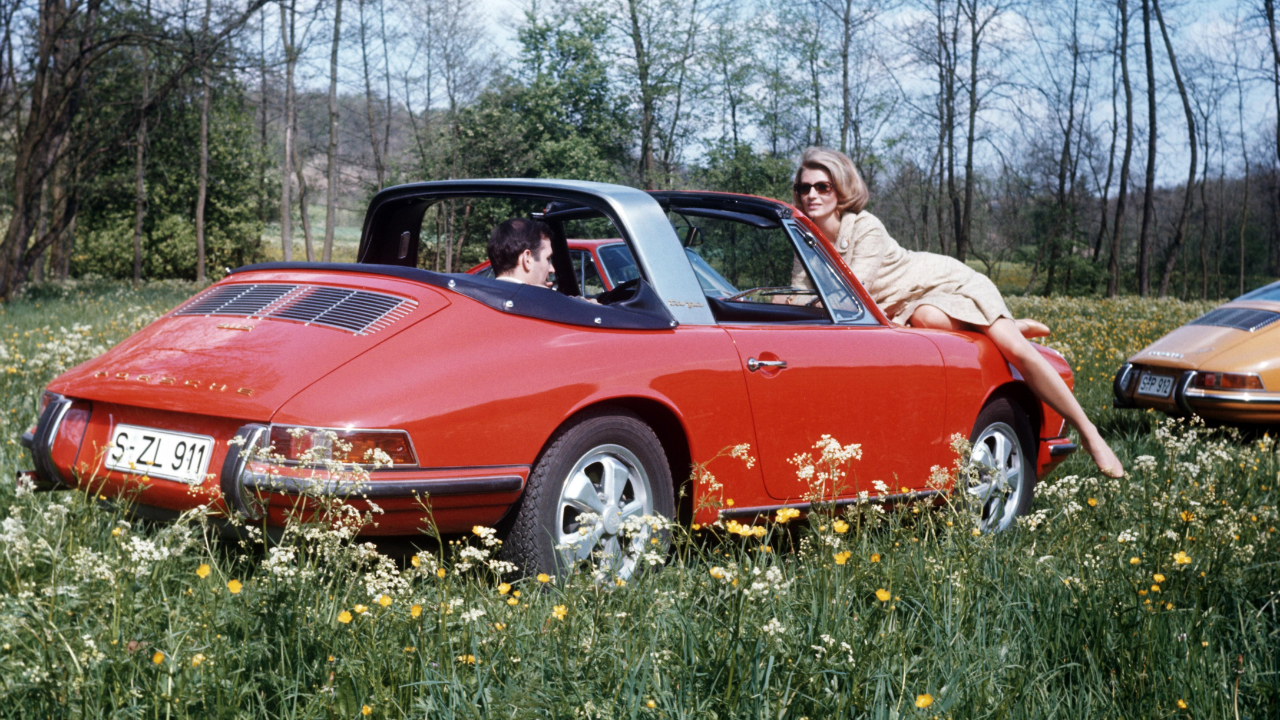
As someone who lives and breathes Targa tops, it’s hard to overstate how monumental this year is. Sixty years. Six decades since Porsche unveiled a car that wasn’t just different, it was daring. A car that promised the rush of open-air driving without compromising the structure and safety that made the 911 legendary.
The Porsche 911 Targa introduced a new way to experience the open road. It rewrote what it meant to feel the wind while gripping a Porsche steering wheel.
The Birth of an Icon
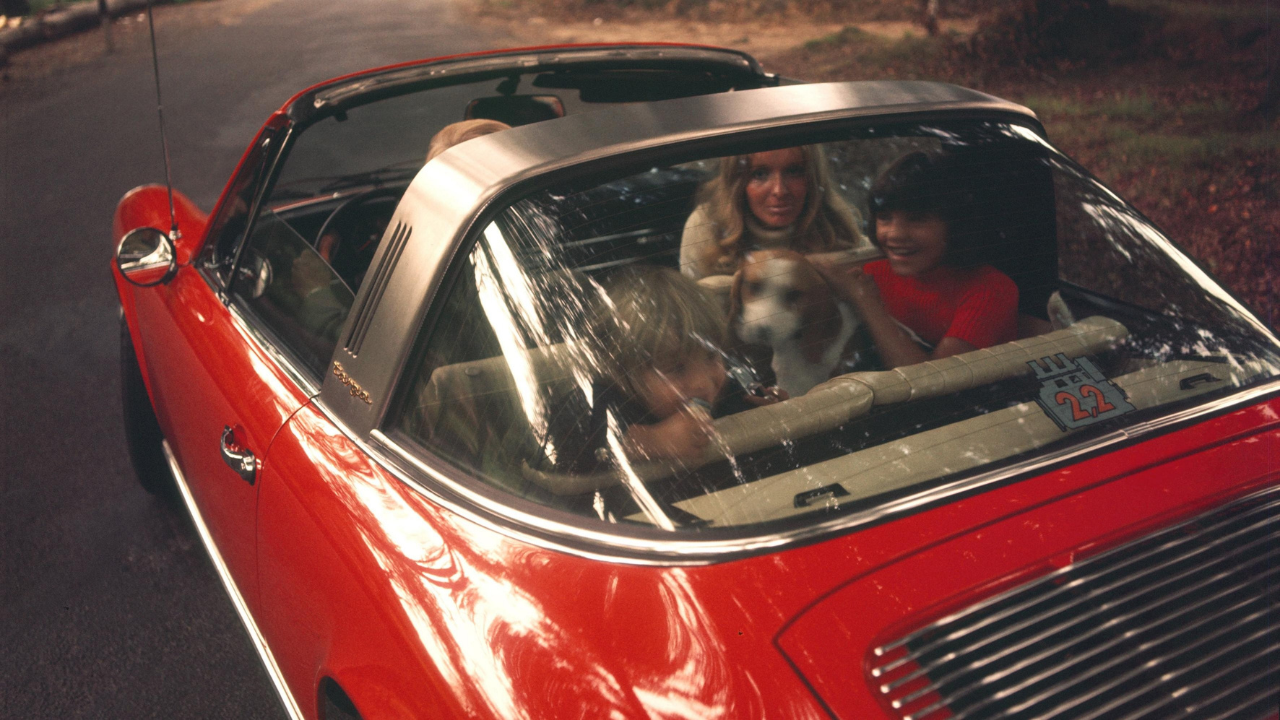
The 1960s were a fascinating era for sports cars. Regulations were tightening in the U.S., particularly around convertible safety, and many automakers were scrambling to adapt. Porsche? They didn’t panic. Instead, they innovated. The design team, led by Ferdinand Alexander Porsche, conceived a solution that was ahead of its time: a fixed, stainless-steel roll bar paired with a removable roof section and a foldable rear window.
Unveiled at the 1965 Frankfurt Motor Show, the 911 Targa turned heads instantly. It wasn’t just another convertible. It was something entirely new: a car that captured the sense of freedom drivers wanted while adding a layer of structural strength that regulators and enthusiasts alike appreciated. That brushed stainless roll bar wasn’t just functional; it became a design statement, a piece of automotive jewelry that shouted Porsche without saying a word.
Why “Targa” Mattered

When Porsche needed a name for this radical creation, marketing manager Harald Wagner suggested “Targa,” inspired by the legendary Targa Florio road race in Sicily. The connection was perfect. The Targa Florio was about bravery, speed, and endurance; values that perfectly captured the new open-air 911. The name stuck, and the legend began.
Over the years, the Targa badge didn’t just stay in the 911 lineup. It inspired other models, such as the mid-engine 914 and the Carrera GT, proving that Porsche’s original concept could transcend generations and platforms.
Evolution Over Six Decades

What makes the Targa so endlessly fascinating is its constant evolution. Porsche never let the concept stagnate; instead, they refined it with each generation while keeping its soul intact.
1969: Out went the foldable plastic rear window, replaced by a fixed glass piece that improved visibility and weather protection.
1970s and 1980s: The Targa cemented itself as a pop culture icon. From posters on bedroom walls to Miami Vice cameos, it was as aspirational as it was functional.
1995 (993 generation): The roll bar disappeared, replaced by a sweeping glass roof and longitudinal supports. It was slick, modern, and aerodynamic—but some of us purists missed the steel halo.
2014 (991 generation): The Targa returned to its roots in the most spectacular way possible. One button press and the roof performed a mechanical ballet, folding away in perfect harmony while the roll bar gleamed in the sun. It was a jaw-dropping nod to history, with cutting-edge engineering seamlessly integrated.
Each iteration of the Targa kept that essential balance: the freedom of a convertible, the confidence of a coupe, and a look that simply can’t be mistaken for anything else.
Why the Targa Still Rules Today

As someone hopelessly addicted to the open-air Porsche experience, I’ll say it plainly: no other car blends style, practicality, and thrill like the Targa. There’s something magical about popping the roof, hearing that flat-six sing, and feeling the rush of air through the cabin.
Modern Targas, like the 992, build on that heritage with advanced tech, stiffer chassis, and the kind of performance that turns canyon roads into playgrounds. And yet, every time you slide behind the wheel, there’s that same sense of occasion that drivers felt back in 1965.
Sixty Years and Counting
As the Targa celebrates its 60th anniversary, Porsche continues to refine and reimagine the concept. Hybrid powertrains and electrification may shape the future, but one thing is certain: that iconic roll bar isn’t going anywhere. It’s a reminder that Porsche knows how to innovate without forgetting its roots.
For us enthusiasts, the Targa isn’t just about performance stats or engineering brilliance; it’s about feeling the road, the air, and the connection that comes from driving something designed with passion and purpose. Sixty years later, that feeling hasn’t faded a bit. If anything, it’s stronger than ever.